
Well Pump Alternatives: Other Ways to Get the Same Result
Predicament Measures is reader-supported: some links on this page are affiliate links, and as an Amazon Associate Predicament Measures earns from qualifying purchases at no extra cost to you. Learn more.
A well pump moves water from a well to the fixtures you use every day. Buying one is not the only way to get that result, and the right alternative depends on well depth, casing size, and how much flow your household needs.
Which other pump type or water system can replace a well pump?
A shallow well pump, deep well pump, or a pressure system can replace a well pump when the well depth and delivery needs match the system’s limits. Measure your well depth, casing diameter, and the flow your home needs before you compare options.
Shallow well pumps work for lower lift needs, while deep well pumps handle greater lift and longer runs. A pressure system can make sense when the well already feeds storage or a separate supply path, but it stops making sense once the required lift or flow exceeds what that setup can move reliably.
A 4-inch well casing matters here because fit is often the first constraint. If your casing or discharge size does not match the alternate system, the cheaper option becomes a false economy.
When a shallow well pump is the lower-cost route
A shallow well pump is the cheaper route when the water level stays near the surface and the lift demand is modest. It costs less than a deeper-duty setup because it is built for a narrower job.
It beats a deeper system when your well does not need long vertical lift. It stops making sense once the water level drops or the household demand rises enough to strain its intended range.
When a deep well pump is the safer fit
A deep well pump suits wells with more lift demand and longer vertical runs. It usually costs more than a shallow well pump, but it avoids the mismatch that creates weak delivery at the tap.
If your well has a deeper static water level or you need steadier flow for several fixtures, this route is often the cleaner fit. It stops making sense when the well is shallow enough that the extra capability goes unused.
Where these choices show up in our reviews
3 options shown here, $109.99 to $482.53, each with its own full review behind its name.
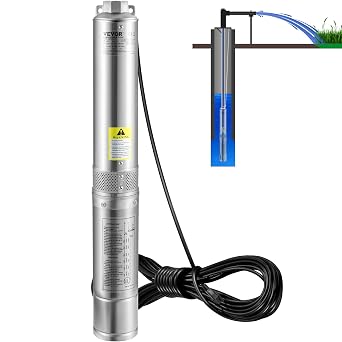
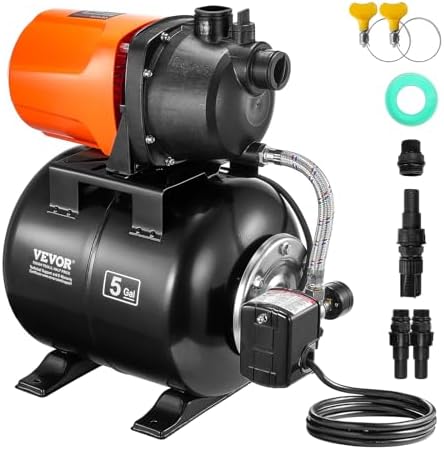

Pay a well or pump service contractor
Paying a well or pump service contractor trades equipment cost for labor and diagnosis. It usually costs more than buying the pump alone, but it can cost less than guessing wrong on total dynamic head, pressure tank sizing, or wiring type.
This route wins when the real problem is not the pump alone. If the issue is low water level, a pressure switch mismatch, or a discharge-size conflict, a contractor can sort the system instead of forcing a single-pump purchase.
It stops making sense when the well setup is straightforward and the labor bill would exceed the value of the diagnosis. It also stops making sense if you already know the casing, head, and wiring requirements and only need the equipment.
If you are living away from the grid, view our guide to low-power well pumps to find the most efficient options.
For a house that loses pressure on the second floor during morning use, the contractor route can be the better spend if the issue is system balance rather than pump size. That is a service decision, not a product upgrade.
Buy used or refurbished well pump
Buying used or refurbished usually lowers the upfront cost the most, but it also lowers certainty. You save money against a new pump, yet you give up the cleanest view of motor history, wear, and remaining service life.
This route makes sense when budget is tight and the fit specs are already known. It makes less sense when you still need to confirm horsepower, discharge size, or whether the motor is 2-wire or 3-wire.
Used units stop making sense when the price gap is small enough that a new pump removes too much risk. They also stop making sense if the seller cannot state the exact model, motor type, or condition.
A refurbished pump can be reasonable for a backup well or a short-term replacement. It is a weaker choice for a primary household supply where a failure would leave you without water.
Rent or borrow a well pump
Renting or borrowing a well pump is a short-term answer for temporary water needs. It costs less up front than buying, but it only works when the job is temporary and the connection points are already compatible.
This route fits a move, a short outage, or a stopgap while a permanent system is being decided. It stops making sense when the household needs continuous water service or when the rental period stretches long enough to rival ownership cost.
Borrowing is only practical if the borrowed unit matches the casing, discharge, and power setup. If any of those differ, the time saved disappears into incompatibility.
How the alternatives compare with buying a well pump
| Route | Who it suits | Main advantage | Where it breaks down |
|---|---|---|---|
| Different pump type or water system | Homes where depth, lift, or flow points to a different setup | Can match the job more closely than forcing one pump type | Fails when casing, discharge, or lift requirements do not align |
| Pay a well or pump service contractor | Buyers who need diagnosis as well as equipment advice | Solves system-level problems, not just the pump itself | Costs more when the issue is simple and already well defined |
| Buy used or refurbished | Budget-first buyers with known fit requirements | Lowest upfront spend | Greater uncertainty about wear, history, and remaining life |
| Rent or borrow | Temporary water needs or short-term bridging | Reduces immediate spending | Weak fit for long-term household supply |
When buying a well pump is the right answer
Buying a well pump is the right answer when the well is a permanent household source and the fit requirements are already known. That means the casing diameter, discharge size, lift demand, and motor type are settled before you spend.
It also becomes the right answer when the system needs continuous service and the alternative would be repeated rental, repeated contractor calls, or a used unit with unclear history. If you need dependable long-term supply, ownership is usually the cleaner path.
A 1 HP pump is often the kind of purchase people reach for when they expect longer runs or more lift, but the number only matters if your well actually needs it. If your measured demand is lower, a smaller setup may be enough and cheaper to own.
Related posts:
 Well Pump Explained: What It Is and How It Works
The Types of Well Pumps, Explained
Well Pump Terms and Specs, Explained in Plain English
Horsepower for Well Pumps: How Much You Actually Need
Maximum Head for Well Pumps: How Much You Actually Need
Maximum Flow Rate for Well Pumps: How Much You Actually Need
Discharge Size for Well Pumps: How to Choose Yours
Well Casing Diameter for Well Pumps: How to Choose Yours