
Maximum Flow Rate for Well Pumps: How Much You Actually Need
Predicament Measures is reader-supported: some links on this page are affiliate links, and as an Amazon Associate Predicament Measures earns from qualifying purchases at no extra cost to you. Learn more.
Well pump maximum flow rate should usually land between 10 and 20 GPM for a normal household system. If you only need a small off-grid home, 5 to 10 GPM can be enough; if several fixtures may run together, 15 to 25 GPM is the safer range.
Recommended maximum flow rate by use case
| use case | recommended maximum flow rate | why this number |
|---|---|---|
| small off-grid home with modest daily water use | 5 to 10 GPM | That range fits modest daily demand without pushing capacity you do not need. |
| pressure tank support during normal household demand | 10 to 20 GPM | Use this when you want the pump to refill the tank without short-cycling during ordinary use. |
| two bathrooms and a kitchen running at the same time | 8 to 15 GPM | This is the worked range for that simultaneous demand pattern. |
| larger home using several fixtures at once | 15 to 25 GPM | That figure comes from the higher combined draw of multiple fixtures used together. |
| household with frequent peak demand and longer run periods | 20 to 25 GPM | Choose this if your own peak use is closer to the upper end of the home-use ranges above. |
Well Pumps covered by our own reviews
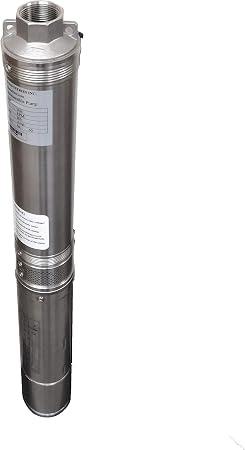
Each of the 3 shown here has its own full review on this site; they run from $102 to $721.11.


What happens if you go under, and what happens if you overbuy?
Too little maximum flow rate leaves you with slow recovery and weak support during overlapping use. A pump that can only move 4 GPM, for example, is far less forgiving than the 10 to 20 GPM range many household systems need for normal demand.
Overbuying costs more than the purchase number suggests. A 25 GPM pump on a small off-grid home can be more capacity than the use pattern needs, and that extra headroom is wasted if the well, pressure tank, or pipe size cannot use it.
If you are drilling a surface well, view the best well pump for a shallow well to see which models handle low lift most effectively.
What should you check first: fixtures or tank behavior? Count the fixtures you want to run together, then compare that to the 5 to 10 GPM, 10 to 20 GPM, or 15 to 25 GPM ranges above.
The main mistake with maximum flow rate
The main mistake is treating maximum flow rate as the only number that matters. A pump can state 18 GPM and still be the wrong choice if your well depth, discharge size, or pressure setup is the real limit.
For a buyer who wants reliability, total system demand matters more than a single headline number. The right target is the flow rate that matches your actual fixture use, not the largest figure you can find.
How maximum flow rate interacts with the other deciding specs
Maximum flow rate is only useful when the rest of the system can support it. Horsepower measures motor output, maximum head measures lift, and discharge size sets the outlet diameter, so a high GPM figure is wasted if one of those is undersized.
Determining your specific power requirements is easy when you compare horsepower for well pumps to find the right motor size.
A pump with strong flow but limited head may move water well at shallow lift and still fail in a deeper well. The same problem appears when the discharge size does not match the plumbing, because the outlet becomes the bottleneck instead of the pump rating.
Well casing diameter matters before you order, especially with the common 4-inch well casing standard. If the casing or outlet size does not match your property, the flow rating stops being the deciding spec.
How much flow do you need if your pressure tank is the weak point? In that case, 10 to 20 GPM is only useful if the tank and pressure switch are matched well enough to avoid short cycling.
Related posts:
 Well Pump Explained: What It Is and How It Works
The Types of Well Pumps, Explained
Well Pump Terms and Specs, Explained in Plain English
What Well Pumps Cost, and What Each Price Level Gets You
Horsepower for Well Pumps: How Much You Actually Need
Maximum Head for Well Pumps: How Much You Actually Need
Discharge Size for Well Pumps: How to Choose Yours
Well Casing Diameter for Well Pumps: How to Choose Yours