
Discharge Size for Well Pumps: How to Choose Yours
Predicament Measures is reader-supported: some links on this page are affiliate links, and as an Amazon Associate Predicament Measures earns from qualifying purchases at no extra cost to you. Learn more.
Discharge size is the outlet opening on a well pump, stated in in., and it controls how the pump connects to your plumbing. Your own pipe size, pressure setup, and the outlet size already in place decide which discharge size fits.
Which discharge size suits which well pump buyer?
| if this is you | the discharge size that suits you | why |
|---|---|---|
| Your existing piping is 1 in. and you want the least complication. | 1 in. | That size is the most common figure in the listings we screened, and it matches standard plumbing more often than the smaller or larger options. |
| Your system already uses a smaller outlet and you are replacing like for like. | 0.5 in. to 0.75 in. | Those sizes suit a setup that already depends on a narrower outlet, so the pump can connect without forcing a plumbing change. |
| Your pressure tank and pipework are built around a larger outlet. | 1.25 in. | That size is for buyers whose existing plumbing is already set up for a wider discharge path. |
| You are matching an older pump and want the outlet size to stay consistent. | The same discharge size as the old pump | Keeping the same outlet size avoids an unnecessary mismatch between the pump and the rest of the system. |
| You have not confirmed the outlet size in your well equipment yet. | Do not choose yet | Discharge size is a fit question, not a performance upgrade, so the right move is to confirm the existing connection first. |
Well Pumps covered by our own reviews
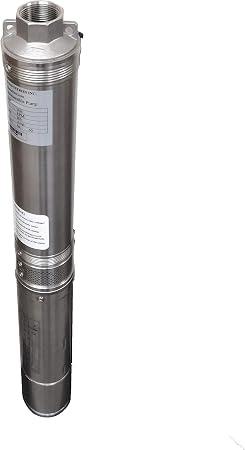
Prices across these 3 run from $185 to $721.11; each one has a full review here.


How do you check your own discharge size before ordering?
Check the outlet size on the old pump, the pipe connected to it, or the listing for your current system parts. The number is usually written as discharge size, outlet size, or discharge port size, and it is stated in in.
Start with the part you can identify without guesswork. If the old pump is still installed, the discharge size is often the number stamped on the housing or printed in the paperwork that came with the system.
If the old pump is gone, measure the opening on the pipe or fitting that connects to the pump outlet. Use a tape measure across the opening, then compare the result with the stated size in the parts list or replacement paperwork.
If you lack a permanent power grid, browse our comparison of generator-compatible well pumps.
One realistic sequence is simple: identify the existing outlet, read the size in the paperwork, and match the next pump to that figure. That keeps the order aligned with the plumbing you already own.
For a shallow well pump or a deep well pump, the discharge size still comes down to the same check: what your current pipework accepts. The pump type changes the installation layout, but the outlet size still has to match the connection path.
If the paperwork lists 1 in., 0.75 in., or 1.25 in., use that figure rather than guessing from the pump body. A discharge opening that is written in the spec is the number that matters for fit.
What happens if the discharge size is too small or too large?
A discharge size that is too small for your plumbing creates a connection problem first. The pump may not line up with the pipe size you already have, so the mismatch shows up as a parts problem before it becomes a water problem.
A discharge size that is too large for your system can force a reduction fitting or a different plumbing layout. That adds another point where the fit can go wrong, especially if the rest of the system was built around a narrower outlet.
Remote living requires specific power constraints, so see the top-rated well pumps for off-grid cabins.
The mistake usually shows up as incompatible parts, not as a change in horsepower or flow rate. Discharge size does not decide how much water the pump can move; it decides whether the outlet fits the rest of the system.
For a household well, the cost of the wrong size is delay and extra parts. You may need a different fitting, and in some cases the pump has to go back because the outlet size does not match the existing plumbing.
A buyer who chooses by diameter alone can miss the actual issue: the pump still has to connect to the tank, pipe, and discharge line already in place. That is why the fit check matters before any order is placed.
What should you do when your discharge size falls between two values?
When your discharge size falls between two values, match the size already written for your system rather than rounding up or down. The right choice is the one that aligns with the existing outlet and pipework.
Proper fitment is essential, so learn how to select the correct well casing diameter.
Why matching the old pump size avoids plumbing changes
If the old pump says 1 in. and the replacement options include 0.75 in. and 1.25 in., stay with 1 in. unless your current plumbing has already been changed. A middle value is not a performance target here; it is a fit target.
If you are between sizes because the paperwork is unclear, confirm the actual outlet opening before ordering. Returns policy matters once, here, because a wrong fit can turn a simple replacement into a return and a second order.
Choose the size that matches the connection you already own, not the size that sounds more substantial. A larger discharge opening is not automatically better, and a smaller one is not automatically worse.
If two sizes both seem possible, the deciding factor is the pipe and fitting already on your well equipment. The pump should follow the system, not force the system to change around it.
Related posts:
 Well Pump Explained: What It Is and How It Works
The Types of Well Pumps, Explained
Well Pump Terms and Specs, Explained in Plain English
What Well Pumps Cost, and What Each Price Level Gets You
Horsepower for Well Pumps: How Much You Actually Need
Maximum Head for Well Pumps: How Much You Actually Need
Maximum Flow Rate for Well Pumps: How Much You Actually Need
Well Casing Diameter for Well Pumps: How to Choose Yours