Pass-through charging allows an emergency power supply to charge its internal battery while simultaneously powering external devices from its AC outlets. The specific wattage you require depends on whether you intend to charge small electronics or run high-draw appliances during a power outage.
Which Pass-through Charging Value Suits You?
| If this is you | The Pass-through Charging that suits you | Why |
|---|---|---|
| You only need to keep phones, tablets, and smartwatches powered. | 100W to 200W | Small electronics have low power draws, and these lower limits allow for efficient charging without over-engineering the unit. |
| You need to run a laptop, a monitor, and a small router simultaneously. | 300W to 600W | Computers and peripherals require a steady flow of power that exceeds basic mobile charging limits but stays below heavy appliance draws. |
| You intend to run a full-sized refrigerator or a coffee maker. | 1500W to 2000W | Large kitchen appliances require significant wattage to start and maintain operation, necessitating high-capacity pass-through. |
| You need to run a central air conditioning unit or a large workshop tool. | 2000W+ (Continuous Output) | Heavy machinery and HVAC systems require the highest tier of power to prevent the inverter from tripping during peak loads. |
Emergency Powers we have reviewed in detail
3 reviewed options, $119.99 to $1196, with the full write-up behind each name.
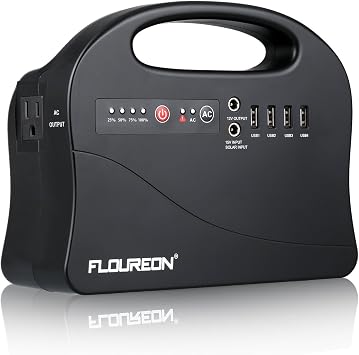
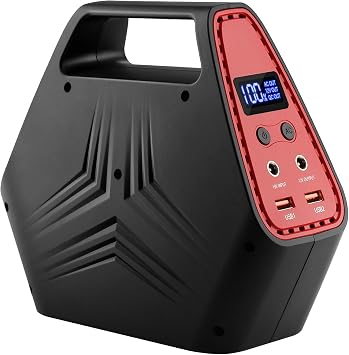
WILLNORN Portable Generator 40000mAh 150Wh
$119.99 price checked August 2026
If you require higher output than a battery, explore the best gas generator for home emergency power.

How Do I Measure My Required Pass-through Charging?
To determine your required pass-through charging, you must identify the maximum wattage of the devices you plan to run simultaneously during a power failure. You can find the power requirements for most household appliances on a sticker or metal plate located on the back or bottom of the device.
Calculating Total Wattage
Sum the wattage of every device you want to keep running. If you plan to run a 500W refrigerator and a 100W laptop, your minimum requirement is 600W. Because some devices have a “surge” or “starting” wattage—where they briefly pull more power to turn on a motor—you should add a 20% buffer to your total sum to ensure the unit does not shut down.
Understanding different cell types is essential, so compare battery chemistry for emergency power supplies to see which fits your needs.
Reading the Manufacturer Label
Look for a label stating “Input” or “Power Consumption” in Watts (W). If the label only provides Amps (A) and Volts (V), multiply the Amps by the Volts to find the Watts. For example, a device listed as 10A at 120V consumes 1,200W. Ensure the pass-through charging rating of the emergency power supply exceeds this calculated number.
What Happens if Pass-through Charging is Too Low?
If the pass-through charging capacity is lower than the demand of your connected devices, the unit will experience an inverter overload. This is a safety mechanism where the internal circuitry detects an excessive draw and shuts down the power output instantly to prevent hardware damage.
Symptoms of Under-Provisioning
Under-provisioning typically manifests as a “tripped” state. You might see a red light, hear a beep, or notice that the outlet loses power the moment a high-draw device, like a microwave or blender, is turned on. In these cases, the unit is capable of providing power, but the specific load exceeds the pass-through limit of the hardware.
What Happens if Pass-through Charging is Too High?
Selecting a pass-through charging value that is significantly higher than your needs does not harm the equipment, but it dictates the physical and thermal characteristics of the unit. Higher wattage ratings usually require larger internal components and more robust cooling systems.
Physical Size and Heat Management
Units capable of high-wattage pass-through charging are often heavier and larger because they require thicker internal wiring and larger heat sinks. If you only need to charge a phone, a unit with 2000W of pass-through charging will be unnecessarily bulky for storage and may produce more fan noise than a smaller, lower-wattage unit.
What if I Fall Between Two Pass-through Values?
If your calculated needs fall between two common pass-through charging categories, you should always choose the higher value. This provides a safety margin that accounts for the variable power consumption of modern electronics and prevents the unit from operating at its absolute maximum limit for extended periods.
The Benefit of a Buffer
Running an emergency power supply at 90% of its rated pass-through capacity can cause the unit to run hotter and may reduce the longevity of the internal components. Choosing the higher tier ensures that your devices receive consistent power while the unit operates within a comfortable thermal range. If you are unsure of a specific device’s peak draw, the higher capacity provides the necessary overhead to handle those spikes without tripping the internal breaker.
More Emergency Power explainers and comparisons
- The Solar Generators That Work Best for Fast Charging
- Mid-size Portable Power Stations for Home Backup Compared
- Choosing the Best Solar Generator for Camping and Fishing
- The Portable Power Stations That Work Best for Running a Refrigerator
- Which Portable Power Station Is Best for Wifi and Security Systems?
- Best Portable Power Stations for RV Use
Related posts:
 Emergency Power Supply Explained: What It Is and How It Works
The Types of Emergency Power Supplies, Explained
Emergency Power Supply Terms and Specs, Explained in Plain English
Emergency Power Supply Warranties: What to Check Before You Buy
Continuous Output for Emergency Power Supplies: How Much You Actually Need
Capacity for Emergency Power Supplies: How Much You Actually Need
Peak Power for Emergency Power Supplies: How Much You Actually Need
Battery Chemistry for Emergency Power Supplies: How to Choose Yours
Emergency Power Supply Explained: What It Is and How It Works
The Types of Emergency Power Supplies, Explained
Emergency Power Supply Terms and Specs, Explained in Plain English
Emergency Power Supply Warranties: What to Check Before You Buy
Continuous Output for Emergency Power Supplies: How Much You Actually Need
Capacity for Emergency Power Supplies: How Much You Actually Need
Peak Power for Emergency Power Supplies: How Much You Actually Need
Battery Chemistry for Emergency Power Supplies: How to Choose Yours