There are three primary types of emergency power supplies, separated by how they generate and store energy: portable power stations, gas-powered generators, and whole-home standby systems. This distinction determines whether you are buying a battery that is ready to work the moment the power fails, or a mechanical system that requires fuel and a startup period to produce electricity.
Portable Power Stations
Portable power stations are large-scale lithium-ion or LiFePO4 batteries with integrated inverters that provide AC power from a wall outlet. They are designed for users who need immediate, silent power for specific devices like laptops, medical equipment, or small kitchen appliances.
Battery Chemistry and Cycle Life
The chemistry of the internal battery determines the long-term durability of the unit. LiFePO4 (Lithium Iron Phosphate) chemistry is the standard for long-term reliability, offering 3,000+ cycles compared to the 500-800 cycles typical of NMC (Nickel Manganese Cobalt) chemistry.
Capacity and Output Limits
Portable power stations are defined by their Watt-hour (Wh) capacity and their continuous Watt output. If you need to run a refrigerator, you need a unit with a continuous output high enough to handle the motor’s startup surge. A 2,000Wh capacity is the threshold for providing 12-24 hours of critical loads, such as a medical device or a small fridge, depending on the draw.
These units offer the advantage of being “plug-and-play” with zero noise and zero emissions. They give up the ability to provide high-wattage power for long periods, as they are limited by the amount of energy stored in the cells. They sit in the lowest price bracket of the three types, though high-capacity models can reach significant costs.
Where these choices show up in our reviews
Prices across these 3 run from $175.99 to $799.99; each one has a full review here.


Jackery Explorer 3000 Pro Portable Power Station
$279.99 price checked August 2026
Ensure your equipment is safe by reviewing official safety standards and certifications for reliable backup power.
Gas-Powered Generators
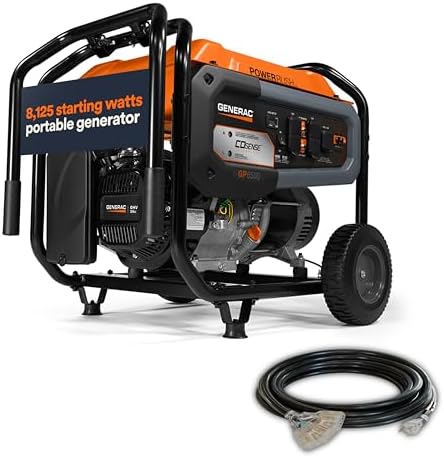
Gas-powered generators use internal combustion engines—running on gasoline, propane, or natural gas—to create electricity on demand. They are for users who need to power high-draw appliances like central air conditioning, well pumps, or electric ovens for extended periods.
Fuel Requirements and Noise
Gas generators require a constant supply of fuel and produce significant noise and exhaust. Because they produce power as they run, they are not limited by a “battery capacity” but by the availability of fuel and the engine’s rated output.
High Wattage Capability
These units excel at high-wattage demands. A generator can provide 5,000W or more of continuous power, which is the requirement for running a standard central AC unit or a full kitchen suite. They give up the convenience of silence and the ability to be used indoors, as the exhaust must be vented safely away from the home.
Gas generators sit in the middle price bracket, with costs varying based on the maximum wattage the engine can produce. They are the standard choice for homeowners who need to maintain a specific level of comfort during a multi-day power outage.
Whole-Home Standby Generators
Whole-home standby generators are permanent installations connected directly to a home’s electrical panel and fuel source, usually natural gas or liquid propane. They are for homeowners who require seamless, automatic power transitions for the entire property without manual intervention.
Automatic Transfer Switches
Standby systems use an automatic transfer switch (ATS) to detect a power failure and engage the generator within seconds. This ensures that the transition is nearly instantaneous, preventing sensitive electronics from rebooting.
Infrastructure and Installation
These systems are the industrial benchmark for permanent residential infrastructure. They require professional installation, including dedicated gas lines and electrical wiring. They provide the highest level of reliability and the ability to power every circuit in a home simultaneously.
The primary advantage is total automation and high-wattage capacity. They give up portability and are the most expensive option, requiring significant upfront investment for the unit and the professional installation required by local codes.
Comparison of Emergency Power Types
| Type | Best-Fit Buyer | Main Advantage | Main Compromise |
|---|---|---|---|
| Portable Power Station | Users needing quiet, immediate power for small electronics or medical gear. | Instant use, silent operation, and zero emissions. | Limited by battery capacity; lower wattage output. |
| Gas-Powered Generator | Users needing to run high-draw appliances like AC or well pumps. | High wattage output and ability to run for long durations. | Requires fuel, produces noise, and must be used outdoors. |
| Whole-Home Standby | Homeowners requiring automatic, seamless power for the entire house. | Automatic operation and permanent infrastructure integration. | High cost and requires professional installation. |
Which Emergency Power Type Do You Need?
To determine which type of emergency power fits your situation, check your requirements against these three conditions.
Identify Your Critical Loads
List every device you must keep running. If your list includes only laptops, lights, and a small fridge, a portable power station is likely sufficient. If you must run a central AC unit, a well pump, or a large electric range, you require a gas-powered generator or a standby system.
Determine Your Required Runtime
Estimate how long you need to maintain power without a utility grid. If you need power for 2-4 hours to keep food cold or run a fan, a portable power station is a viable choice. If you need power for 24 hours or more for multiple high-draw appliances, you need a system with a continuous fuel source, such as a gas generator or a whole-home standby system.
Assess Your Usage Environment
Consider where the power will be used. If you need to run a device inside a bedroom or a living room without noise or fumes, a portable power station is the only option. If you are willing to run a machine outdoors and manage fuel refills, a portable gas generator provides more power. If you want the power to turn on automatically without you doing anything, a whole-home standby system is the required choice.
Browse our other Emergency Power pages
- Best Portable Power Stations for RV Use
- Gas Generators for Home Emergency Power Compared
- Choosing the Best Small Portable Power Station for Travel
- The Solar Generators That Work Best for Fast Charging
- Mid-size Portable Power Stations for Home Backup Compared
- Choosing the Best Solar Generator for Camping and Fishing
Related posts:
 Emergency Power Supply Explained: What It Is and How It Works
Emergency Power Supply Terms and Specs, Explained in Plain English
Emergency Power Supply Warranties: What to Check Before You Buy
Certifications and Safety Standards for Emergency Power Supplies
Capacity for Emergency Power Supplies: How Much You Actually Need
Peak Power for Emergency Power Supplies: How Much You Actually Need
Battery Chemistry for Emergency Power Supplies: How to Choose Yours
Pass-through Charging for Emergency Power Supplies: How to Choose Yours
Emergency Power Supply Explained: What It Is and How It Works
Emergency Power Supply Terms and Specs, Explained in Plain English
Emergency Power Supply Warranties: What to Check Before You Buy
Certifications and Safety Standards for Emergency Power Supplies
Capacity for Emergency Power Supplies: How Much You Actually Need
Peak Power for Emergency Power Supplies: How Much You Actually Need
Battery Chemistry for Emergency Power Supplies: How to Choose Yours
Pass-through Charging for Emergency Power Supplies: How to Choose Yours