
Gravity Water Filter Warranties: What to Check Before You Buy
Predicament Measures is reader-supported: some links on this page are affiliate links, and as an Amazon Associate Predicament Measures earns from qualifying purchases at no extra cost to you. Learn more.
Gravity water filter warranties usually run from 1 to 10 years, and the most common refusal is missing proof of purchase. If you bought secondhand, moved the unit, or cannot show the sale date, the claim often stops there. Before you compare brands, check your own receipt, seller type, and whether the warranty document names the parts you expect to fail.
What a Gravity Water Filter Warranty Usually Covers
A gravity water filter warranty usually covers defects in materials and workmanship for the housing, lid, spigot, seals, and other non-consumable parts. The warranty document is the source for the exact term, so confirm the stated length before you rely on it.
- Cracked housings that result from a manufacturing defect.
- Faulty spigots, handles, latches, or other fitted hardware.
- Seal failures caused by a defect in the part itself.
- Missing or misfit components that were not supplied correctly.
- Corrosion or finish problems when the warranty names those parts.
Gravity filter warranties usually cover the container and fittings
Most warranties in this category cover the container and fittings, not the water treatment promise itself. That split matters because a warranty can replace a broken chamber while leaving filter performance questions to a separate claim path. Think of it like a roof warranty: the frame may be covered, but storm damage and wear items are handled differently.
- Filter elements, cartridges, or media once they are treated as consumables.
- Normal wear from routine use, cleaning, or replacement cycles.
- Cosmetic marks that do not affect function.
- Damage from drops, freezes, overheating, or misuse.
- Mineral buildup, staining, or clogging from water conditions.
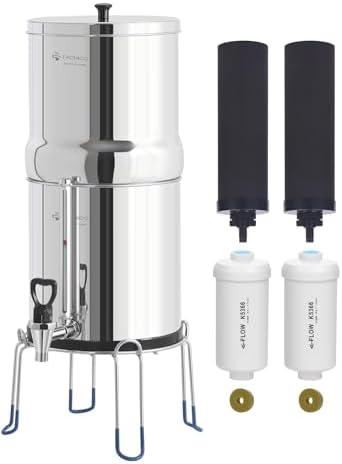
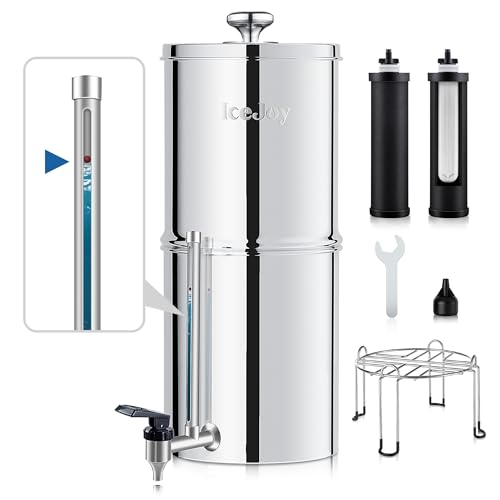
Examples from this category, each with its own review here
3 options shown here, $108.98 to $367, each with its own full review behind its name.

What a Seller Type Means for a Warranty Claim
Seller type changes who stands behind the claim and which document you can use. The same gravity water filter can have a straightforward claim through one seller and a dead end through another, even when the unit looks identical.
If you live in a smaller space, view the best gravity water filter for apartments to find a compact solution.
What a direct purchase means for a warranty claim
A direct purchase usually means you bought from the maker or its own store, so the claim normally goes straight to the warranty contact named in the paperwork. That path is usually the cleanest because the seller, the serial record, and the warranty terms line up.
What an authorised retailer means for a warranty claim
An authorised retailer is a seller the maker recognizes for warranty support. For a claim, that usually means the warranty still applies, but you may need the retailer invoice and the original sale date.
What a marketplace seller means for a warranty claim
A marketplace seller is a third-party seller on a larger sales platform. For a claim, the warranty may depend on whether the seller is authorised, whether the listing was new, and whether the platform receipt names the actual seller.
What refurbished or open-box means for a warranty claim
Refurbished or open-box usually means the unit was returned, inspected, or repackaged before resale. For a claim, coverage is often shorter, limited, or tied to the refurbisher rather than the original maker.
Families with high daily usage can compare the best gravity water filter for families to see which high-capacity models lead the pack.
What an importer or grey-market sale means for a warranty claim
An importer or grey-market sale means the unit was brought in outside the maker’s normal sales channel. For a claim, that often creates the hardest path because the local warranty office may reject units sold outside its region.
The sequence is simple: you buy from a marketplace seller, you later find a cracked lid, and the seller invoice does not identify an authorised source. The claim then turns on the seller record instead of the crack itself, and that can leave you paying for a replacement part or a full replacement.
Actions That Commonly Void Coverage
Warranty coverage in this category is often lost by altering the unit, using non-approved parts, or ignoring the care instructions that came with it. The problem is not the age of the filter alone; it is the change in condition that the warranty says you caused.
- Drilling, cutting, gluing, or modifying the housing, lid, or spigot.
- Using replacement parts that are not approved in the warranty document.
- Running the unit with damaged seals or missing fittings.
- Cleaning with chemicals or abrasives that the instructions prohibit.
- Freezing the unit or exposing it to heat outside the stated limits.
- Using the wrong water source when the warranty excludes that use.
- Failing to replace consumable parts on the schedule named in the paperwork.
Custom modifications can void a gravity filter warranty
The hardest claim to recover is the one where a small modification becomes the reason for a full denial. A hole for a custom fitting can look minor, but it gives the seller a clear reason to say the housing was altered after sale. If you want coverage to remain usable, keep every change reversible and documented.
To understand your budget requirements, see what gravity water filters cost at different price points and feature levels.
What To Keep Before You Buy For A Future Claim
Keep the paperwork, because claims in this category are document-driven. The warranty file should travel with the receipt, the product label, and any message that confirms the seller and sale date.
- Save the full warranty document, not just the listing page.
- Keep the receipt with the sale date, seller name, and item description.
- Photograph the box label, serial number, and included parts before first use.
- Register the product if the warranty requires registration.
- Check whether the claim window starts at purchase, delivery, or registration.
- Record the seller type so you can show whether it was direct, authorised, marketplace, refurbished, or imported.
- Keep the cleaning and replacement instructions with the warranty file.
- Do not discard packaging until the unit arrives complete and undamaged.
Missing receipts make gravity filter warranty claims harder
If the receipt is missing, the claim often becomes a search for proof instead of a repair request. That costs time, and it can turn a covered defect into a rejected file. If two requirements conflict, keep the stricter one: the warranty date, the seller record, and the registration step all matter when they are named.
When An Extended Warranty Is Worth It
An extended warranty is worth considering when the unit has a high purchase cost, the seller is hard to reach, or the claim path depends on a marketplace or imported sale. It is usually not worth it when the standard warranty already covers the long-life parts you care about and the consumables are excluded either way.
Choose the extra coverage only if it adds a longer term for the housing and fittings, not just a duplicate promise on consumables. If you already have a direct purchase, a clear receipt, and a warranty term that matches your expected use, the extra plan often adds paperwork more than protection.
The other Gravity Water Filter guides we have published
- Choosing the Best Gravity Water Filter for Travel
- The Gravity Water Filters That Work Best for Small Kitchen Counters Under $200
- Which Gravity Water Filter Is Best for Apartments?
- Best Gravity Water Filter for Families
- Gravity Water Filters for Beginners Compared
- Which Gravity Water Filter Helps with Well Water Taste?
Related posts:
 Gravity Water Filter Explained: What It Is and How It Works
The Types of Gravity Water Filters, Explained
Gravity Water Filter Terms and Specs, Explained in Plain English
Certifications and Safety Standards for Gravity Water Filters
Gravity Water Filter Alternatives: Other Ways to Get the Same Result
Filter Pore Size for Gravity Water Filters: How Much You Actually Need
Height for Gravity Water Filters: How to Choose Yours
Number Of Filter Elements for Gravity Water Filters: How Much You Actually Need