
Propane Heater Explained: What It Is and How It Works
Predicament Measures is reader-supported: some links on this page are affiliate links, and as an Amazon Associate Predicament Measures earns from qualifying purchases at no extra cost to you. Learn more.
Propane heaters are gas heaters that burn propane to make heat for a room, garage, or other enclosed space. If your space has no other heat source, the output number matters more than the cabinet style. Measure the area you want to warm and compare it with the heater’s stated heating area before you buy.
They solve a simple problem: you need heat where electric heat is unavailable, too costly to run, or too weak for the space. A 30,000 BTU/h unit serves a very different job from a 10,000 BTU/h unit, and the wrong size wastes fuel or leaves the room cold.
How a propane heater works
A propane heater works by moving gas from the cylinder, lowering its pressure, lighting it, and sending the flame across a burner. The sequence is fixed, and each stage affects how much heat the heater can deliver.
- The propane cylinder supplies fuel, and the regulator controls gas pressure to the heater.
- The pilot assembly ignites and maintains the flame, so the heater can keep running without repeated relighting.
- The burner is the component that produces the heat.
- The heater releases that heat into the room air, or through a sealed vent path in a direct-vent design.
Match-light units do not need electricity, so they keep working during outages. That convenience matters most when you want heat without a powered ignition system or a wall outlet nearby.
Propane Heaters we have reviewed in detail
Prices across these 3 run from $251.58 to $1322.37; each one has a full review here.

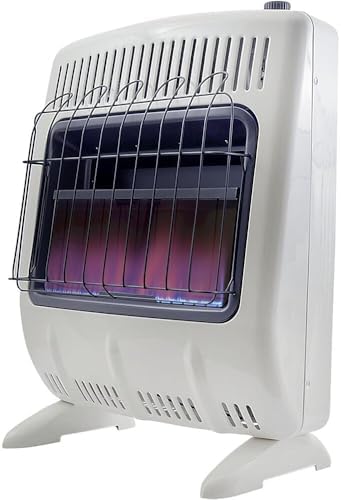

Propane heater parts that change the result
The regulator, pilot assembly, and burner are the three parts that shape how a propane heater behaves. Each one changes a different part of the result, from gas flow to ignition to heat delivery.
The regulator controls gas pressure to the heater, so it affects how steadily fuel reaches the flame. A stable pressure feed matters when you want predictable output instead of a flame that varies with the tank.
The pilot assembly is the ignition and flame-maintaining part. It matters because it keeps the heater ready without repeated manual lighting, which is useful in cold starts and short heating runs.
The burner is the heat-making part. Its job is simple: it turns propane into usable heat, and its output rating tells you how much heat the heater can release each hour.
Vent-free vs direct-vent is the first choice that changes where the combustion air comes from. Vent-free units burn room air and keep the heat indoors, while direct-vent units use sealed combustion with venting, which changes where exhaust goes and how the room air is used.
Propane cylinder sizes, 1 lb and 20 lb, change runtime, portability, and refill logistics. A 1 lb cylinder is easier to move, while a 20 lb tank usually supports longer use and fewer refills.
What a propane heater changes in practice
A propane heater changes the kinds of spaces you can heat without wiring a new circuit or depending on central heat. That makes it useful for garages, workshops, cabins, and outage backup, especially when the room size is known and the fuel supply is already planned.
To better understand the technical details, view our guide to propane heater terms and specs.
It does not solve every heating problem. If you need whole-home heat, or if your space is large enough to demand more than 45,000 BTU/h, a single portable unit may be the wrong tool.
Moisture is part of the tradeoff. Vent-free combustion adds water vapor, so condensation can matter in tight rooms, on windows, or anywhere dampness is already a problem.
Safety features also change the practical use case, but they do not erase the need for ventilation. Low-oxygen shutoff, tip-over shutoff, and flame-failure valves reduce risk, yet indoor use still depends on the room, the fuel setup, and local rules.
Propane heater questions buyers ask
Is a propane heater worth the price for safety features and a wall cabinet?
A propane heater is worth the price when you need room heat in a place that cannot rely on electricity or central heat. Safety features and a wall-mounted cabinet raise the cost, but they also change where and how the heater can be used. If you only need occasional portable heat, a simpler unit may make more sense.
Is a propane heater safe in a bedroom or occupied room?
A propane heater can be used in an occupied room only when the model is rated for that use and the room conditions fit the heater’s limits. Bedroom use is not a blanket yes, because oxygen depletion shutdown and ventilation requirements still matter. You need to check the room size, the fuel format, and the local rules before you decide.
Does low-oxygen shutoff make indoor use safe without ventilation?
No. Low-oxygen shutoff is a safety backstop, not a substitute for ventilation. It can stop the heater when oxygen drops, but it does not remove the need to manage combustion air, moisture, and exhaust risks indoors.
How does a propane heater compare on heat output and convenience?
A propane heater can deliver strong heat without electricity, which is useful during outages and in off-grid spaces. Match-light operation removes the need for powered ignition, but the tradeoff is that you still need fuel on hand and the right cylinder size for the job. Heat output varies widely, from 10,000 BTU/h for smaller jobs to 45,000 BTU/h for large spaces.
Do tip-over shutoff and flame-failure valves make indoor use safe enough?
Those features improve safety, but they do not make every indoor setup acceptable. Tip-over shutoff helps if the heater is knocked over, and a flame-failure valve stops gas flow if the flame goes out. Indoor use still depends on ventilation, clearance, the room size, and whether the heater is meant for that space.
Who needs a propane heater, and who does not
You need a propane heater if you want heat in a garage, cabin, workshop, or outage-prone room and you can supply propane safely. You also need one if your space calls for portable heat and you can measure the room before choosing output and cylinder size.
You do not need one if your space already has reliable heat, if you cannot provide ventilation, or if the room conditions make vent-free combustion a poor fit. You also do not need one if you are trying to heat a very large area with a small portable unit, because the output number will not match the job.
The other propane heater guides we have published
- The Portable Propane Heaters That Work Best for Camping
- Which Propane Heater Is Best That Runs Without Electricity?
- Best Propane Heater for a Hunting Blind or Ice Shelter
- Propane Heaters for Large Garages or Barns Compared
- Choosing the Best Propane Heater Under $200
- Keeping One Room Warm When the Power Is Out for Days With a Propane Heater
Related posts:
 The Types of Propane Heaters, Explained
Propane Heater Terms and Specs, Explained in Plain English
Propane Heater Warranties: What to Check Before You Buy
Certifications and Safety Standards for Propane Heaters
Fuel tank size for Propane Heaters: How to Choose Yours
Coverage area for Propane Heaters: How Much You Actually Need
Heater width for Propane Heaters: How to Choose Yours
Fuel type for Propane Heaters: How to Choose Yours