
LiFePO4 Battery Alternatives: Other Ways to Get the Same Result
Predicament Measures is reader-supported: some links on this page are affiliate links, and as an Amazon Associate Predicament Measures earns from qualifying purchases at no extra cost to you. Learn more.
LiFePO4 battery alternatives are other ways to get 12.8V storage, long cycle life, and stable off-grid power without buying a lithium iron phosphate pack. If your load is small, seasonal, or short-term, another route can cost less than ownership. Compare your runtime needs, charging setup, and physical fit before you decide.
Lead-acid batteries for the same job
Lead-acid batteries can cover the same 12V role, but they usually cost less up front and weigh more for the same usable energy. They make sense when you need occasional backup, already have lead-acid charging gear, or only need a short service life. They stop making sense when weight, depth of discharge, or cycle count matters more than first cost.
Lead-acid batteries need more size for the same runtime
For a trolling motor or RV bank, lead-acid often forces a larger battery size to reach the same runtime. That extra mass can matter more than the lower entry cost. A buyer who charges often and cycles the bank deeply usually reaches the limit of this route first.
Where these choices show up in our reviews
3 options shown here, $199.99 to $899.99, each with its own full review behind its name.

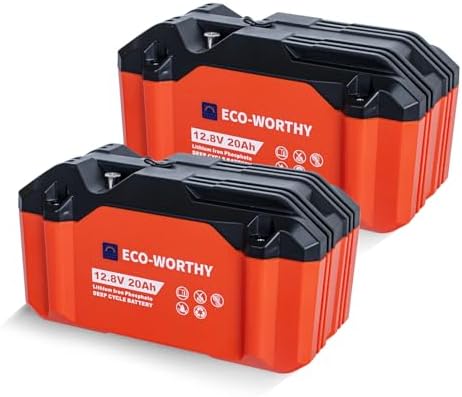

Smaller battery packs for lighter loads
Smaller battery packs solve the same power problem with less capacity, so they cost less and take up less space. They work when your load is brief, your daily draw is modest, or you only need a portable backup. They stop making sense when you need one battery to cover long runtime or a full day away from shore power.
If you are planning a road trip, see our top picks for van camping to find a reliable power source.
Smaller packs suit lights and electronics, not house banks
This route fits a camp light, fish finder, or small electronics kit better than a house bank. The tradeoff is simple: lower capacity means shorter runtime, and there is no way around that with the same pack. If your use case already pushes near a 100Ah baseline, a smaller pack becomes a compromise, not a substitute.
Used or refurbished battery options
Used or refurbished batteries can reduce the entry cost, but the condition risk rises with age, storage history, and prior cycle count. They make sense when you need the format for a short project or a backup system and can accept uncertainty. They stop making sense when you need predictable runtime or a long service window.
Used batteries add uncertainty when history is missing
Used stock is the route where missing data matters most. If the seller cannot state age, remaining capacity, or BMS history, you are buying uncertainty instead of stored energy. That is a poor trade when the battery must support an inverter surge or a critical off-grid load.
Doing without a LiFePO4 battery
Doing without a LiFePO4 battery means changing the load, the schedule, or the power source instead of adding storage. It costs the least and works when your use is rare, short, or easily moved to shore power. It stops making sense when your setup needs portable energy away from an outlet.
For those operating in freezing climates, explore the best lifepo4 battery for cold weather to ensure consistent performance.
Some cabins and tool kits do not need a battery
A weekend cabin with grid access most of the time may not need a lithium phosphate battery at all. The same is true for a tool kit that only runs near mains power. Once you need silent off-grid runtime, the absence of a battery becomes the limiting factor.
How the main alternatives compare with buying
The route you choose depends on whether you are buying runtime, portability, or certainty. Lead-acid suits lower entry cost. Smaller packs suit shorter loads. Used or refurbished suits a lower budget with more risk. Doing without suits users who can avoid stored power entirely.
| Route | Who it suits | Main advantage | Where it breaks down |
|---|---|---|---|
| Lead-acid batteries | People who want the lowest upfront spend and already use lead-acid charging gear | Lower initial cost | Heavier for the same usable energy and less attractive for deep cycling |
| Smaller battery packs | Users with brief loads, modest daily draw, or portable backup needs | Less cost and less bulk | Shorter runtime when the load lasts longer than expected |
| Used or refurbished batteries | Buyers who can accept condition uncertainty for a short or noncritical job | Lower entry cost | Unknown history and less predictable remaining life |
| Doing without | People whose power use is rare or can stay near shore power | No battery purchase at all | Fails once portable off-grid energy is required |
When buying a LiFePO4 battery is the right answer
Buying a LiFePO4 battery is the right answer when you need 12.8V storage, repeated deep cycling, and a stable off-grid power source. It becomes the sensible route when your load is regular, your runtime target is known, and you want fewer replacements over time. It also matters when weight, box size, and charging compatibility are already constrained.
Why alternatives lose ground for 100Ah-class battery setups
If your setup depends on a 100Ah-class battery for trolling motors, RV house loads, or solar storage, the alternatives start to lose ground quickly. Lead-acid needs more weight. Smaller packs give up runtime. Used units add uncertainty. Doing without only works when the battery is optional.
More lithium ferrophosphate battery explainers and comparisons
Related posts:
 LiFePO4 Battery Explained: What It Is and How It Works
LiFePO4 Battery Terms and Specs, Explained in Plain English
LiFePO4 Battery Warranties: What to Check Before You Buy
Certifications and Safety Standards for LiFePO4 Batteries
What LiFePO4 Batteries Cost, and What Each Price Level Gets You
Capacity for LiFePO4 Batteries: How Much You Actually Need
Maximum continuous discharge current for LiFePO4 Batteries: How Much You Actually Need
Weight for LiFePO4 Batteries: How Much You Actually Need