
Certifications and Safety Standards for LiFePO4 Batteries
Predicament Measures is reader-supported: some links on this page are affiliate links, and as an Amazon Associate Predicament Measures earns from qualifying purchases at no extra cost to you. Learn more.
LiFePO4 batteries are lithium iron phosphate batteries with a 12.8V nominal format. Mandatory marks depend on where you ship, store, and use them, while UN 38.3 is the shipping standard that matters most for transport. Check your charger profile and your battery’s low-temperature charge protection first, because those two issues cause the most avoidable failures.
Which LiFePO4 battery marks are required?
LiFePO4 battery marks are required when the product enters transport, electrical safety, or market-access rules. UN 38.3 is mandatory for transport testing, while UL 1973, UL 2054, IEC 62619, and IEC 62133-2 are voluntary unless a seller, installer, insurer, or local rule requires them. CE and UKCA are market marks, not proof of one universal battery safety level.
UN 38.3 is the transport test standard from the United Nations for lithium batteries. It guarantees the pack has passed abuse tests tied to shipping, not that it is the right size, the right chemistry for your charger, or the right discharge rating for your load.
UL 1973 is written for batteries used in stationary energy storage. It covers electrical and fire safety expectations for storage systems, but it does not tell you whether the pack fits your tray or whether the battery management system can handle your inverter surge.
Where these choices show up in our reviews
From $199.99 to $719.99: 3 of the 15 in this category we have reviewed in full.


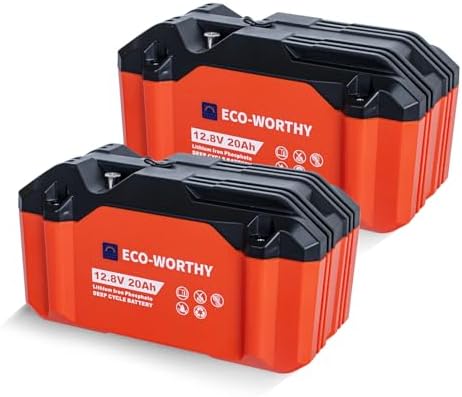
What does UN 38.3 guarantee for transport?
UN 38.3 is the transport standard that matters for lithium ferrophosphate batteries moving by road, air, sea, or courier. It is issued through the UN Manual of Tests and Criteria and requires a battery to pass altitude, thermal, vibration, shock, external short circuit, impact or crush, overcharge, and forced discharge tests. It does not guarantee long cycle life, waterproofing, or compatibility with a lead-acid charger profile.
A battery with UN 38.3 paperwork can still be a poor choice for a trolling motor if its continuous discharge limit is too low. The transport mark says the pack can be moved legally under the tested conditions; it does not say the pack will suit your runtime, mounting space, or current demand.
What does UL 1973 cover in a lifepo4 battery?
UL 1973 covers batteries for stationary energy storage, including home backup and similar fixed installations. Underwriters Laboratories issues it, and the standard focuses on electrical safety, enclosure behavior, and fault conditions in storage use. It does not certify the battery for every charger, every inverter, or every outdoor exposure level.
For a garage solar bank, UL 1973 matters more than a decorative logo because it addresses stationary use. It does not replace local electrical code, and it does not tell you whether the pack has low-temperature charge protection below 0°C.
Which standards matter for vehicle and RV use?
UL 2054 and IEC 62619 are the main standards that show up for lithium phosphate batteries used in portable and industrial power applications. UL 2054 is a household and commercial battery safety standard from Underwriters Laboratories, while IEC 62619 is the International Electrotechnical Commission standard for industrial lithium batteries. Neither standard guarantees a specific case size, a specific amp-hour rating, or a specific BMS current limit.
IEC 62133-2 matters when the battery is treated as a portable sealed lithium cell or battery pack. It covers safety expectations for cells and packs, but it does not prove the finished battery is sized for your tray or that it will support a motor surge without shutdown.
Selecting the right voltage is crucial, so learn how to choose LiFePO4 nominal voltage to ensure your system remains compatible.
If you are fitting a 12V LiFePO4 battery into an RV house circuit, prioritize the charger profile and the BMS current rating over a logo alone. A pack can carry a respected mark and still be wrong for your inverter if the current limit is undersized.
What do the internal battery standards cover?
Battery cells and the finished pack are not the same thing, so their standards are not the same either. IEC 62619 and UL 1973 speak to the finished battery or storage system, while cell-level compliance is a separate matter that may not be stated on retail listings. If a listing gives only a brand mark and no standard number, the internal safety claim is incomplete.
Low-temperature charge protection for LiFePO4 batteries
What if the battery has no stated low-temperature cutoff? Then charging below 0°C remains a risk, because lithium plating can damage the cells. A battery management system with explicit low-temperature charge protection is the relevant safeguard, not a shipping mark.
Which safety failure modes do LiFePO4 batteries actually have?
LiFePO4 batteries fail in a few predictable ways: low-temperature charging, undersized BMS current rating, wrong charger profile, and series or parallel mismatch. UN 38.3 addresses transport abuse, not those daily-use faults. UL 1973, UL 2054, IEC 62619, and IEC 62133-2 address parts of electrical safety, but none of them fixes a mismatched charger by itself.
Low-temperature charging below 0°C is the failure mode that can permanently harm the cells. A battery with a temperature cutoff or charger lockout is the relevant protection, because the shipping standards do not cover that use case.
An undersized BMS current rating shows up when inverter surge or motor draw exceeds the pack’s continuous output limit. The standard mark may still be real, but the battery can trip anyway if the current requirement is higher than the BMS can carry.
How do you verify a LiFePO4 battery mark is real?
- Ask for the exact standard number, not a logo alone.
- Check the certificate or test report number against the issuing body.
- Match the report to the exact model and voltage, not a similar pack.
- Look for the named laboratory or certification body on the document.
- Confirm the mark covers the finished battery, not only one cell.
- Check that the paperwork names the same chemistry and capacity as the listing.
- For transport, verify UN 38.3 test summary availability.
- For installation, verify whether UL 1973, UL 2054, IEC 62619, or IEC 62133-2 is actually stated.
Which marks are non-negotiable for a lifepo4 battery?
UN 38.3 is the non-negotiable mark for shipping and transport. If the battery will cross borders, ride in cargo, or move by courier, that paperwork is the first thing to verify. For stationary storage, UL 1973 becomes the mark to treat as essential when local rules or the installer require it.
The mark to weigh most heavily after that is the one that matches your use case. A solar backup buyer should care more about UL 1973 than about a decorative CE icon, while a portable battery buyer should care more about IEC 62133-2 or UL 2054 when those standards are actually listed.
Do you need a battery for a garage backup bank or a portable rig? A garage backup bank points you toward UL 1973, while a portable rig makes transport paperwork and a suitable BMS current rating more important.
More lithium ferrophosphate battery explainers and comparisons
Related posts:
 LiFePO4 Battery Explained: What It Is and How It Works
LiFePO4 Battery Terms and Specs, Explained in Plain English
LiFePO4 Battery Warranties: What to Check Before You Buy
LiFePO4 Battery Alternatives: Other Ways to Get the Same Result
What LiFePO4 Batteries Cost, and What Each Price Level Gets You
Capacity for LiFePO4 Batteries: How Much You Actually Need
Maximum continuous discharge current for LiFePO4 Batteries: How Much You Actually Need
Weight for LiFePO4 Batteries: How Much You Actually Need