An emergency strobe is a high-intensity lighting device designed to produce rapid, pulsing flashes of light to signal a hazard or a need for immediate attention. Unlike standard warning lights that may use a steady glow or a slow rotation, a strobe uses a high-frequency “on-off” cycle to grab the human eye’s attention more effectively from a distance.
These devices solve the problem of visual invisibility in high-traffic or low-visibility environments. In situations where a vehicle or piece of equipment is stationary or moving slowly, standard headlights or even steady amber lights can blend into the background. An emergency strobe breaks this visual pattern, creating a high-contrast signal that alerts other operators, drivers, or pedestrians to a specific location or hazard before a collision or incident occurs.
How does an emergency strobe work?
An emergency strobe works by rapidly cycling an electrical circuit to pulse light and darkness in a specific pattern.
- The power source, typically a vehicle battery or a dedicated power supply, sends a constant stream of electricity to a controller.
- The controller regulates the flow of electricity to the light source, such as an LED or a xenon bulb.
- The light source converts electrical energy into visible light.
- The controller cuts the power to the light source multiple times per second, creating the “strobe” effect.
- The human eye perceives these rapid pulses as a high-visibility flash, which is easier for the brain to process as a warning than a steady light.
Emergency Strobes we have reviewed in detail
Prices across these 3 run from $180 to $376.75; each one has a full review here.

SpeedTech Lights Raptor-X Elite TIR Split LED
$239.99 price checked August 2026
If you are looking for a heavy-duty setup, compare the best emergency strobe lights for tow trucks to find the right fit for your rig.
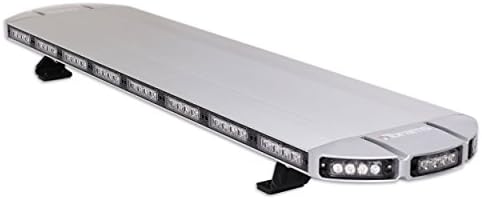
ThunderEye 48 Inch Low Profile Roof Mount Light Bar
$376.75 price checked August 2026
Read our full ThunderEye Light Bar review
For smaller vehicles that require a compact footprint, browse the best small emergency strobe light bars available today.
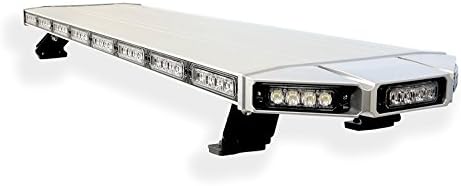
Parts and stages that matter to a buyer
Several technical components determine the effectiveness and longevity of an emergency strobe.
The light source type
The light source is the component that produces the actual illumination. Most modern units use Light Emitting Diodes (LEDs) because they produce less heat and last longer than traditional halogen bulbs. The choice of light source determines the brightness and the color temperature of the signal.
To better understand technical requirements, view our guide on emergency strobe light terms and specs for a clearer explanation.
The optical system and TIR optics
The optical system dictates how the light travels from the source to the observer. Many high-performance units use Total Internal Reflection (TIR) optics. TIR optics reflect light internally within a lens to concentrate the beam into a specific direction. This creates a more intense, focused beam compared to standard reflectors, which scatter light in multiple directions.
The control system and flash rate
The control system manages the frequency and pattern of the flashes. A higher flash rate can make the light appear more intense from a distance. If the flash rate is too slow, the light may appear to “flicker” rather than “strobe,” which reduces its effectiveness as a high-visibility signal.
Thermal management and heat dissipation
Thermal management refers to how the device handles the heat generated by the light source. Because high-intensity LEDs generate significant heat, the housing must act as a heat sink. Effective thermal management prevents thermal shutdown, a failure mode where the device dims or turns off to prevent melting internal components.
What does having an emergency strobe change in practice?
An emergency strobe changes the visibility of a hazard by creating a distinct, high-contrast signal that is difficult for the human brain to ignore.
Visibility in high-traffic areas
In heavy traffic, a strobe provides a “break” in the visual environment. It identifies a stalled vehicle or a work zone by creating a pulsing signal that stands out against the steady lights of moving cars. This provides extra seconds for other drivers to react and change their path.
Performance in low-light conditions
In low-light or foggy conditions, the strobe’s effectiveness depends on the intensity of the beam. A strobe with high-quality optics will project a visible signal through light haze, whereas a low-quality unit may only illuminate the immediate area around the device without projecting a visible warning to distant observers.
Selecting the correct dimensions is crucial, so see how to choose the right length for emergency strobe lights before purchasing.
Static vs moving applications
For a stationary object, the strobe provides a constant signal of presence. For a moving vehicle, the strobe ensures the vehicle is seen from the side and rear, not just from the front. It does not replace standard signaling lights; it complements them by providing a secondary, high-visibility layer of warning.
Who needs an emergency strobe?
The need for an emergency strobe is determined by the level of risk and the environment in which a vehicle or piece of equipment operates.
Work zones and roadside safety
Individuals who operate in roadside construction zones or maintenance areas need an emergency strobe. These environments require high-visibility markers to protect workers from passing traffic. Because these workers are often stationary, the strobe serves as a primary warning signal.
Service and recovery vehicles
Service vehicles, such as tow trucks or roadside assistance vehicles, require strobes to signal that they are performing an active task. These vehicles often stop in unpredictable locations where other drivers may not expect a stationary hazard.
Private and non-commercial use
A private vehicle owner may not need an emergency strobe unless they frequently perform roadside repairs or operate in industrial environments. For standard commuting, a strobe is generally unnecessary and may not be required by local regulations. Confirm the specific rules for your location before ordering any emergency lighting equipment.
The other Emergency Strobe guides we have published
- Choosing the Best Emergency Strobe Light Bars for Police Vehicles
- The Amber Strobe Light Bars That Work Best for Construction Vehicles
- Which Magnetic Mount Emergency Strobe Lights Are Best?
- Best Low Profile Roof Mount Strobe Bars
- Tow Truck Emergency Strobe Lights Compared
- Choosing the Best Small Emergency Strobe Light Bars
Related posts:
 The Types of Emergency Strobe Lights, Explained
Emergency Strobe Light Terms and Specs, Explained in Plain English
Emergency Strobe Light Warranties: What to Check Before You Buy
Emergency Strobe Light Alternatives: Other Ways to Get the Same Result
Wattage for Emergency Strobe Lights: How Much You Actually Need
Voltage for Emergency Strobe Lights: How to Choose Yours
LED Count for Emergency Strobe Lights: How Much You Actually Need
Length for Emergency Strobe Lights: How to Choose Yours
The Types of Emergency Strobe Lights, Explained
Emergency Strobe Light Terms and Specs, Explained in Plain English
Emergency Strobe Light Warranties: What to Check Before You Buy
Emergency Strobe Light Alternatives: Other Ways to Get the Same Result
Wattage for Emergency Strobe Lights: How Much You Actually Need
Voltage for Emergency Strobe Lights: How to Choose Yours
LED Count for Emergency Strobe Lights: How Much You Actually Need
Length for Emergency Strobe Lights: How to Choose Yours