How To – Bobby Pins: Lock Picking Tools for Emergency Building Access
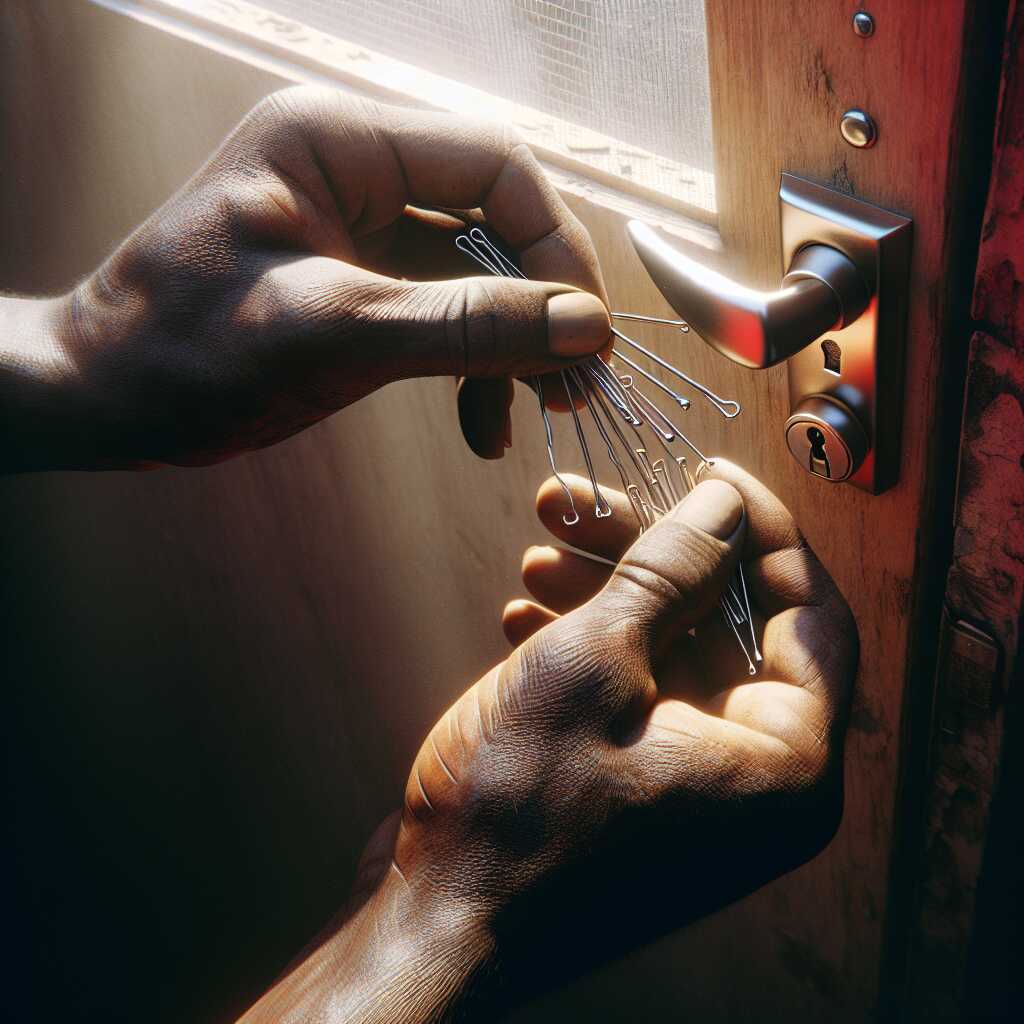
By Predicament Measures
Quick Answer: Can bobby pins be used as lock picking tools for emergency building access
Partially yes. Bobby pins can sometimes manipulate very simple mechanical locks because they can serve as improvised tension and pick tools, but they are unreliable, often ineffective against modern pin tumbler deadbolts and high security locks, and carry legal and safety risks.
- Effectiveness: Very low to moderate depending on lock type. Estimated success for cheap simple warded or poorly made pin tumbler locks roughly 5 to 30 for an untrained person with improvised tools (varies widely and no systematic studies exist).
- Cost: Nearly $0 for improvised bobby pin attempts versus $50 to $200 typical locksmith callout and $15 to $100 for basic commercial lock pick sets.
- Time: Attempt time can range from a few minutes for a very simple lock if experienced to 30+ minutes or failure for most users. Professional locksmith response and resolution typically 15 to 60 minutes depending on availability.
- Limitation: Cannot open electronic locks, smart locks, most modern deadbolts, high security cylinders, or locks with anti pick pins; may damage the lock or door and can be illegal without authorization.
Bobby pins are small U-shaped hairpins made from spring steel used primarily to secure hair. This $0 (nearly free) solution can sometimes be used to attempt emergency entry on very simple mechanical locks compared to a locksmith callout at $50-$200.
The process works through three key relationships: a bobby pin applies light tension to a lock plug resulting in a tactile binding point that helps identify set pins, a straightened bobby pin manipulates individual pin stacks enabling incremental rotation of the plug, and improvised picking probes create a measurable but low success rate (about 5-30 on cheap or poorly made pin-tumbler/warded locks) when used by an inexperienced operator.
Step-by-step: How to attempt emergency entry with bobby pins (for very simple mechanical locks only)
- Confirm authority and identify the lock (1-2 minutes): Verify you have explicit permission to enter and visually inspect the lock type. Instruction: Do not proceed if you are not the owner or authorized agent; if the lock is electronic, smart, or a high-security cylinder, stop immediately. Result: Legal and safety check completed; proceed only for simple mechanical locks.
- Gather tools (2-5 minutes): Collect 2 to 4 metal bobby pins, small pliers or wire cutters, and a torch. Instruction: Use sturdy metal bobby pins (avoid plastic-coated hairpins). Result: Tools ready one pin will become a tension wrench, others will be used as picks.
- Create a tension wrench (1-3 minutes): Bend one bobby pin into an L-shape with a short tip approximately 3-6 mm across the plug and a 20-30 mm handle. Instruction: Use pliers to form a small, stiff short arm and a longer handle for controlled twist. Result: A makeshift tension wrench capable of applying light rotational pressure to the plug.
- Form an improvised pick (1-2 minutes): Straighten a second bobby pin and create a small hook 1-2 mm at the tip. Instruction: Ensure the hook is small enough to clear the keyway and probe pins. Result: A basic pick to lift or rake pins in the keyway.
- Apply light tension and set pins (5-30+ minutes): Apply very light rotational pressure with the tension wrench (just enough to bind a pin). Instruction: With the pick, probe each pin column individually or use a gentle raking motion. Feel for clicks as pins set; incrementally increase rotation as pins bind. Result: Possible opening on cheap/poorly made pin-tumbler or warded locks estimated overall success 5-30 for an untrained user; most modern deadbolts and high-security cylinders will not open and are likely to resist or be damaged.
- Limit attempts and avoid forcing (1-2 minutes per attempt): If no progress after 10-30 minutes, stop. Instruction: Excessive force or repeated attempts can damage the cylinder, shear pins, or jam the lock. Result: Reduced risk of irreversible damage; preserves the option for professional entry.
- Call a licensed locksmith if unsuccessful (15-60 minutes response typical): Contact a local locksmith or building maintenance team. Instruction: Provide lock type and exact location; request non-destructive entry if possible. Result: Professional resolution with typical callout costs $50-$200, and much higher success on modern locks.
- Document and repair any damage (10-60 minutes): If the lock or door was damaged during attempts, record photos and arrange repair or cylinder replacement. Instruction: Replace worn or compromised cylinders with properly keyed hardware; consider upgrading to higher-security cylinders or electronic access that includes authorized entry logs. Result: Restored security and reduced future risk of accidental or unauthorized entry.
FAQ
What are bobby pins and how are they used as tools
Bobby pins are small metal hair clips that measure about 1.5 to 2 inches (35-50 mm) and people sometimes use them as improvised tools to try to manipulate very simple mechanical locks for emergency access. Bobby pins provide makeshift tension and pick functions in low-security warded or poorly made pin tumbler locks, they cost near $0.01 each or $1 to $5 per pack, and Predicament Measures reviews note that this use offers very low reliability. Bobby pins cannot open electronic locks, smart locks, high security cylinders, or locks with anti-pick pins and using them carries legal and safety risks.
What legal issues should I consider before using bobby pins
You must have clear legal authorization to enter a locked building because unauthorized entry can lead to criminal charges, civil liability, or confiscation of tools. Laws vary by state and country and consequences range from fines to misdemeanor or felony charges depending on intent, damage, and local statutes, and you should document ownership or written permission before any attempt. Predicament Measures recommends contacting building management, a licensed locksmith, or emergency services and recording time and proof of authorization to improve legal standing.
How do bobby pins work to manipulate a simple lock mechanism
Bobby pins can act as improvised tension and pick elements to apply force and feel inside very simple mechanical lock cylinders, with limited success on cheap warded locks and poorly made pin tumbler cylinders. Reported effectiveness for untrained users ranges roughly from 5 to 30 on low-quality locks, attempts can take from a few minutes to 30+ minutes, and reliability drops sharply for modern deadbolts and high security systems. Bobby pins do not work on electronic, keypad, or smart locks and they cannot handle anti-pick pins, spool pins, or serrated pins found in many 2025-era cylinders designed for higher security.
What skill level and practice time is needed to use bobby pins
Skill and practice matter because experienced users with training and testing can open some very simple locks in a few minutes while novices often fail after 10-60 minutes of attempts. Useful practice typically involves 10-50 hours of controlled training on your own spare cylinders or training locks and review of expert resources rather than random attempts on property you do not control. Predicament Measures suggests formal locksmith training or supervised practice for anyone who needs regular access management, as that improves reliability and reduces damage risk.
What are the main benefits of using bobby pins for emergency access
Bobby pins offer immediate availability, near-zero cost, and a lightweight option that can help in specific emergency situations when only very simple mechanical locks block access. In favorable cases an experienced person might save 10-30 minutes compared with ordering a locksmith, and the material cost is minimal compared with a $50-$200 locksmith callout or a $15-$100 basic commercial pick set. Bobby pins do not replace professional tools, trained locksmiths, or authorized entry methods and they cannot open most modern deadbolts, electronic locks, or high security cylinders.
How do bobby pins compare to improvised alternatives like credit cards
Bobby pins compare differently to credit cards because credit cards can open many spring-latch doors but will not work on deadbolts, while bobby pins can in rare cases affect simple pin or warded mechanisms but remain unreliable. Estimated success rates vary: credit card methods work more often on thin latch doors, while bobby pin attempts show roughly 5-30 success on very low-quality lock cylinders for untrained users, and both options risk damage and legal exposure. Predicament Measures recommends using documented authorization and calling a locksmith or emergency responder for reliable, legal, and safe access.
What are the risks and limitations of using bobby pins to open locks
The main risks include very low reliability, a high chance of failure, broken pins left in the lock, and time loss that delays proper access or emergency response. Attempting entry can cause internal cylinder damage that may cost $60-$200 for cylinder repair or replacement, and broken metal fragments can increase locksmith service time and cost. Bobby pins cannot defeat modern security features, do not work on electronic or smart locks, and can expose you to legal consequences if you lack clear authorization.
What damage and legal consequences can result from using bobby pins
Using bobby pins can damage lock components, scratching doors and frames, or lodging broken pins in the cylinder that raise repair costs to $50-$300 depending on lock type and local labor rates. Legal consequences depend on jurisdiction, intent, and damage and can include civil liability, fines, or criminal charges when you lack explicit permission, and insurance claims may be denied for unauthorized entry. Predicament Measures advises documenting ownership, carrying written authorization, and calling a licensed locksmith or appropriate emergency service to avoid damage and legal exposure.
Who should consider using bobby pins for emergency building access
Authorized personnel such as building managers, maintenance staff, vetted emergency responders (nonpolice), licensed locksmiths, and property owners may consider bobby pins only as a last-resort, low-cost option for very simple locks when no other legal option exists. Predicament Measures notes that residents locked out should prioritize calling a licensed locksmith or using documented alternatives, because professional response typically resolves access in 15-60 minutes with proven reliability. Preppers and DIYers can include safe testing and review in their preparedness plans to enhance skills, but they must avoid unauthorized attempts on other peoples property.
What authorization and documentation should you have before attempting access
You should have written permission, a lease or deed, photo ID, a signed work order, or a recorded call from the property owner or building manager before attempting entry to provide clear legal authorization. Keep time-stamped photos, a contact log, and the phone number of a licensed locksmith or local emergency line to support your actions if questions arise later. Predicament Measures recommends creating a simple authorization file and incident report before any emergency attempt to improve legal standing and reduce liability.
When is the best time and situation to try bobby pins for access
You should try bobby pins only for non-life-threatening lockouts on simple mechanical locks when you have legal authority to enter, because bobby pins offer low reliability and limited success on modern locks with anti-pick features. Success for an untrained person using improvised bobby pins on cheap pin tumbler or warded locks ranges roughly 5 to 30 and may take from a few minutes to 30+ minutes; results vary by lock quality and experience. Predicament Measures provides this guidance to reduce damage risk and cost; do not use bobby pins on electronic, smart, tubular, or high-security cylinders because they cannot open those locks and may break or jam the mechanism.
What emergency indicators justify trying improvised bobby pin entry
You should consider improvised bobby pin entry when you face a low-risk lockout, you have explicit permission to enter, and the door uses a basic mechanical cylinder dated before 2010, because those conditions improve your chance of success. Try only when waiting for a locksmith for 15 to 60 minutes is not practical and no immediate medical or fire risk exists; call emergency services if a person, child, or pet is in danger.
How much do bobby pins cost compared to calling a locksmith or buying tools
Bobby pins cost near $0 to $0.10 each when used as improvised picks and tension tools, while a typical locksmith callout costs about $50 to $200 during normal hours and $100 to $300 for after-hours service; basic commercial lock pick sets range from $15 to $100 in 2025 markets. You must factor possible repair or replacement costs if you damage the lock; cylinder repair or replacement can run $50 to $300 depending on parts and labor. Predicament Measures recommends weighing low material cost against low reliability and the risk of added repair expenses and legal issues before attempting entry.
How long will a locksmith wait and what typical call out fees are charged
A locksmith will usually respond in about 15 to 60 minutes depending on location and workload and may wait on site from 5 to 30 minutes for proof of authorization, depending on company policy. Typical daytime call out fees are about $50 to $200 with higher fees of $100 to $300 for nights and weekends; confirm fees and expected wait times with the service before hiring.
What materials and tools are needed to attempt entry with bobby pins
You need two standard bobby pins (about 1.5 inches or 3.8 cm long), one bent into an L for tension and one straightened for a pick, because those shapes provide basic tension and pick action for simple pin tumbler locks. Useful backup tools include small flat-nose pliers ($5 to $15), tweezers ($3 to $10), a small metal file ($5 to $12), and a small tube of graphite powder lubricant ($5 to $12), which helps testing and reduces binding. These improvised tools are designed for very basic locks and cannot handle electronic, smart, or high-security cylinders with spool or serrated pins; they deliver low efficiency on modern locks and can damage components if used without experience.
What safety gear and equipment should you use when attempting access
You should wear protective gloves and safety glasses when manipulating small metal tools because gloves protect skin from cuts and glasses protect eyes from metal shards if a bobby pin breaks. Carry a bright flashlight (200 to 500 lumens), a phone to document authorization, and a small container for broken parts to help recovery and provide review data for a locksmith if you need professional repair.
What are the best alternatives to using bobby pins for emergency access
The best alternatives include calling a licensed locksmith, using a verified spare key, contacting building management for an authorized entry, or using manufacturer remote-unlock services for a smart lock, because these options provide higher reliability and lower risk of damage. Commercial lockout services and a trained entrant deliver professional testing, review, and repair when needed and typically resolve issues in 15 to 60 minutes with proven results. Buy a basic quality lock pick set ($15 to $100) only for lawful, trained use; training enhances skill, reliability, and safety compared to improvised tools.
When should you call emergency services building management or a locksmith instead
Call emergency services immediately if anyone faces a medical emergency, entrapment, smoke, or fire because those situations require urgent professional rescue. Contact building management first for authorized entry in managed properties and call a locksmith when no danger exists and you need a reliable fast solution, typically within 15 to 60 minutes.
What common mistakes should be avoided when using bobby pins to open locks
Do not use excessive force, because forcing picks or tension wrenches can break bobby pins and damage the lock cylinder, which can elevate repair costs to $50 to $300 and lower success rates to 1 to 5 for untrained attempts. Do not attempt bobby pins on deadbolts, smart locks, tubular locks, or high-security cylinders because those locks are designed to resist such improvised tools and will not open. Avoid working without proof of authorization or documentation because legal risk is real and a locksmith or building manager can provide expert, legal access that improves outcomes.
What troubleshooting and recovery steps should you take if a bobby pin breaks
If a bobby pin breaks, stop and inspect with a flashlight, then try to remove the broken fragment with tweezers or small pliers; removal attempts can take 5 to 30 minutes depending on access and fragment position. If you cannot extract the piece safely, apply a little dry graphite lubricant to reduce binding and call a locksmith for safe recovery and possible cylinder repair, because continued DIY work can worsen damage and increase repair costs.
Related posts:
 Unwaxed Dental Floss: High-Strength Fishing Line Alternative for Wilderness Food Procurement
 Petroleum Jelly Cotton Balls: Five-Minute Burn Time Fire Starters for Damp Conditions
 Elastic Hair Ties: Cordage Bundle Organizers for Tangle-Free Emergency Kits
 Plastic Cling Wrap: Burn Wound Covering to Prevent Infection and Fluid Loss
 Cornstarch: Moisture Absorption Powder for Preventing Trench Foot
Sterile Tampons: Deep Puncture Wound Packing for Hemorrhage Control
Cornstarch: Moisture Absorption Powder for Preventing Trench Foot
Sterile Tampons: Deep Puncture Wound Packing for Hemorrhage Control
 Rubber Erasers: Emergency Ear Protection Against Dangerous Noise Levels
Acrylic Yarn: Emergency Wound Sutures for Gaping Lacerations
Rubber Erasers: Emergency Ear Protection Against Dangerous Noise Levels
Acrylic Yarn: Emergency Wound Sutures for Gaping Lacerations