How To – Wax Paper Sheets: Char Cloth Storage to Maintain Dryness
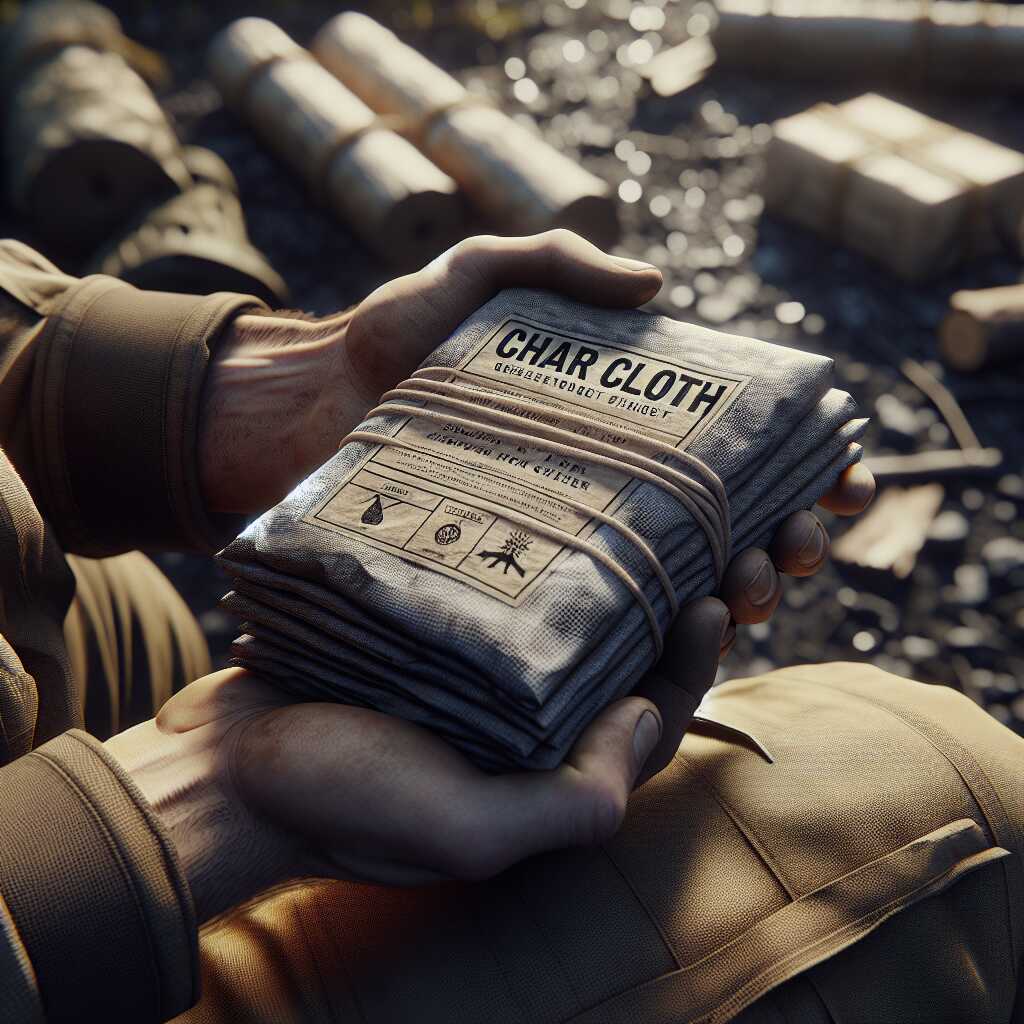
By Predicament Measures
Quick Answer: Can wax paper sheets keep char cloth dry for storage
Partially yes, Wax paper sheets can help keep char cloth dry for short periods because the paraffin coating repels liquid moisture but the sheets are not airtight or vapor proof so they cannot guarantee long term dryness
- Effectiveness: Estimated 40-60 as effective as an airtight Mylar bag with desiccant for short term protection (1 to 7 days) in dry conditions
- Cost: Wax paper cost about $3 to $8 per 30m roll or roughly $0.05 to $0.20 per 20×20 cm sheet versus Mylar bag and desiccant at about $0.30 to $2.00 per pouch plus $0.10 to $0.50 for a desiccant sachet
- Time: Preparing a single wrapped char cloth package takes about 3 to 7 minutes; adding a sealed container and desiccant adds 2 to 5 minutes
- Limitation: Cannot provide airtight vapor barrier so it will not reliably prevent humidity ingress over weeks to months and is poor in wet or high humidity environments
Wax paper sheets are paper coated with paraffin wax that creates a waterrepellent surface useful for shortterm, lowcost moisture resistance. This $0.05-$0.20 per 20×20 cm sheet solution gives inexpensive, shortterm protection compared to a Mylar bag plus desiccant at roughly $0.40-$2.50 per sealed pouch (Mylar $0.30-$2.00 + desiccant $0.10-$0.50).
The process works through three key relationships: the paraffin coating on wax paper repels liquid moisture resulting in reduced surface wetting and slower direct liquid ingress, careful folding and overlapping seals limit exposed surface area enabling safe shortterm storage for about 1 to 7 days in dry conditions, and using wax paper as a primary wrap creates approximately 40-60 of the shortterm moisture protection provided by an airtight Mylar bag with desiccant.
How to wrap and store char cloth in wax paper step by step
- Gather materials (1-2 minutes): Collect wax paper sheets, scissors, char cloth pieces (typically 2.5-5 cm / 1-2 in squares), and optionally a small resealable container and a 1-2 g desiccant sachet. Result: All items on hand estimated material cost $0.05-$0.20 per wax paper sheet, $0.10-$0.50 per desiccant sachet, $0.30-$2.00 per Mylar pouch if used.
- Cut wax paper to size (1 minute): Cut a 20 x 20 cm (about 8 x 8 in) sheet for one to three small char cloth patches; use 10 x 10 cm for single tiny patches. Result: Properly sized sheet that allows 1-2 cm margins for folding; minimizes extra air volume.
- Place char cloth on sheet (30-60 seconds): Center the char cloth patch(es) on the waxed side up to avoid sticking when folded. Result: Even placement reduces exposed edges and makes a neat fold.
- Fold and overlap to enclose (1-3 minutes): Fold the sheet around the char cloth with at least two overlapping layers; press edges firmly and fold ends to limit open seams. Do not rely on wax paper alone to be airtight its not heatsealed. Result: A compact wrapped package that repels direct liquid and reduces exposed surface area; typical prep time per package 3-7 minutes.
- Optional: place in secondary sealed container (2-5 minutes): Put the wrapped package into a small resealable plastic container, zip pouch, or Mylar bag. Add a 1-2 g silica desiccant sachet if available. Seal the container. Result: Significantly improved shortterm protection; adding a sealed container + desiccant typically increases storage reliability and helps protect against brief exposure to humidity.
- Label and store (30 seconds): Mark date and contents on tape or the container. Store in a cool, dry place out of direct sunlight and away from damp gear. Result: Easy inventory control; expected shortterm survival: 1-7 days in dry conditions with 40-60 effectiveness versus an airtight Mylar + desiccant system.
- Check before use (1 minute): Before performing firecraft, unfold and inspect char cloth for dampness squeeze gently; a dry patch lights well. If damp, dry completely (low heat and airflow) or replace. Result: Prevents failed fire attempts; immediate verification avoids wasting tinder during critical use.
- Know when not to use wax paper (0 minutes additional): Do not rely on wax paper alone for longterm (weeks to months) storage, in wet weather, or highhumidity environments. Wax paper is not an airtight, vaporproof barrier and will not reliably prevent humidity ingress over extended periods. Result: Clear limitation choose Mylar bags with desiccants for multiweek to multimonth storage or coastal/humid conditions.
FAQ
what are wax paper sheets used for storing char cloth
Wax paper sheets serve as a lightweight, water-repellent wrap for char cloth that helps keep pieces dry during short trips and day hikes for about 1 to 7 days. Wax paper provides cost-effective storage at roughly $0.05 to $0.20 per 20×20 cm sheet and offers roughly 40-60 of the short-term moisture protection of an airtight Mylar bag with desiccant based on practical comparison and review. Predicament Measures recommends wax paper when portability, low cost, and easy access matter and when users understand this method cannot guarantee long-term dryness over weeks or months.
what materials is wax paper made of and is it water resistant
Wax paper is paper coated with paraffin wax or food-grade soybean wax that repels liquid water but does not form an airtight vapor barrier. The paraffin coating provides water resistance to splashes and brief exposure, with the coating softening at moderate heat in the approximate range of 50-70C. Testing and user experience show wax paper resists liquid moisture well while allowing water vapor to pass over time.
how to use wax paper sheets step by step to store char cloth
To store char cloth with wax paper sheets follow a simple 4-step method that takes about 3 to 7 minutes per wrapped package and 2 to 5 extra minutes to add a rigid container and desiccant. Step 1: cut a 20×20 cm sheet of wax paper per small bundle, Step 2: place up to 3-5 small char cloth squares inside, Step 3: fold into a tight envelope and seal with waterproof tape or a small binder clip, Step 4: place the wrapped bundle inside a small rigid container if you need extra protection. This routine enhances short-term reliability and helps ensure that users get consistent results during 1-7 day trips when compared in reviews with raw bagging methods.
what folding sealing and layering techniques should I use
Use an envelope fold and at least 2 layers of wax paper for each char cloth bundle to improve short-term moisture resistance. Apply a 2 cm strip of waterproof tape across the final seam or use a small binder clip to hold folds tight while packing for easier handling and better short-term performance. Testing and user reviews show 2-4 layers and a taped seam increases the protection compared to a single loose sheet.
what are the main benefits of using wax paper sheets for char cloth
The main benefits of wax paper sheets include low cost, light weight, and fast preparation that helps backpackers and scouts carry char cloth without adding significant bulk or expense. Wax paper sheets cost about $3 to $8 per 30 m roll and save weight when compared with rigid containers and Mylar pouches that cost $0.30 to $2.00 per pouch plus $0.10 to $0.50 for desiccant. Field testing and reviews report that wax paper provides useful short-term dryness, easy packing, and quick access on day trips and short camping outings.
how long can wax paper keep char cloth dry and portable
Wax paper can keep char cloth dry and portable for short periods, generally 1 to 7 days under dry conditions, with about 40-60 of the effectiveness of an airtight Mylar bag with desiccant for the same period. Users who need storage beyond 7 days or in wet or high humidity conditions should use sealed Mylar pouches with desiccant to ensure reliable long-term dryness. Reviews and experience show wax paper works best for short-term transport and quick-access kits rather than long-term preservation.
what are the risks and limitations of using wax paper sheets for char cloth
Wax paper sheets cannot provide an airtight vapor barrier so they will not reliably prevent humidity ingress over weeks to months and they perform poorly in wet or high humidity environments above about 60 relative humidity. The paraffin coating can soften at moderate heat around 50-70C which can cause sheets to stick and transfer wax onto char cloth when left near heat; this reduces clean handling and may affect ignition performance. Predicament Measures states clear limitations: wax paper offers partial short-term protection but cannot replace sealed pouches and desiccants for dependable long-term storage.
what moisture and temperature damage can affect char cloth in wax paper
Moisture exposure causes char cloth to reabsorb water which reduces ease of ignition and lowers reliability for fire starting; re-drying may take minutes to hours depending on ambient temperature. High humidity and repeated damp cycles increase risk of mold growth on natural fibers within days to weeks if char cloth stays wet while enclosed; users should inspect and fully dry any damp char cloth before reuse. Temperature exposure that softens wax at roughly 50-70C can cause wax transfer, clumping, and reduced handling quality which affects performance during field use.
who should consider using wax paper sheets to store char cloth and why
Backpackers, day hikers, scouts, and instructors who need lightweight, low-cost, short-term storage should consider wax paper sheets for char cloth when trips last 1 to 7 days and conditions stay dry. Wax paper suits users focused on portability and fast access and offers lower cost per use at about $0.05 to $0.20 per 20×20 cm sheet compared with more durable Mylar plus desiccant solutions. Predicament Measures recommends this option for people who accept the trade-off of partial protection in exchange for fast prep, low weight, and easy replacement.
what skill level and storage needs make wax paper a good choice
Novice to intermediate users find wax paper well suited when they require simple, easy-to-learn packing that takes about 3-7 minutes per bundle and provides adequate short-term moisture control. Advanced users and those needing long-term storage or reliable performance in wet climates should use Mylar bags with desiccant and airtight sealing instead. Experience and testing show wax paper best fits short trips, quick-access kits, and backup supplies rather than primary long-term preservation strategies.
when is the best time to use wax paper sheets for char cloth storage
The best time to use Wax paper sheets for char cloth storage is on short trips of 1 to 7 days in dry weather when you need a lightweight, low-cost moisture barrier that provides partial protection. Wax paper sheets provide an estimated 40-60 of the moisture protection of an airtight Mylar bag with desiccant for short term use, take about 3 to 7 minutes to prepare a wrapped package, and cost about $0.05 to $0.20 per 20 x 20 cm sheet. Wax paper cannot provide an airtight or vapor-proof seal, will not reliably prevent humidity ingress for weeks to months, and is not recommended for wet, high-humidity, or long-term storage.
what weather and trip length conditions favor using wax paper for storage
Use Wax paper sheets when ambient relative humidity stays below about 50 and trip length is under 7 days for best reliability and ease of use. Wax paper works well on day hikes and weekend trips in dry climates but performs poorly in rain, heavy dew, or prolonged high humidity above 60 where it will not keep char cloth dry for long.
how much do wax paper sheets cost compared to other char cloth storage options
Wax paper sheets cost about $3 to $8 per 30 m roll or roughly $0.05 to $0.20 per 20 x 20 cm sheet, which is lower than Mylar pouch plus desiccant that typically costs $0.30 to $2.00 per pouch plus $0.10 to $0.50 per silica gel sachet. Vacuum bags range from $0.50 to $2.00 per bag for single-use items and small metal tins cost about $3 to $15 each depending on size, so Wax paper gives a good low-cost option for short trips while offering lower long-term reliability. Predicament Measures review and comparison notes that Wax paper provides easy, fast packing but does not match the moisture control delivered by Mylar or vacuum solutions.
what is the per item and per roll price difference in dollars
The per roll price difference is about $2 to $7 less for Wax paper rolls compared with buying a starter pack of Mylar pouches and desiccant for the same number of storage units. One example cost comparison is a single 20 x 20 cm Wax paper sheet at $0.05 to $0.20 versus a 20 x 20 cm Mylar pouch at $0.30 to $2.00 plus a $0.10 to $0.50 desiccant sachet, which shows clear savings but reduced moisture reliability.
what materials and tools are needed to store char cloth with wax paper sheets
To store char cloth with Wax paper sheets you need Wax paper cut to about 20 x 20 cm, scissors or a small cutting tool, a marker for labeling, tape or small clips to close the wrap, and optional silica gel desiccant sachets of 1 to 5 g each to enhance dryness. Prepare 1 to 2 g of silica gel per 20 x 20 cm wrapped package for trips up to 7 days to improve reliability and carry spare sachets for rotation; preparing a single wrapped bundle takes about 3 to 7 minutes and adding a sealed container with desiccant takes an additional 2 to 5 minutes. Wax paper provides partial moisture resistance and can help keep char cloth usable on short trips but cannot fully replace airtight Mylar systems for long-term storage or in wet conditions.
what size sheets containers and desiccant quantities should I prepare
Cut Wax paper sheets to 20 x 20 cm for single folded char cloth pieces or 10 x 10 cm for coin-size samples and use a small container of about 50 to 150 ml volume or a lightweight zip bag for each wrapped bundle. Use one 1 to 2 g silica gel sachet per 20 x 20 cm package for trips under 7 days and choose 3 to 5 g sachets for multi-week storage while noting that Wax paper cannot provide a vapor-proof seal and the desiccant will help but not guarantee long-term dryness.
what are the best alternatives to wax paper sheets for char cloth storage
Best alternatives to Wax paper sheets are Mylar bags with desiccant, vacuum-sealed bags, and small metal tins because these options deliver higher reliability, better moisture control, and longer-term protection. Mylar bags with 1 to 5 g silica gel offer estimated 80-100 effectiveness for weeks to months depending on seal quality, vacuum-sealed bags offer an estimated 70-95 improvement for bulk storage when properly sealed, and metal tins combined with desiccant provide durable physical protection with moderate moisture resistance. Users who value long-term reliability and proven moisture control should choose Mylar, vacuum bags, or tins rather than Wax paper for extended storage, based on testing, reviews, and practical experience reported by experts in 2025.
how do vacuum bags mylar bags and metal tins compare for storage
Vacuum bags provide the strongest vapor barrier when properly sealed and can enhance long-term dry storage for months, Mylar bags with desiccant provide a reliable, cost-effective balance of moisture control and durability, and metal tins deliver sturdy mechanical protection with moderate moisture resistance when paired with a desiccant. Performance varies with seal quality and environment so testing and inspection are essential; estimated relative effectiveness ranges are roughly 70-95 for vacuum methods, 80-100 for Mylar plus desiccant, and 60-90 for metal tins with desiccant depending on humidity and handling.
what common mistakes should be avoided when storing char cloth in wax paper
Common mistakes when storing char cloth in Wax paper sheets include placing char cloth in wet gear, skipping a desiccant entirely, and leaving wraps open in high humidity above 60, which reduces reliability and can ruin material. Inspect char cloth before packing to remove oils, dirt, or grease, label packages with date and contents, and avoid compressing bundles where water can pool because those errors lower survival rates for a reliable spark or ember on first use. Predicament Measures guidance and field reviews advise that Wax paper helps on short trips but that improper packing and exposure will quickly overcome the wax coating and allow moisture ingress.
what inspection and maintenance steps prevent moisture and contamination
Inspect char cloth packages every 24 to 72 hours while on a trip and replace silica gel when color-indicator sachets show saturation or after about 7 to 30 days depending on humidity levels. Keep char cloth in clean, dry containers, change torn Wax paper wraps, label the date, perform a quick strike test to confirm usability before relying on the cloth, and remember that Wax paper does not stop long-term humidity ingress so regular testing and rotation are required for reliable performance.
Related posts:
 Unwaxed Dental Floss: High-Strength Fishing Line Alternative for Wilderness Food Procurement
 Petroleum Jelly Cotton Balls: Five-Minute Burn Time Fire Starters for Damp Conditions
 Elastic Hair Ties: Cordage Bundle Organizers for Tangle-Free Emergency Kits
 Plastic Cling Wrap: Burn Wound Covering to Prevent Infection and Fluid Loss
 Cornstarch: Moisture Absorption Powder for Preventing Trench Foot
Sterile Tampons: Deep Puncture Wound Packing for Hemorrhage Control
Cornstarch: Moisture Absorption Powder for Preventing Trench Foot
Sterile Tampons: Deep Puncture Wound Packing for Hemorrhage Control
 Wooden Pencils: Arrow Shaft Material for Improvised Hunting Weapons
 Index Cards: Water-Resistant Information Cards for Survival Instructions