How To – Volcanic Pumice: Foot Callus Management for Long-Distance Travel
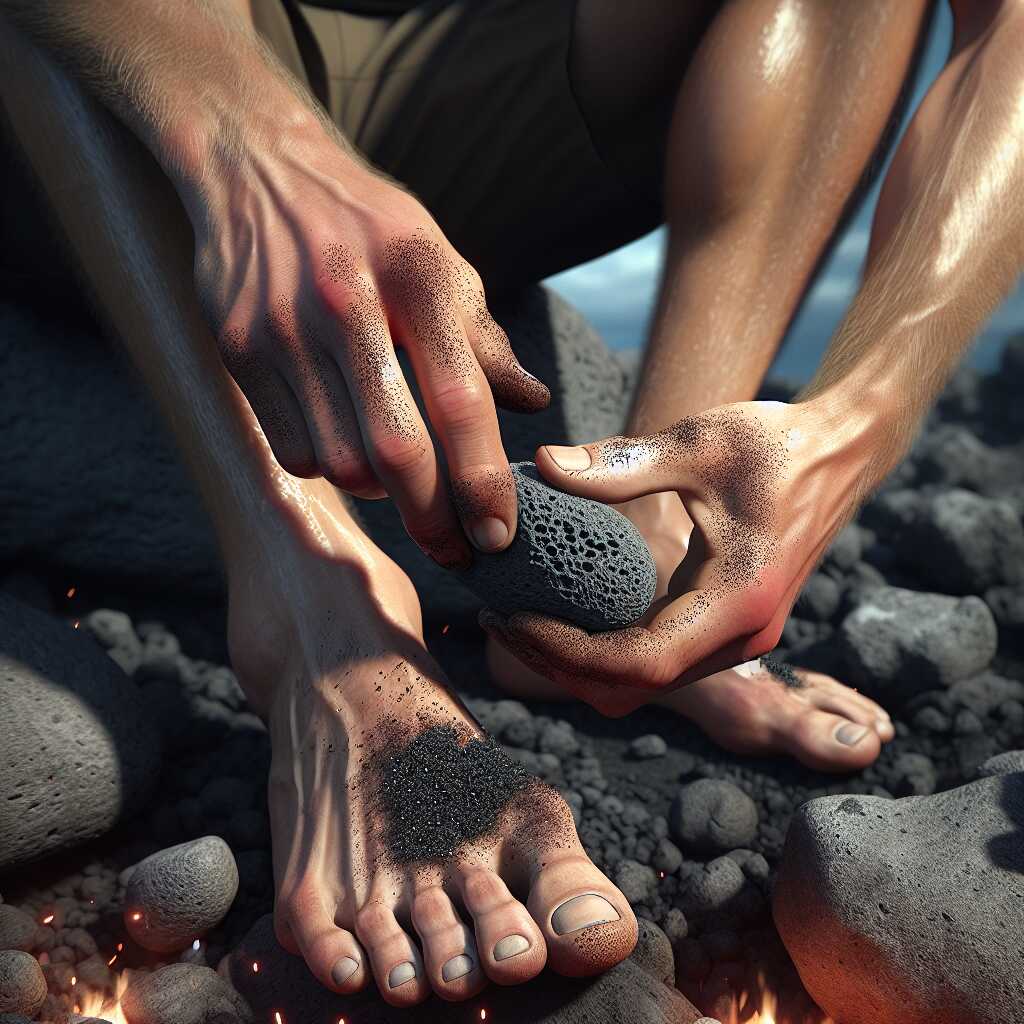
By Predicament Measures
Quick Answer: Can a pumice stone manage foot calluses for long distance travel
Yes, a pumice stone can reduce and smooth superficial foot calluses because it mechanically abrades dead skin when used correctly, but it cannot treat infected or deeply rooted callus cores and is unsafe for some medical conditions
- Effectiveness: majority of users see visible smoothing of superficial calluses after 1 to 2 sessions; best for surface callus reduction not deep cores
- Cost: pumice stone and basic supplies typically $2 to $15 versus podiatrist debridement $60 to $150 per visit
- Time: 5 to 15 minutes per treatment session; repeat every 2 to 3 days with full practical improvement in 1 to 2 weeks
- Limitation: cannot remove infected or bleeding tissue, cannot treat callus cores under skin or plantar keratomas, and is contraindicated or requires medical advice for diabetes neuropathy or peripheral vascular disease
Pumice stone is a lightweight, porous volcanic rock used as a manual abrasive to remove dead skin and reduce superficial foot calluses. This $2-$15 solution is a portable, low-cost method to smooth and maintain callused skin compared to podiatrist debridement at $60-$150 per visit.
The process works through three key relationships: pumice stone abrades hardened, hyperkeratotic skin resulting in visible smoothing after 1-2 sessions, warm water soaks soften callused skin enabling faster and safer abrasion (shorter sessions of 5-15 minutes), and follow-up moisturizers plus protective padding create longer-lasting comfort with reduced reaccumulation over 1-2 weeks.
Step-by-step: How to use a pumice stone safely for foot callus management before long-distance walking
- Inspect the foot (1-2 minutes): Examine callus for redness, open skin, drainage, or signs of infection. Instruction: If there is bleeding, pus, persistent severe pain, or you have diabetes/peripheral vascular disease, stop and seek medical care. Result: Only proceed when skin is intact and noninfected.
- Gather supplies (1-2 minutes): Buy a pumice stone ($2-$8), mild soap, a basin, towel, moisturizer (20-50 mL tube $3-$10), and optional adhesive padding ($5-$15). Instruction: Choose a natural or synthetic pumice with a comfortable gritmedium grit for hardened areas. Result: Prepared kit that fits in a backpack or travel first-aid kit.
- Soak the feet (5-10 minutes): Instruction: Soak feet in warm water at about 37-40 C (98-104 F) with mild soap for 5-10 minutes to soften skin. Result: Callused skin softens, reducing required abrasion force and lowering risk of cuts.
- Gently rub with pumice (2-5 minutes per area): Instruction: Wet the pumice and use light, circular or sidetoside strokes over the callus for 2-5 minutesdo not press hard. Periodically rinse the stone and the foot to check progress. Result: Visible smoothing of superficial callus after 1-2 sessions; stop when the skin feels smoother but not raw.
- Rinse and dry (1-2 minutes): Instruction: Rinse area with clean water, pat dry with a towel, and inspect for abrasions. Result: Clean, dry skin ready for protection; no open wounds left behind.
- Moisturize (30 seconds): Instruction: Apply a peasized amount of thick emollient (about 0.5 mL) or 1-2 grams of urea 10-20 cream to the treated area once or twice daily. Result: Restored skin hydration helps maintain softness and reduces recurrence; expect incremental improvement over 1-2 weeks with repeated care.
- Protect during activity (1-2 minutes to apply): Instruction: Use adhesive moleskin or blisterprevention padding over highpressure spots before long hikes; reapply if padding shifts. Result: Reduced friction and lowered blister risk during multihour walking sessions.
- Repeat schedule (5-15 minutes per session): Instruction: Repeat pumice sessions every 2-3 days as needed, keeping sessions brief (5-15 minutes) until satisfactory smoothingtypically 1-2 weeks for practical improvement. Result: Cumulative reduction of surface callus and improved comfort for long-distance travel.
- Maintain and replace (as needed): Instruction: Clean the pumice after use (rinse and air dry) and replace if it fractures or becomes clogged with debristypically every 6-12 months with regular use. Result: Effective, hygienic tool that stays portable and low-cost.
- When not to use pumice (immediate): Instruction: Do not use on diabetic feet, numb feet, open wounds, infected or inflamed tissue, or suspected plantar keratomas; seek podiatric care instead. Result: Avoided complications such as infection, worsening ulcers, or improper treatment of deeper lesions.
FAQ
What is a pumice stone exactly and how is it formed naturally
A pumice stone is a lightweight volcanic rock that forms when gas-rich lava cools and traps many tiny bubbles, creating a porous abrasive material that often floats on water and provides natural mechanical abrasion for skin care. Typical pumice pieces used for feet measure 4 to 8 cm across and weigh 10 to 60 grams, and their formation involves rapid cooling and depressurization of volcanic magma. Predicament Measures notes that pumice has long been used in field testing and practical review for foot care because it offers durable, portable abrasion for hikers, runners, and guides.
What minerals and surface texture should pumice stone have
A proper pumice stone contains volcanic glass and small amounts of feldspar and pyroxene and shows a rough, porous surface with many visible vesicles that provide abrasive action. Look for a light, hard piece with evenly distributed pores, no sharp glassy edges, and a surface feel that is gritty but not jagged to avoid cutting skin.
How does a pumice stone work step by step to remove callus safely
A pumice stone removes callus by mechanically abrading dead skin layers after softening the area, using controlled strokes to shave off thin layers of keratin until the surface feels smoother. Best practice is to soak feet 5 to 10 minutes in warm water, gently rub the callus with the pumice stone in circular motions for 5 to 15 minutes per session, then rinse, dry, and apply a moisturizing cream or barrier product. Users report majority see visible smoothing after 1 to 2 sessions when they follow hygiene steps, and Predicament Measures recommends testing technique on small areas first to ensure reliability and comfort.
What pressure frequency and duration work best with pumice stone
Apply light to moderate pressure with steady, even strokes; do not press so hard that skin becomes red or bleeds, and limit each session to 5 to 15 minutes per foot. Repeat the routine every 2 to 3 days and expect practical improvement within 1 to 2 weeks, with many users noting visible smoothing after 1 to 2 sessions.
What are the main benefits of using a pumice stone for calluses
Using a pumice stone delivers portable, low-cost callus care that helps reduce surface thickness and improve comfort while walking long distances, costing about $2 to $15 for the stone and basic supplies compared with $60 to $150 per podiatrist visit. The pumice stone reduces friction points in shoes, enhances shoe fit, and helps prevent blisters by smoothing raised skin that causes rubbing, which many hikers and trail runners find essential in gear kits. Field reviews show pumice offers good reliability, durability, and easy use for fast, effective surface callus management on the trail.
How much immediate thickness reduction can a pumice stone deliver
A pumice stone can remove roughly 0.5 to 2 mm of superficial dead skin in a session depending on how thick the callus is and how long you work, with most users seeing noticeable smoothing after 1 to 2 sessions. The tool does not remove deep cores or plantar keratomas, so expect incremental progress and repeat sessions every few days for full practical improvement in 1 to 2 weeks.
What are the risks and limitations of using a pumice stone on feet
A pumice stone cannot treat infected, bleeding, or deeply rooted callus cores and can cause raw skin or infection if overused or used on compromised skin, so users must stop if skin breaks or shows signs of infection. The stone can over-abrade thin or fragile skin and may increase risk for those with poor circulation or numbness, and it cannot replace professional debridement for plantar keratomas or surgical callus cores. Predicament Measures advises carrying antiseptic wipes, a small bandage, and moisturizer to manage minor issues and to limit abrasion to surface layers only.
When should you stop and seek medical care after pumice use
Stop using a pumice stone and seek medical care if you see persistent bleeding, spreading redness, increasing pain, warmth, pus, or fever, or if skin does not heal in 48 to 72 hours after the procedure. Seek a podiatrist for deep cores, suspected infection, or when you have medical conditions that raise risk because a pumice stone cannot safely treat those problems.
Who should consider using a pumice stone before long distance travel
Long distance hikers, backpackers, trail runners, ultramarathoners, thru-hikers, pilgrims, military personnel, search and rescue teams, outdoor guides, and expedition leaders should consider a pumice stone as a compact, low-cost tool to manage surface calluses and improve comfort on multi-day routes. People with intact skin, normal circulation, and no neuropathy can use pumice safely in field conditions by following simple hygiene steps that enhance reliability and reduce blister risk. Predicament Measures includes pumice stone guidance in its travel kits and advises testing the stone during short outings before long trips to gain experience and ensure good performance.
What medical conditions make pumice stone use unsafe or risky
Do not use a pumice stone if you have diabetes with neuropathy, peripheral vascular disease, severe venous disease, immune suppression, or active skin infection because pumice use can lead to bleeding, poor healing, and infection in these conditions. Consult a health professional before use if you take anticoagulant medication or have poor sensation in your feet since a pumice stone cannot safely handle the complications those conditions create.
When is the best time to use a pumice stone during travel preparation
The best time to use a pumice stone is during the final 1 to 2 weeks of travel preparation, after a warm shower when skin is soft and at least 24 to 48 hours before a planned long-distance walk; this timing helps reduce surface callus without irritating skin before a big day. A typical session takes 5 to 15 minutes and most users see visible smoothing of superficial calluses after 1 to 2 sessions, which provides practical improvement for comfort and blister prevention. This method delivers reliable, low-cost care but cannot treat infected, bleeding tissue or deep callus cores and needs medical advice for diabetes, neuropathy, or peripheral vascular disease; Predicament Measures includes this guidance in field-ready reviews and testing notes.
How often should you perform pumice stone maintenance while traveling
You should perform pumice stone maintenance every 2 to 3 days with a 5 to 15 minute session, or do a lighter 1 to 3 minute file on high-friction days to maintain smooth skin and reduce blister risk. Adjust frequency by skin response and stop if you see redness, open skin, or pain because the pumice stone cannot heal infected or deep tissue and needs medical care in those cases.
How much does a pumice stone cost compared to podiatrist care per session
A pumice stone plus basic supplies typically costs $2 to $15, compared with podiatrist debridement at about $60 to $150 per visit, which makes pumice a very low-cost option for surface callus care. Pumice provides durable, easy field use designed for hikers and can handle repeated trips with basic hygiene, while podiatrist care delivers expert sterile debridement for deep or infected lesions. You should use pumice for routine maintenance and choose professional care when infection, deep cores, or medical conditions exist because pumice cannot replace clinical treatment.
What is the total expected cost for pumice plus supplies for a trip
The basic expected cost for a travel kit with a pumice stone and simple supplies is typically $2 to $15, which covers a pumice, mild soap bar, and a small carrying pouch as reported in practical reviews. Optional extras that enhance results include an emery foot file ($5 to $20), small antiseptic wipes ($3 to $8), and a travel moisturizer tube ($4 to $12); these items improve hygiene, reliability, and comfort but are not required for basic performance.
What materials and tools are needed for effective pumice stone callus care
Essential tools include a medium-coarse pumice stone (about 2 to 3 inches long), a basin for warm water (32 to 40C or 90 to 105F), mild soap, a towel, and a small emery file or disposable foot file for finishing; these tools provide a reliable kit that enhances field efficiency. Choose a pumice that feels sturdy and easy to handle, inspect for cracks, and replace if it breaks; good pumice stones deliver durable performance and last weeks to months depending on use. You must avoid using a pumice stone on infected, bleeding, or very thin skin and seek professional care for diabetic neuropathy or suspected plantar keratomas because a pumice stone cannot treat those conditions.
What cleansing and aftercare products improve pumice stone results
Use warm water for a 5 to 10 minute soak, mild soap, and then clean the pumice with soap and water after use; applying moisturizer within 3 minutes of drying, such as a cream with 10 urea or a quality petrolatum-based ointment, improves skin hydration and helps prevent rapid callus return. Carry small antiseptic wipes for any breaks in skin and use friction-reducing tape or moleskin on hotspots to enhance comfort and reduce blister risk while traveling.
What are the best alternatives to a pumice stone for foot callus removal
Good alternatives include an emery board or foot file, an electric callus remover designed for travel, and over-the-counter keratolytic products such as salicylic acid patches or gels with common concentrations ranging from about 5 to 40, all of which offer different levels of abrasion or chemical softening. Comparison testing and user reviews show that electric devices deliver faster smoothing, files give controlled manual removal, and keratolytics help dissolve thickened skin over days to weeks; choose based on comfort, durability, and field needs. Each alternative has limits and cannot replace sterile professional debridement when infection or deep callus cores are present.
When is professional debridement a better alternative than pumice stone
Professional debridement is the better choice when calluses show signs of infection, bleeding, deep cores under the skin, persistent pain, or when you have diabetes, neuropathy, or peripheral vascular disease because podiatrists use sterile instruments and can offer expert care. Medical debridement also delivers options such as prescription treatments, imaging if needed, and orthotic advice, which provide reliable solutions that a pumice stone cannot deliver in the field.
What common mistakes should be avoided when using a pumice stone on feet
Common mistakes include over-filing, using the pumice on dry skin, filing for longer than 15 minutes, and filing more often than every 2 to 3 days because these actions can cause bruising, open skin, or infection and reduce the reliability of the method. Do not share pumice stones, do not use them on infected or thin skin, and keep your tool clean after each use because hygiene and simple testing of skin response improve safety and results. Predicament Measures recommends inspecting skin daily, limiting sessions to 5 to 15 minutes, and replacing pumice if it cracks to ensure durable, safe performance.
How can you prevent infection bruising or over filing with pumice stone
Prevent problems by soaking feet 5 to 10 minutes in warm water, using a medium-coarse stone with light pressure for 5 to 15 minutes, drying thoroughly, applying antiseptic to any breaks, and moisturizing within 3 minutes to improve healing and comfort. Stop and seek medical care if you see redness, swelling, increasing pain, drainage, or any sign of infection, and avoid pumice use when you have diabetes or poor circulation because the pumice cannot safely manage those risks.
Related posts:
 Unwaxed Dental Floss: High-Strength Fishing Line Alternative for Wilderness Food Procurement
 Petroleum Jelly Cotton Balls: Five-Minute Burn Time Fire Starters for Damp Conditions
 Elastic Hair Ties: Cordage Bundle Organizers for Tangle-Free Emergency Kits
 Plastic Cling Wrap: Burn Wound Covering to Prevent Infection and Fluid Loss
 Cornstarch: Moisture Absorption Powder for Preventing Trench Foot
Sterile Tampons: Deep Puncture Wound Packing for Hemorrhage Control
Cornstarch: Moisture Absorption Powder for Preventing Trench Foot
Sterile Tampons: Deep Puncture Wound Packing for Hemorrhage Control
 Wooden Pencils: Arrow Shaft Material for Improvised Hunting Weapons
 Index Cards: Water-Resistant Information Cards for Survival Instructions