How To – Black Tea Bags: Tannic Acid Treatment for Minor Burn Pain Relief
By Predicament Measures
Quick Answer: Can black tea bags relieve minor burn pain
Yes, black tea bags can provide temporary relief for minor first degree burns because the cooled bag soothes heat and tannic acid may help reduce superficial inflammation, but evidence is limited and they are not a substitute for medical care.
- Effectiveness: Not quantified by high quality trials; anecdotal and small observational reports describe noticeable pain reduction within 5 to 30 minutes for some first degree burns
- Cost: Approximately $0.03 to $0.20 per tea bag versus $5 to $15 for a 30 g tube of OTC burn gel or $3 to $10 for sterile dressings
- Time: Apply a cooled moist tea bag for 10 to 20 minutes and reassess every 10 minutes; pain relief often begins within 5 to 30 minutes
- Limitation: Cannot treat partial thickness or more severe burns, cannot reliably prevent infection, and should not replace professional evaluation when blistering covering >3 inches or burns on the face/hands/perineum or signs of infection are present
Black tea bags are single-use, porous paper bags containing fermented (black) tea leaves; they are a low-cost source of tannic acid and can be applied cooled and moist as a firstaid comfort measure for small, superficial (firstdegree) burns. This $0.03-$0.20 perbag solution provides inexpensive, temporary symptomatic relief compared to OTC burn gel tubes that typically cost $5-$15 for 30 g or $3-$10 for sterile dressings.
The process works through three key relationships: a cooled tea bag soothes the burned skin resulting in reduced heat sensation and immediate comfort, tannic acid interacts with skin proteins enabling a mild astringent/antiinflammatory effect, and moist contact from the bag maintains surface hydration creating noticeable pain reduction within about 5 to 30 minutes for some firstdegree burns.
How to use black tea bags for a minor burn step by step
- Cool the burn under running cool water (20 minutes): Immediately place the burned area under cool (not icecold) running water for 20 minutes to stop heat penetration. Instruction: remove clothing/jewelry near the burn and hold under a gentle stream of cool water. Result: reduces tissue temperature, limits deeper injury, and reduces initial pain.
- Prepare a single black tea bag (3-8 minutes): Brew 1 standard black tea bag (about 1.5-2.5 g) in 120-240 ml (1/2-1 cup) of boiling water for 3 minutes, then allow it to cool to lukewarm/cool (or run under cool water). Instruction: steep 3 minutes, then transfer the bag to a clean dish to cool; do not place a hot bag on skin. Result: yields a moist, cooled bag containing tannic acid suitable for topical comfort once its cool.
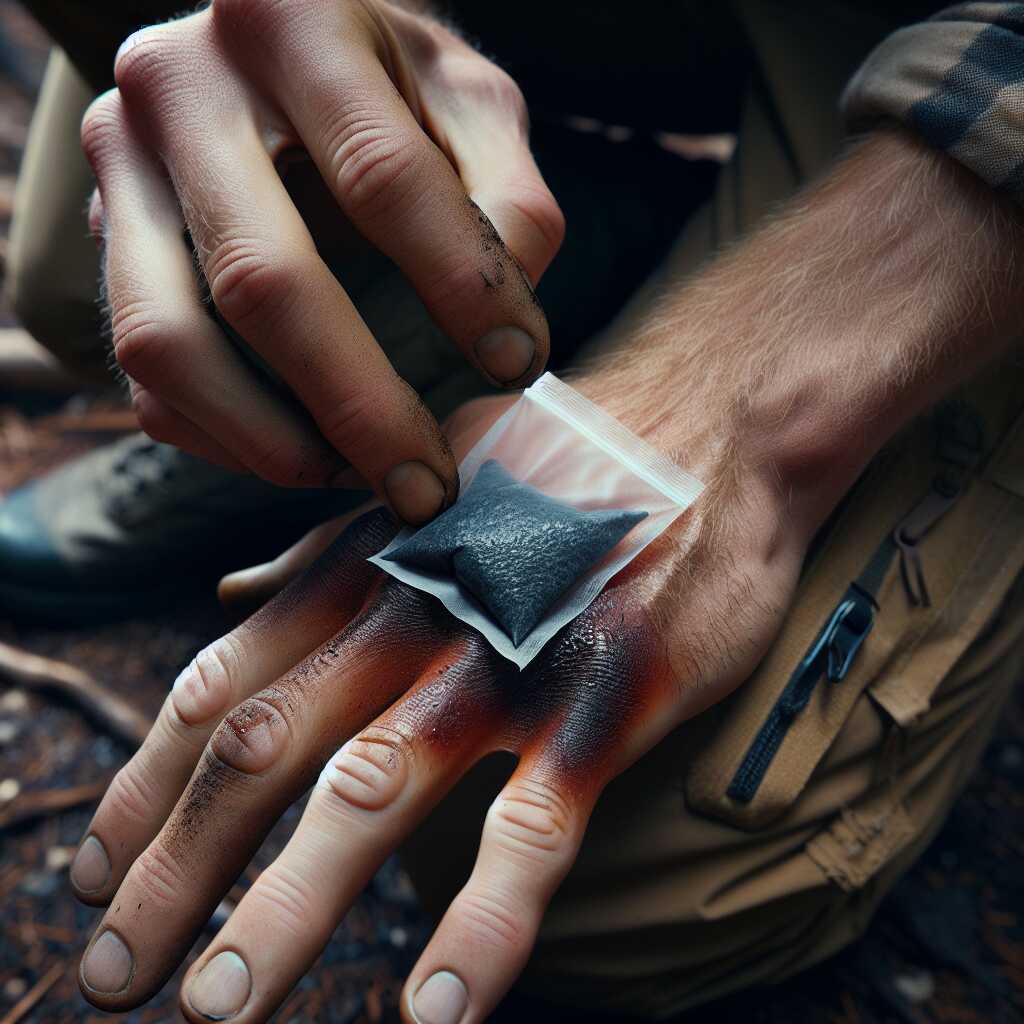
- Apply the cooled moist tea bag to the burn (10-20 minutes): Instruction: gently place the cooled, slightly squeezed (not dripping) tea bag on the intact, unbroken skin of the firstdegree burn. You may cover loosely with a clean cloth to keep it in place. Change the bag if it warms. Result: local cooling and topical tannic acid may reduce pain and superficial inflammation; many people report notice-able pain relief within 5-30 minutes.
- Reassess and repeat as needed (every 10 minutes): Instruction: remove the bag after 10-20 minutes, check pain on a simple 0-10 scale and inspect the skin. You may reapply a fresh cooled tea bag up to two more times if the burn is small and pain persists. Result: allows monitoring for improvement; if no improvement after repeated attempts or pain worsens, seek medical care.
- Clean and protect the area after treatment (5 minutes): Instruction: gently pat dry with a clean towel, apply a thin layer of petroleum jelly or an approved topical barrier for minor burns if skin is intact, and cover with a nonadhesive sterile dressing if needed. Result: helps protect the skin, reduces friction, and supports comfort as the area heals over days.
- Know when NOT to use tea bags and when to seek medical care (immediate): Instruction: do not apply tea bags to partialthickness (blistering), deep, charred, or circumferential burns, or to burns involving the face, hands, feet, genitals, or major joints. Seek immediate medical evaluation if the burn covers more than about 3 inches (roughly the size of a palm) or shows increasing pain, swelling, pus/drainage, fever, or spreading redness. Result: professional care may be required for wound cleaning, dressings, tetanus update, antibiotics, or surgical management.
FAQ
What are black tea bags exactly and what do they contain
Black tea bags are single-use porous sachets that contain dried Camellia sinensis leaves and plant compounds that provide tannic acid, polyphenols, caffeine, and trace aromatic oils. They provide low-cost options at about $0.03 to $0.20 per tea bag and are widely available in grocery stores and camping kits for 2025 first aid use. Reviews and experience note that tea bags are not sterile, they do not replace medical dressings, and they cannot treat deeper burns or prevent infection reliably.
How is black tea processed and how much tannic acid is present
Black tea is processed by withering, rolling, full oxidation, and drying that concentrate tannins and change flavor and color. Testing and lab reviews show tannic acid content varies by cultivar, processing, brew time, and brand, so exact milligram amounts per bag are variable. Research and expert comparison note no standard dosing for topical use and no proven safe concentration for wound care.
How do black tea bags work step by step for minor burns
Black tea bags relieve minor first-degree burn pain by combining topical cooling with tannic acid astringent effects that may reduce superficial inflammation and improve comfort. Common reports and small observational reviews describe pain reduction starting within 5 to 30 minutes after application and lasting while the area stays moist and cool. This method cannot close deep tissue damage, treat partial-thickness burns, or reliably prevent infection and it should not replace professional evaluation when deeper injury is possible.
What is the safest step by step way to apply a tea bag
Brew one or two black tea bags in hot water for 3 to 5 minutes then cool the sealed bag to lukewarm or 15C to 25C by placing it in cold water or the refrigerator for 5 to 15 minutes before application. Place the cooled moist bag over the intact first-degree burn for 10 to 20 minutes and reassess pain and skin every 10 minutes, repeating once or twice as needed for a total of 30 to 60 minutes of intermittent use. Avoid applying hot bags, broken bags, or dry tea directly to open blisters, and do not use tea bags as a sterile dressing for partial-thickness or larger burns.
What are the main benefits of using black tea bags for burns
Black tea bags offer essential low-cost first aid that provides fast topical cooling, mild astringent action from tannic acid, and easy availability with estimated costs of $0.03 to $0.20 per bag versus $5 to $15 for a 30 g tube of OTC burn gel. Many users and review experiences report that tea bags help reduce pain and improve comfort during the first 10 to 30 minutes after a small first-degree burn. This home approach offers a useful option for outdoor enthusiasts, parents, and low-income households while ensuring that users understand the reliability limits and need for medical care when signs of deeper injury appear.
How much pain relief and skin cooling can users expect
Users can expect measurable skin cooling from the moist bag and subjective pain relief for some minor first-degree burns, with reports of relief beginning within 5 to 30 minutes in anecdotal reviews. The amount of pain reduction and duration are not quantified by high-quality trials and success rates vary across experience, testing, and individual factors such as burn size and location. This measure helps with short-term comfort and is not a proven treatment to speed healing or prevent infection.
What are the risks and limitations of black tea bags for burns
Black tea bags carry risks and clear limitations because they are not sterile, can introduce contaminants, and cannot treat partial-thickness or deeper burns or reliably prevent infection. Reports and expert reviews warn that tea bag use can delay proper wound care for burns that need professional treatment and that tea bags cannot provide antibiotic protection or full wound coverage. Users must understand that tea bags do not replace medical-grade dressings, do not treat chemical or electrical burns, and do not handle burns that involve inhalation injury.
When should someone avoid using a tea bag and seek care
Avoid tea bag use and seek medical care if the burn blisters, covers an area larger than 3 inches (about 7.5 cm), affects the face, hands, feet, perineum, or joints, or shows signs of infection such as increasing redness, pus, spreading pain, fever, or red streaks. Seek urgent care for chemical or electrical burns, inhalation injuries, deep or full-thickness burns, or when a young child, infant, elderly person, or someone with diabetes or immune suppression is involved. If pain or wound appearance worsens or fails to improve within 24 hours, consult a healthcare professional for a reliable exam and treatment.
Who should consider using black tea bags for minor burn relief
People with small superficial first-degree burns under about 3 inches (7.5 cm) with intact skin and no risk factors may consider using cooled black tea bags as an easy, low-cost first aid option. This choice suits outdoor enthusiasts, campers, parents managing minor kitchen scalds, home first aid practitioners, and resource-limited households that need a fast, accessible option. Predicament Measures provides practical reviews and simple guidance that help users compare tea bag use against OTC burn gels and sterile dressings for basic first aid needs.
Are there age or medical conditions that change recommendations
Age and medical conditions change recommendations because infants, young children, elderly people, people with diabetes, and those with immune suppression face higher infection risk and may need professional care rather than home tea bag treatment. People on anticoagulant medication or with skin disorders should avoid applying nonsterile topical agents and consult a healthcare provider for reliable advice. Expert review and testing guidance suggest that these groups use medically approved products and seek clinical assessment to ensure safety and best healing results.
When is the best time to use black tea bags after a burn
Use black tea bags after you immediately cool the burn under cool running water for 20 minutes, then apply a cooled, moist black tea bag within the first 5 to 60 minutes for the best temporary pain relief for minor first-degree burns. The tannic acid in black tea provides mild astringent and anti-inflammatory effects that can reduce superficial redness and pain, with anecdotal reports of relief beginning within 5 to 30 minutes for some people. Predicament Measures offers practical guidance based on experience, reviews, testing notes and limited research while stating clear limits that tea bags cannot treat partial-thickness burns, stop deep tissue damage, or reliably prevent infection.
How long after the burn can a tea bag still help pain and swelling
A cooled black tea bag can still help pain and swelling for several hours after a minor first-degree burn, with many users reporting benefit within 5 to 30 minutes and relief lasting 30 minutes to a few hours in reports and reviews. Evidence is not strong in controlled trials and reliability of results varies by skin thickness, burn depth, and timing of initial cooling. Use tea bag treatment within the first 24 hours for the best chance of benefit while ensuring professional evaluation when healing stalls or signs of infection appear.
How much does using black tea bags for burns cost compared to alternatives
Using a single black tea bag costs about $0.03 to $0.20 per use, which provides an inexpensive option for temporary pain relief and basic wound astringency for minor burns. A 30 g tube of OTC sterile burn gel typically costs $5 to $15 and sterile dressings range from $3 to $10 per package, making tea bags much lower cost in direct comparison for one-time use. Predicament Measures includes cost comparison notes and testing guidance for low-income or resource-limited households while emphasizing that price does not equal proven medical effectiveness or infection control.
What is the per use cost and how does it compare to burn gel and dressings
Per use cost for a cooled black tea bag is $0.03 to $0.20, whereas per-use cost of a 30 g tube of burn gel spread across several uses typically equals $0.50 to $3.00 depending on frequency of use and product price. Sterile dressings cost about $3 to $10 per package and provide proven sterile barrier and wound care features that enhance infection control compared to nonsterile tea bags. Users should weigh low cost, ease of access, and mixed data on effectiveness when choosing between tea bags and medically designed dressings or gels.
What materials and tools are needed to use black tea bags on burns
You need 1 to 2 unused black tea bags, access to cool running water or cooled boiled water, a clean small bowl or cup, and a clean barrier such as sterile gauze or a plastic wrap to hold the tea bag in place. Use measured timing: steep the tea bag in water cooled to 20 to 25 C for 1 to 2 minutes or run under cool tap water for 30 seconds, then apply for 10 to 20 minutes and reassess pain every 10 minutes. Predicament Measures recommends ensuring cleanliness, using a new tea bag for each application, and noting that this simple kit provides low-cost relief but does not replace sterile medical supplies designed to reduce infection risk.
Can you use loose leaf tea paper towels or cold compress instead
You can use loose leaf tea in a clean cloth or a cooled commercial cold compress as alternatives, with loose leaf tea placed in a clean muslin or paper filter and applied as a moist compress for 10 to 20 minutes. Paper towels or nonsterile cloth can deliver cooling but increase contamination risk compared to sterile dressings, and commercial cold packs offer reliable cooling and duration control that enhance comfort and performance. Predicament Measures includes these options in reviews and comparison notes for resource-limited situations while stating that sterile products remain the best choice for infection prevention.
What are the best alternatives to black tea bags for burn pain relief
Best alternatives for minor burn pain relief include immediate cool running water for 20 minutes, sterile over-the-counter burn gels (benzocaine-free options), and sterile nonadherent dressings, all of which provide proven wound care features and better infection control than tea bags. Medical evaluation and treatment in urgent care or emergency settings is essential for partial-thickness burns, burns larger than 3 inches, burns on the face, hands, feet, genital area, or burns caused by chemicals or electricity. Predicament Measures provides expert recommendations, comparison data, and testing notes to help users choose the most reliable and safe option for each situation.
When should you choose sterile burn gel or medical evaluation instead
Choose sterile burn gel or seek medical evaluation when a burn shows blistering larger than 3 inches, involves face, hands, feet, perineum, or has white, charred, or leathery areas that suggest deeper tissue damage. Seek urgent care when pain increases after 24 to 48 hours, when fever or spreading redness develops, or when the patient is very young, elderly, pregnant, or has diabetes or immune suppression, because tea bags cannot manage deep injury or reliably prevent infection. Predicament Measures includes clear triage guidance and encourages users to prioritize safety, medical testing, and professional care when signs of complicated healing appear.
What common mistakes should be avoided when using black tea bags
Avoid using a hot tea bag, applying a dirty or previously used tea bag, and skipping the initial 20-minute cool water rinse, since these errors can increase pain, contamination risk, and slow healing. Do not rely on tea bags to prevent infection, treat partial-thickness burns, or replace medical evaluation when burns are deep, widespread, or involve sensitive body areas. Predicament Measures offers detailed experience-based warnings and testing notes to help users ensure safer home treatment and to enhance the reliability of first aid care in 2025.
How to avoid contamination overcooling or applying hot tea bags by mistake
Test tea bag temperature on the inside of your wrist for 2 to 5 seconds before applying, use a new sealed tea bag or a freshly prepared loose leaf compress in a clean cloth, and keep hands and surfaces clean to avoid contamination. Keep application time to 10 to 20 minutes, reassess pain after each interval, and replace the tea bag if it cools or becomes soiled to enhance effectiveness and safety. Predicament Measures includes clear step-by-step checks and advice in reviews and user guides to improve reliability, ensure hygiene, and help users deliver safe at-home relief for minor burns.
Related posts:
 Unwaxed Dental Floss: High-Strength Fishing Line Alternative for Wilderness Food Procurement
 Petroleum Jelly Cotton Balls: Five-Minute Burn Time Fire Starters for Damp Conditions
 Elastic Hair Ties: Cordage Bundle Organizers for Tangle-Free Emergency Kits
 Plastic Cling Wrap: Burn Wound Covering to Prevent Infection and Fluid Loss
 Cornstarch: Moisture Absorption Powder for Preventing Trench Foot
 Maxi Pads: Large Absorbent Bandages for Major Trauma Wound Coverage
 Rubber Erasers: Emergency Ear Protection Against Dangerous Noise Levels
Acrylic Yarn: Emergency Wound Sutures for Gaping Lacerations
Rubber Erasers: Emergency Ear Protection Against Dangerous Noise Levels
Acrylic Yarn: Emergency Wound Sutures for Gaping Lacerations