How To – Sewing Needles: Precision Splinter Removal Tools for Deep Fragment Extraction
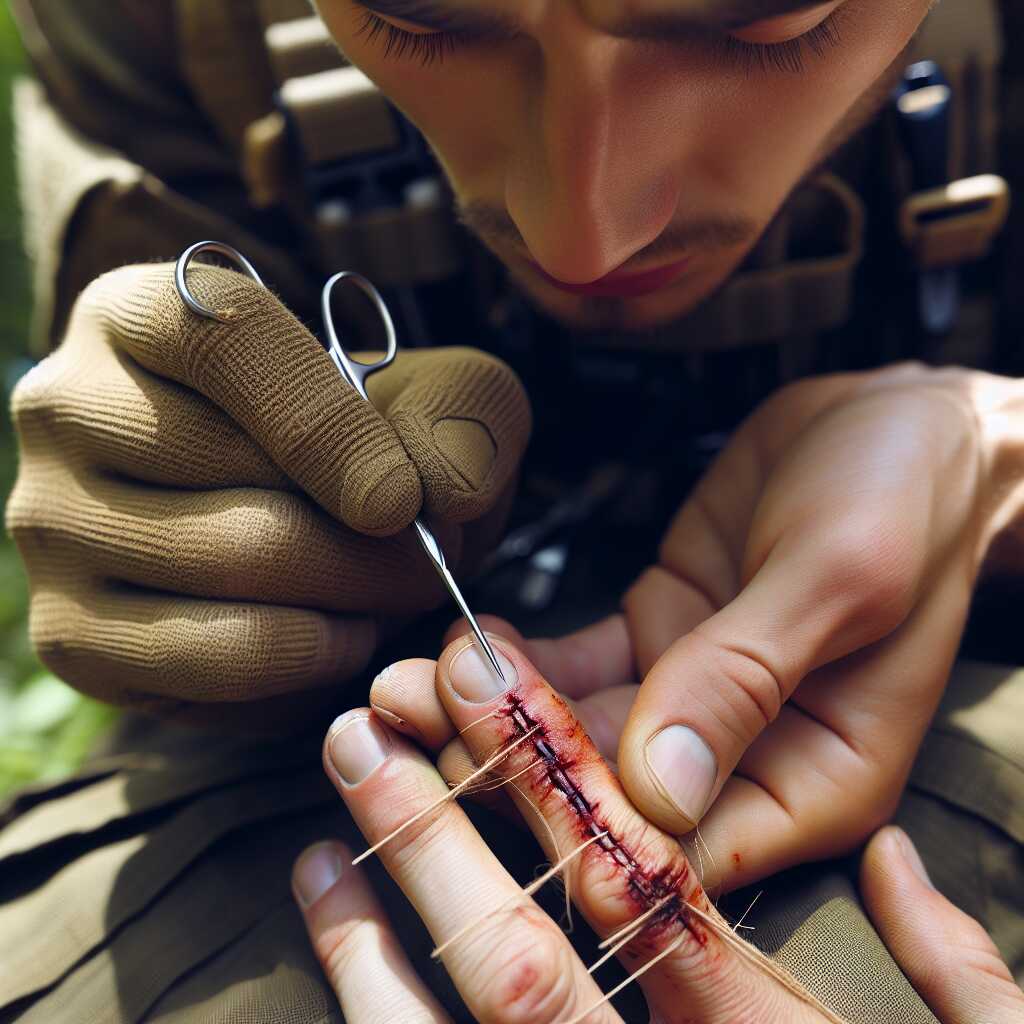
By Predicament Measures
Quick Answer: Can sewing needles be used to remove deep splinters
Yes sewing needles can be used to remove some deep splinters because their fine point allows precise access to fragments near the skin when sterile technique and proper care are used but they are not appropriate for very deep or high risk locations
- Effectiveness: Often effective for fragments within about 2 to 5 millimeters of the skin surface; effectiveness drops substantially for fragments deeper than 5 millimeters or near joints and nerves
- Cost: Single sewing needle typically under $1 versus sterile single use lancets or medical kits $5 to $20 and clinic removal $100 to $300 depending on setting
- Time: Typical at-home procedure 10 to 30 minutes including cleaning and aftercare; professional minor procedure 15 to 45 minutes
- Limitation: Cannot safely remove splinters that are deeper than 5 mm in soft tissue near joints bones nerves the eye or that are heavily contaminated and may require imaging or surgical removal
Sewing needles are small, fine-point metal instruments normally used for hand stitching; in first-aid contexts they can serve as precision tools to expose and lift shallow embedded foreign fragments. This $1 solution provides precise access to shallow fragments at very low cost compared to medical kits ($5-$20) or clinic removal ($100-$300).
The process works through three key relationships: the sewing needle tip penetrates beneath the skin to access fragments, resulting in precise reach of pieces located about 2-5 millimeters below the surface, sterile preparation (alcohol wipe or flame/boil sterilization) reduces surface contamination enabling safer manipulation with lower infection risk, and using a fine needle together with fine-tipped tweezers creates a controlled extraction path (0.5-1 mm) that minimizes additional tissue damage and facilitates quicker healing.
How to remove a splinter with a sewing needle step by step
- Assess the situation (2-3 minutes): Inspect the site with good light and, if available, a magnifier. If the fragment is deeper than 5 mm, is near a joint, bone, tendon, nerve, or the eye, or if there is heavy bleeding, numbness, loss of function, or visible debris pushed deep stop and seek professional care. Result: Decision made whether at-home removal is appropriate.
- Gather tools (2-5 minutes): Collect a fine sewing needle (sharpened, intact), fine-tipped tweezers, 70 isopropyl alcohol or antiseptic wipes, soap and water, sterile gauze or adhesive bandage, good light source, magnifier, and clean disposable gloves if available. Cost note: individual needle typically <$1; alcohol wipes $0.10-$1 each. Result: All required items on hand for a controlled procedure.
- Sterilize instruments (3-7 minutes): Wipe needle and tweezers with 70 isopropyl alcohol and allow to air dry, or briefly flame the needle until red-hot and let it cool on a sterile surface, or boil metal tools in water for 5 minutes and cool. Clean the skin with soap and water, then wipe with an antiseptic. Result: Instruments and field are as sterile as possible for at-home care.
- Position and stabilize (1-2 minutes): Sit so the injured person is comfortable and still. Use your free hand to stabilize the skin around the splinter to prevent sudden movement. Illuminate the area and use magnification. Result: Stable target and clear view to reduce risk of accidental deeper penetration.
- Expose the fragment (2-10 minutes): If the fragment is just under the surface (2-5 mm), gently insert the needle tip at a shallow angle to break any skin overlying the splinter or to hook the end of the fragment. Move slowly and only as deep as needed to reach the visible end. Avoid probing blindly. Result: The visible end of the splinter is exposed or hooked for removal.
- Grip and extract (1-5 minutes): Once the end is exposed, use fine-tipped tweezers to grasp the exposed end firmly and pull steadily along the same angle it entered. If the fragment breaks, stop and reassess do not dig deeper. Result: Fragment removed intact or further assessment required.
- Clean and dress (5 minutes): Immediately clean the wound with soap and water, apply an antiseptic (e.g., povidone-iodine or chlorhexidine if available), and cover with sterile gauze or a bandage. Monitor for bleeding; apply gentle pressure if needed. Result: Wound is cleaned and protected to reduce infection risk.
- Aftercare and monitoring (ongoing, check 24-72 hours): Keep the area clean and dry, change the dressing daily, and watch for redness, increasing pain, swelling, pus, red streaks, fever, or loss of function. Ensure tetanus protection is up to date seek medical care if signs of infection or if tetanus status is uncertain. Result: Early detection of complications and prompt medical follow-up if needed.
- When to stop and seek help (immediate): If you cannot grasp the fragment, it is deeper than 5 mm, near a joint/nerve/tendon/bone or the eye, if foreign material is large/embedded/contaminated with rust or organic material, if bleeding or pain worsens, or if you see signs of infection visit urgent care or an emergency department. Professional removal may require local anaesthesia, imaging (X-ray/ultrasound), or surgical removal. Result: Safer definitive care for high-risk or complicated cases.
FAQ
What exactly are sewing needles used for splinter removal
Sewing needles are precision tools that provide a fine point for extracting splinters within about 2 to 5 millimeters of the skin surface. They provide reliable access, improve control, and can increase success when used with sterile technique and careful handling; common home use takes about 10 to 30 minutes and often delivers good results for shallow fragments. Predicament Measures 2025 review notes that needles cannot safely remove splinters deeper than about 5 mm or fragments located near joints, bones, nerves, or the eye and that professional care is required in those situations.
What sizes and materials of sewing needles are best for splinters
Use a fine, sharp needle such as a 26 to 30 gauge sewing or single-use sterile lancet made of stainless steel for best reliability and ease of control. Stainless steel needles with a smooth eye and a length of 13 to 38 mm deliver quality performance and cost under $1 per needle when non-sterile, while sterile single-use lancets or kit needles range $5 to $20. Avoid thick craft needles over 1 mm diameter and blunt needles because they reduce precision and can worsen tissue injury or breakage.
How do you use a sewing needle step by step to remove a splinter
Place proper lighting, steady support, and sterile tools then use the needle to lift or tease the exposed end of the fragment until tweezers can grasp it for removal; typical home procedures take 10 to 30 minutes from start to finish. Start by cleaning the area with soap and water for 30 to 60 seconds, apply 70 isopropyl alcohol for 30 seconds, then introduce the needle tip under the edge of the splinter along the same entry path, using shallow movements of 1 to 3 mm to avoid deeper tissue damage. Stop if you cannot grasp the fragment in a few minutes, if bleeding exceeds a few milliliters, or if the fragment is not accessible within 5 mm of the surface; seek professional care when needed to avoid infection and retained fragments.
What sterilization and numbing steps should be done first
Sterilize the needle by boiling it for 5 minutes or heating it in a flame until red hot for about 5 to 10 seconds then cooling on a sterile surface, or use a factory-sterile disposable lancet to ensure reliable sterility. Clean the skin with soap and water for 30 to 60 seconds then wipe with 70 isopropyl alcohol for at least 30 seconds; for numbing apply an over-the-counter topical lidocaine 4 cream for 20 to 30 minutes or use a 5 to 10 minute ice pack to reduce pain. Do not inject local anesthetic yourself; trained clinicians provide safer injections and imaging when needed.
What are the benefits of using sewing needles for precise splinter removal
Sewing needles provide fine, controlled access that enhances precision for fragments close to the skin and helps reduce extra tissue damage compared with blunt tools. The low cost under $1 per needle for non-sterile options and the easy availability make needles a practical choice for hikers, parents, and DIYers when combined with proven sterilization and review of safety steps. The reliability and efficiency of needle use depends on skill, experience, and testing of technique; users with good lighting and steady hands report higher success for fragments within 2 to 5 mm but needles cannot handle very deep, large, or highly contaminated fragments.
How do sewing needles compare to tweezers in speed and accuracy
Sewing needles often deliver better accuracy for small or partially buried fragments because the fine point enables precise lifting and alignment before tweezers take over. Tweezers provide faster extraction when the splinter protrudes by 2 mm or more and when tips are aligned and sterile; a combined approach often improves success and reduces time to removal. Reviews and practical experience show that needles plus fine-tipped tweezers deliver the best results for shallow fragments while neither tool is suitable for deep fragments near nerves or joints.
What risks and limitations should be considered before using sewing needles
Needle use carries risks including deeper tissue damage, retained fragments, bleeding, and infection, and these risks rise sharply for fragments deeper than about 5 mm or for fragments composed of metal, glass, or organic material. Expect home removal attempts to take 10 to 30 minutes and to succeed when the fragment is shallow and visible; expect lower success and higher complication risk when the fragment is deep, near a joint or nerve, or if the wound is contaminated. Predicament Measures recommends stopping attempts and seeking medical care when you cannot access the fragment within a few minutes, when bleeding is heavy, when signs of infection appear within 24 to 72 hours, or when the location involves the eye, major joint, or tendon.
When should you stop and seek medical care after needle extraction
Stop attempts and seek care if you cannot remove the fragment within 10 to 30 minutes, if the splinter is deeper than 5 mm, or if the site shows increasing redness, warmth, swelling, pus, or fever. Seek immediate care when the splinter is near the eye, over a joint, near nerves or bone, or if the fragment is metal or glass and may require imaging or surgical removal. Expect clinic removal to take 15 to 45 minutes and to cost about $100 to $300 depending on setting; trained clinicians provide imaging, sterile technique, and proven wound care to reduce complications.
Who is a suitable person to use sewing needles for splinter removal safely
A suitable person is an adult with steady hands, good vision or magnification, basic first-aid training, and experience handling sterile tools who faces a fragment within 2 to 5 mm of the skin surface. This person should have essential supplies: 70 isopropyl alcohol, sterile or sterilized needles, fine-tipped tweezers, bandages, and a flashlight or magnifier; predicted success and safety improve with practice and review of step-by-step technique. Predicament Measures emphasizes that caregivers of young children and uncooperative patients should choose professional care instead of DIY needle extraction to ensure safety and reliable results.
What training or experience improves safety and success rates with needles
Training such as basic first-aid courses, hands-on wound care practice, and supervised practice with sterile tools improves safety, technique, and success when using needles. Experience using fine-tipped tools, practicing sterility, and reviewing up-to-date guidance and testing of methods increases reliability and reduces complications; certified first-aid or EMT courses provide useful, expert instruction. Do not attempt needle extraction without basic practice and without planning to stop and seek medical care if removal does not proceed quickly or if complications develop.
When is the best time after injury to use a sewing needle for a splinter
The best time to use a sewing needle is when the splinter lies within about 2 to 5 millimeters of the skin surface and the wound is clean and not swollen, usually within the first 0 to 72 hours after the injury. Predicament Measures recommends users test the area visually with a magnifier and try less invasive methods first to improve reliability and success. This method provides fast, precise access for many small fragments but it cannot handle splinters deeper than about 5 millimeters or splinters near joints, nerves, bone, or the eye.
How does swelling or infection affect timing and success of removal
Swelling and infection reduce success and increase risk because inflamed tissue hides the splinter and increases bleeding and pain. If the area is red, warm, draining pus, or you have fever, seek professional care and avoid home needle use to prevent worse infection. Waiting for swelling to subside can take days, and active infection often requires antibiotics, imaging, or clinic removal rather than home extraction.
How much do sewing needles cost compared to tweezers and clinic care
A single sewing needle typically costs under $1 and a small pack often costs $2 to $6, while retail tweezers commonly range from $5 to $20 and sterile single-use lancets or medical splinter kits cost about $5 to $20. Professional minor procedure fees for clinic splinter removal commonly range from $100 to $300 depending on setting and whether imaging is needed. At-home removal usually takes 10 to 30 minutes, while a professional minor procedure typically takes 15 to 45 minutes and offers higher reliability and expert care.
What are typical retail prices and professional minor procedure fees
Typical retail prices include sewing needle packs $2 to $6, basic tweezers $5 to $15, and sterile lancet kits $5 to $20, with higher-end precision tweezers or magnifiers costing $20 to $50. Professional fees vary with urgent care and clinic setting; expect about $100 to $300 for a minor procedure, more if imaging or local anesthesia is required. Insurance coverage differs by plan, and urgent care usually costs less than emergency room care for non-lifethreatening splinters.
What tools and antiseptics do you need to remove splinter with needle
You need a clean sharp needle, fine-tip tweezers, magnifier or lamp, sterile gauze, 70 isopropyl alcohol or povidone-iodine for antisepsis, and adhesive bandage for aftercare. Sterilize a metal sewing needle by wiping with 70 isopropyl alcohol for at least 30 seconds or by boiling in clean water for at least 5 minutes when available to enhance sterility and safety. Wearing nitrile gloves, testing the needle point under a light, and having antibiotic ointment and a clean dressing on hand improves the efficiency and reduces infection risk.
What needle sizes and types are recommended for different splinter sizes
For very fine surface splinters use the thinnest, straight sewing or embroidery needles you have for precise access and minimal tissue injury; for tiny embedded slivers a sterile 25 to 30 gauge hypodermic needle offers a very fine point and proven precision when available. Thicker craft needles increase tissue damage and reduce success for very shallow fragments and are not ideal for deep fragments. Practice, testing, and review of results help you learn which needle type provides the best performance for specific splinter sizes.
What are the safest most effective alternatives to sewing needles for splinters
The safest alternatives include fine-tipped tweezers for visible ends, adhesive tape or glue methods for tiny surface slivers, and suction devices or sterile lancets for shallow embedded pieces. Medical removal in a clinic is the most effective option for deep fragments, fragments near joints or nerves, or fragments that show signs of heavy contamination or infection. These alternatives offer better reliability in many reviews and comparisons and enhance safety when used correctly.
When are tweezers adhesive tape suction or medical removal preferable
Use tweezers when you can see and grasp the exposed end; success rates are high for fragments within about 0 to 2 millimeters of the surface. Use adhesive tape or skin glue for tiny superficial slivers that resist tweezers, and use suction devices for superficial debris; choose medical removal for fragments deeper than about 5 millimeters, fragments near the eye or joint, or if you see signs of infection. Professional care provides expert assessment, imaging if needed, and reliable removal when home methods fail.
What common mistakes should you avoid when using a sewing needle for splinters
Avoid digging blindly, using an unsterile needle, forcing deep attempts for more than 10 to 30 minutes, and attempting removal if the splinter is near a joint, bone, nerve, or eye. Do not promise complete results when conditions are high risk, and stop attempts if bleeding, severe pain, or worsening redness occurs. Proper testing of the technique on very small, easy cases first, and reading reviews of safe technique from expert sources, improves experience and reduces tissue damage.
How to recognize and prevent infection or tissue damage after removal
Recognize infection by increasing redness beyond about 5 millimeters, warmth, swelling, pus drainage, red streaks, increasing pain, or fever and seek medical care promptly if these signs appear. Prevent infection by cleaning the area with 70 isopropyl alcohol or povidone-iodine after removal, applying a thin layer of antibiotic ointment, covering with a sterile dressing for 24 to 48 hours, and changing the dressing daily while watching for worsening signs for 48 to 72 hours. Check tetanus status and seek a booster if your last booster was outside the recommended 5 to 10 year window for puncture wounds, and contact Predicament Measures resources for reliability checks and product reviews.
Related posts:
 Unwaxed Dental Floss: High-Strength Fishing Line Alternative for Wilderness Food Procurement
 Petroleum Jelly Cotton Balls: Five-Minute Burn Time Fire Starters for Damp Conditions
 Elastic Hair Ties: Cordage Bundle Organizers for Tangle-Free Emergency Kits
 Plastic Cling Wrap: Burn Wound Covering to Prevent Infection and Fluid Loss
 Cornstarch: Moisture Absorption Powder for Preventing Trench Foot
Sterile Tampons: Deep Puncture Wound Packing for Hemorrhage Control
Cornstarch: Moisture Absorption Powder for Preventing Trench Foot
Sterile Tampons: Deep Puncture Wound Packing for Hemorrhage Control
 Rubber Erasers: Emergency Ear Protection Against Dangerous Noise Levels
Acrylic Yarn: Emergency Wound Sutures for Gaping Lacerations
Rubber Erasers: Emergency Ear Protection Against Dangerous Noise Levels
Acrylic Yarn: Emergency Wound Sutures for Gaping Lacerations