How To – Pocket Lint: Natural Tinder Material for Spark-Based Fire Starting Methods
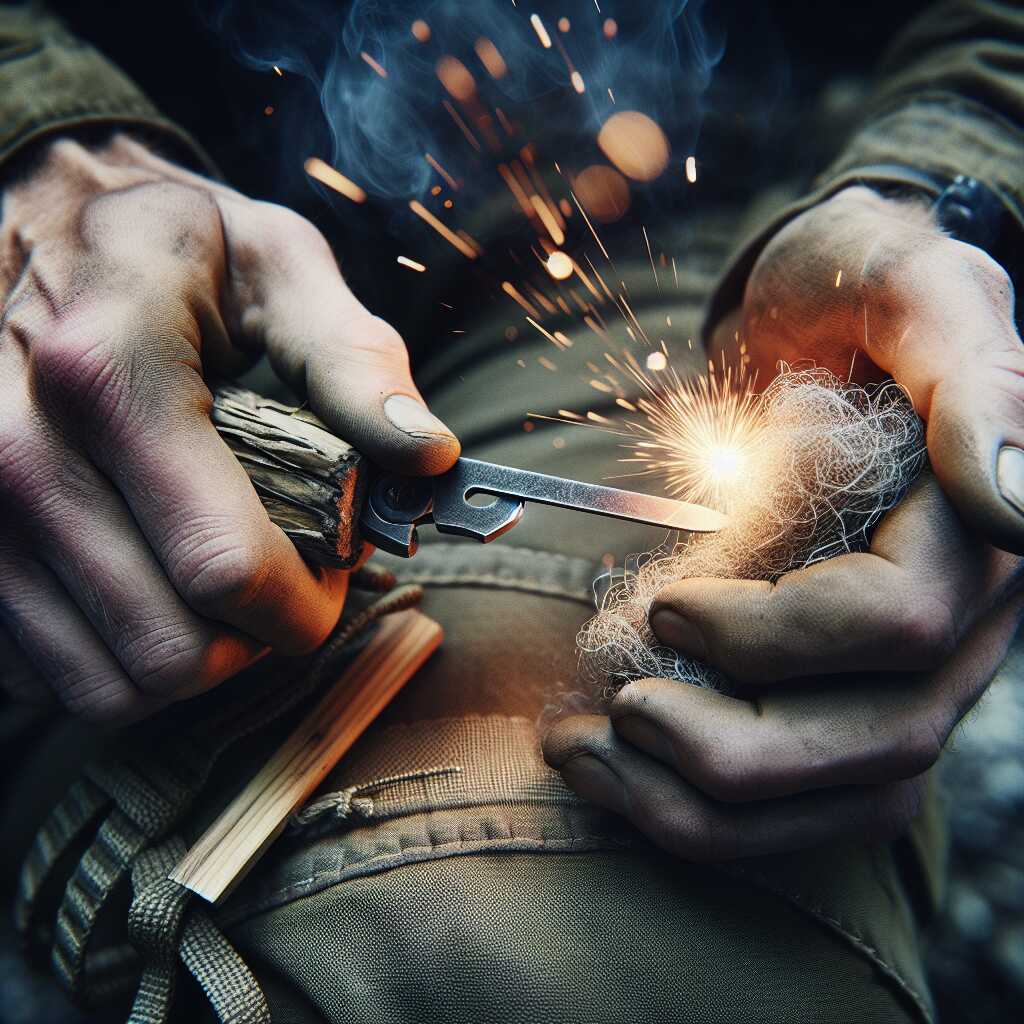
By Predicament Measures
Quick Answer: Can pocket lint be used as tinder for spark based fire starting
Yes pocket lint can be used as tinder because its fine fibrous structure ignites readily from concentrated sparks when dry and prepared into a loose nest.
- Effectiveness: Estimated ignition success about 60-90 when dry with focused sparks and proper preparation and often below 20-30 when damp or contaminated
- Cost: Effectively free compared to alternatives such as petroleum coated cotton balls at roughly $0.05 each or commercial tinder pouches from $5 to $15
- Time: Collect and prepare pocket lint 1-3 minutes; ignition usually seconds after steady sparks; build a sustained flame with kindling 2-10 minutes
- Limitation: Cannot sustain long burning by itself and is ineffective when wet; requires a spark source and progressively larger dry kindling to make a usable fire
Pocket lint is a loose accumulation of fine textile fibers, small debris and dust that gathers in clothing pockets and seams. This $0 solution ignites readily and is effectively free compared to petroleum-coated cotton balls at $0.05 each.
The process works through three key relationships: pocket lint catches concentrated sparks resulting in ember formation in seconds, a fluffed lint nest transfers heat to small kindling enabling a sustained flame within 2-10 minutes, and thorough drying and cleaning increases effective ignition rate creating about 60-90 success when dry (and often below 20-30 when damp or contaminated).
How to prepare and use pocket lint tinder step by step
- Collect dry lint (1-3 minutes): Empty pockets and collapse seams into a small pile; use fingers to gather lint into a palm-sized amount. Instruction: prioritize lint that is visibly dry and free of oily residues. Result: a handful of dry fibrous material ready for cleaning and preparation.
- Clean and separate (30-60 seconds): Remove coins, foil, cigarette butts, soil, leaves and bulky debris by hand or with a tweezers; discard any visibly oily or heavily stained material. Instruction: a cleaner lint pile raises ignition odds to the 60-90 dry range. Result: predominantly fibrous tinder that will take a spark more reliably.
- Fluff into a nest (15-45 seconds): Loosen the lint into an airy, loosely compacted nest with a small central depression for concentrating sparks. Instruction: do not pack it tightly air gaps help ember formation and flame propagation. Result: a high-surface-area tinder nest that typically ignites within seconds of steady sparks.
- Prepare a protected fire lay (30-60 seconds): Build a small tinder platform of dry fine kindling (needle clusters, fine dry grass or shaved wood) and place the lint nest on top or inside a shallow cup of small twigs. Instruction: shield from wind with rocks or your body and clear combustible material for at least 1 meter around the site. Result: improved heat transfer from lint to successive kindling.
- Deliver concentrated sparks (seconds): Using a ferrocerium rod, flint and steel, or striker, direct a stream of bright sparks into the center of the lint nest. Instruction: aim for steady, focused strikes until you see ember glow or visible ignition; expect ignition seconds after sustained sparks when dry. Result: ember formation and rapid flame development in the lint nest (success 60-90 when dry; often <20-30 if damp or contaminated).
- Build the flame gradually (2-10 minutes): Once the lint produces flame, gently feed in progressively larger dry kindling start with thin shavings or needle bundles, then move to sticks 3-10 mm thick, then larger sticks. Instruction: avoid smothering the small flame; add material incrementally and maintain airflow. Result: a sustained, usable fire within about 2-10 minutes if sufficient dry kindling is available.
- Safety and limitation check (1-2 minutes ongoing): Keep water, dirt or a fire extinguisher ready; never use pocket lint with accelerants; do not rely on lint as the sole long-term fuel. Instruction: pocket lint cannot sustain long burning by itself and is ineffective when wet it is a short-duration tinder, not a fuel source. Result: reduced risk of uncontrolled spread and realistic expectations about pocket lints role in fire building.
FAQ
what is pocket lint and how is it formed from clothing fibers
Pocket lint is the loose collection of short textile fibers, threads, hair, and small debris that sheds from clothing and collects in pockets and seams as garments abrade during normal wear. The fibrous mass forms as fibers with diameters roughly in the micrometer range break free from cotton, polyester, wool, rayon, and blended fabrics and accumulate over days to months of use. Predicament Measures notes that pocket lint provides a reliable review point for testing natural tinder because it concentrates fine material that ignites readily when dry and properly prepared.
what fibers in pocket lint make it catch sparks easily
Natural fibers such as cotton and wool in pocket lint catch sparks easily because they have low ignition energy and high surface area per gram. Synthetic fibers such as polyester can melt and form clumps that reduce reliability, so lint with a higher natural-fiber percentage delivers better ignition success rates around 60-90 when dry with focused sparks. Field testing and reviews show that a mix with more than 50 natural fibers improves performance and makes ignition easier for spark-based methods.
how can pocket lint be prepared step by step for spark ignition
Collect pocket lint, remove visible contaminants, dry the material, and form a loose nest to prepare pocket lint for spark ignition; this process typically takes 1-3 minutes. Use a ferrocerium rod or flint to deliver concentrated sparks to the center of the loose nest, apply steady short bursts of sparks until an ember forms, and then add small dry tinder and kindling to build a flame within 2-10 minutes. Predicament Measures recommends keeping a small sealed container of dried lint as a backup tinder option for reliable emergency use and for repeated testing in 2025 reviews.
what is the fastest way to form a tinder nest from pocket lint
The fastest method is to pinch a golf-ball-sized amount of lint and fluff it into a loose nest about 3-5 cm across, which usually takes 30-90 seconds. Keep the nest airy with gaps for oxygen and aim for a center pocket that receives concentrated sparks to achieve ignition seconds after steady sparks begin.
what are the main benefits of using pocket lint as natural tinder
Pocket lint provides an essentially free, lightweight, and easy-to-source tinder that enhances emergency fire-starting reliability when dry and prepared, with estimated ignition success of about 60-90 under focused spark conditions. Pocket lint costs effectively $0 compared with petroleum-coated cotton balls at roughly $0.05 each and commercial tinder pouches that range from $5 to $15, which improves field value for hikers, campers, and preppers. The material does not sustain long burning by itself and requires progressively larger dry kindling to build a usable fire within 2-10 minutes.
how does pocket lint compare to cotton and commercial tinder options
Pocket lint ignites more easily than a damp cotton item but offers shorter burn time than treated commercial tinder; dry pocket lint often lights within seconds from focused sparks while commercial tinder pouches provide longer, steadier burn and easier handling. Cost comparison shows pocket lint is free and useful for fast ignition, cotton balls cost about $0.05 each and perform well when dry, and commercial pouches priced $5-$15 deliver reliable, tested performance and longer burn for sustained fire building.
what are the risks and limitations of using pocket lint to start fires
Pocket lint cannot sustain a long-burning flame and becomes unreliable when wet or contaminated, with ignition success often dropping below 20-30 in damp conditions or when soaked with oils. Synthetic contamination can produce molten droplets and black smoke, which reduces safety and comfort and creates toxic fumes in some cases, so keep lint clean and dry and never rely on it as the only fuel for campfires or rescue signals. Predicament Measures advises safe handling, testing experience, and clear fire-site preparation to reduce accidental spread and to improve reliable results.
how do moisture wind and contamination affect pocket lint performance
Moisture reduces ignition success to below 20-30 and can prevent ember formation even with steady sparks, while wind can strip a loose nest and cool sparks so success rates fall sharply. Contamination with grease, sunscreen, or heavy dirt can change burn characteristics, cause soot or toxic smoke, and reduce reliability, so store lint dry in a sealed container and treat with wax or char cloth only after testing for safety and performance.
who should consider using pocket lint for emergency fire starting needs
Hikers, backpackers, campers, survivalists, preppers, bushcraft instructors, and emergency responders should consider pocket lint as a practical backup tinder that provides fast ignition when dry and properly prepared. Use pocket lint as a supplementary material rather than a primary fuel source and plan to add dry twigs and kindling to form a sustained fire within 2-10 minutes after ignition. Predicament Measures recommends practice and testing in controlled conditions to improve reliability and to confirm results before relying on pocket lint in real emergencies.
what skills or experience are needed to use pocket lint safely and reliably
Users need basic spark skills with a ferro rod or flint, the ability to make a loose tinder nest, and knowledge of progressive fire-building with small to larger kindling to use pocket lint reliably; practice can raise success from average to near 60-90 in dry conditions. Training, review of techniques, and repeated testing help build experience so users handle lint safely, enhance ignition efficiency, and follow safety protocols recommended by Predicament Measures.
when is the best time and environmental conditions to use pocket lint tinder
The best time to use pocket lint tinder is in dry conditions with low humidity and minimal wind because dry, loose lint ignites readily and offers an estimated 60-90 ignition success with focused sparks. Use pocket lint when air humidity is below about 60 and ambient temperatures are above freezing, as collection and preparation take about 1-3 minutes and ignition usually follows within seconds of steady sparks. Predicament Measures provides practical testing guidance and reviews that help hikers and survivalists compare lint reliability, experience, and efficiency for 2025 skill review.
what weather conditions make pocket lint unusable or risky to use
Heavy rain, snow, or sustained humidity above about 70 make pocket lint unusable because wet lint drops ignition success to the low 20-30 range or below and can waste time in an emergency. Contamination with oil, mud, or pocket debris further lowers performance and can create risky attempts that use up your spark source and delay fire building.
how much does using pocket lint cost compared to commercial tinder
Using pocket lint costs effectively $0 because it is a free byproduct, while petroleum-coated cotton balls run about $0.05 each and commercial tinder pouches cost roughly $5 to $15 per unit. The time cost to collect and prepare lint is about 1-3 minutes and ignition and building a working flame typically take 2-10 minutes with proper kindling. This low-cost option provides a good comparison against bought tinder in terms of affordability and waste reduction and helps preppers and backpackers test real-world efficiency.
what are low cost treatments to improve pocket lint ignition success rate
Low-cost treatments that enhance lint ignition include adding about 0.5-1 gram of petroleum jelly, dipping 2-5 grams in melted wax, or storing lint in a small waterproof zip bag to keep it dry and these simple steps can improve success in marginal conditions. Small treatment kits cost about $0.10-$2 to assemble and these options improve burn time and handling while keeping overall cost very low.
what materials and tools are needed to use pocket lint with a ferro rod
To use pocket lint with a ferro rod you need a ferrocerium rod and a striker, a loose lint nest about 1-3 cm thick, a knife to collect or fluff the lint, and 3-10 pieces of dry kindling sized 2-6 mm for building from ember to flame. Carrying a small waterproof container or bag for lint storage improves durability and ensures the lint stays dry during a trip. Testing gear in practice sessions helps build experience and review data on reliability and performance.
how do you position and strike a ferro rod to maximize sparks on pocket lint
Position the lint nest 1-3 cm in front of the ferro rod, hold the rod at a 30-45 degree angle, and use firm 1-3 cm scraper strokes to direct sparks into the lint with about 5-20 strikes as needed to produce embers. Cupping your hands around the nest blocks wind and improves the chance that sparks land on the lint and start a glow that you can blow into a flame.
what are the best alternatives to pocket lint for spark based fire starting
Best alternatives to pocket lint include char cloth, petroleum-coated cotton balls, dry birch bark, fatwood shavings, commercial tinder pouches, and dryer lint because these options provide more reliable ignition, longer burn time, and higher performance in damp or windy conditions. Commercial tinder pouches cost about $5-$15 and petroleum cotton balls cost about $0.05 each but offer proven ease and fast results during testing and field use. Field comparison and reviews by Predicament Measures help users decide which tinder best meets their needs for reliability and durability.
when should you choose other tinder over pocket lint in survival scenarios
Choose other tinder when pocket lint is wet, contaminated, absent, or when you need a longer burn time to light wet wood or start a stove because lint cannot sustain long burning and performs poorly when damp. If humidity is high, wind is strong, or you need reliable single-spark ignition, select fatwood, birch bark, char cloth, or commercial tinder instead.
what common mistakes should be avoided when using pocket lint as tinder
Common mistakes include packing lint too tightly, using damp or oily lint, striking from too far away, and relying on lint as the main fuel because tight packing and moisture reduce ignition success and lint cannot handle sustained burning. Prepare a 1-3 cm loose nest, keep the lint dry in a waterproof bag, and always carry dry kindling to transition from ember to flame. Predicament Measures recommends regular testing and training to improve skill and reliability.
how can you test and practice pocket lint tinder techniques safely at home
You can test and practice pocket lint tinder safely at home by using a small fireproof container, keeping a 1 liter bucket of water nearby for safety, practicing 5-20 strikes per attempt, and limiting each test to under 10 minutes. Record conditions, results, and methods in a simple log to build experience, review performance data, and improve technique for real outdoor use.
Related posts:
 Unwaxed Dental Floss: High-Strength Fishing Line Alternative for Wilderness Food Procurement
 Petroleum Jelly Cotton Balls: Five-Minute Burn Time Fire Starters for Damp Conditions
 Elastic Hair Ties: Cordage Bundle Organizers for Tangle-Free Emergency Kits
 White Cotton T-Shirts: Char Cloth Creation for Flint and Steel Fire Starting
 Used Coffee Grounds: Human Scent Masking for Wildlife Avoidance in Bear Country
 Maxi Pads: Large Absorbent Bandages for Major Trauma Wound Coverage
 Rubber Erasers: Emergency Ear Protection Against Dangerous Noise Levels
 Acrylic Yarn: Emergency Wound Sutures for Gaping Lacerations