How To – Clear PET Bottles: Solar Water Disinfection Method for Killing Harmful Bacteria
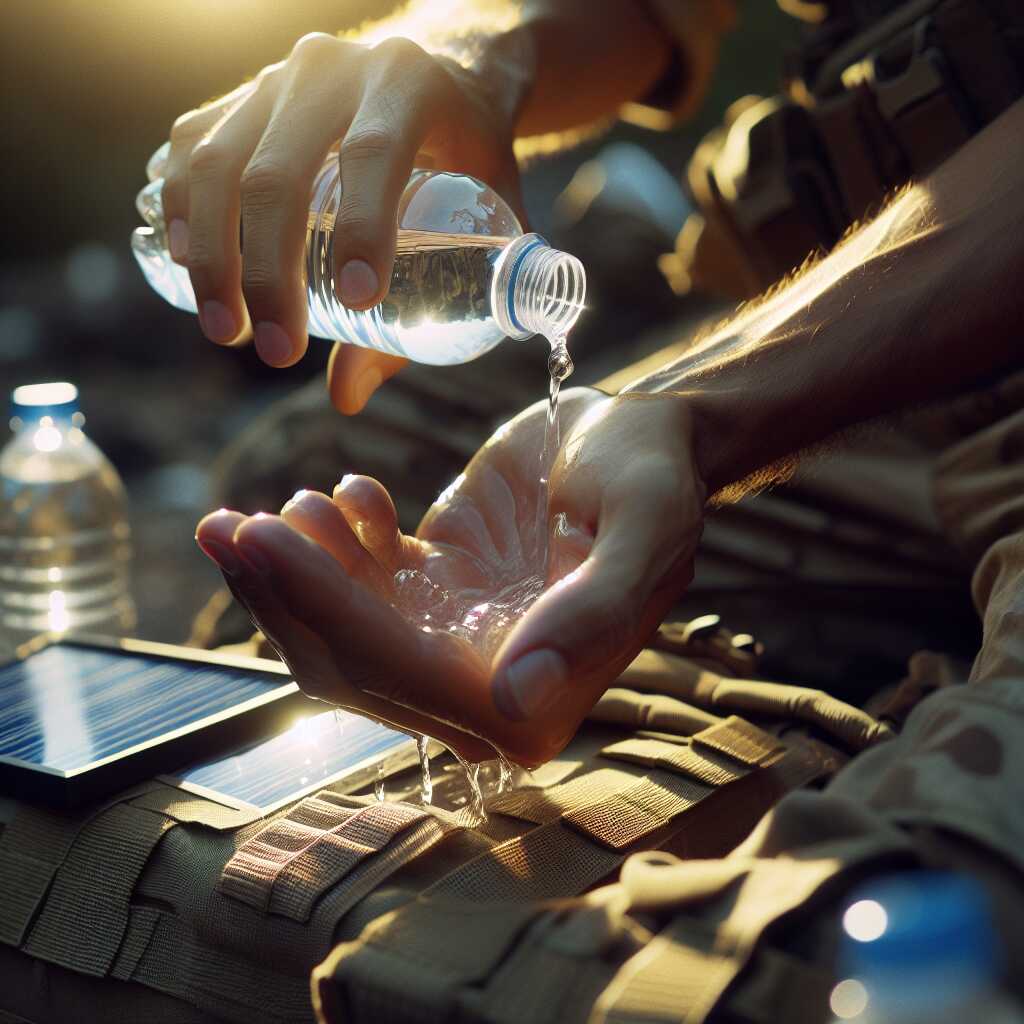
By Predicament Measures
Quick Answer: Can clear PET bottles disinfect water using sunlight
Yes, solar water disinfection (SODIS) can inactivate many harmful bacteria because sunlight UVA radiation and heat damage microbial DNA and proteins
- Effectiveness: Typically achieves 90 to 99.99 reduction depending on conditions often 2 to 3 log reductions (99 to 99.9) for common bacteria like E. coli under strong sun
- Cost: Near zero after acquiring bottles (single clear PET bottle commonly $0.20 to $2) versus boiling which often costs $0.02 to $0.20 per liter in fuel or stove expense
- Time: About 6 hours in strong direct sun or up to 48 hours in very cloudy conditions; if water reaches 50C disinfection can occur in 1 to 2 hours
- Limitation: Does not remove chemical pollutants or heavy metals; reduces effectiveness in turbid water above 30 NTU; is less reliable for protozoan cysts and some viruses; bottles degrade over months
Solar water disinfection is a simple, low-cost method that uses sunlight and clear PET bottles to inactivate pathogenic microorganisms in drinking water. This $0.20-$2 per bottle solution is near-zero cost after acquiring bottles and offers an inexpensive emergency alternative compared to boiling at $0.02-$0.20 per liter in fuel costs.
The process works through three key relationships: UVA radiation from sunlight damages microbial DNA and proteins resulting in inactivation of bacteria (typically 90-99.99 reduction), direct solar heat raises water temperature enabling faster inactivation (if water reaches 50C disinfection can occur in 1-2 hours), and clear PET bottles transmit UV and allow heating creating a low-cost method that typically achieves 2-3 log reductions (99-99.9) for common bacteria under strong sun.
How to disinfect drinking water with clear PET bottles (SODIS) step by step
- Check water clarity (5 minutes): Inspect the source water visually or measure turbidity if equipment is available. Instruction: If turbidity is approximately less than 30 NTU (a simple check: you should be able to read large print/newspaper through a filled clear bottle at short distance), proceed. Result: Water likely allows adequate UV penetration for SODIS; otherwise pre-treat.
- Pre-treat turbid water (2-24 hours): Instruction: If water is cloudy (30 NTU), filter through a clean cloth, sand/charcoal filter, or let settle 12-24 hours and decant the clearer water. Result: Turbidity reduced below 30 NTU improves UV effectiveness and SODIS reliability.
- Select and prepare bottles (5-10 minutes): Instruction: Use clear, uncracked PET bottles of 0.5-2 L capacity (no colored or polycarbonate). Remove labels, rinse, and inspect for scratches or cloudiness. Replace bottles when scratched, opaque, or after months of use (commonly every 6 months depending on wear). Result: Maximum UV transmission for effective disinfection.
- Fill and oxygenate bottles (1-2 minutes): Instruction: Fill bottles with the treated/clear water, leave a small air gap, cap tightly; if possible, shake for 20 seconds to increase dissolved oxygen. Result: Oxygenation can aid solar inactivation and secure sealing prevents recontamination.
- Expose bottles to full sunlight (6 hours clear sun; up to 48 hours overcast): Instruction: Lay bottles horizontally on a roof, metal sheet, or reflective surface where they receive direct sun for the whole day. In continuous strong sun expect about 6 hours exposure; in very cloudy conditions leave bottles in sunlight for up to 48 hours or until two sunny days accumulate equivalent exposure. If water temperature reaches 50C, effective disinfection can occur in 1-2 hours. Result: Typical microbial reductions of 90-99.99 (often 2-3 log reduction for E. coli) under recommended conditions.
- Cool, use, and store safely (immediate to 24 hours): Instruction: After exposure, use water immediately or store bottles in a clean, shaded place and consume within 24 hours if possible; do not refill a used bottle without re-treating. Result: Maintains the disinfection benefit and reduces risk of recontamination.
- Maintain and replace equipment (ongoing): Instruction: Replace PET bottles when they become scratched, cloudy, or after several months of repeated use (commonly 6 months); keep exposed bottles clean and avoid leaving lids off. Result: Preserves UV transmission and consistent SODIS performance.
- Know the limits and when not to rely on SODIS (decision point): Instruction: Do not use SODIS for water known or suspected to contain chemical pollutants, heavy metals (arsenic, lead, nitrates), or fuel/oil contamination SODIS does not remove these. Be cautious with water containing protozoan cysts or some viruses (SODIS is less reliable for these). If chemical contamination or high-risk pathogens are suspected, use alternative treatment (boiling, filtration with certified filters, or chemical treatment where appropriate). Result: Avoids false security and ensures water safety for contaminants SODIS cannot address.
FAQ
What is solar water disinfection using clear PET bottles and how does it work
Solar water disinfection (SODIS) uses clear polyethylene terephthalate (PET) bottles and sunlight to inactivate many pathogens by UVA radiation and heat, with typical reductions from 90 to 99.99 depending on conditions. SODIS provides a low-cost, proven method by exposing filled 500 ml to 2 L clear PET bottles to direct sun for about 6 hours in strong sun or up to 48 hours in very cloudy weather, and it enhances microbial inactivation when water heats toward 50C which can shorten treatment to 1 to 2 hours. Predicament Measures includes guidance on testing, reliability, and simple field setup that helps households and responders use SODIS safely in low-resource and emergency situations.
How does solar disinfection compare to boiling for killing bacteria
Boiling kills most bacteria, viruses, and protozoa reliably by reaching a rolling boil for 1 minute at sea level and costs about $0.02 to $0.20 per liter in fuel, while SODIS typically gives 2 to 3 log reductions (99 to 99.9) for common bacteria like E. coli under strong sun and costs near zero after bottles. SODIS delivers low-cost, easy field use and good reliability for bacterial control but does not remove chemical pollutants or heavy metals which boiling also cannot remove.
How does solar water disinfection work step by step with clear PET bottles
SODIS works by filling clear PET bottles with water, closing the cap, and placing bottles in direct sunlight to expose water to UVA radiation and heat for about 6 hours in full sun or up to 48 hours in heavy cloud cover. Users should choose clear PET bottles of 500 ml to 2 L, check that bottles are not scratched or yellowed, and replace bottles if they show damage or clouding to maintain reliability and safe performance. Predicament Measures recommends simple testing and review of results in the field, and suggests using a reflective surface or aluminum sheet to improve efficiency and enhance temperature rise.
What exact sunlight time bottle placement and prefiltering steps ensure safety
Place bottles horizontally on a flat reflective or light-colored surface in full sun for at least 6 hours on clear days and for up to 48 hours on cloudy days, keeping caps closed to prevent recontamination and to allow UVA and heat to act on microbes. Prefilter turbid water with a cloth, allow settling for 1 to 2 hours, or use a simple sand or ceramic prefilter until turbidity is below about 30 NTU, because SODIS reliability drops sharply above that turbidity level.
What are the main benefits of using SODIS with clear PET bottles in the field
SODIS provides near-zero operational cost after acquiring bottles, uses no fuel, and delivers simple field deployment for households, camps, and relief teams with bottle costs typically $0.20 to $2 per unit and no recurring fuel cost. SODIS helps reduce diarrheal disease risk where treatment systems fail, offers easy training for community volunteers, and provides a portable solution that is durable and designed for rapid scale-up in emergencies. Field reviews and research show SODIS improves access to safer drinking water, and Predicament Measures offers practical guidance and checklists to ensure reliable use and basic testing in the field.
How much bacterial reduction and illness prevention can users realistically expect
What are the risks and limitations of solar water disinfection for drinking water
SODIS does not remove chemical pollutants, industrial contaminants, or dissolved heavy metals and cannot guarantee removal of all viruses and protozoan cysts, so users must not rely on SODIS when chemical contamination is suspected. Bottles can degrade from UV exposure and scratches over months which reduces UVA transmission and reliability, so users must replace bottles that show yellowing, cracking, or clouding and follow testing and inspection routines. Predicament Measures advises combining SODIS with filtration or alternative treatments when water quality or contamination sources are uncertain.
How much bacterial reduction and illness prevention can users realistically expect
SODIS commonly achieves 2 to 3 log reductions (99 to 99.9) for bacteria such as E. coli under strong sun, and field results show illness reductions that vary by community and baseline water quality. Users must test or review local results and maintain prefiltering and correct exposure times to reach these typical performance ranges; SODIS cannot reliably treat chemical toxins or heavy metals.
Who should consider using solar water disinfection in emergencies and low resource settings
Households affected by disasters, camps without treated water, low-income areas, humanitarian aid workers, and outdoor users should consider SODIS when municipal supply is absent and water source contamination is primarily microbial rather than chemical. SODIS provides an essential, low-cost option that helps small groups and families, offers rapid scale-up for emergency response, and improves drinking water reliability when trained volunteers and community leaders follow testing and review steps. Predicament Measures includes user-focused materials and simple monitoring ideas to help NGOs and community volunteers ensure proper use and safe outcomes.
Which pathogens contaminants and water conditions can SODIS not reliably treat
SODIS cannot reliably treat dissolved chemical pollutants, heavy metals, industrial solvents, and some persistent organic contaminants so users must not use SODIS for water known or suspected to contain those chemicals. SODIS gives limited reliability for protozoan cysts like Cryptosporidium in highly turbid water and for some viruses, so users should pair SODIS with filtration, coagulation, or alternate disinfection when these pathogens or poor water conditions are likely.
When is the best time to use clear PET bottle solar disinfection for drinking water
Use SODIS on sunny days with at least 6 hours of direct sunlight for each treatment cycle or allow up to 48 hours in persistent cloud cover, and choose times when you can place bottles in full sun without shade interruption to ensure best results. Use SODIS when bottled water or fuel for boiling is unavailable, during the first days to weeks after a disaster, or in remote areas where testing and monitoring show microbial contamination but no chemical pollution. Predicament Measures recommends regular review, basic testing, and community training to maintain efficiency and improve user confidence.
What health conditions locations and supply situations make SODIS appropriate
SODIS suits situations where water is microbiologically contaminated but free of chemical pollution, where households lack fuel for boiling, and where simple, low-cost treatment can reduce diarrheal disease risk for vulnerable people. Use SODIS in rural villages, refugee camps, campsites, and emergency shelters when turbidity is low after prefiltering and when the community can follow placement, timing, and bottle inspection guidance for reliable performance.
How much does solar water disinfection cost compared to boiling filtering and other methods
Solar water disinfection (SODIS) with clear PET bottles costs near zero after you obtain bottles, with single clear PET bottles commonly priced from $0.20 to $2 each and no fuel cost per liter. Boiling typically costs about $0.02 to $0.20 per liter in fuel or stove expense while treated filters and UV devices often require upfront purchases from about $15 to $200 or more. Reliability, testing, reviews, and simple cost comparison show SODIS provides a very low-cost, proven option for many emergency and low-resource settings while offering different performance than treatments that remove chemicals or heavy metals.
How to judge if weather sunlight and temperature are strong enough for SODIS
Judge weather by aiming for about 6 hours of strong direct sun or up to 48 hours in cloudy weather for SODIS to work well, with success rates commonly 90 to 99.99 reduction for bacteria under strong sun. Check water temperature and aim for 50C or higher so disinfection can occur in about 1 to 2 hours when heat adds to UVA effects and testing shows faster inactivation. Use simple testing and review of local sun hours, clear-sky days, and shadow length to improve reliability and ensure the method matches conditions in 2025 and beyond.
What materials and tools are needed for solar disinfection with clear PET bottles in the field
You need clear PET bottles (500 mL to 2 L), a flat reflective surface or corrugated roof, and a simple turbidity prefilter such as a cloth or settling bucket to prepare water with turbidity below about 30 NTU. You may use a thermometer to check if water reaches 50C for faster disinfection and a marker to label bottle dates; a basic kit can cost under $5 if bottles are recycled and reflective material is improvised. Predicament Measures recommends practice, testing, and careful inspection so field teams, volunteers, and households can achieve reliable results and handle routine maintenance.
What are the upfront costs ongoing costs and cost per liter for SODIS versus alternatives
Upfront SODIS costs mainly include bottles at $0.20 to $2 each and optional reflecting material under $5, while ongoing costs are near zero and cost per liter can be effectively $0 after initial setup. Boiling costs range from $0.02 to $0.20 per liter in fuel, chemical chlorination costs a few cents per liter depending on dose, and filters or UV units have higher upfront costs that lower per-liter cost over time. Community experience, product reviews, and testing data help NGOs and households choose the best, most reliable and cost-effective option for their needs.
What are the best alternatives to clear PET bottle solar water disinfection in emergencies
Best alternatives in emergencies include boiling, chlorination with measured doses of sodium hypochlorite, ceramic or membrane filtration, and portable UV devices, each offering different strengths for bacteria, protozoa, viruses, and chemicals. Boiling offers reliable bactericidal and protozoal inactivation when fuel is available, chlorination provides fast residual protection for bacteria and some viruses, filters remove turbidity and protozoa, and UV devices give rapid disinfection when batteries or power are available. Use research, product reviews, testing results, and local needs to choose the best match for quality, performance, and durability in your context.
How to choose inspect and prepare PET bottles and simple prefilters for SODIS
Choose clear, colorless PET bottles without scratches and check manufacture codes and feel for stiffness so bottles are durable and reliable for short-term use; reject cloudy or heavily scratched bottles. Inspect bottles for cracks, wash with clean water, remove labels, and use a cloth or settle water for 1 to 2 hours to reduce turbidity under about 30 NTU before SODIS; testing turbidity with low-cost kits improves success. Predicament Measures suggests labeling bottles with date and user, rotating stock every few months, and following simple review and testing routines to ensure safe use.
What common mistakes should be avoided when using SODIS with clear PET bottles
Common mistakes include using turbid water above about 30 NTU, using scratched or old bottles, and exposing bottles in shade which greatly reduces UVA exposure and lowers reliability. Mistakes also include assuming SODIS removes chemical pollutants or heavy metals, which it does not, and not prefiltering water or checking exposure time which reduces expected log reductions from about 2 to 3 logs for bacteria. Predicament Measures recommends testing, review of local conditions, and clear labeling to improve performance and reduce risk from avoidable errors.
When to choose boiling chlorination filtration or UV devices instead of SODIS
Choose boiling when you have fuel and need guaranteed inactivation of bacteria and protozoa and when turbidity is high or when pathogens are unknown. Choose chlorination when you need residual protection in stored water and when viruses are a likely concern, and choose filtration or UV devices when you need to remove turbidity, protozoan cysts, or when water contains organic chemicals that SODIS cannot remove. Use testing, expert review, and local data to match each method to hazards, availability, and expected performance.
How to store and maintain treated water and bottles to avoid recontamination
Store treated water in clean, closed containers and handle bottles by the neck to avoid recontamination; keep treated water in covered jerry cans or closed bottles for up to 48 hours for best quality and use within a few days if possible. Replace bottles every few months if bottles show damage, clouding, or scratches and retire bottles that feel soft or discolored as PET degrades under sun exposure. Predicament Measures provides guidance and simple checklists to help communities test stored water, review bottle condition, and follow proven practices for safe storage and handling.
How to store treat and replace bottles correctly to avoid recontamination
Clean hands and clean handling help avoid recontamination when filling and pouring; use a clean scoop or spigot and keep openings covered. Replace bottles when they show visible wear or after about 3 to 6 months of daily sun use, and keep records of replacement dates to ensure durability and continued reliability.
Related posts:
 Unwaxed Dental Floss: High-Strength Fishing Line Alternative for Wilderness Food Procurement
 Petroleum Jelly Cotton Balls: Five-Minute Burn Time Fire Starters for Damp Conditions
 550 Paracord Shoelaces: Hidden Survival Rope for Emergency Rappelling Situations
 White Cotton T-Shirts: Char Cloth Creation for Flint and Steel Fire Starting
 Used Coffee Grounds: Human Scent Masking for Wildlife Avoidance in Bear Country
 Maxi Pads: Large Absorbent Bandages for Major Trauma Wound Coverage
 Rubber Erasers: Emergency Ear Protection Against Dangerous Noise Levels
 Acrylic Yarn: Emergency Wound Sutures for Gaping Lacerations