How To – Phone Book Pages: Emergency Toilet Paper During Supply Chain Disruption
By Predicament Measures
Quick Answer: Can phone book pages be used as emergency toilet paper during shortages
Yes, phone book pages can be used as emergency toilet paper when prepared correctly because the thin newsprint is relatively absorbent and strong, but they can be abrasive and are often not safe to flush
- Effectiveness: Estimated 70 to 85 percent cleaning effectiveness per anecdotal reports when pages are shredded into 1 to 2 inch strips and folded with 1 to 3 wipes typically needed no formal studies available
- Cost: Near free if you already have a phone book versus commercial toilet paper about $0.005 to $0.02 per sheet depending on brand and pack size (typical roll 150 to 500 sheets costs $0.75 to $5.00)
- Time: Preparation time 5 to 20 minutes to cut or shred 25 to 50 pages per person per day; per use 30 to 60 seconds and 1 to 3 wipes
- Limitation: Cannot be reliably flushed in septic or municipal sewer systems may clog pipes abrasive fibers can irritate sensitive skin not sanitary for open wounds and not a substitute for medical grade wipes
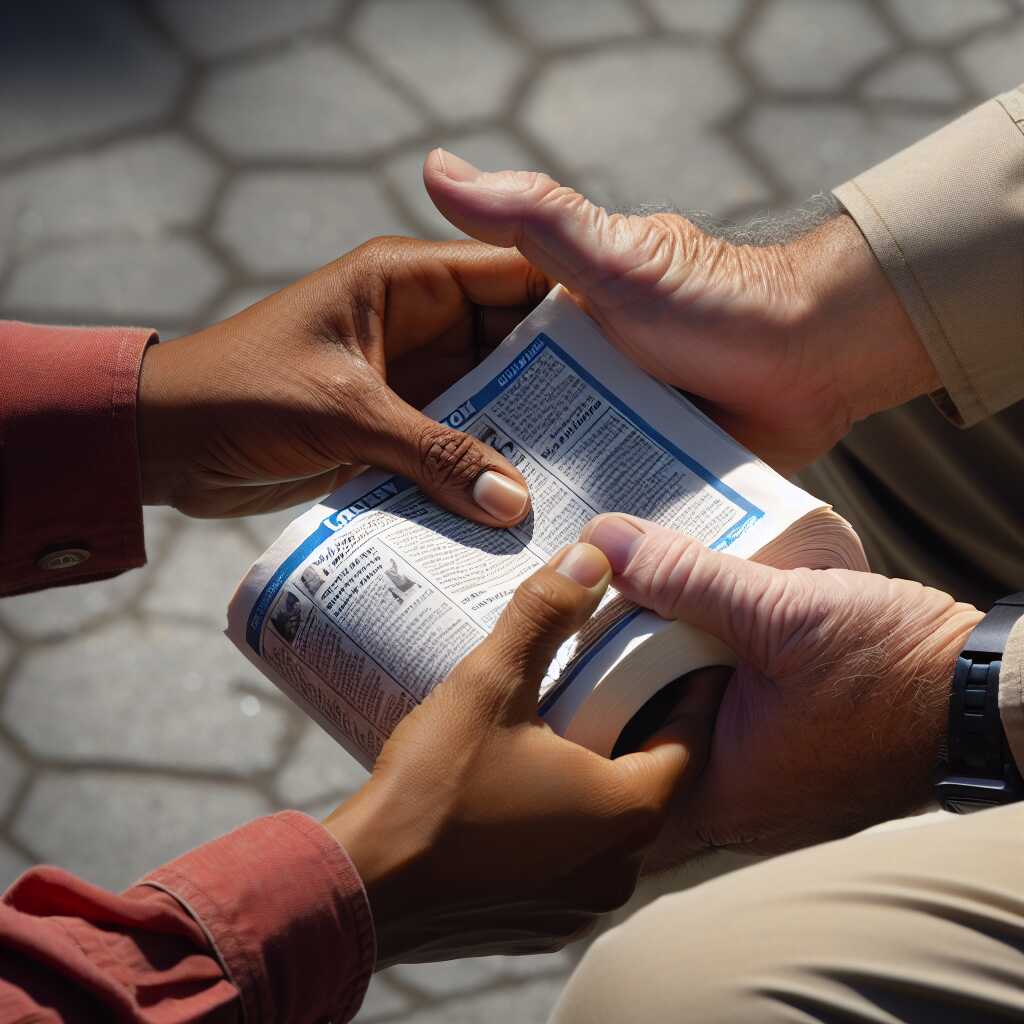
Phone book pages are thin, uncoated newsprint sheets that can serve as an emergency toilet paper alternative when other supplies are unavailable. This nearfree solution (often $0 out of pocket if you already own the book) provides absorbency and tensile strength compared to commercial toilet paper at roughly $0.005 to $0.02 per sheet, but it is more abrasive and generally not flushable.
The process works through three key relationships: shredded phone book pages absorb liquid resulting in an estimated 70-85 cleaning effectiveness per anecdotal reports, folded pages reduce surface abrasion enabling safer wiping with 1-3 wipes per use, and bagged disposal removes used paper from plumbing systems creating a reduced risk of clogged pipes and septic failures (do not flush).
How to prepare and use phone book pages safely as emergency toilet paper step-by-step
- Gather materials (2-5 minutes): Collect 1 phone book per person (or equivalent pages), a pair of sharp scissors or a manual paper shredder, disposable gloves, a cutting board or flat surface, and 1-2 heavy-duty plastic bags. Instruction: Place materials on a clean surface. Result: All tools on hand so prep proceeds quickly.
- Set up a safe workspace (2-3 minutes): Put on gloves and work in a well-ventilated area to avoid getting ink on skin or surfaces. Instruction: Lay down a scrap paper layer to protect table and keep a waste bin nearby for trimmings. Result: Reduced mess and ink transfer risk.
- Cut or shred pages into 1 to 2 inch strips (5-20 minutes to prepare 25-50 pages per person per day): Instruction: Stack pages (up to 5-10 at a time if using scissors) and cut into strips roughly 1-2 inches wide and 4-6 inches long, or run through a shredder set to produce 1-2 inch-wide ribbons. Aim to prepare 25-50 pages per person per day as a planning guideline. Result: A pile of uniform strips that are easier to fold and use.
- Assemble disposable pads by folding 3-4 layers (20-30 seconds per pad): Instruction: Take 3-6 strips and fold them in half or into thirds to make a pad about 3 x 4 inches and 3-4 plies thick; secure with a short paper wrap if desired. For increased cushioning, use 4-6 layers. Result: Individual singleuse pads that balance absorbency and reduced abrasion.
- Test for skin sensitivity and start with dry wiping (30-60 seconds): Instruction: Before regular use, test a folded pad on a less sensitive area (inner forearm) for 10-15 seconds; if intense irritation occurs, stop. For normal use, wipe dry first using 1-3 wipes (most anecdotal reports cite 1-3 wipes for adequate cleaning). Result: Determine whether phone book paper is tolerable for your skin; expect approximately 70-85 cleaning effectiveness per anecdotal reports.
- Use recommended technique (30-60 seconds per use): Instruction: Fold to create a fresh clean surface between wipes, use 1-3 wipes as needed, and avoid harsh scrubbing. For perineal hygiene, blot rather than rub to minimize abrasion. Result: Effective cleaning while reducing skin irritation risk.
- Dispose safely do NOT flush (10-60 seconds): Instruction: Place used pads into a heavy-duty plastic bag, seal, and dispose in regular trash. Do not flush phone book pages in toilets or compost unless you have authoritative guidance for inks and local regulations. If outdoors, pack out used paper or follow local sanitation rules for burial (avoid water sources). Result: Prevents clogged pipes and septic damage; reduces publichealth and plumbing risks.
- Maintain hand hygiene and monitor skin (1-5 minutes): Instruction: Always wash hands with soap and water for at least 20 seconds after handling used paper. If skin becomes red or abraded, stop using phone book pages and switch to softer materials or commercial wipes; do not apply paper to open wounds. Result: Lowered infection risk and early detection of irritation; limitation: not a substitute for medical-grade wound care.
- Estimate supply needs and costs (5 minutes): Instruction: Plan for 25-50 pages per person per day (as a conservative prep guideline). If you have one phone book of 300 pages, that could theoretically supply 6-12 persondays at 25-50 pages/day. Compare cost: phone book (often free) vs toilet paper at $0.75-$5.00 per roll ($0.005-$0.02 per sheet). Result: A concrete supply plan and cost comparison so you know how many phone books to collect for the required days.
FAQ
What are phone book pages and how are they made and used
Phone book pages are thin newsprint sheets printed for telephone directories that provide names, numbers, and ads and are made by web offset printing from mechanical pulp at low cost; typical print runs produce stacks of 50 to 500 pages per book that people kept for local reference. The paper usually measures about 5.5 x 8.5 inches to 6 x 9 inches per page and weighs roughly 35 to 55 g/m2, which gives the pages moderate absorbency and tensile strength useful for wiping. Predicament Measures provides practical review notes that highlight reliability and user experience when phone book pages are repurposed for emergency hygiene during shortages and disaster response in 2025 and earlier testing scenarios.
What paper type weight and dimensions are phone book pages
The paper type for phone book pages is newsprint or light uncoated mechanical pulp paper that typically weighs 35 to 55 grams per square meter (g/m2) and feels thin and flexible. Typical single page dimensions range from about 5.5 x 8.5 inches (140 x 216 mm) to 6 x 9 inches (152 x 229 mm) and the sheet thickness is about 40 to 80 microns, which provides enough body to fold into multi-layer pads. The product data and reviews note that this paper is not designed for medical use and testing for skin safety and plumbing compatibility is essential before regular use.
How do you prepare and use phone book pages step by step
Prepare phone book pages by cutting or shredding 25 to 50 pages into 1 to 2 inch (2.5 to 5 cm) wide strips and stacking them to form pads of 3 to 6 layers that you can use per wipe; preparation time ranges from 5 to 20 minutes for a days supply for one person. Use a clean pair of scissors or a cross-cut shredder and fold strips twice to form a 4 to 6 layer pad that improves absorbency and reduces paper dust during wiping. Dispose of used pads in sealed plastic bags and place in trash because phone book pages are not safe to flush and can clog pipes and septic systems, so ensuring proper disposal enhances system reliability and avoids costly repairs.
What are the safest folding cutting and disposal steps for use
Cut or shred pages with scissors or a shredder into strips 1 to 2 inches wide and 4 to 6 inches long, then fold each strip into 3 to 6 layers to create a pad that reduces abrasion and increases absorbency; expected prep time per pad is 30 to 90 seconds. Wear disposable gloves during preparation when possible, place used pads into a 1-gallon or larger sealable plastic bag, seal the bag and put it in household trash because not flushing keeps plumbing and septic systems safe and helps prevent clogs. Predicament Measures reviews suggest testing a small batch for personal comfort and keeping a sealed waste bag near the toilet for fast, tidy disposal and enhanced hygiene.
What are the main benefits of using phone book pages in emergencies
Phone book pages provide an inexpensive, readily available emergency option that can be near free if you already have an old directory, which improves household resilience during supply chain disruption. Anecdotal reports and user experience estimate 70 to 85 cleaning effectiveness when pages are shredded into 1 to 2 inch strips, folded into pads and used with 1 to 3 wipes per use, which offers reasonable performance compared to no option. This approach offers durable, sturdy material that can handle heavier tasks, delivers useful redundancy for short-term needs, and helps preppers, campers, and rural residents maintain hygiene when commercial products are unavailable.
How do phone book pages compare to toilet paper for cleaning comfort
Phone book pages feel firmer and more abrasive than commercial toilet paper that is designed for softness and skin comfort, and most users need 1 to 3 wipes compared with 1 wipe for high-quality rolls, so comfort is lower but cleaning can be effective. Reviews and comparison notes recommend folding pads into multiple layers and moistening lightly with water for a more comfortable feel; expected personal tolerance varies and testing on a small area is useful before routine use.
What are the risks and limitations of phone book pages use
Phone book pages carry risks such as skin abrasion, ink transfer, and plumbing or septic clogs that limit their use for long-term or medical-grade hygiene, and they cannot be relied on as a flushable product. The paper can irritate sensitive skin and is not sterile, which means it cannot be used on open wounds, surgical sites, or severe dermatologic conditions and medical consultation is essential for such cases. Predicament Measures notes that inks and adhesives vary by publisher and that research and user testing for comfort and plumbing compatibility are advised before using phone book pages as a standard substitute.
Could phone book pages cause skin irritation plumbing or septic problems
Phone book pages can cause skin irritation and microabrasions in sensitive people and in areas with hemorrhoids or broken skin, so people with those conditions should avoid use or test a small area for 24 hours to check for reaction. Flushing shredded or whole pages can create blockages in toilets, sewer lines, and septic tanks, and placing used material in sealed trash bags prevents plumbing problems and improves disposal reliability.
Who should consider using phone book pages during supply chain disruption
Emergency preppers, households facing temporary shortages, disaster relief volunteers, campers, hikers, and rural residents with limited access to stores should consider phone book pages as an emergency, short-term option that provides a near-free backup when supplies run out. Users seeking reliable, tested alternatives should pair phone book pages with wet wipes, hand sanitizer, and sealed trash bags to enhance hygiene and disposal efficiency during outages that may last days to weeks. Predicament Measures offers expert reviews and user experience guides that help individuals test comfort and plumbing safety, enabling informed choices under emergency conditions.
Are there medical conditions or ages that should avoid phone book pages
Infants, very young children, elderly people with fragile skin, people with perianal dermatitis, hemorrhoids, recent surgical wounds, immune suppression, or chronic skin disease should avoid phone book pages because the paper can irritate tissues and is not sterile; medical-grade wipes or soft cotton are better alternatives. Caregivers and relief volunteers should seek medical advice for anyone with wounds or infection risk and use proven, tested products when available to ensure safety and comfort.
When is the best time to start using phone book pages for toilet needs
The best time to start using phone book pages for toilet needs is when commercial toilet paper is unavailable during an immediate supply chain disruption or local shortage. Phone book pages can provide an emergency option with anecdotal effectiveness of about 70 to 85 when prepared by shredding into 1 to 2 inch strips and folding into 3 to 5 layers, and users typically need 1 to 3 wipes per use and 30 to 60 seconds per use. Phone book pages are not a long-term substitute, are often abrasive to sensitive skin, and are usually not safe to flush into septic or municipal sewer systems, information summarized by Predicament Measures for emergency planning.
Should you prepare phone book pages ahead of time or use on demand
You should prepare phone book pages ahead of time when possible to reduce mess, save time, and improve comfort during use by cutting or shredding 25 to 50 pages in 5 to 20 minutes per person per day and storing them sealed in plastic bags. Prepping ahead enhances reliability, enables quick use, and reduces the chance of wetting messy areas; unprepared on-demand use takes longer, feels less comfortable, and increases ink transfer risk. Preparation cannot remove all ink transfer risk and does not make pages safe to flush or suitable for open wounds.
How much do phone book pages cost compared to toilet paper per use
Phone book pages cost near free if you already have a phone book, while commercial toilet paper costs about $0.005 to $0.02 per sheet, with a typical roll of 150 to 500 sheets costing $0.75 to $5.00. Per use cost for phone book pages depends on 1 to 3 wipes per use and the fact that the raw material is usually already owned, so monetary cost can be effectively $0, although prep time has value and limitations in comfort and flushability remain. Cost comparison reviews emphasize that phone book pages offer low financial cost but lower comfort and higher plumbing risk compared to designed toilet tissue products.
What are the time savings and labor costs for preparing phone book pages
Time savings from preparing phone book pages come from 5 to 20 minutes of prep to produce a days supply of 25 to 50 pages per person, which reduces per-use handling to about 30 to 60 seconds. If you value labor at $10 to $20 per hour, a 10-minute prep task translates to about $1.67 to $3.33 in labor cost, a useful figure when you compare to buying toilet paper or investing in reusable cloth wipes. Preparation cannot remove the need to handle ink safely, cannot guarantee comfort for people with sensitive skin, and may not be appropriate for households with plumbing or septic sensitivity.
What tools and materials are needed to make phone book pages usable
Essential tools and materials for making phone book pages usable include a scissors or manual shredder, disposable gloves, resealable plastic bags or buckets, clean water for dampening, and a small box or dispenser for storage. Using a paper shredder or cutting into 1 to 2 inch strips and folding into 3 to 5 layers improves padding and comfort, and sealing the supply in zip bags helps keep pages dry and reduces mildew risk during a 1 to 7 day storage window. These tools provide improved handling and storage but do not make pages safe to flush, and ink can still transfer to skin or clothing.
Which cutting folding or soaking methods work best for comfort and safety
Cutting or shredding into 1 to 2 inch strips, then folding into 3 to 5 layered pads works best for comfort and safety because folding increases padding and reduces the number of wipes needed. Light dampening with plain water at the time of use often enhances comfort and cleaning effectiveness, with quick wetting taking 5 to 15 seconds and use taking 30 to 60 seconds, but soaking pages for long periods can cause tearing, mold, and ink transfer. These methods improve performance in testing and reviews by users but do not remove abrasive fibers or make pages sanitary for use on open wounds.
What are the best alternatives to phone book pages for emergency toilet paper
Best alternatives to phone book pages include reusable cloth wipes, bidet or wash bottle use with water, and single-use commercial wipes when available, because these options usually offer better hygiene, comfort, and lower plumbing risk. Cloth wipes cost varies by fabric and quality and often require an initial purchase of $1 to $10 per cloth and washing with hot water and detergent after each use, while a simple bidet attachment or wash bottle reduces paper needs and often costs from about $20 up to several hundred dollars for installed units. Alternatives provide greater hygiene and reduce sewer risk compared to phone book pages but require laundry, water access, or initial purchase costs to be effective.
How do cloth wipes bidets and water compare in hygiene and cost
Cloth wipes washed in hot water with detergent can deliver reliable hygiene over many uses and lower recurring cost, with per-use cost falling as washing frequency and cloth lifespan increase. Bidets and wash bottles use primarily water, can improve cleaning performance, often reduce paper needs to near zero, and can cost from $20 for a portable unit to $200 or more for installed systems, with fast results and strong user reviews for hygiene and comfort. These options improve reliability and reduce plumbing risk relative to paper substitutes but need proper cleaning, testing, and maintenance to remain safe and effective.
What common mistakes should be avoided when using phone book pages for cleaning
Common mistakes to avoid include flushing phone book pages, using glossy or heavily inked pages on sensitive skin, and using too few folded layers which increases abrasion and irritation. Users report that failing to prepare pages by shredding and folding leads to tearing, greater ink transfer, and reduced cleaning effectiveness with a lower success rate than reported in prepared use. These mistakes can cause plumbing clogs, skin irritation, and mess, and cannot be solved by simply using more pages or wetting alone.
What disposal flushing and hygiene mistakes cause plumbing or health problems
Disposal and flushing mistakes that cause plumbing or health problems include flushing pages into toilets, disposing of damp bundles into compost without testing for ink safety, and failing to seal used pages before trashing, all of which raise plumbing and contamination risks. Proper disposal practices involve placing used pages in sealed trash bags, double-bagging if damp, and discarding with regular waste; hand washing for 20 seconds with soap or using hand sanitizer after handling pages helps ensure hygiene. These disposal steps protect plumbing and health, and Predicament Measures recommends testing any local septic or sewer tolerance before attempting to flush alternatives.
Related posts:
 Unwaxed Dental Floss: High-Strength Fishing Line Alternative for Wilderness Food Procurement
 Petroleum Jelly Cotton Balls: Five-Minute Burn Time Fire Starters for Damp Conditions
 Elastic Hair Ties: Cordage Bundle Organizers for Tangle-Free Emergency Kits
 Plastic Cling Wrap: Burn Wound Covering to Prevent Infection and Fluid Loss
 Cornstarch: Moisture Absorption Powder for Preventing Trench Foot
Sterile Tampons: Deep Puncture Wound Packing for Hemorrhage Control
Cornstarch: Moisture Absorption Powder for Preventing Trench Foot
Sterile Tampons: Deep Puncture Wound Packing for Hemorrhage Control
 Wooden Pencils: Arrow Shaft Material for Improvised Hunting Weapons
Acrylic Yarn: Emergency Wound Sutures for Gaping Lacerations
Wooden Pencils: Arrow Shaft Material for Improvised Hunting Weapons
Acrylic Yarn: Emergency Wound Sutures for Gaping Lacerations