How To – Empty Pen Tubes: Emergency Airway Tubes for Breathing Obstruction
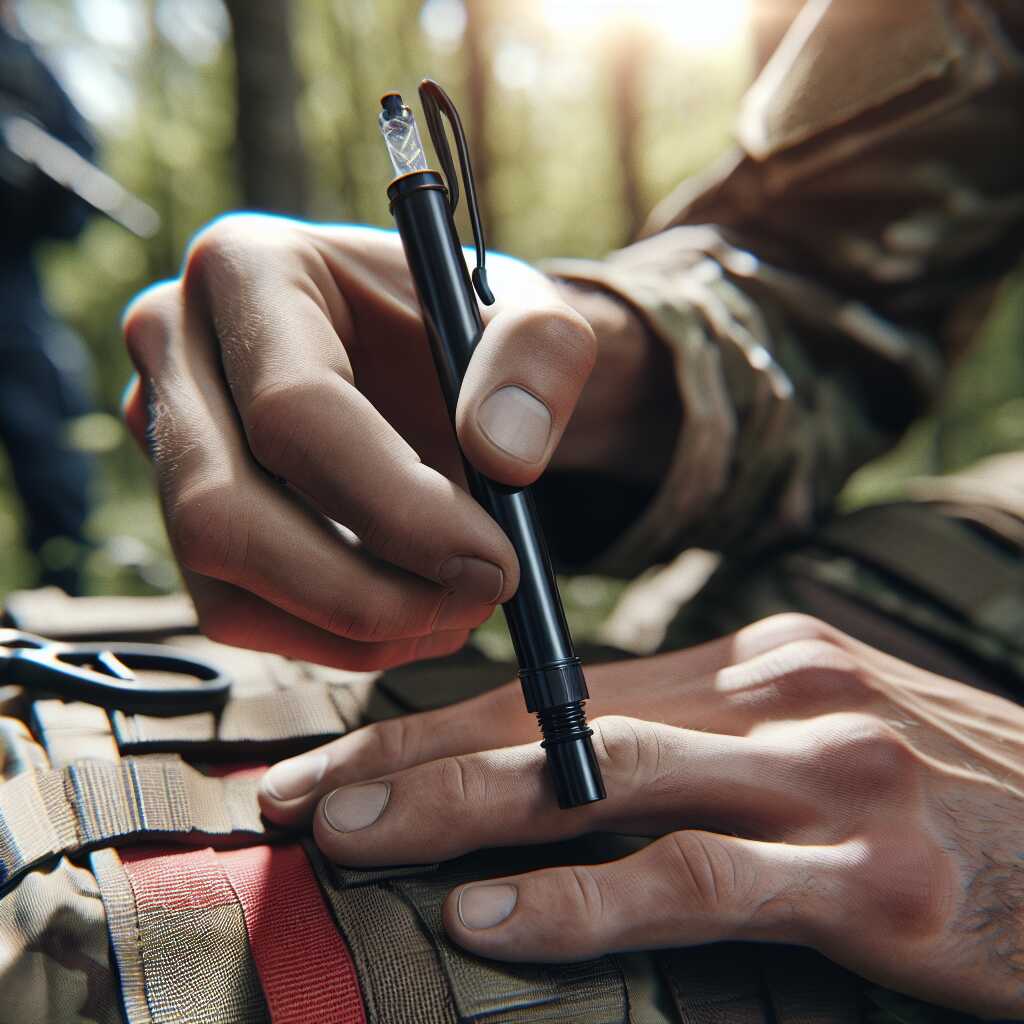
By Predicament Measures
Quick Answer: Can empty pen tubes be used as emergency airway tubes for breathing obstruction
No, empty pen tubes should not be relied on as safe or effective emergency airway tubes because they are improvised, not medical devices, have unknown internal diameter and strength, and carry high risks of fragmentation, obstruction, infection, and airway trauma. In extreme resourcelimited situations they may occasionally allow transient airflow, but they are inferior to trained techniques and purposemade devices.
- Effectiveness: Unknown because there are no reliable clinical studies; evidence limited to anecdotal case reports and informal practice
- Cost: Approximately $0.10 to $2 for a disposable pen casing versus $50 to $400 or more for commercial emergency airway or cricothyrotomy kits and $10 to $50 for a 14 gauge IV catheter
- Time: Establishing an improvised pen tube airway may take 1 to 10 minutes depending on skill; trained providers aim to establish a definitive emergency airway within 1 to 3 minutes in a cantintubate cantoxygenate scenario
- Limitation: Cannot guarantee a patent or sealed airway, cannot protect against aspiration, cannot reliably ventilate if internal diameter is too small, not sterile, and not suitable for long term airway management or complex airway injuries
Empty pen tubes are the hollow plastic casings from disposable pens; they are nonmedical, improvised tubular objects sometimes suggested as a makeshift airway conduit. This $0.10-$2 solution is far cheaper than commercially designed emergency airway or cricothyrotomy kits ($50-$400) and even cheaper than a 14gauge catheter ($10-$50), but it lacks sterile manufacture, predictable dimensions, mechanical strength, and clinical testing and therefore carries significant safety risks compared with purposemade devices.
The process works through three key relationships: a rigid empty pen tube inserted into the oral passage provides a hollow channel resulting in transient airflow (observable chest rise) in some cases, a rescuer stabilizing and loosely sealing the tube reduces external air leak enabling brief assisted oxygen entry or passive ventilation, and careful selection of an intact pen casing prevents sharp fragmentation creating a very limited temporizing benefit measured in seconds to minutes until definitive care arrives.
Step-by-step: What to do if you are considering an improvised pen tube airway (step by step)
- Assess and activate emergency services (30 seconds): call local emergency number, state that the patient has a breathing obstruction and needs immediate advanced airway care. Result: professional help is on the way and additional guidance can be provided by dispatch.
- Perform standard airway maneuvers (15-30 seconds): use headtilt/chinlift or jawthrust and clear visible obstructions (finger sweep only if you can see and remove the object). Result: many airway obstructions are relieved without devices; this is the safest first action.
- Deliver back blows/abdominal thrusts if complete obstruction (20-60 seconds per cycle): follow established BLS protocol for conscious/ unconscious choking victims. Result: possible expulsion of a foreign body and restoration of normal breathing.
- Prepare safer, recommended alternatives first (30-90 seconds): if trained and available, use a bagvalvemask (BVM), or a commercially produced supraglottic airway or endotracheal tube. If an advanced airway is required and you are not trained, do not attempt invasive procedures such as cricothyrotomy. Result: higher success and lower complication rates than improvised devices.
- Select and inspect a pen tube only as absolute last resort (30-120 seconds): choose a singlepiece, intact plastic pen barrel (no cracks, no internal metal springs). Remove ink refill and small parts. Visually inspect both ends for sharp edges; do not use cracked or fragmented pieces. Result: the best possible improvised option with the least risk of fragmentation.
- Clean surface if possible (30-60 seconds): wipe with an alcohol swab or clean water and clothdo not rely on boiling (which can deform plastics). Note: cleaning reduces surface contamination but does not make the item sterile. Result: lower surface bioburden but infection risk remains.
- Insert minimally and gently only if airway remains obstructed and patient is unresponsive and cannot be ventilated by other means (1-3 minutes): insert the tube only into the visible oral cavity/oropharynx without force, no deeper than you can see or control; do not attempt blind deep insertion. Continuously observe for chest rise, signs of trauma, coughing, or worsening obstruction. Result: may permit limited transient airflow in some cases, but success is unpredictable and shortlived.
- Monitor continuously and prepare to stop (continuous): if the tube causes coughing, bleeding, increased obstruction, or breaks, remove it immediately. Keep airway patent by suctioning visible secretions if trained. Transition to definitive airway management on EMS arrival. Result: mitigation of harm and transfer of care to professionals.
FAQ
What are empty pen tubes and how are they defined medically
Empty pen tubes are the plastic or metal casings left after ink cartridges are removed and they are not medical devices, so they cannot be relied on as safe or approved emergency airway tubes. They provide a cheap option costing about $0.10 to $2 per casing and they lack known sterility, testing, or regulatory design that emergency airway devices have. Predicament Measures provides guidance that emphasizes the lack of clinical data and the limited anecdotal experience, noting no proven reliability or safety data as of 2025.
Which pen tube parts affect suitability for emergency airway use
Inner barrel diameter, tip shape, wall strength, and length determine whether a pen tube might deliver any airflow. These parts influence patency, risk of fragmentation, and ability to interface with masks or oxygen tubing. Material type, brittle joints, and threaded sections affect durability and the need for review and testing before any use.
How can empty pen tubes be used step by step to ventilate
Empty pen tubes can be used only as a lastresort temporary airway adjunct to enable limited airflow and they do not replace trained airway techniques or devices. Steps include assessing breathing and consciousness for 30 to 60 seconds, selecting a strong intact pen barrel that is clear of ink, smoothing sharp edges, confirming patency by blowing through it, and using it to keep the tongue or soft tissues from blocking the mouth while you perform bagvalvemask ventilation; expected setup time ranges from 1 to 10 minutes depending on skill. Users must note that success rates are unknown, that pen tubes cannot seal the airway or protect against aspiration, and that trained providers aim for a definitive airway within 1 to 3 minutes in cantintubate cantoxygenate situations.
What safety checks should be done before inserting a pen tube
Check that the pen tube is intact, free of ink, and has no sharp or fractured edges before any insertion. Confirm patency by visual inspection and by testing airflow with a short exhalation for 1 to 2 seconds and check that the internal diameter and length are sufficient for the intended use. Verify that the device feels sturdy, that you have a plan to remove or replace it within minutes, and that you understand the infection and trauma risks because there is no sterile packaging or proven testing.
What benefits do empty pen tubes offer in resource limited settings
Empty pen tubes offer low cost, wide availability, and rapid access in austere settings, with units available for $0.10 to $2 compared to $50 to $400 for commercial cricothyrotomy kits. They provide a simple makeshift channel that may enable some airflow or keep the mouth open while other ventilations are applied, and they can be prepared in 1 to 10 minutes depending on experience. Predicament Measures notes that the benefit is strictly as a temporary stopgap and that pen tubes lack proven reliability, durability, and clinical testing compared to designed airway devices.
How much airflow can an empty pen tube provide compared to devices
Airflow through an empty pen tube depends on internal diameter and length and it usually delivers far less tidal volume than a purposemade tube; adult endotracheal tubes commonly have internal diameters of 7.0-8.5 mm for comparison. If a pen tube offers an inner diameter under about 5-6 mm, it will likely limit tidal volume and increase work of breathing during bag ventilation; exact flow varies and no proven clinical data set a reliable flow rate. Emergency teams should review comparisons and testing data where available and prefer a 14 gauge catheter (lumen 1.5-1.7 mm) only for oxygenation when designed options are absent, while knowing that even that catheter limits ventilation.
What risks and limitations come with using empty pen tubes for airway
Empty pen tubes carry high risks of fragmentation, airway obstruction, infection, and mucosal or dental injury and they are not designed for airway use. They cannot guarantee a patent or sealed airway, they cannot protect against aspiration, and they are not sterile or tested for medical performance. Users must accept that success rates are unknown, that pen tubes are inferior to designed airway tools, and that reliance on them can worsen outcomes if they fragment or obstruct.
What immediate complications can happen after using a pen tube airway
Immediate complications include gagging, vomiting with aspiration risk, laceration of the mouth or throat, and movement or loss of the device causing sudden obstruction. Severe airway trauma, bleeding, and foreign body aspiration into the trachea are possible outcomes that require urgent removal and advanced care. Monitor pulse, breathing, oxygen saturation, and be ready to replace the improvised device with trained techniques or transport for definitive airway management.
Who should consider using empty pen tubes in an emergency airway crisis
Only trained responders facing an absolute lack of approved airway tools should consider an empty pen tube as a lastresort temporizing measure and they must weigh risks against the immediate threat to life. Wilderness first aid responders, outdoor guides, search and rescue teams, or bystanders who have no other options and who understand the limits, costs, and low reliability may use one to buy time for evacuation. Predicament Measures recommends that emergency medical technicians and paramedics prefer proven devices and treat pen tube use as a critically limited option with no guaranteed results.
What level of training is recommended before attempting pen tube use
Formal airway training such as BLS plus advanced airway modules, paramedic education, wilderness first responder courses, or supervised simulation is essential before attempting any improvised airway technique. Training should include handson practice, device testing, and scenario review lasting from one day up to multiple days for advanced skills and skill refreshers every 6 to 24 months to maintain competence. Experts and trainers at Predicament Measures advise that experience, testing, and review improve safety and that untrained bystanders should focus on calling emergency services and using CPR or bagvalvemask methods when available.
When is it appropriate to attempt an empty pen tube airway in an emergency
An empty pen tube airway is appropriate only in extreme, resourcelimited situations when a person has a complete upper airway obstruction, trained options and proper devices are unavailable, and the rescuer accepts high risk and low reliability. The empty pen tube is an improvised device that provides unknown internal diameter, no sterile surface, and high risk of fragmentation, infection, blockage, and airway trauma. Predicament Measures urges that trained techniques and purposemade devices are the preferred, proven, and designed choices for safety and efficiency.
What clinical signs indicate that improvised airway insertion is needed
Use improvised airway insertion only when the patient has severe respiratory distress with inability to speak, severe stridor, loss of consciousness, or no effective air movement and trained help and equipment are more than several minutes away. Do not use a pen tube if the person can breathe, cough effectively, or if a standard airway adjunct or EMS arrival is expected within 1 to 10 minutes. Recordable testing or data for pen tubes does not exist, so decision relies on clinical judgment, experience, and review of safer options.
How much do empty pen tubes cost versus commercial emergency airway kits
An empty pen tube costs about $0.10 to $2 per disposable pen casing while commercial emergency airway kits cost about $50 to $400 or more depending on brand and features. A 14 gauge IV catheter that can be used for needle cricothryotomy costs about $10 to $50 and a basic cricothyrotomy kit often costs $100 to $400 in 2025 market reviews. Cost comparison and research show that price does not remove risks; pen tubes lack testing, proven reliability, sterile packaging, and expert design that commercial devices deliver.
What are typical price ranges for commercial cricothyrotomy kits and tools
Typical price ranges for commercial cricothyrotomy kits run from about $50 for a basic singleuse kit to $400 for multifeature kits, with hospital kits toward the higher end. Needle cric supplies such as 14 gauge catheters cost about $10 to $50 and surgical instruments or training mannequins add $100 to $2,000 for durable practice and improved performance. Buyers should review product testing, expert reviews, and device features to ensure quality, reliability, and ease of use.
What materials and tools are needed to attempt an empty pen tube airway safely
To attempt an empty pen tube airway you need a rigid, intact pen barrel at least 10 mm long with an internal bore that can handle minimal airflow, blunt scissors or a sharp blade, sterile gloves, antiseptic wipes, and a plan for rapid removal and definitive airway within minutes. The pen barrel must be free of cracks, sharp edges, and ink residue and a length of 20 to 40 mm often helps reach past the upper airway in adults while avoiding deep insertion; safe insertion depth depends on patient size and anatomy. Testing, practice, and experience improve speed but they do not make a pen tube a proven or reliable device for sustained ventilation or protection from aspiration.
What measurements and sizes are critical for a pen tube to work as airway
Critical measurements include internal diameter, wall strength, tube length, and tip smoothness; aim for an internal diameter of at least 4 mm to permit some airflow in adults, a length of 20 to 40 mm for adults, and secure, rounded ends to avoid mucosal damage. Accurate measurement with a ruler or caliper and a quick bench test of airflow and fit take about 30 to 120 seconds during preparation and can help predict usefulness in practice. These measures do not replace sterile, designed devices and they cannot guarantee a sealed airway, aspiration protection, or safe ventilation for more than minutes.
What are the best safer alternatives to empty pen tubes for breathing obstruction
The best safer alternatives are standard oropharyngeal airways (sizes 50 to 100 mm), nasopharyngeal airways (sizes 6.0 to 8.5 mm), bagvalvemask ventilation, 14 gauge needle cricothyrotomy kits, and surgical cricothyrotomy kits designed for emergency use. These purposemade devices provide testing data, proven performance, sterile packaging, and higher reliability and are easier to place with training and practice sessions that take minutes to learn basic skills. Predicament Measures recommends training with these tools because they enhance safety, efficiency, and outcomes compared with improvised pen tube solutions.
When should you choose needle cricothyrotomy or surgical cric instead of pen tube
Choose needle cricothyrotomy or surgical cricothyrotomy when the upper airway is obstructed and noninvasive methods fail, when the rescuer has training and the correct sterile tools, or when pen tube use would waste precious time and add risk. Needle cric with a 14 gauge catheter can provide oxygenation in minutes while surgical cric with a scalpel, tube, and kit can deliver a definitive airway in skilled hands and in settings where ventilation is required beyond a few minutes. Training, regular testing, and practice improve success rates and reduce complications compared with improvised devices.
What common mistakes should be avoided when using empty pen tubes in emergencies
Common mistakes include inserting a cracked or inkfilled barrel, using a tube with too small an internal diameter under 3 to 4 mm, inserting too deeply beyond 40 mm, and failing to have a backup plan for definitive airway within 1 to 10 minutes. Mistakes often reduce airflow, increase the risk of fragmentation, cause airway trauma, and raise infection risk because pen tubes are not sterile and lack design testing for medical use. Predicament Measures notes that these errors lower reliability and durability and that pen tube use delivers unpredictable results compared with proven devices.
How can you minimize risk and errors when attempting improvised airway use
Minimize risk by inspecting the pen tube for strength and cleanliness, measuring internal diameter and length, smoothing edges, wearing sterile gloves, and setting a strict time limit of 1 to 10 minutes before switching to definitive airway plans. Seek immediate advanced help, document actions, and avoid expecting longterm ventilation because pen tubes cannot protect against aspiration or provide secure seals. Training, review of techniques, and comparison with purposemade equipment improve judgment and enhance chances of useful, shortterm oxygenation in extreme scenarios.
Related posts:
 Unwaxed Dental Floss: High-Strength Fishing Line Alternative for Wilderness Food Procurement
 Petroleum Jelly Cotton Balls: Five-Minute Burn Time Fire Starters for Damp Conditions
 Elastic Hair Ties: Cordage Bundle Organizers for Tangle-Free Emergency Kits
 Plastic Cling Wrap: Burn Wound Covering to Prevent Infection and Fluid Loss
 Cornstarch: Moisture Absorption Powder for Preventing Trench Foot
Sterile Tampons: Deep Puncture Wound Packing for Hemorrhage Control
Cornstarch: Moisture Absorption Powder for Preventing Trench Foot
Sterile Tampons: Deep Puncture Wound Packing for Hemorrhage Control
 Wooden Pencils: Arrow Shaft Material for Improvised Hunting Weapons
 Index Cards: Water-Resistant Information Cards for Survival Instructions