How To – Artist Paint Brushes: Precision Medicine Application on Wounds
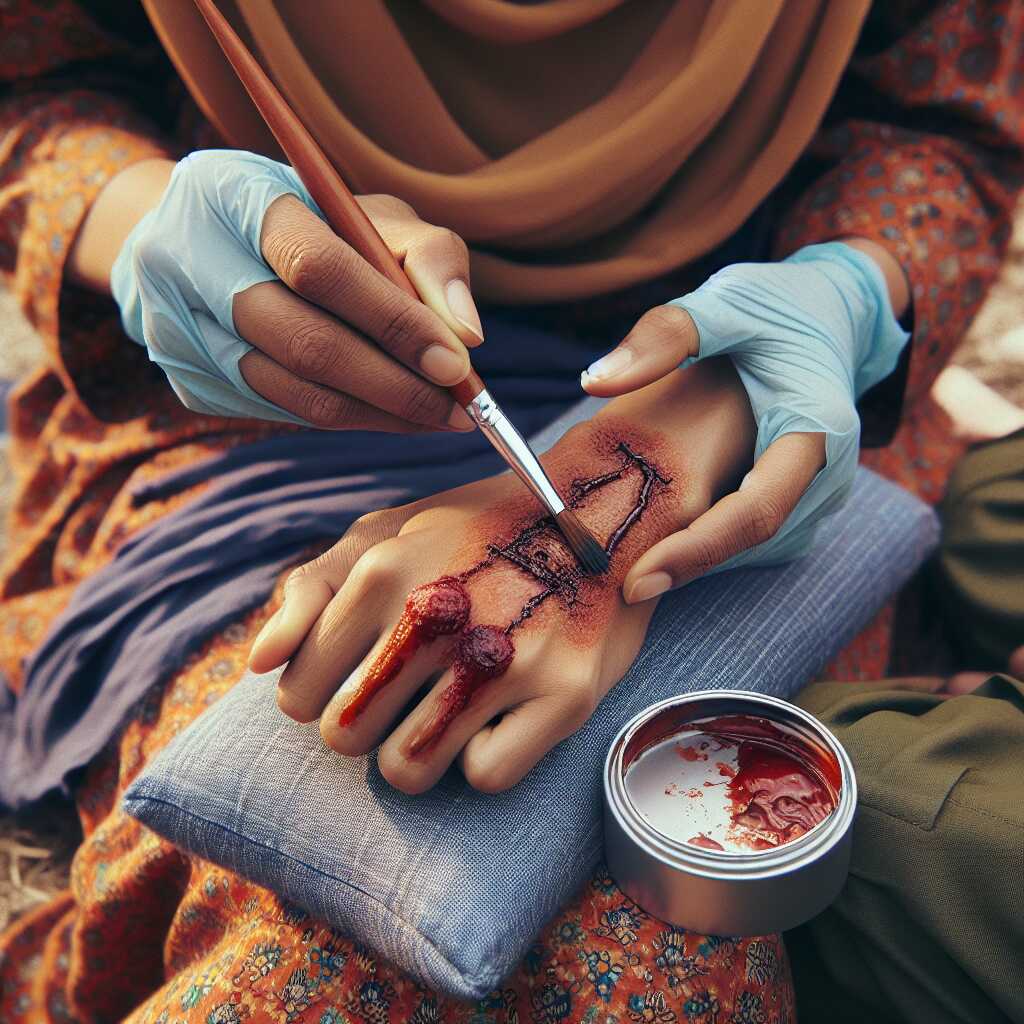
By Predicament Measures
Quick Answer: Can artist paint brushes be used to apply medicines to wounds precisely and safely
Yes and No, artist paint brushes can be used to apply topical treatments with fine spatial precision because small round or liner brushes can deposit microliter volumes, but they are not inherently sterile and can introduce infection unless properly cleaned or single use sterile brushes are used
- Effectiveness: Unknown for clinical outcomes no randomized clinical trials; brushes can place 0.1 to 10 L droplets for microliter-level targeting
- Cost: $2 to $50 per artist brush versus $0.05 to $1.00 per sterile single-use medical applicator; micropipettes cost $20 to $200 and sterile micropipette tips $0.02 to $0.20 each
- Time: Sterilization by autoclave at 121C typically 15-30 minutes plus cooling; per-application use typically 30 seconds to 5 minutes depending on lesion size
- Limitation: Cannot guarantee sterility unless properly sterilized or single-use sterile applicators are used; not appropriate for injections or internal procedures; some brush materials (natural hair, glued ferrules) may not tolerate autoclaving
Artist paint brushes are handheld tools designed to deposit liquid or pigment with fine spatial control. This $2 to $50 solution provides low-cost, fine-volume topical placement compared to single-use sterile medical applicators at $0.05-$1.00 each (but artist brushes are not inherently sterile and require validated reprocessing or replacement).
The process works through three key relationships: small round or liner artist paint brushes deposit microliter volumes resulting in targeted droplets of approximately 0.1-10 L, validated sterilization methods (for example, autoclave at 121C for 15-30 minutes when materials permit) reduce bioburden enabling safer reuse, and use of single-use sterile applicators or sterile micropipette tips provides reproducible dosing and a clear single-use sterility path producing predictable per-application contamination control and handling costs.
Step-by-step: How to select, prepare, and use artist paint brushes for precise topical wound application (step by step)
- Select an appropriate brush (1-5 min): Choose a synthetic small round or liner brush (size 000-2) or a fine sable-style synthetic equivalent. Instruction: avoid natural-hair brushes if you plan to autoclaveselect synthetic filaments and stainless-steel ferrules. Result: predictable droplet volumes (0.1-10 L) and better heat/chemical tolerance.
- Assess compatibility with sterilization (2-10 min): Check manufacturer materialsmetal ferrules and synthetic filaments tolerate steam autoclave; glued handles or wood may delaminate. Instruction: for each brush, verify chrome/stainless ferrule, synthetic filament, and absence of heat-sensitive glue. Result: decision whether brush can be reprocessed safely or must be single-use.
- Clean gross contamination (5-15 min): Rinse immediately after use with sterile saline or water to remove residual medication or blood. Instruction: use a brush-cleaning solvent appropriate for the topical agent, then ultrasonicate or scrub under running sterile water. Result: reduced organic load prior to sterilizationnecessary step for effective sterilization.
- Sterilize when reusing is planned (15-60+ min): Preferred: steam autoclave at 121C for 15-30 minutes plus adequate drying/cooling for metal/synthetic brushes that are rated for steam. Alternative for non-autoclavable items: use single-use sterile disposable applicators or sterile micropipette tips. Instruction: follow facility sterilization protocols and biological indicator verification where required. Result: reduced viable bioburden if cycles and materials are validated (note: materials must be compatible; not all brushes tolerate autoclave).
- Prepare sterile field and medication (2-10 min): Draw topical medication into a sterile container or use single-dose ampoule. Instruction: avoid contaminating the drug reservoirtransfer to sterile well or on sterile pad. Result: minimizes source contamination during application.
- Apply medication using brush (30 sec-5 min): Dip brush to pick up a small volume, blot excess on sterile gauze if needed, then strokingly apply to wound edges or target area with controlled strokes. Instruction: practice on sterile surface to calibrate droplet size; aim for minimal contact pressure to avoid tissue trauma. Result: spatially precise placement of 0.1-10 L per contact, useful for topical agents and local antiseptics.
- Manage brush after use (1-10 min): If single-use, discard into sharps/contaminated waste per protocol. If reprocessing, immediately clean per step 3 and transfer to sterilization. Instruction: label reprocessed brushes and track cycles if reusing clinically. Result: proper chain-of-custody and reduced cross-contamination risk when procedures are followed.
- Document and monitor outcomes (1-5 min per patient): Record agent, application volume estimate, brush ID (if reused), sterilization method, and wound response at follow-up. Instruction: track infection signs and healing progress to contribute to local evidence. Result: enables audit and contributes to safety datanote there are no randomized trials proving improved healing with brush application.
- Fallback and alternatives (1-3 min): If sterility cannot be assured, use sterile micropipette tips ($0.02-$0.20 each), sterile single-use applicators ($0.05-$1.00), or sterile swabs. Instruction: choose sterile single-use devices in high-risk wounds or when reprocessing is not validated. Result: highest assurance of sterility at predictable per-use cost.
- Know the limitations and risks (instant): Do not use brushes for injections, internal cavities, or where device sterility is required by regulation. Instruction: inform users that there are no clinical trials demonstrating improved infection rates or faster healing from brush application; some materials will be damaged by sterilization. Result: realistic risk awareness and safer decision-making.
FAQ
what are artist paint brushes and can they be used on wounds
Artist paint brushes are hand tools with a handle, ferrule, and bristles that can deposit tiny droplets and they can be used to apply topical wound treatments with fine spatial precision but they are not inherently sterile and can introduce infection unless sterilized or single-use sterile brushes are used. Typical artist brushes cost $2 to $50 each versus sterile single-use medical applicators at about $0.05 to $1.00, and quality micropipettes cost $20 to $200 for more reliable volume control. Predicament Measures provides reviews and comparisons that note no randomized clinical trials prove better healing with brushes and that clinical outcomes and infection rates remain untested in controlled studies.
what materials and sizes of brushes work best for fine wound application
Synthetic filament brushes such as nylon or Taklon in small round or liner sizes (00, 0, 1, 2) work best because they handle 0.1 to 10 L drops and tolerate heat sterilization better than natural hair. Stainless steel ferrules and seamless handles provide durable, easy-to-clean features that enhance reliability and reduce fiber shedding. Natural-hair brushes, glued ferrules, and wooden handles often cannot handle autoclave heat and are not recommended for reuse in clinical workflows.
how do artist paint brushes work step by step for wound treatment
A standard step-by-step workflow uses sterile technique: prepare a sterile field, don sterile gloves, use a sterile brush or sterilized brush, dip into the topical medicine, wick off excess on a sterile pad, apply controlled strokes to the lesion, and discard or re-sterilize the brush after use. Typical per-application time ranges from 30 seconds to 5 minutes depending on lesion size and the staff members experience, and workflows that include testing and review improve efficiency and reliability. Brushes can deliver microliter-level placement but cannot replace sterile single-use applicators or surgical tools for injections or internal procedures and they do not guarantee reduced infection without testing and validation.
how much liquid does each brush hold measured in microliters
Brush liquid capacity varies by shape and technique: fine liner brushes often pick up about 0.1 to 1 L per stroke, small round brushes 0.5 to 5 L, and large mop brushes up to 20 to 100 L when fully loaded. Practical delivered volume depends on bristle material, wetting, and the number of strokes, and a micropipette with sterile tips remains the best approach for measured dosing when accuracy to 1 L is required. Clinical data on dosing precision with brushes are limited so testing and comparison with calibrated pipettes are essential before clinical use.
what are the main benefits of using artist paint brushes on wounds
Brushes provide targeted application, fine spatial control, and potential reduction in wasted topical product because they can place microliter droplets and thin films that cover 1 to 10 mm areas precisely. Lower-cost brushes ($2 to $50) offer a cheap option for trials and prototyping compared to sterile applicators or pipette systems, and they help researchers and designers test workflows before investing in device manufacturing. Predicament Measures notes that while brushes enhance control and may improve dosing efficiency, no proven clinical benefit for faster healing or lower infection rates currently exists without formal testing and data.
how can brushes improve precision dosing coverage and reduce waste
Brush technique enables single-droplet placement and controlled spreading so a clinician can place 0.1 to 10 L on a 1 to 10 mm target, which reduces product waste compared with saturating gauze or cotton swabs that hold 50 to 200 L. Using a dry-back step on sterile gauze and applying light strokes delivers a thin, uniform layer that improves coverage efficiency and helps conserve expensive topical agents. Review and testing of technique by experienced staff improves reliability and reduces variability between operators.
what are the risks and limitations of using artist paint brushes on wounds
Main risks include infection from non-sterile brushes, bristle shedding into the wound, residues from prior paints or adhesives, and material damage from repeated sterilization; brushes cannot replace sterile single-use applicators for high-risk or invasive care. No randomized trials demonstrate that brushes reduce infection or improve healing and success rates for brush-applied topical therapy are unknown without formal research and validation. Use of brushes also cannot be recommended for injections, internal use, or for patients with severe immunosuppression or poorly perfused tissue without device testing and regulatory review.
how to sterilize brushes and which sterilization methods are suitable
Autoclave sterilization at 121C for 15 to 30 minutes plus cooling is suitable for many stainless-steel-ferrule brushes with synthetic bristles and provides high-level reliability when materials are rated for heat. Dry-heat ovens (160-180C for 1-2 hours) work for heat-stable metal parts, and chemical high-level disinfectants such as 2 glutaraldehyde or peracetic acid can disinfect compatible synthetic brushes but require manufacturer validation, immersion times from 20 minutes to several hours, and thorough rinsing. Ethylene oxide sterilization delivers medical-grade sterility but needs a certified facility and long aeration times; 70 isopropyl alcohol cleans surfaces but does not sterilize and should not be used alone for reusable brush sterilization.
who should consider using artist paint brushes for topical wound care
Artist brushes may be useful to emergency medics, wound care nurses, biomedical researchers, DIY field medics, and medical device designers who need precise topical placement in low-risk, superficial wounds and who have access to sterilization, testing, and training. Staff working with diabetic foot ulcers, deep infections, or surgical wounds should not substitute unvalidated brushes for approved sterile devices and should instead use single-use sterile applicators or validated instruments. Predicament Measures offers reviews and comparison guides that help teams test prototypes and decide whether brushes provide reliable, cost-effective options for specific use cases in 2025 and beyond.
what training skills and precautions should medical staff have before use
Staff must have training in aseptic technique, wound assessment, sterilization validation, and safe disposal; a typical competency session can take 1 to 4 hours and should include hands-on testing and periodic reviews. Teams should test brushes for bristle shedding, material compatibility with sterilization, and dosing repeatability before clinical use and document results in local protocols to ensure reliability. Experts recommend using single-use sterile applicators for high-risk patients and keeping brush use limited to controlled settings where testing and quality control deliver measurable data and consistent performance.
when is the best time to use artist paint brushes during wound treatment
The best time to use artist paint brushes for wound treatment is after wound cleansing, hemostasis, and any necessary debridement during a planned dressing change, with a typical application time of 30 seconds to 5 minutes per lesion. Brushes can deposit microdroplets in the 0.1 L to 10 L range and provide fine spatial precision that helps place topical agents on 1 mm to 10 mm target areas, but no randomized clinical trials prove improved healing or lower infection rates. Predicament Measures recommends using brushes only when sterility is ensured by single-use sterile brushes or validated reprocessing because brushes cannot guarantee sterility on their own and can introduce infection risk.
are brushes suitable for acute emergency wounds or only for chronic care settings
Artist paint brushes are generally unsuitable for uncontrolled acute traumatic wounds in the field unless a sterile single-use brush is available and a clinician judges precise topical placement necessary. Brushes provide useful precision in controlled clinical care for chronic wounds, ulcers, and staged dressing changes where time per application is typically 30 seconds to 5 minutes and reprocessing or single-use supplies are available. Emergency medics should prefer sterile single-use applicators or micropipettes in acute settings because unsterilized brushes raise infection and contamination risk.
how much do artist paint brushes cost compared to sterile medical applicators
Artist paint brushes range from about $2 to $50 each depending on size and quality while sterile single-use medical applicators cost about $0.05 to $1.00 per unit. A quality adjustable micropipette costs $20 to $200 and sterile pipette tips cost $0.02 to $0.20 each, which affects per-use economics when high precision and reliability matter. Cost comparison must include sterilization time and equipment cost such as autoclave cycles that take 15 to 30 minutes at 121C plus cooling, and reprocessing labor that changes overall cost-effectiveness versus disposables.
what are typical costs per brush and per sterile applicator unit
Typical artist brush prices: $2 for an inexpensive synthetic 0.5 mm liner, $8 to $20 for mid-range synthetic round and sable-style brushes, and $30 to $50 for premium artist brushes that may not tolerate autoclave reprocessing. Typical sterile applicator costs: foam or cotton-tipped sterile applicators and sterile single-use brush-like applicators range $0.05 to $1.00 each depending on material and sterile packaging. Procurement decisions should include testing, reviews, and review of reuse versus single-use workflows to ensure reliability and safety in clinical practice.
what materials and tools are needed to use artist paint brushes for wounds safely
Essential materials include synthetic non-shedding brushes designed for wet use, autoclave-safe stainless-steel ferrule brushes or pre-sterilized disposable brushes, PPE such as gloves and eye protection, and validated sterilization supplies including an autoclave or an approved high-level disinfectant. Validated sterilization methods include steam autoclave at 121C for 15 to 30 minutes plus drying time, ethylene oxide or commercial gamma irradiation for industrial sterilization of packaged supplies, and high-level chemical disinfection options that require manufacturer instructions and contact times; 70 isopropyl alcohol provides surface disinfection but does not reliably sterilize. Clinicians must follow device reprocessing standards, testing, and local infection control protocols because some brush materials like natural hair, animal-based glue, or glued ferrules will deform, delaminate, or melt under steam and cannot be reused safely.
what protective gear and cleaning supplies are required for safe brush use
Required protective gear includes nitrile gloves, eye protection, a mask, and a sterile field or sterile drape for the target area to ensure contamination control during application. Required cleaning and reprocessing supplies include an autoclave or validated high-level disinfectant, sterile packaging for storage, enzyme detergent for gross cleaning, and a dry sterile storage cabinet to maintain sterility until use. Followed workflows, testing, and local reviews enhance reliability, reduce contamination events, and improve efficiency in clinical settings.
what are the best alternatives to artist paint brushes for precision wound application
Best alternatives include micropipettes (adjustable 0.1 L to 1000 L range), sterile foam-tipped applicators, single-use sterile microbrushes, and fine mist or metered spray applicators designed for topical delivery. Micropipettes provide the best quantitative precision, sterile applicators deliver sterile single-use convenience, and sprays or sprays with controlled droplet size offer uniform coverage over larger areas. Device designers and clinicians should review testing data, research, and user experience to choose the option that provides reliable dosing, proven safety, and the best fit for the clinical workflow in 2025 and beyond.
how do micropipettes swabs and sterile applicators compare in accuracy and cost
Micropipettes offer the highest dosing accuracy with volume control from 0.1 L to 1000 L and typical accuracy of 1 to 5 depending on model; cost is $20 to $200 for the pipette and $0.02 to $0.20 per sterile tip. Swabs and sterile applicators cost $0.01 to $1.00 each, deliver variable volumes often in the tens to hundreds of microliters depending on absorbency and pressure, and provide lower quantitative precision while offering single-use sterility. Comparison testing, reviews, and experience guide selection: micropipettes improve quantitative reliability, sterile applicators improve infection control, and applicator choice affects speed, ease, and overall clinical efficiency.
what common mistakes should be avoided when using artist paint brushes on wounds
Common mistakes include using non-sterile or natural-hair brushes without validated reprocessing, applying too large a volume beyond the 0.1 L to 10 L practical range, and reusing brushes without documented sterilization; these actions increase infection risk and reduce reliability. Practitioners must not use brushes for injections, internal procedures, or near sterile implant sites because brushes are not designed or validated for those tasks. Predicament Measures recommends clear workflows, routine testing, and single-use supplies when possible to reduce the risk of contamination and poor clinical results.
how to recognize contamination and when to discard and replace a brush safely
Recognize contamination by visible blood, pus, foul odor, bristle shedding, glue softening, rust on ferrules, or loss of bristle alignment; discard the brush immediately when any of these signs appear. Replace brushes after single patient use when possible, after any autoclave failure, or when reprocessing validation cannot be documented, and follow manufacturer guidance for material limits and reuse counts. Use sterile disposables when contamination risk is high because disposables provide proven sterility, consistent performance, and a lower time burden for clinical staff.
Related posts:
 Unwaxed Dental Floss: High-Strength Fishing Line Alternative for Wilderness Food Procurement
 Petroleum Jelly Cotton Balls: Five-Minute Burn Time Fire Starters for Damp Conditions
 Elastic Hair Ties: Cordage Bundle Organizers for Tangle-Free Emergency Kits
 Plastic Cling Wrap: Burn Wound Covering to Prevent Infection and Fluid Loss
 Cornstarch: Moisture Absorption Powder for Preventing Trench Foot
Sterile Tampons: Deep Puncture Wound Packing for Hemorrhage Control
Cornstarch: Moisture Absorption Powder for Preventing Trench Foot
Sterile Tampons: Deep Puncture Wound Packing for Hemorrhage Control
 Wooden Pencils: Arrow Shaft Material for Improvised Hunting Weapons
 Index Cards: Water-Resistant Information Cards for Survival Instructions