How To – Clear Nail Polish: Screw Thread Locker for Equipment Maintenance
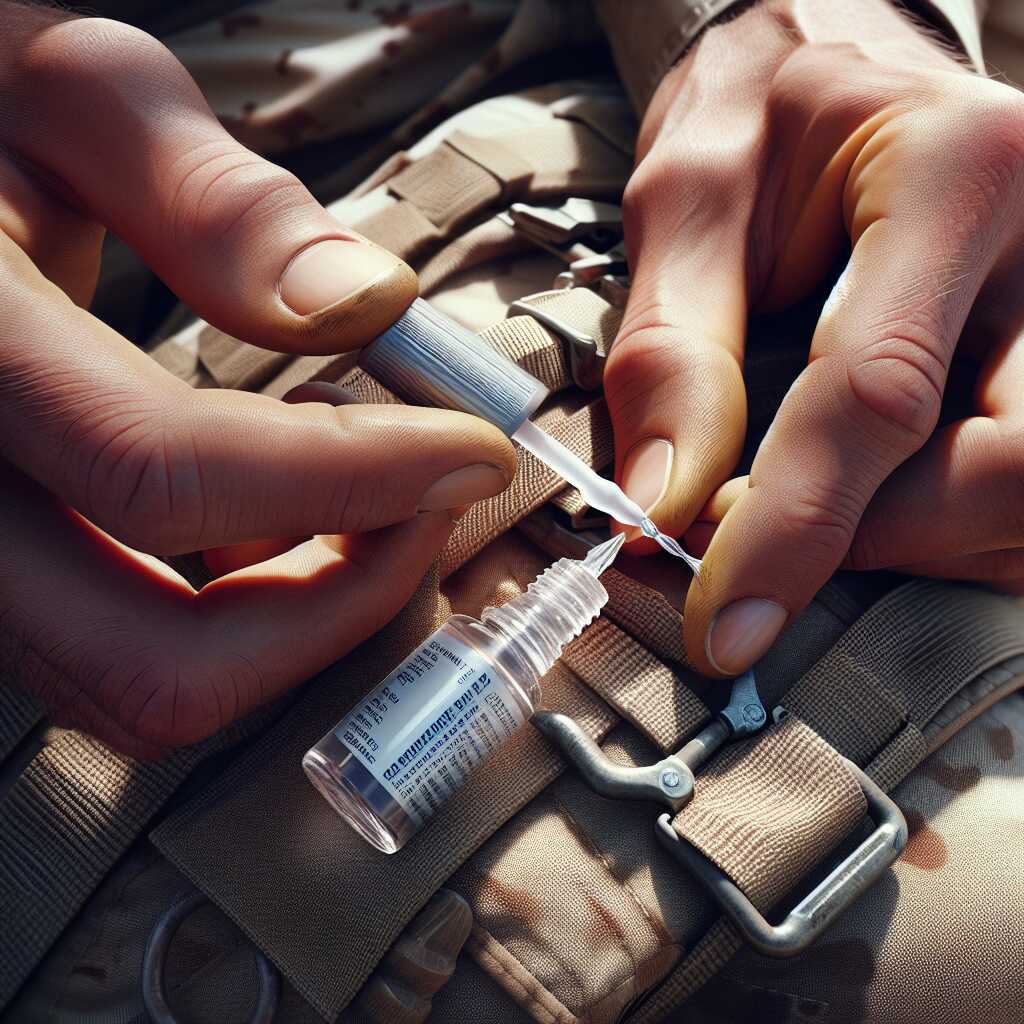
By Predicament Measures
Quick Answer: Can clear nail polish be used as a screw thread locker
Yes clear nail polish can act as a temporary light thread locker because its drying film adds tack and friction that helps stop small screws from backing out but it is much weaker and less durable than purpose made anaerobic threadlockers and is not suitable for safety critical or high vibration applications
- Effectiveness: Low estimated roughly 10 to 30 percent of the holding power of a medium-strength anaerobic threadlocker on small screws in light vibration situations
- Cost: About $1 to $4 per 10 to 15 mL bottle versus $6 to $12 per 10 mL tube for common threadlocker products making nail polish cheaper per bottle
- Time: Dries to touch in 5 to 10 minutes; safe to handle in 15 to 30 minutes; reaches maximum film strength within about 24 hours
- Limitation: Cannot replace anaerobic threadlockers for load-bearing bolts, high vibration, high temperature, or where chemical resistance and peelproof bonding are required
Clear nail polish is a solvent-based lacquer used for cosmetic nail finishing and quick-surface sealing. This $1-$4 per 10-15 mL bottle solution provides a low-cost temporary thread-locking option compared to purpose-made anaerobic threadlockers at about $6-$12 per 10 mL, but it is much weaker and intended only for low-stress, non-critical fixes.
The process works through three key relationships: the dried nail polish film adds tack and friction to screw threads resulting in reduced screw loosening, the resin components increase thread-to-thread friction enabling short-term retention in light-vibration environments, and solvent evaporation hardens the film creating roughly 10-30 of the holding power of a medium-strength anaerobic threadlocker on small screws.
How to use clear nail polish as a temporary thread locker step by step
- Clean the threads (5-10 minutes): Wipe mating threads and screw with a lint-free cloth soaked in 70-99 isopropyl alcohol or a light degreaser until no oil or dirt remains. Instruction: allow surfaces to air-dry completely. Result: polish bonds to clean metal for best adhesion and film formation.
- Apply a thin coat to the screw (1-2 minutes per screw): Instruction: stroke the brush once around the threaded section or apply a small dot to the threads you want to lock; avoid globules and cover only the working thread area. Result: a uniform thin film forms that increases friction when it cures.
- Assemble and wipe excess (1-3 minutes): Instruction: screw parts together while the polish is still wet; immediately wipe any excess away with a tissue or solvent. Result: correct thread engagement and no hardened mess on adjoining surfaces.
- Allow proper drying and cure (dries to touch 5-10 minutes; handle 15-30 minutes; full strength 24 hours): Instruction: leave the assembly undisturbed for at least 15-30 minutes before light handling and preferably 24 hours for maximum film strength. Result: the film hardens and reaches its rated temporary holding capacity (about 10-30 of medium-strength threadlocker on small screws).
- Optional second coat for extra film thickness (additional 5 minutes to apply, add another 30+ minutes before handling): Instruction: after the first coat has set (15-30 minutes), apply a second thin coat to increase film thickness. Result: modestly increased retention time in non-critical, low-vibration uses (does not approach anaerobic threadlocker strength).
- Test fit and torque where applicable (5-15 minutes): Instruction: where possible, hand-check function and, for serviceable parts, torque to the manufacturer’s low-end specification to confirm fit. Result: confirmation the polish-secured screw will perform in its intended light-duty role; do not rely on it to meet structural torque specs.
- Removal for service or repair (1-10 minutes depending on access): Instruction: use acetone-based nail polish remover or concentrated acetone applied with a cloth or cotton swab to soften and dissolve the film; wait, then back the screw out. Result: clean removal without damaging threads when solvent is used; bearings and seals should be protected from solvent exposure.
- Know the limits when not to use it (immediate): Instruction: never substitute clear nail polish for anaerobic threadlockers on load-bearing fasteners, engine components, boat rigging, brake assemblies, suspension parts, or any application exposed to sustained vibration, high temperature, or chemical exposure. Result: avoids catastrophic failure by using the correct engineered product where required.
FAQ
What is clear nail polish when used as a screw thread locker
Clear nail polish is a fast-drying lacquer that provides a thin plastic film that adds tack and friction to screw threads and can act as a temporary light thread locker for small fasteners. Typical bottles are 10 to 15 mL and cost about $1 to $4, which makes nail polish a low-cost option for field repairs and emergency maintenance compared to purpose-made products. This option provides limited reliability and should not replace anaerobic threadlockers for loadbearing bolts, high vibration fasteners, high temperature use, or where chemical resistance and peelproof bonding are required.
How strong is clear nail polish compared to threadlocker
Clear nail polish has low holding strength and delivers roughly 10 to 30 of the holding power of a medium-strength anaerobic threadlocker on small screws in light vibration situations. Nail polish costs about $1 to $4 per 10-15 mL bottle while common threadlocker tubes run about $6 to $12 per 10 mL, so nail polish offers a cheaper per-bottle cost but much lower durability and proven performance. Use testing, reviews, and real-world experience to compare reliability and avoid nail polish for critical fasteners where proven anaerobic adhesives were designed to provide durable, load-capable locking.
How does clear nail polish work step by step as a threadlocker
Clear nail polish works by solvent evaporation that leaves a polymer film that increases friction, fills tiny gaps in thread contact, and resists minor rotation when the film hardens. Clean the threads, apply a thin coat of polish to the male threads or screw head, assemble before tack becomes too firm, wipe excess polish, and allow the film to dry to the touch in 5 to 10 minutes, handle in 15 to 30 minutes, and reach near full film strength in about 24 hours. This step-by-step method provides a simple testable repair approach that helps ensure better adhesion, improves reliability for light loads, and enables fast, low-cost emergency fixes recommended in Predicament Measures field repair guidance.
What surfaces and prep steps make clear nail polish work better
Clean metal threads with 70 to 90 isopropyl alcohol or a light solvent to remove oil, dirt, and old lubricant because dry, de-greased surfaces improve adhesion and enhance the nail polish bonding. Light scuffing with 400-600 grit sandpaper or a Scotch-Brite pad increases surface area and improves mechanical grip, while avoiding acetone on painted or plastic parts because acetone can damage finishes and some plastics. Good prep provides more reliable results, helps testing and review comparisons, and improves the chance that a clear film will hold under light vibration.
What are the main benefits of using clear nail polish as a threadlocker
The main benefits are low cost at about $1 to $4 per 10-15 mL bottle, wide availability, clear finish for cosmetic parts, and easy, fast application that provides a temporary lock for small screws. Nail polish provides a non-permanent bond that helps with quick field repairs on electronics, trim screws, and small assemblies where a permanent anaerobic bond is not desired. These benefits deliver an easy, useful emergency option that enhances on-the-spot repairs but does not match the durability and chemical resistance of products designed and proven for long-term mechanical locking.
How long will clear nail polish hold screws under light vibration
Expected hold time under light vibration varies by screw size, thread engagement, surface prep, and environment and may range from hours to several weeks in many field reports, with an estimated holding power of 10 to 30 versus medium-strength threadlocker. Inspect repaired fasteners after 24 to 48 hours, then again weekly during the first month to confirm performance and to provide testing data for reliability reviews. Do not expect long-term performance in harsh environments, and treat nail polish locking as temporary until a purpose-made threadlocker can be applied.
What are the risks and limitations of using clear nail polish for threads
Clear nail polish is weak for loadbearing bolts, unstable under sustained high vibration, and has poor high-temperature and chemical resistance, so it cannot replace anaerobic threadlockers in safety-critical or heavy-duty applications. The film can become brittle, peel, or soften with solvents, fuels, or heat, and long-term reliability is limited compared to adhesives designed for mechanical locking. Predicament Measures recommends restricting nail polish use to non-critical screws and planning a proper repair with proven threadlocker products when time and materials permit.
What solvents and methods safely remove dried clear nail polish from screws
Acetone or acetone-based nail polish removers reliably dissolve most clear nail polishes and will remove the film from metal screws; use full ventilation, nitrile gloves, and avoid acetone on painted, rubber, or plastic parts. 70 to 90 isopropyl alcohol may soften the film and help mechanical removal but may not dissolve cured lacquer as fast as acetone, so combine solvent soak with a small pick, wire brush, or repeat application for removal. Use controlled heat from a heat gun at a low setting to soften thick deposits if solvents are unsuitable, and always test on a small area to avoid damage to finishes or components.
Who should consider using clear nail polish as an improvised threadlocker
DIY home mechanics, bicycle and small engine owners, boat and RV owners, field maintenance technicians, and emergency preparedness users should consider clear nail polish for non-critical, light-duty fasteners and for temporary emergency fixes. Use nail polish for small screws 2 mm to 5 mm in non-load applications such as trim, covers, and sensor mounts when fast access and low cost matter and when you plan follow-up inspections and permanent repairs. Predicament Measures includes nail polish as an emergency tool in repair checklists while recommending proven threadlockers for long-term, high-reliability needs.
What safety and performance trade offs should users accept when using it
Users must accept lower reliability, a higher chance of loosening under sustained vibration, the need for frequent inspection, and limited chemical and temperature resistance when choosing clear nail polish over a purpose-made threadlocker. The trade-offs include lower cost of $1 to $4 per bottle and fast, easy application against poorer durability, weaker holding power (about 10 to 30 of medium-strength threadlocker), and no rating for loadbearing or safety-critical joints. Conduct simple tests, document results, and plan for replacement with an anaerobic threadlocker when safety, durability, or proven performance is essential.
When is the best time to apply clear nail polish to lock screws in field repairs
The best time to apply clear nail polish is during minor field repairs when you need a temporary light thread locker on small screws, the threads are clean and dry, and the fastener is not safety critical. Predicament Measures testing and practical experience show clear nail polish provides low reliability with an estimated 10 to 30 of the holding power of a medium-strength anaerobic threadlocker on small screws in light vibration situations. Use nail polish in dry weather above about 10C, for cosmetic panels, electronics covers, or emergency fixes where quick, cheap solutions are essential and long-term durability is not required.
How long after applying clear nail polish can you torque or handle the hardware
You can handle hardware lightly after about 15 to 30 minutes and the polish will be dry to the touch in about 5 to 10 minutes, but the film reaches near maximum strength at roughly 24 hours. Avoid applying high torque or load until after a 24 hour cure and keep in mind the dried film cannot match the strength of anaerobic threadlockers under load or heavy vibration. For best results test one screw before reassembling critical parts and record results for reliability review.
How much does clear nail polish cost compared to store bought threadlocker
Clear nail polish typically costs about $1 to $4 per 10 to 15 mL bottle while common medium-strength anaerobic threadlocker tubes sell for about $6 to $12 per 10 mL tube. Cost per milliliter runs roughly $0.07 to $0.40/mL for nail polish and about $0.60 to $1.20/mL for threadlocker, so nail polish is cheaper by bottle but offers much lower performance and durability. Price comparison does not change reliability; use threadlocker where tested performance, chemical resistance, and durability are essential.
What are typical bottle sizes and prices for nail polish and threadlocker
Nail polish bottles commonly range from about 10 mL to 15 mL at $1 to $4 each while retail threadlocker is commonly sold in 10 mL tubes at $6 to $12 and larger 50 mL or 250 mL sized containers for workshop use. The larger threadlocker containers lower the cost per mL and provide proven performance for repeated maintenance tasks and higher volume repairs. Check product labels and perform a quick test on spare hardware to compare performance before committing to a repair solution.
What materials and tools are needed to use clear nail polish as a threadlocker
You need a bottle of clear nail polish with an applicator brush, a lint-free rag, 70 to 90 isopropyl alcohol for cleaning, the correct screwdriver, and disposable gloves to prevent contamination. Optional tools that improve results include a small wire brush to remove old paint, compressed air to dry threads, and a torque wrench to control reassembly forces when testing reliability. Perform a simple test on a spare screw, keep notes for maintenance records, and have a tube of medium-strength anaerobic threadlocker available for parts that need proven durability.
What protective equipment should you use when applying nail polish
Use nitrile gloves and eye protection when applying clear nail polish to avoid skin contact with solvents and to protect eyes from splashes. Work in a well-ventilated area or outdoors to reduce solvent vapors and consider an organic-vapor respirator for extended use inside enclosed spaces. Allow 5 to 10 minutes of fresh air exposure during drying and follow manufacturer safety directions on the polish bottle.
What are the best alternatives to clear nail polish for locking screws
The best alternatives include medium-strength anaerobic threadlockers designed for metal threads, nylon patch compounds, lock washers, safety wire, and mechanical locking fasteners that provide proven holding power. Anaerobic threadlockers provide much higher reliability, temperature resistance, and chemical resistance than clear nail polish and are designed for bolts and studs in demanding conditions. Choose mechanical locking or purpose-made adhesives for safety-critical, high-vibration, or high-temperature applications after comparison testing and review of product data.
When should you choose anaerobic threadlocker versus nail polish for hardware
Choose anaerobic threadlocker for load-bearing bolts, safety-critical fasteners, parts exposed to heavy vibration, temperatures above typical nail polish limits, or where resistance to oil and solvents is required. Choose clear nail polish only for small screws in light vibration, cosmetic parts, electronics covers, or emergency field repairs where quick, low-cost measures and short-term fixes are needed. Test solutions on spare hardware and document results to ensure the chosen method meets expected performance and reliability.
What common mistakes should be avoided when using clear nail polish on screws
Do not apply clear nail polish to dirty, oily, or corroded threads because contamination prevents adhesion and reduces holding power dramatically. Do not use nail polish on load-bearing or high-vibration hardware because the dried film cannot handle sustained shear or torque and will fail more often than purpose-made threadlockers. Avoid thick globs, let each thin coat dry 5 to 10 minutes, and accept that nail polish offers low long-term reliability compared to dedicated products.
How can you avoid insufficient coverage and contamination when applying polish
Clean threads with 70 to 90 isopropyl alcohol or an approved solvent, dry with compressed air or a lint-free cloth, and apply two thin coats of clear nail polish so the film covers engaged thread turns evenly. Allow 5 to 10 minutes between coats and let the assembly sit about 24 hours for the film to reach maximum strength before subjecting it to significant load. Use gloves, avoid touching cleaned threads with bare hands, cap the bottle promptly, and perform a quick test for coverage and hold before relying on the repair.
Related posts:
 Unwaxed Dental Floss: High-Strength Fishing Line Alternative for Wilderness Food Procurement
 Petroleum Jelly Cotton Balls: Five-Minute Burn Time Fire Starters for Damp Conditions
 Elastic Hair Ties: Cordage Bundle Organizers for Tangle-Free Emergency Kits
 Plastic Cling Wrap: Burn Wound Covering to Prevent Infection and Fluid Loss
 Cornstarch: Moisture Absorption Powder for Preventing Trench Foot
Sterile Tampons: Deep Puncture Wound Packing for Hemorrhage Control
Cornstarch: Moisture Absorption Powder for Preventing Trench Foot
Sterile Tampons: Deep Puncture Wound Packing for Hemorrhage Control
 Wooden Pencils: Arrow Shaft Material for Improvised Hunting Weapons
 Index Cards: Water-Resistant Information Cards for Survival Instructions