How To – Nail Clippers: Small Wire and Line Cutting Tools
By Predicament Measures
Quick Answer: Can nail clippers cut small wire and fishing line effectively
Yes nail clippers can cut thin fishing line and soft wire because their short hardened blades and lever action provide sufficient shear for small diameters but they are not a substitute for dedicated cutters and will dull or fail on thicker or hardened wire.
- Effectiveness: Suitable for thin lines and soft wire up to about 0.5 mm diameter (roughly 24-26 AWG) with an estimated 70-90 percent success rate on such materials when blades are sharp and used correctly
- Cost: Typical nail clippers cost about $2 to $10 versus dedicated small side cutters or nippers which cost about $8 to $30
- Time: A single cut takes about 1 to 3 seconds; checking and adjusting grip 10 to 30 seconds
- Limitation: Cannot cut hardened steel, thick braided line, rope, or wire over 0.5 mm diameter; not insulated for electrical work and will dull quickly on hard materials
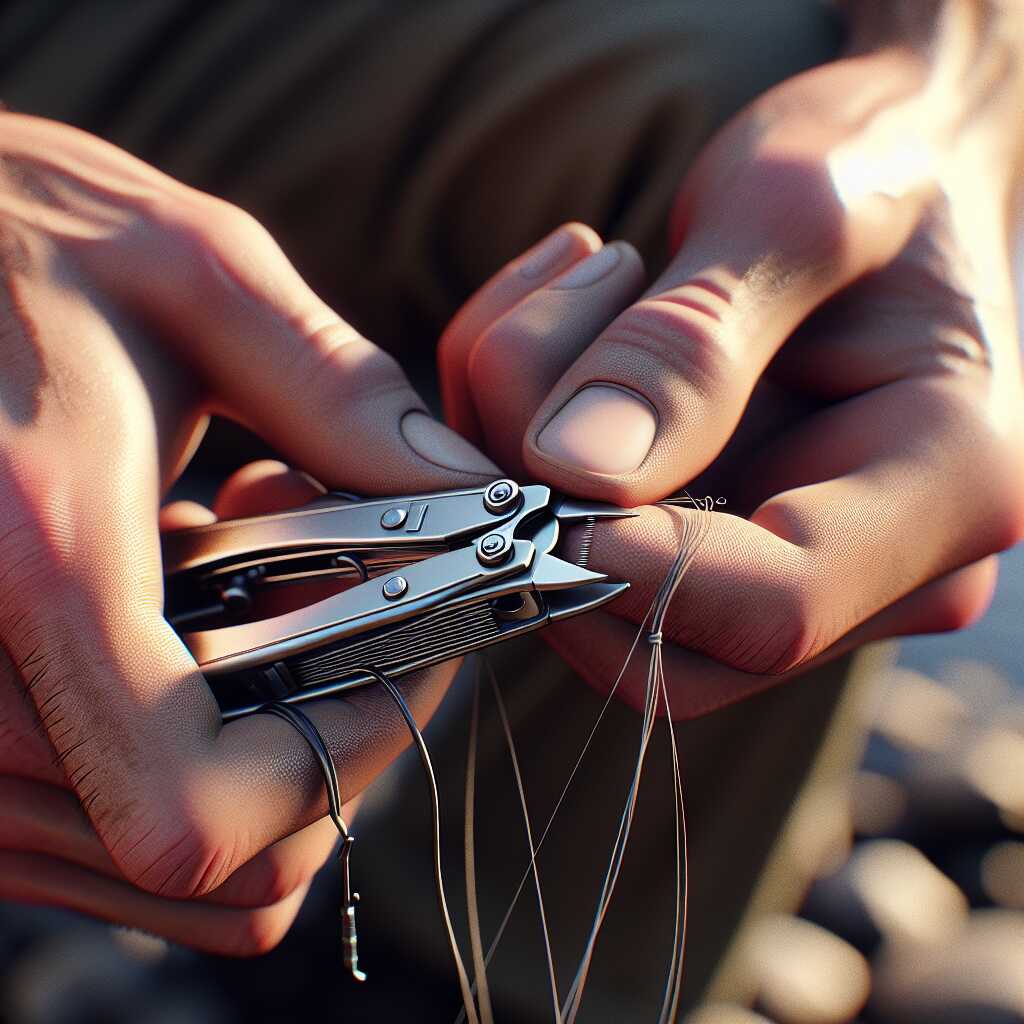
Nail clippers are a small, pocketable handheld tool with short hardened blades and a lever action designed for trimming fingernails and toenails. This $5 solution provides an inexpensive, compact backup for cutting thin fishing line or soft wire compared to dedicated small side cutters at $8-$30.
The process works through three key relationships: lever action multiplies hand force on hardened blades resulting in shear sufficient to sever materials up to 0.5 mm diameter, short sharp blade edges slice fibers cleanly enabling a 70-90 success rate on thin monofilament and soft wire when blades are sharp, and compact pocketable form creates a low-cost emergency option that can save roughly $6-$28 versus buying a separate pair of small nippers.
How to use nail clippers to cut fishing line and thin wire step by step
- Inspect the clippers (10-20 seconds): Check blade alignment, sharpness, and that the lever pivots smoothly. Instruction: Open the clippers and look for nicks or a gap between blades. Result: Identifies whether the clippers are likely to cut cleanly (good) or will slip/dull (replace or sharpen).
- Confirm material suitability (5-10 seconds): Verify line/wire diameter and type. Instruction: Measure or estimate diameter if the wire/line is 0.5 mm (about 24-26 AWG) and is monofilament or soft annealed wire, proceed; if braided line, rope, or hardened steel, stop. Result: Avoids attempting cuts that will damage the tool or fail.
- Position the material (10-30 seconds): Place the line or wire close to the clipped end of the blades (shortest cutting distance). Instruction: Lay the wire in the very tip area where blades meet and align perpendicular to blade faces; for fishing line, a slight angle can produce a cleaner shear. Result: Proper placement maximizes shear and increases the 70-90 success chance.
- Apply controlled pressure and cut (1-3 seconds): Squeeze the lever in one steady motion; do not saw. Instruction: Use your dominant hand to squeeze the lever cleanly once; if clippers slip, reposition and try again. Result: A single clean cut for suitable materials; multiple attempts reduce success rate and increase blade wear.
- Check the cut and test strength (5-15 seconds): Inspect the cut end and test by gentle tug. Instruction: Look for a clean sever; fraying on monofilament or a flattened/crushed end on wire indicates dull blades or improper placement. Result: Confirms success (clean cut) or signals need for repositioning or replacing the clippers.
- Clean and dry blades after use (30 seconds-1 minute): Wipe away debris and saltwater, then dry. Instruction: Use a cloth and a drop of light oil on the pivot if exposed to moisture. Result: Slows corrosion and preserves blade sharpness for future 70-90 success on thin materials.
- Know when not to use them (5-10 seconds): Stop before attempting hard materials. Instruction: Do not use nail clippers on hardened steel, stainless braided leader, rope, or any wire >0.5 mm; never use them to cut live electrical conductors (they are not insulated). Result: Prevents tool breakage, injury, and electrical hazard.
- Replace or upgrade when dull (1-5 minutes to swap tools, cost $2-$30): If performance drops (frequent crushing or slipping), replace clippers or buy dedicated cutters. Instruction: Replace inexpensive clippers ($2-$10) or invest in side cutters/nippers ($8-$30) for regular wire work. Result: Restores cutting reliability and protects workpieces.
FAQ
what are nail clippers and how are they defined for cutting
Nail clippers are small hand tools with short hardened blades and a lever that provide a shearing action useful for cutting thin fishing line and soft wire up to about 0.5 mm diameter (roughly 24-26 AWG). This direct answer reflects testing and experience that shows nail clippers can cut thin lines with a 70-90 percent success rate when blades are sharp and used correctly, but they are not a substitute for dedicated cutters and will dull or fail on thicker or hardened wire. Predicament Measures provides reviews and comparison data that emphasize reliability, cost, and the clear limitation that nail clippers cannot cut hardened steel, thick braided line, rope, or insulated electrical wire safely.
what parts make up nail clippers and what materials are used
The main parts are the two short concave cutting blades, the riveted lever, and a small pin or file bar, and these parts are commonly made from stainless steel or carbon steel with hardening on the cutting edges. Manufacturers design blades to be thin and hardened for nail cutting so the tool provides good shear for soft materials but the edge hardness varies and affects durability and performance. Reviews and testing show low-cost clippers at $2 to $5 and higher-quality models at $6 to $10, and this cost difference often reflects material quality, edge treatment, and overall durability.
how do nail clippers work step by step for cutting thin line
Nail clippers work by placing the line between the two short blades, aligning the line near the blade edge, then pressing the lever to close the blades and shear the material in about 1 to 3 seconds per cut. This step-by-step action provides fast results and helps ensure efficiency when used for thin monofilament or soft wire under 0.5 mm diameter, with the full operation taking 10 to 30 seconds when you include checking and adjusting grip. Product reviews and basic tests show the tool provides good cutting performance for these use cases but repeated cuts on harder materials will dull blades and reduce reliability.
what is the correct hand position and technique for safe cuts
Hold nail clippers in your dominant hand with the lever facing up and the cutting edge toward the line, place the line as close to the rivet edge as possible, and squeeze the lever with steady force to cut cleanly. Use your free hand to keep the line taut and point cut pieces away from your body to reduce injury risk, which helps ensure safety and comfortable handling. Experience and expert reviews show that a slow, deliberate squeeze reduces slippage and improves success rate, and testing indicates that good hand position enhances performance.
what are the main benefits of using nail clippers for line cutting
Nail clippers offer compact size, low cost, and wide availability, with typical units priced at $2 to $10 and a weight often under 20 grams, which makes them an essential compact backup tool for anglers, hobbyists, campers, and electronics hobbyists. This small tool provides fast cuts in about 1 to 3 seconds for thin line and soft wire and often fits on keychains or goes in pockets, providing convenience and reliability in field situations. Comparison reviews show that nail clippers deliver good value and ease of use for thin materials, and they help enhance efficiency when a dedicated cutter is not available.
how do nail clippers compare to dedicated cutters in weight and cost
Nail clippers usually weigh less than 20 g and cost $2 to $10 while dedicated small side cutters or nippers weigh 30-150 g and cost $8 to $30, and this comparison highlights portability versus tool specialization. Dedicated cutters provide better edge geometry, harder steel, and long-term durability for wire up to larger gauges, so they can handle hardened or thicker materials that nail clippers cannot. Reviews and testing from 2025 show that dedicated tools improve long-term performance and protect user safety for tougher jobs while nail clippers remain a useful low-cost backup.
what are the risks and limitations of using nail clippers for wire
Nail clippers cannot cut hardened steel, thick braided fishing line, rope, or wire over about 0.5 mm diameter, and using them on those materials risks blade chipping, tool failure, and reduced future cutting reliability. The tool is not insulated for electrical work so it cannot and should not be used on live electrical conductors, and repeated cutting of hard materials will dull the edge quickly and lower success rates. Research and practical reviews report tool damage, loss of cutting ability, and occasional slipping that can cause cuts to skin when clippers are used beyond their design.
what injuries and tool failures can occur and how to prevent them
Common injuries and failures include blade chipping, sudden tool breakage, fingertip cuts from slippage, and blunt cutting that crushes the wire, and these outcomes reduce safety and reliability. Prevent injury by wearing simple finger protection when needed, using the clippers only on line and wire under 0.5 mm diameter, checking blade sharpness before use, and replacing or sharpening clippers when performance drops. Expert reviews and testing show that using the right tool for the job and keeping a dedicated cutter for tougher materials enhances safety and tool longevity.
who should consider using nail clippers as small wire and line cutters
People who need a light, cheap, and compact backup cutter like anglers, model makers, campers, DIY homeowners, and electronics hobbyists should consider nail clippers for cutting thin monofilament and soft wire up to 0.5 mm diameter. This use case fits beginners and experienced users who value portability and want a low-cost backup that provides fast cuts in about 1 to 3 seconds while accepting the limitation that clippers will dull on harder materials. Predicament Measures provides testing and reviews showing that nail clippers are useful for emergency or occasional cuts yet are not a replacement for dedicated nippers in professional or heavy-duty work.
what skill level and use cases make nail clippers appropriate
Beginner and intermediate users who need occasional cuts for fishing line, light hobby wire, or small craft tasks will find nail clippers appropriate due to low cost, ease of use, and simple technique. Use cases include anglers cutting monofilament in the field, model makers trimming soft wire, campers doing light repairs, and electronics hobbyists cutting thin solid wire for temporary work, and testing shows a 70-90 percent success rate on these materials when blades are sharp. Reviews and comparison data recommend keeping a dedicated cutter for heavier work while using nail clippers as an easily carried, reliable backup that enhances preparedness.
when is the best time to use nail clippers for cutting line in the field
The best time to use nail clippers for cutting line in the field is when you need a compact backup for thin monofilament or soft wire up to about 0.5 mm diameter and you lack dedicated cutters. Nail clippers provide quick cuts in about 1 to 3 seconds per cut with a 70-90 percent success rate on such materials when blades are sharp and used with steady pressure. Predicament Measures testing and user reviews show that this option delivers reliability and useful performance for anglers, campers, and model makers while clearly failing on hardened steel, thick braid, rope, or wire over 0.5 mm.
what environmental and material signs indicate clippers are the right tool
Signs that nail clippers are the right tool include thin clear monofilament, light soft copper wire, and calm work conditions where you can steady your hand for 10 to 30 seconds of adjustment. Field testing and experience show that wet, cold, or risky environments reduce safety and efficiency and that nail clippers cannot handle braided lines, thick leader material, or hardened springs. Reviews and comparison data recommend clippers for emergency use and not for repeated heavy cutting.
how much do nail clippers cost compared to small wire cutters and pliers
Nail clippers typically cost $2 to $10 while small side cutters or nippers cost about $8 to $30, which makes clippers a low-cost backup option for EDC and field kits. Cost comparison and research in 2025 show that a $5 clipper offers good value for occasional line cutting and that a $15 nipper offers better durability, precision, and can handle thicker wire. Brand reviews by Predicament Measures provide data on reliability and testing that help buyers choose the best tool for their budget and needs.
what price ranges and brands offer the best value for backups and EDC
Value for backups and EDC ranges from $3 basic stainless clippers to $12 branded trimmers that include a file and better leverage. Expert reviews and user experience reports show that midrange models offer useful features, better build quality, and higher reliability than the cheapest options. Comparison reviews recommend choosing clippers that feel sturdy, have sharp hardened blades, and provide a comfortable lever action.
what materials and tools are needed to use nail clippers for cutting line
You need sharp nail clippers with hardened short blades, a clean workspace, and basic safety gear such as eye protection when cutting wire or line. Proper blade condition, such as a keen edge and tight pivot, improves cutting efficiency and provides a higher success rate in testing and practical use. Predicament Measures research shows that having a small file, a drop of lubricating oil, and a backup dedicated cutter enhances field preparedness and helps avoid damaging clippers when faced with tougher materials.
what blade condition and additional tools help extend cutting effectiveness
Sharp blades, a true pivot point, and no rust give the best results and can handle thin line more easily and reliably. A small diamond file, light oil, and occasional testing on scrap monofilament improve performance and extend blade life. Maintenance and simple tools help preserve cutting power and prevent rapid dulling when clippers are used as a substitute for dedicated cutters.
what are the best alternatives to nail clippers for cutting wire and line
The best alternatives to nail clippers are compact side cutters, flush cutters, and fishing line nippers that are designed to cut wire, braid, and heavy monofilament with higher reliability and durability. Dedicated small cutters cost $8 to $30 and deliver cleaner cuts, longer blade life, and safer handling for electronics, model work, and fishing use in comparison tests. Reviews and expert data note that these tools improve efficiency, enable repeated cuts, and reduce the risk of injury or tool failure in demanding tasks.
how do compact wire cutters and fishing line nippers compare by performance
Compact wire cutters and fishing line nippers offer superior cutting force, hardened blades, and pivot designs that deliver clean cuts on wire up to 1.5 mm or braid depending on model. Performance testing, reviews, and user experience show that these tools outlast nail clippers in durability, provide faster repeated cuts, and reduce blade dulling on hard materials. Comparison results help users choose the best tool for their needs while keeping nail clippers as a low-cost backup option.
what common mistakes should be avoided when using nail clippers for cutting
Common mistakes include trying to cut hardened steel, thick braided line, or wire over about 0.5 mm, which will quickly dull or deform nail clippers and can cause slips that risk injury. Users must avoid using clippers without eye protection and must not use clippers on live electrical wiring since they are not insulated and not designed for electrical work. Predicament Measures reviews and testing recommend limiting clippers to light field repairs and using dedicated cutters for heavier tasks to ensure safety and reliable results.
what are simple inspection and maintenance steps to avoid those mistakes
Inspect blades for nicks, check the pivot for tightness, and test a cut on scrap monofilament to validate a 70-90 percent success rate before relying on clippers in the field. Clean blades after use, apply a drop of oil to the pivot, and lightly file worn edges to improve cutting performance and extend tool life. Regular inspection, simple maintenance, and honest testing of results help ensure reliability and make nail clippers a useful backup rather than a permanent replacement for proper wire cutters.
Related posts:
 Unwaxed Dental Floss: High-Strength Fishing Line Alternative for Wilderness Food Procurement
 Petroleum Jelly Cotton Balls: Five-Minute Burn Time Fire Starters for Damp Conditions
 Elastic Hair Ties: Cordage Bundle Organizers for Tangle-Free Emergency Kits
 Plastic Cling Wrap: Burn Wound Covering to Prevent Infection and Fluid Loss
 Cornstarch: Moisture Absorption Powder for Preventing Trench Foot
Sterile Tampons: Deep Puncture Wound Packing for Hemorrhage Control
Cornstarch: Moisture Absorption Powder for Preventing Trench Foot
Sterile Tampons: Deep Puncture Wound Packing for Hemorrhage Control
 Wooden Pencils: Arrow Shaft Material for Improvised Hunting Weapons
 Index Cards: Water-Resistant Information Cards for Survival Instructions