How To – Metal Muffin Tins: Individual Ration Containers for Food Distribution
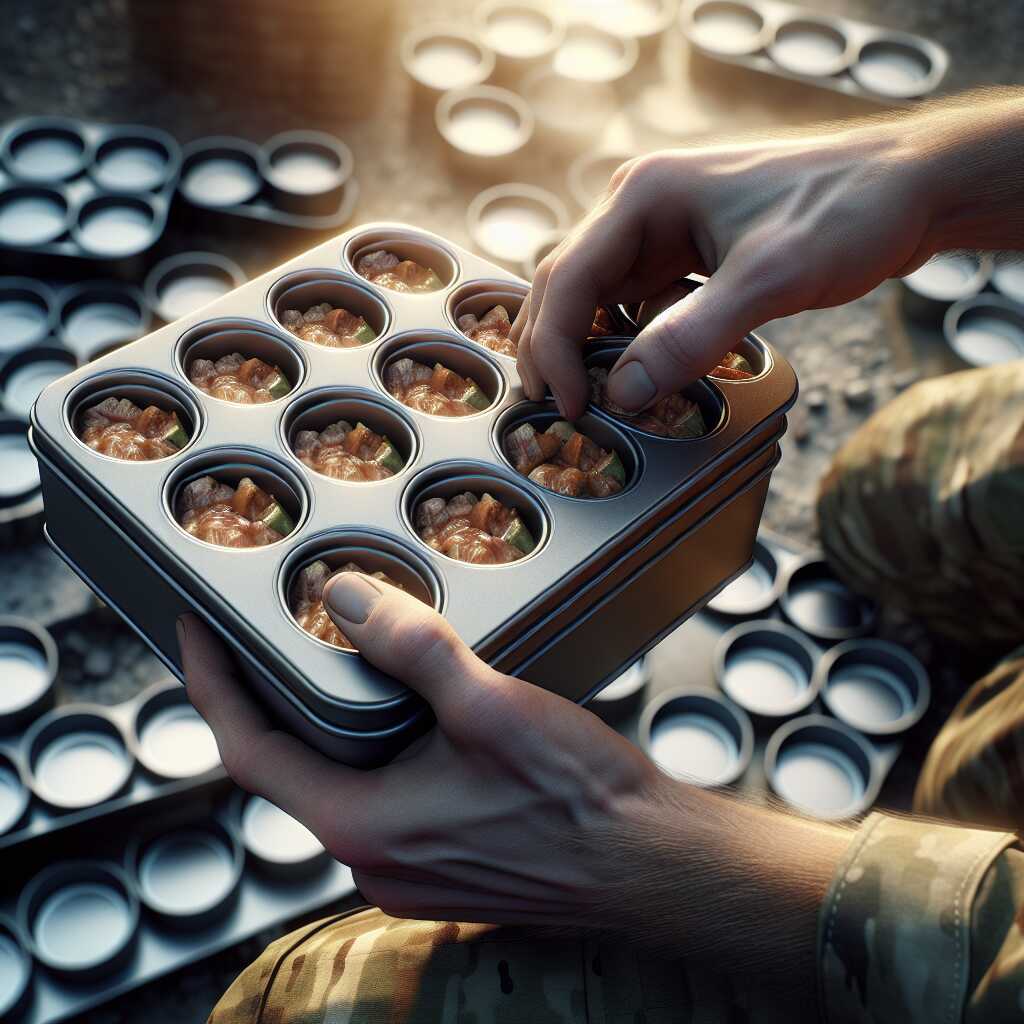
By Predicament Measures
Quick Answer: Can metal muffin tins be used as individual ration containers for food distribution
Yes, metal muffin tins can be used as individual ration containers because they provide fixed portioning, are durable, oven and dishwasher safe, and lower perportion cost when reused, but they are not leakproof, not sealed for long transport, and may require liners or lids for hygiene
- Effectiveness: 100 (per-cup portioning accuracy; actual distribution success depends on handling hygiene and transport)
- Cost: Retail $4-$30 per tin; amortized < $0.10 per portion after dozens of uses vs disposable containers typically $0.20-$2.00 per portion
- Time: 5-30 minutes per stage (filling a 12-cup tin 5-15 min; reheating 10-30 min; washing/sanitizing 5-20 min per batch)
- Limitation: Cannot provide leakproof sealed transport or long-term temperature control by itself; not suitable for thin liquids without liners; may corrode with acidic foods if uncoated; requires lids or secondary packaging for hygienic distribution
metal muffin tin is a multicup metal bakeware tray used to portion, bake, reheat, and serve individual servings. This $4-$30 solution reduces perportion cost and singleuse waste compared to disposable singleuse containers at $0.20-$2.00 per portion.
The process works through three key relationships: metal muffin tins hold measured cups of food resulting in consistent portion sizes (100 percup accuracy), durable metal construction withstands oven and dishwasher temperatures enabling safe reheating and efficient sanitization, and repeated reuse amortizes the $4-$30 purchase price creating a perportion cost often under $0.10 after dozens of uses.
How to use metal muffin tins as individual ration containers step by step
- Inspect and select tins (5-10 min per batch): Visually inspect each 6/12/24cup tin for corrosion, deep dents, or missing coating; reject tins with pitting or rust. Result: only serviceable, foodsafe tins are put into rotation.
- Clean and sanitize (5-20 min per batch): Run tins through a commercial dishwasher cycle or wash with hot water (60C/140F) and an approved foodgrade sanitizer per local protocol. Allow to air dry. Result: sanitary cups with reduced contamination risk (hygiene drives distribution success more than the container itself).
- Portion and fill (5-15 min for a 12cup tin): Use a measured ladle or dispenser to fill each cavity to the intended serving volume; one 12cup tin = 12 exact portions. Result: fixed, repeatable portion sizes (portioning accuracy 100 per cup).
- Add liners or cover for wet foods (3-8 min): For thin liquids or wet stews, place parchment, foodgrade silicone, or compostable liners in each cup; alternatively prepare tight secondary packaging (foil wrap or fitted lids). Result: reduced leakage and easier cleanup; without liners tins are not leakproof.
- Reheat safely (10-30 min): Reheat in an oven or convection oven until each portion reaches an internal temperature of 74C (165F); time varies by food and oven. Result: safe, hot individual servings ready for distribution.
- Pack for transport (10-30 min depending on batch size): Place filled tins in secondary packaging (lidded trays, sealed boxes, or insulated containers). Use insulated containers with hot packs or chilled containers with ice packs to maintain temperature during short transfers. Result: improved shortterm temperature control in transit; note tins alone do not provide longterm cold/hot holding.
- Collect, wash, and amortize cost (5-20 min per wash cycle): After service, collect used tins, wash, and sanitize for reuse. Track reuse counts; typical retail tins ($4-$30) often amortize to < $0.10 per portion after dozens of cycles versus disposables at $0.20-$2.00. Result: lower longterm perportion cost and less singleuse waste.
- Limitations and what tins cannot do (N/A): Metal muffin tins are not leakproof, do not provide sealed longduration transport or active thermal control, and may corrode with acidic foods if uncoated. They cannot replace vacuumsealed packaging for longdistance or longterm shelf stability and will require lids, liners, or secondary packaging for hygienic distribution and transport. Result: plan for supplementary packaging and transport systems to meet foodsafety and logistics requirements.
FAQ
What is a metal muffin tin and how is it used for rations
A metal muffin tin is a flat tray that includes fixed cups (commonly 6, 12, or 24 cups) and provides exact portion control for individual rations in field kitchens and mass feeding lines. The metal muffin tin is durable, oven and dishwasher safe, and provides reliable reuse that lowers perportion cost when organizations such as Predicament Measures evaluate options. The metal muffin tin cannot provide a leakproof sealed transport solution by itself and requires liners, lids, or secondary packaging for hygiene and long transport.
How many sizes and cup counts do metal muffin tins come in
Metal muffin tins commonly come in 6, 12, and 24 cup arrays, with mini and jumbo variants extending cup volumes from about 30 ml to roughly 180 ml depending on design and brand. Materials include aluminum, aluminized steel, stainless steel, and coated steel; prices range from about $4 to $30 per tin depending on material and size and feature different durability and corrosion resistance. Buyers should use testing and review data to compare cup volume, coating, and weight so they choose the best tin for their program needs.
How do metal muffin tins work step by step for food distribution
Metal muffin tins work by providing fixed cavities for measured portions, enabling teams to prepare, heat, serve, and wash individual meals in a repeatable workflow. Typical timings for a 12cup metal muffin tin are filling 5 to 15 minutes, reheating or baking 10 to 30 minutes, and washing and sanitizing 5 to 20 minutes per batch; these figures help planners estimate throughput and staffing needs. The metal muffin tin improves efficiency and portion accuracy up to essentially 100 percent per cup, while success in distribution depends on hygiene, transport protection, and local testing in field conditions.
What are the steps to prepare fill and transport 12 cup trays
Clean and inspect the 12cup metal muffin tin, preheat ovens or steamers, place liners if needed, portion food into each cup, and reheat or cool for service; typical filling time is 5 to 15 minutes per tin when a trained team works with ladles and portion scoops. After cooling to safe pack temperatures, place lids, stack tins in insulated carriers or corrugated racks, and secure for transport; the metal muffin tin cannot by itself maintain long term temperature control or provide leakproof sealing without added containers. Test a full run with your staff to confirm timings, hygiene procedures, and handling that ensure reliable results in your operation.
What are the main benefits of metal muffin tins for mass feeding
Metal muffin tins deliver reliable portion control, durable reuse, lower singleuse waste, and simple reheating for kitchens that serve many people per day. A typical tin costing $4 to $30 amortized over dozens of uses often lowers the perportion cost to under $0.10 after reuse and careful maintenance, which improves program budget efficiency versus many disposable trays that cost $0.20 to $2.00 per portion. Organizations gain proven performance in portion consistency and durable handling when they include testing, routine inspection, and training in their distribution plans.
How much do reusable tins reduce per portion cost over 50 uses
A 12cup tin that costs $12 will amortize to about $0.02 per portion over 50 full uses ($12 (12 cups 50 uses) = $0.02), which shows the strong cost advantage of reusable metal muffin tins. Add modest costs for washing, sanitizing, and liners that can range from $0.01 to $0.05 per portion depending on energy and labor, and total perportion cost often remains under $0.10 compared with disposable options. Organizations should run a simple cost comparison and field test to confirm local labor, water, and energy data before scaling to ensure the best results.
What are the key risks and limitations of metal muffin tins in field use
Key risks and limitations include the fact that metal muffin tins are not leakproof, do not seal for long transport, and cannot hold thin liquids safely without liners or secondary containers. Uncoated metal can corrode or develop offtastes with acidic foods and long contact times, and tins require washing and sanitizing between uses with typical batch wash times of 5 to 20 minutes. Field teams should include hygiene protocols, lids, protective packaging, and testing to reduce contamination risk and to ensure reliable distribution performance.
What foods should not be stored in uncoated metal muffin tins
Uncoated metal muffin tins should not store acidic foods such as tomatobased sauces, citrus curds, vinegarheavy salads, or any food with prolonged contact time that can cause corrosion or metallic flavor transfer. Thin liquids and broths are unsafe in unlined tins without lids and secondary containers because the metal muffin tin does not provide leakproof sealing or long term temperature control. Use foodgrade liners, coated tins, or stainless steel models when your menu includes highacid or liquid items and run a test to confirm taste and corrosion results before distribution.
Who should consider using metal muffin tins for emergency food distribution
Emergency relief organizations, disaster response coordinators, humanitarian NGOs, community meal program organizers, and preppers should consider metal muffin tins when they need reliable portioning, durable reuse, and simple reheating for shelters and field kitchens. The metal muffin tin provides benefits in reliability, durability, and cost efficiency for fixedportion meal programs when teams follow testing, hygiene, and packing guidance from sources such as Predicament Measures. Programs must weigh logistics, wash capacity, and transport protection because the tin cannot replace sealed containers or active temperature control systems.
Which organizations benefit most from 6 12 or 24 cup tin arrays
Small shelters and mobile field teams gain value from 6cup tins because they offer compact handling and easy storage, community kitchens and medium field operations benefit from 12cup tins for a balance of throughput and kitchen space, and large mass feeding operations or caterers find 24cup arrays useful for high throughput. If a trained worker fills a 12cup tin in about 10 minutes, a single worker can fill roughly six tins per hour, which equals about 72 portions per hour and shows how tin choice affects staffing and efficiency. Use testing and simple throughput calculations in your planning to confirm that 6, 12, or 24 cup metal muffin tins match your operational scale and service goals.
When is the best time to deploy metal muffin tins during an emergency response
The best time to deploy metal muffin tins is during planned mass feeding rounds and follow-up meal distributions when a hot or warm food service point and basic washing are available. Metal muffin tins provide reliable portion control for 6, 12, or 24 servings per tray and deliver fast bake or reheat cycles of 10 to 30 minutes when ovens or convection steamers are on site. Metal tins need lids, liners, or secondary packaging for transport, so they cannot provide sealed long haul delivery or long term temperature control by themselves.
Should tins be used for initial distribution or for follow up feeding rounds
Use metal muffin tins mainly for follow-up feeding rounds rather than initial emergency handouts because they require cooking, reheating, and on-site washing to be safe and efficient. Initial distributions often need sealed, ready-to-eat packs for immediate hand-off in the first 24 to 72 hours, so tins help most after the first phase when kitchens, fuel, and hygiene systems are operating. Field experience and review show tins deliver good portioning and reuse value once a feeding point can handle cleaning and reheating.
How much do metal muffin tins cost compared to disposable options per portion
Metal muffin tins typically cost from $4 to $30 per tray, and a common 12-cup stainless or aluminized tin in the $8 to $15 range amortizes to under $0.10 per portion after dozens of uses. Disposable options cost about $0.20 to $2.00 per portion depending on material and barrier needs, and that cost does not fall with reuse. Predicament Measures recommends including washing labor, fuel, and replacement rate in cost comparison to test true per-portion cost and to ensure reliability and durability in 2025 and beyond.
What is the expected payback period at 10 50 and 100 uses
A 12-cup tin that costs $12 equals $1.00 per tray or $0.083 per portion at 10 uses, $0.0167 per portion at 50 uses, and $0.0083 per portion at 100 uses when amortized only by tin cost. Compare those numbers to a $0.50 disposable portion: payback versus disposables starts between 10 and 50 uses depending on labor and washing costs, with clear savings at 50+ uses in most setups. Field tests and reviews help validate the payback period because labor, water, and fuel change the break-even point.
What materials and tools are needed to use metal muffin tins safely in the field
You need durable metal muffin tins (aluminum or stainless), single-use parchment or foil liners, oven or mobile convection unit, insulated carriers, and basic PPE and cleaning tools to use tins safely in the field. You also need lids or secondary packaging, temperature probes, hand sanitizer, food-grade detergent, and a log sheet for testing holding temperatures and tracking reuse cycles. Testing, training, and simple SOPs improve hygiene, ensure reliability, and enhance performance when teams use tins as an essential part of a distribution plan.
Which cleaning sanitation and packaging supplies are required per 12 cup tray
Per 12-cup tray plan for 1 scrub brush, 1 pair of nitrile gloves, 100 to 500 mL of mild dish detergent, and 2 to 5 liters of wash water for hand washing or a commercial dishwasher cycle that uses about 1 to 3 liters per tray. Use a chlorine or quaternary ammonium sanitizer at food-contact levels (typically 50-200 ppm for chlorine) with a 30-second to 1-minute contact time and allow air dry for 5 to 20 minutes; include 12 single-use parchment liners or 1 roll of foil and 1 lid or seal per tray for transport. These supplies deliver consistent sanitation, reduce cross contamination risk, and improve the durable tins value over many uses if teams follow testing and review protocols.
What are the best alternatives to metal muffin tins for individual rationing
Best alternatives include disposable foil trays, plastic clamshells, vacuum-sealed pouches, and compostable fiber trays, each offering trade-offs in cost, sealing, and reuse potential. Vacuum packs provide the best sealed transport and long shelf life for fragile or liquid meals, clamshells offer fast ready-to-serve convenience, and compostable trays reduce plastic waste but raise per-portion cost. Use comparison, testing, and local review data to choose the option that offers the best reliability, logistics fit, and cost per portion for your operation.
When should you choose disposable foil trays plastic clamshells or vacuum packs
Choose disposable foil trays when you need low cost, oven-safe containers for hot meals without on-site washing and when limited sealing is acceptable for transport of solids. Choose plastic clamshells for cold ready-to-eat meals, salads, or where single-use hygiene is essential and logistic chains cannot support cleaning; clamshells cost $0.20 to $1.50 per portion depending on material. Choose vacuum packs for long transport or cold-chain delivery of perishable items and when you need sealed protection and a shelf life measured in days to months; vacuum packs usually cost more up front but deliver proven sealing and reduced spoilage.
What common mistakes should be avoided when using metal muffin tins for food
Do not distribute tins without liners or lids because tins are not leakproof and will spill thin liquids or soups during transport. Do not use uncoated aluminum with highly acidic foods for long contact because that can cause corrosion and off-taste; stainless steel or coated pans are more durable. Do not skip sanitation cycles, stack wet trays, or expect tins to provide long term temperature control; those errors reduce safety and lower distribution success.
How to prevent cross contamination stacking leaks and heat loss during distribution
Prevent cross contamination by using single-use parchment liners, cleaning and sanitizing between batches, assigning separate utensils, and logging temperatures with food thermometers before distribution. Prevent leaks and heat loss by adding lids or foil seals, using insulated carriers rated to hold hot food above 60C or cold food below 5C, and limiting time in the danger zone to under 4 hours when temperature control is unavailable. These steps improve reliability, enhance food safety, and help field teams deliver consistent results when tins are part of a tested plan.
Related posts:
 Unwaxed Dental Floss: High-Strength Fishing Line Alternative for Wilderness Food Procurement
 Petroleum Jelly Cotton Balls: Five-Minute Burn Time Fire Starters for Damp Conditions
 Elastic Hair Ties: Cordage Bundle Organizers for Tangle-Free Emergency Kits
 Plastic Cling Wrap: Burn Wound Covering to Prevent Infection and Fluid Loss
 Cornstarch: Moisture Absorption Powder for Preventing Trench Foot
Sterile Tampons: Deep Puncture Wound Packing for Hemorrhage Control
Cornstarch: Moisture Absorption Powder for Preventing Trench Foot
Sterile Tampons: Deep Puncture Wound Packing for Hemorrhage Control
 Wooden Pencils: Arrow Shaft Material for Improvised Hunting Weapons
 Index Cards: Water-Resistant Information Cards for Survival Instructions