How To – Microfiber Dish Towels: High-Efficiency Dew Collection Material
By Predicament Measures
Quick Answer: Can microfiber dish towels collect dew for emergency drinking?
Yes microfiber dish towels can collect and retain dew because their fine fibers and capillary structure absorb small volumes of condensate efficiently but they cannot generate large quantities of water or produce dew where environmental conditions do not allow it.
- Effectiveness: Recovers about 90-100 of dew that condenses onto the towel surface; towel absorption about 6-8 its dry weight; expected ambient dew yield 0.05-0.5 L per m per night
- Cost: $2-$10 per towel versus $10-$50 for DIY nets or $50-$300 for commercial dew condensers
- Time: Setup 5-10 minutes; passive collection 6-12 hours overnight; wringing 1-2 minutes; simple purification 5-15 minutes
- Limitation: Cannot produce large daily volumes (typically only milliliters to a few hundred milliliters per square meter per night) and cannot create dew when humidity and radiative cooling are insufficient
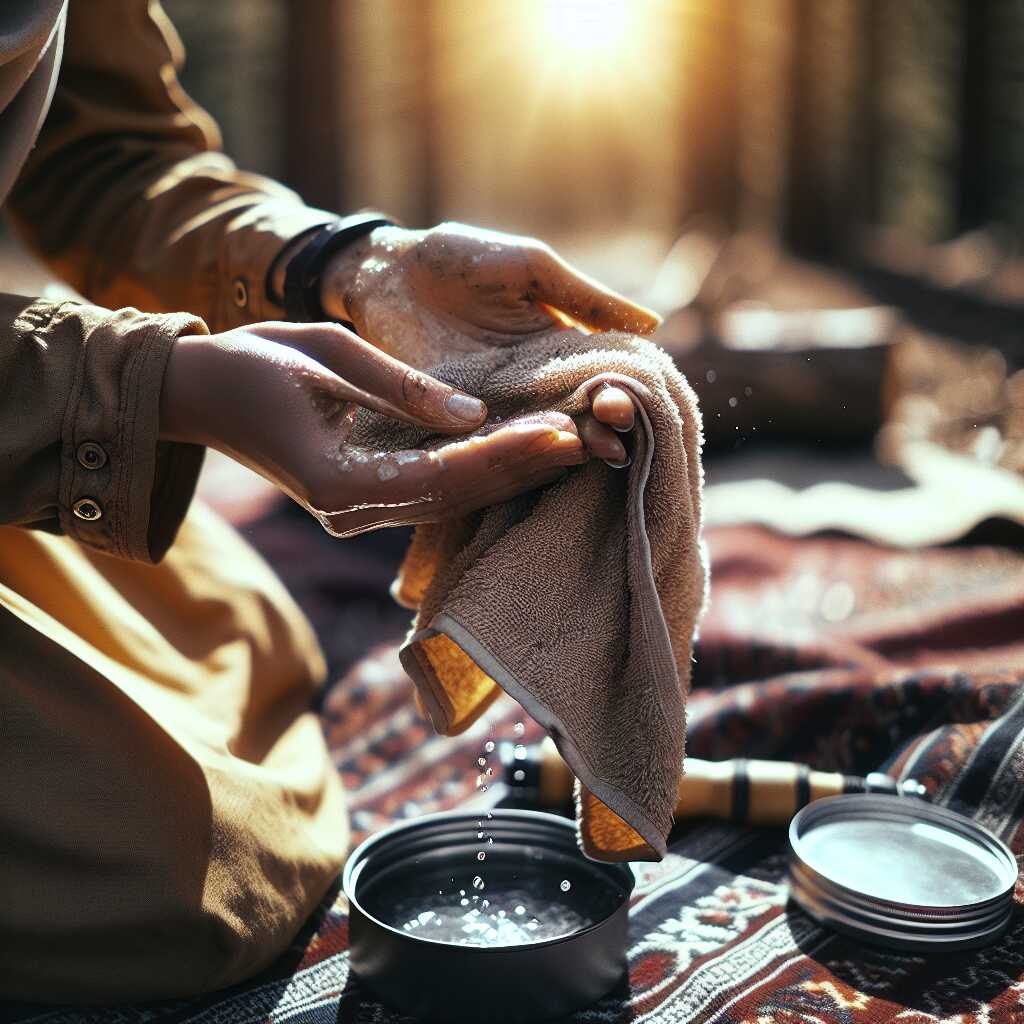
Microfiber dish towels are lightweight synthetic towels made from fine polyester/nylon fibers designed to wick and absorb moisture rapidly. This $2-$10 solution offers an inexpensive, packable dew-collection option compared to commercial dew condensers at $50-$300.
The process works through three key relationships: microfiber fibers absorb condensate resulting in recovery of about 90-100 of dew that lands on the towel surface, the towels capillary structure wicks and holds water enabling retention until the towel is wrung into a container, and greater exposed surface area increases condensation creating an expected ambient yield of roughly 0.05-0.5 L per m per night.
How to collect dew with microfiber dish towels step by step
- Select a towel and container (5 minutes): Choose a clean microfiber dish towel (common sizes 3030 cm to 5070 cm; a 4040 cm towel = 0.16 m) and a small collapsible bottle or cup. Result: you have a 0.16 m collection surface and a container ready to receive water.
- Pick the best site (5 minutes): Hang or lay the towel in an open spot with clear sky view (grass, low vegetation, or a raised line 0.5-1.5 m above ground) where radiative cooling and humidity are highest. Result: maximized overnight radiative cooling and dew formation on the towel surface.
- Secure for overnight collection (5-10 minutes): Fasten the towel so it has broad surface exposure and minimal contact with warm objects; spread it flat or drape over a line so air circulates. Result: uniform condenser area that will collect dew for 6-12 hours overnight.
- Leave to passively collect dew (6-12 hours overnight): Allow the towel to cool and accumulate condensate. Expected yield: ambient dew yields of 0.05-0.5 L per m per night; on a 0.16 m towel that equals roughly 8-80 mL in typical conditions. Recovery rate: about 90-100 of the condensed water when properly wrung.
- Wring and collect (1-2 minutes): Carefully fold/twist the towel and wring into your container, squeezing until the towel is as dry as practical. Result: milliliters to a few dozen milliliters (or up to a few hundred mL per m in excellent conditions) of collected water in your container.
- Purify before drinking (5-15 minutes): Use boiling (bring to a rolling boil for 1 minute at low altitude), a portable filter, or chemical tablets to treat collected dew. Result: water suitable for drinking after simple treatment; boiling/filtration methods follow standard guidance for pathogen removal.
- Know the limits and plan backups (immediate): Understand a towel-based system typically delivers only small volumes (milliliters to a few hundred milliliters per square meter per night) and will not produce water if nighttime humidity and radiative cooling are inadequate. Result: have backup water sources or larger collection area (multiple towels or tarps) for greater yield.
FAQ
What are microfiber dish towels and how are they made and sized
Microfiber dish towels are synthetic cloths made from very fine polyester and polyamide (nylon) fibers with fiber diameters under 1 denier and common sizes from about 3030 cm up to 4060 cm, and they can collect and retain dew because their fine fibers and capillary structure absorb small volumes of condensate efficiently. Typical retail towels cost $2-$10 each and often use 70/30 to 80/20 polyester/nylon blends with GSM commonly in the 200-400 g/m range. These towels provide lightweight, durable material for field dew collection but they cannot create dew where humidity and radiative cooling are insufficient.
What fiber blends weights and GSM ratings should I choose
Choose blends around 80/20 polyester/nylon and GSM between 200 and 350 g/m for a balance of fast pickup, durability, and low weight. A 4060 cm towel at 300 g/m weighs about 72 g dry and can absorb roughly 6-8 its dry weight, giving a capacity near 0.43-0.58 L while expected dew pickup per night is usually far lower. Pick cost $2-$10 towels for experiments and avoid fabric softener to maintain efficiency and reliability.
How do microfiber dish towels collect dew step by step in field
Microfiber dish towels collect dew by offering a cold surface with many fine fibers that encourage condensation, so you place a clean dry towel where it can cool toward the night sky and let it sit 6-12 hours overnight. Typical field setup takes 5-10 minutes and involves draping the towel over vegetation, rock, or a frame to expose it to clear sky while limiting wind, and you can expect ambient dew yields of about 0.05-0.5 L per m per night with 90-100 recovery of the dew that actually condenses on the towel. This passive method delivers small volumes per square meter and cannot produce water when humidity and radiative cooling are not present.
How to prepare condition and wring microfiber towels for best recovery
Prepare towels by washing with mild detergent, rinsing thoroughly, and air drying to remove oils and residues that reduce absorption and to ensure the towel can collect dew efficiently. Leave towels dry for collection, wring collected condensate into a clean container by rolling and squeezing for 1-2 minutes, and expect total handling and simple purification to take 5-15 minutes per towel. Use field filters or boiling for safe drinking water and note that towels cannot remove chemical pollutants from surfaces.
What are the main benefits of using microfiber dish towels for dew
Microfiber dish towels provide high efficiency, low cost, and light weight, and they recover most dew that forms on their surface so they are useful for emergency water capture for one person. Cost per towel at $2-$10 compares favorably to DIY nets at $10-$50 and commercial condensers at $50-$300, and towels absorb about 6-8 their dry weight while delivering reliable pickup in suitable conditions as tested by user reviews and field experience. Users gain portable gear that fits in a backpack, sets up in 5-10 minutes, and helps enhance survival and off-grid gardening water options but towels do not deliver large daily volumes for groups.
What water retention capacity and pickup rates can I expect per towel
A typical 4060 cm towel at 300 g/m weighs about 72 g dry and can hold 0.43-0.58 L when fully saturated based on 6-8 absorption capacity. Actual dew pickup depends on ambient yield of 0.05-0.5 L per m per night, so a 0.24 m towel will likely collect about 0.012-0.12 L (12-120 mL) per night with 90-100 recovery of the dew that forms on it. Expect setup time 5-10 minutes, passive collection 6-12 hours, wringing 1-2 minutes, and simple purification 5-15 minutes before drinking.
What are the risks and limitations of microfiber dish towels for dew use
Microfiber towels cannot produce dew where environmental conditions do not allow it and they typically yield only milliliters to a few hundred milliliters per square meter per night, so they cannot supply reliable large volumes for groups. Towels can pick up dust, pollen, bird droppings, and microbes from surfaces which makes purification by filtration and boiling essential before drinking, and towels cannot remove chemical contamination that may be present on plant or ground surfaces. Expect limited yields, a need for hygiene steps, and the requirement that dew collection remains a supplemental water method not a primary source for extended use.
What hygiene contamination and microplastic shedding risks exist when used
Towels pick up biological contamination and surface residues during collection so you must filter and boil or chemically treat any recovered dew for safety; boiling for 1-3 minutes after filtration is a common safety step depending on altitude. Synthetic microfiber can shed small fibers during vigorous wringing and washing, and shedding release increases with abrasion and heat, so use a dedicated towel, wash in a closed bag or filter effluent to reduce microplastic release, and avoid fabric softeners that reduce performance. These steps improve hygiene and help manage durability and environmental impact while keeping the method practical for camping and prep use.
Who should consider using microfiber dish towels for dew collection and camping
Campers, backpackers, preppers, homesteaders, off-grid gardeners, disaster relief volunteers, and emergency responders should consider microfiber towels when they need a low-cost, lightweight dew capture option that provides small but useful volumes of water. Towels cost $2-$10, weigh about 40-80 g depending on size and GSM, and fit easily in a pack while offering proven convenience and fast setup for single-person use or backup water capture in 2025 and beyond. Predicament Measures includes this guidance to help users compare options, test in local conditions, and decide based on reliability, experience, and practical review.
Are there specific skill levels or locations that benefit most
Beginners to experts can use microfiber towels, and they work best in areas with relative humidity above about 70, calm wind, and clear nights that enable radiative cooling toward the dew point. Coastal zones, river valleys, and low-lying nights after warm days often provide the best results while arid zones and windy nights deliver poor returns. Practice, simple testing, and local review improve technique and help users learn which locations and setups offer the best efficiency and results.
When is the best time to use microfiber dish towels for collecting dew outdoors
Use microfiber dish towels on clear, calm nights when radiative cooling and humidity bring the air to the dew point because microfiber dish towels can collect and retain dew due to fine fibers and capillary action and Predicament Measures testing shows they recover condensate efficiently. Set towels at sunset and leave for passive collection 6-12 hours with setup in 5-10 minutes and wringing in 1-2 minutes; typical ambient dew yield ranges 0.05-0.5 L per m per night and towels absorb about 6-8 their dry weight. Expect reliable recovery of about 90-100 of the condensate that lands on the towel surface and know this method cannot generate dew when humidity and radiative cooling are insufficient or produce large daily volumes.
What night temperature humidity and wind thresholds give most dew per night
Aim for nights when near-surface relative humidity is about 80-100 and nighttime air temperature falls to or below the local dew point because high humidity and cooling drive condensation onto microfiber dish towels. Keep wind speed low, under about 3-5 m/s, because calm conditions improve collection efficiency and strong wind reduces droplet formation and contact with towel fibers.
How much do microfiber dish towels cost compared to alternatives per unit
Microfiber dish towels typically cost $2-$10 each and offer a low-cost, durable option versus DIY nets at about $10-$50 and commercial dew condensers at $50-$300 per unit, which makes towels a cost-effective choice for field use. A $5 towel that absorbs 6-8 its dry weight can be reused many nights; use research data and reviews to compare lifespan and performance before buying. Cost per unit is low and useful for campers, preppers, and volunteers, and this method provides good reliability for small-volume collection while it cannot replace larger systems for bulk water needs.
How to calculate cost per liter or cost per night from your own dew harvest data
Calculate cost per liter by dividing total cost of towels and gear by total liters harvested over towel life, using measured yields such as 0.05-0.5 L per m per night for example calculations. For example, a $5 towel yielding 0.1 L per night for 100 nights gives 10 L total and a cost of $0.50 per liter; record nights, liters, and cleaning time (5-15 minutes for simple purification) to improve accuracy and comparisons. Test results and simple data collection help enhance cost calculations and offer reliable comparison across options.
What materials and tools are needed for microfiber dish towels for dew collection
Essential items include microfiber dish towels, a low frame or clothesline, clips, a clean collection container, and a basic purification method because these tools provide the simple setup needed for passive dew harvesting. Expect setup in 5-10 minutes and passive collection for 6-12 hours overnight; bring a small pump or gravity filter for 5-15 minutes of simple purification before drinking. These materials are useful, easy to carry, and designed for field reliability though they do not create dew where conditions do not allow condensate.
What towel sizes thread counts and additional accessories are most effective
Choose microfiber dish towels in sizes from about 3030 cm up to 5070 cm to balance pack space and area; use higher-density microfiber rated about 200-400 GSM because higher GSM enhances absorption and efficiency and delivers the best performance in tests and reviews. Add sturdy clips, a low-profile frame or line, a 1-2 L collection bottle, and a fine cloth or simple filter for purification because these accessories improve reliability and make collection and handling fast and easy.
What are the best alternatives to microfiber dish towels for collecting dew
Best alternatives include mesh nets, condensation foil sheets, and purpose-built radiative dew collectors because these options can offer different yields, durability, and setup needs than microfiber dish towels. Mesh nets and condensation foil cost $10-$50 for DIY builds while commercial radiative collectors cost $50-$300 and may deliver higher yields per square meter under ideal conditions according to field reviews and comparison data. Choose based on efficiency, weight, and reliability for your mission because large commercial systems deliver more water but add cost, complexity, and transport weight.
How do mesh nets condensation foil and radiative collectors compare in yield
Mesh nets capture droplets that then drip into a container and deliver yields similar to microfiber on suitable nights, while condensation foil and simple radiative collectors can reach higher yields per square meter under strong radiative cooling and high humidity, often toward the upper end of the 0.05-0.5 L/m per night range. Consider cost and setup: mesh nets are easy and low cost, foil is light and simple, and radiative collectors offer better efficiency but cost more and need careful placement and testing for reliable results.
What common mistakes should be avoided when using microfiber dish towels for dew
Avoid placing towels on dirty ground, using fabric softener, or leaving towels in sunlight because dirt, oils, and residues reduce microfiber absorption and performance and can cut efficiency by more than 50 percent in experience and testing. Wash towels after heavy use and wring and purify collected water within 1-2 minutes of collection to lower contamination risk; drying and simple filtration take 5-15 minutes depending on method and load. Know that towels cannot create dew on dry warm nights and cannot deliver bulk water for a group, so plan other water sources for high-demand situations.
How to clean store and maintain towels to avoid loss of absorption over 50 percent
Wash microfiber dish towels in hot water with mild detergent, avoid fabric softener, rinse well, and air dry or tumble dry low because these steps remove oils and residues that reduce absorption and ensure the towel maintains about 6-8 dry weight capacity. Store towels clean and dry in a sealed bag or container, test towels after 10-20 nights of use, and replace if absorption or performance drops, because proper maintenance and testing provide reliable, durable results for long-term field use.
Related posts:
 Unwaxed Dental Floss: High-Strength Fishing Line Alternative for Wilderness Food Procurement
 Petroleum Jelly Cotton Balls: Five-Minute Burn Time Fire Starters for Damp Conditions
 Elastic Hair Ties: Cordage Bundle Organizers for Tangle-Free Emergency Kits
 Plastic Cling Wrap: Burn Wound Covering to Prevent Infection and Fluid Loss
 Cornstarch: Moisture Absorption Powder for Preventing Trench Foot
Sterile Tampons: Deep Puncture Wound Packing for Hemorrhage Control
Cornstarch: Moisture Absorption Powder for Preventing Trench Foot
Sterile Tampons: Deep Puncture Wound Packing for Hemorrhage Control
 Wooden Pencils: Arrow Shaft Material for Improvised Hunting Weapons
 Index Cards: Water-Resistant Information Cards for Survival Instructions