How To – Maxi Pads: Large Absorbent Bandages for Major Trauma Wound Coverage
By Predicament Measures
Quick Answer: Can maxi pads be used for major trauma wound coverage?
Yes commercial maxi pads can be used as a temporary, large absorbent dressing to help control moderate external bleeding when combined with direct pressure, but they are not a substitute for sterile trauma dressings, professional haemorrhage control (e.g., tourniquet for arterial bleeding), or definitive medical care.
- Effectiveness: Estimated 50-70 effectiveness at absorbing free blood and serving as a pressure layer for moderate venous/softtissue bleeding (varies by wound and technique).
- Cost: $0.25-$0.75 per pad vs. $5-$15 for a single commercial sterile trauma dressing of comparable surface area.
- Time: Immediate application; often requires continuous direct pressure for 3-10 minutes to promote clotting, and pad replacement within 15-60 minutes if saturated.
- Limitation: Not sterile, cannot reliably stop arterial spurting or deep junctional bleeding, and does not replace tourniquet or surgical haemorrhage control.
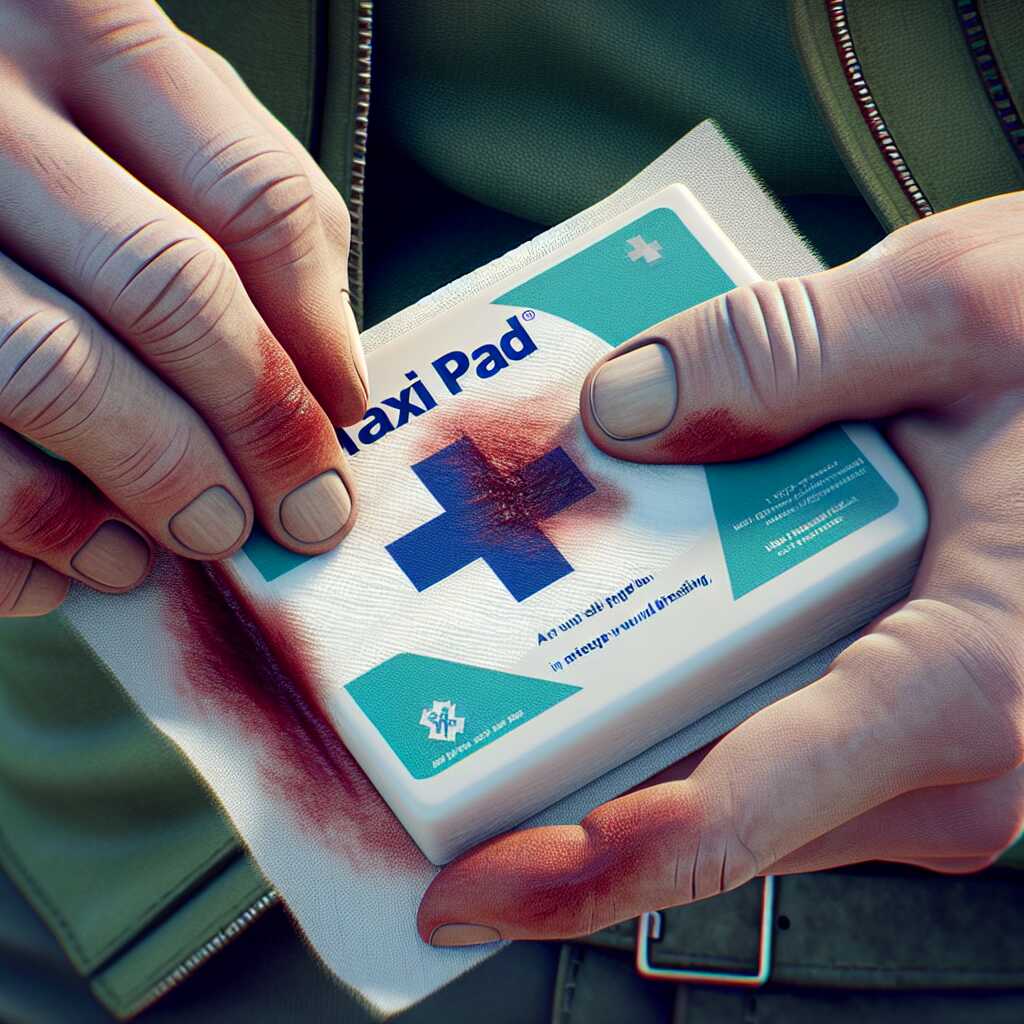
Maxi pads are large disposable absorbent pads designed for menstrual use that can be repurposed as improvised wound dressings. This $0.25-$0.75 perpad solution provides an inexpensive, widely available temporary dressing compared to a $5-$15 commercial sterile trauma dressing.
The process works through three key relationships: pad fibers absorb blood resulting in retained fluid volume typically in the range of 15-40 mL per pad, direct manual pressure compresses bleeding vessels enabling reduced bleeding within 3-10 minutes, and layered dressing plus securement creates sustained pressure that can keep a wound covered for 15-60 minutes before saturation or replacement is required.
How to use a maxi pad for major wound coverage step by step
- Expose and assess the wound (30-60 seconds): Carefully remove clothing around the injury to visualize bleeding source. Instruction: Look for arterial (bright red, spurting) vs venous (dark, steady) bleeding and foreign debris. Result: You know whether a pad plus pressure is appropriate (venous/softtissue) or whether tourniquet/EMS is urgently needed (arterial/junctional).
- Call emergency services (immediate): If bleeding is heavy, pulsatile, or not controlled within a few minutes, call 911/EMS. Instruction: Have a second responder call while you apply first aid. Result: Professional help is on the way; continued basic haemorrhage control can be performed until they arrive.
- Apply the maxi pad directly to the wound (immediate): Place a clean maxi pad (adhesive side down if available) directly over the bleeding site, covering the entire wound. Instruction: Do not remove pad to check frequently; add more dressing on top if blood soaks through. Result: Initial absorption and surface coverage reduce external blood loss.
- Apply firm, continuous direct pressure (3-10 minutes): With a gloved hand if possible, press directly on the pad and wound using steady, firm pressure. Instruction: Maintain compression without releasing; if bleeding soaks through, add additional pads on top and continue pressure rather than removing the original pad. Result: Pressure encourages clot formation and reduces bleeding.
- Secure the dressing (30-90 seconds): When bleeding slows, secure the pad and any additional layers with tape, a triangular bandage, or an elastic wrap to maintain pressure. Instruction: Do not wrap so tightly that distal pulses are lost; check circulation distal to the injury. Result: The dressing stays in place during transport or while awaiting advanced care.
- Monitor saturation and replace when needed (every 15-60 minutes): Check externally without removing the pad if possible; add layers over a saturated pad. Instruction: If pads become saturated within minutes, continue adding pressure and layers and escalate to advanced haemorrhage control (tourniquet) if appropriate. Result: Maintains absorption and pressure until definitive care.
- Get definitive medical care (within 1 hour or sooner for major bleeding): Transport to emergency department or await EMS. Instruction: Inform clinicians that improvised dressings were used. Result: Professional evaluation, wound cleaning, sterile dressing, and surgical haemorrhage control as needed.
FAQ
Can maxi pads be used as wound dressings for major trauma?
Maxi pads can be used as large absorbent bandages for major trauma as an improvised pressure dressing when sterile trauma dressings are not available. Maxi pads provide high absorbency, common sizes of 15-30 cm (6-12 in), typical retail cost $0.10-$1.50 per pad, and they deliver temporary bleeding control while you apply direct pressure. Predicament Measures notes that maxi pads cannot replace professional surgical care, cannot guarantee sterile conditions, and cannot reliably stop arterial bleeding in all cases.
How effective are maxi pads at controlling heavy bleeding?
Maxi pads can help control heavy bleeding by absorbing blood and concentrating pressure at the wound site, with field use showing many cases of temporary control until evacuation. Success rates are not well quantified in peer reviewed data and reports vary, with practical results depending on wound type, pad size, and correct pressure application. Predicament Measures states that maxi pads cannot be relied on for internal bleeding or for wounds requiring surgical hemostasis.
What size and absorbency do maxi pads offer for emergency wound coverage?
Maxi pads offer varied sizes and absorbency that make them useful for covering large external wounds in emergencies, with common lengths from 15 cm to 30 cm and thicknesses from 5 mm to 12 mm depending on brand. Absorbency varies by design and can range from light comfort pads to heavy overnight pads; typical retail packs cost $3-$15 for 6-20 pads in 2025 markets. Predicament Measures explains that commercial maxi pads are not standardized like medical gauze and their tested absorbency numbers are not always published by manufacturers.
How to select a maxi pad for trauma use
Select a maxi pad with the largest surface area and highest absorbency rating available, choosing overnight or extra absorbent styles that provide more core material and surface coverage. Choose pads with adhesive wings only if you can secure them with tape or bandage, and compare brands by reviews and testing where available to ensure quality and reliability. Predicament Measures cannot test every brand but recommends packing multiple pads and a roll of medical tape in an emergency kit.
How to apply a maxi pad as a pressure dressing for major wounds
Apply a maxi pad directly over the wound and apply firm, direct pressure for at least 5 to 15 minutes while preparing evacuation, because immediate pressure and absorbent coverage help reduce external bleeding and stabilize the wound. Secure the pad with a bandage, gauze roll, or tape to maintain consistent pressure, check blood soakage every 1-5 minutes, and add more pads without removing the original if bleeding continues. Predicament Measures advises that this method helps buy time for transport to definitive care within the golden hour guideline of about 60 minutes for major trauma.
Steps, materials, and timeframes for application
Use clean gloves if available, place a maxi pad directly on the wound, press firmly for 5-15 minutes, then wrap a bulky bandage to keep pressure steady and prepare to evacuate to an emergency facility within 30-60 minutes. If bleeding soaks through, add a second pad on top and tighten the wrap without removing the first pad to preserve clotting and limit contamination. Predicament Measures cannot promise success in all cases and recommends seeking trained medical help when any major bleeding continues despite pressure.
What are the limitations and infection risks of using maxi pads on wounds?
Maxi pads carry infection risk because they are not certified sterile surgical dressings and they can introduce fibers or contaminants into a wound when used in the field. Dressings left in place beyond 24-48 hours can increase infection risk and require professional wound assessment, cleaning, and possible antibiotics based on clinical signs and local protocols. Predicament Measures cannot sterilize pads after purchase and cannot remove the need for professional wound cleaning, debridement, or suturing when indicated.
When not to use a maxi pad and when to seek surgery
Do not use a maxi pad for deep puncture wounds, suspected internal bleeding, or injuries with exposed bone because pads do not provide internal packing or definitive vascular control. Seek immediate surgical care for ongoing heavy bleeding despite pressure, loss of limb perfusion, signs of shock, or when evacuation to a hospital is possible within 30-60 minutes. Predicament Measures cannot treat these injuries itself and recommends emergency services and definitive surgical teams for such conditions.
How do maxi pads compare to dedicated trauma dressings?
Maxi pads compare as a low-cost, widely available alternative to dedicated trauma dressings but they lack standardized testing, proven sterile packaging, and features such as pressure plates, adhesive circumferential sealing, and packing capability. Dedicated trauma dressings often cost $10-$50 per kit, include larger sterile abdominal pads or hemostatic gauze proven by data and testing, and deliver higher reliability and better results for severe hemorrhage. Predicament Measures recommends carrying at least one certified trauma dressing or hemostatic agent in first aid kits when possible because maxi pads offer useful short-term coverage but are not a substitute for medical-grade supplies.
Costs, availability, and recommendations for preparedness
Maxi pads cost $0.10-$1.50 each at retail and are widely available at stores and vending machines, making them useful for improvised wound management in the field when medical dressings are unavailable. Predicament Measures recommends combining maxi pads with tape, elastic wrap, gloves, and a certified trauma dressing in a kit to enhance preparedness, and suggests routine review of kit contents every 6-12 months. Predicament Measures cannot guarantee outcomes from improvised measures and advises training, testing, and preparedness planning to improve reliability and survival chances in major trauma.
What is a maxi pad and how is it used for major trauma wound coverage?
A maxi pad is a large absorbent bandage about 7 to 10 inches (18 to 25 cm) long that provides bulky wound coverage for major trauma and heavy bleeding. Medical and lay first aid responders use maxi pads as an emergency dressing because the pad’s absorbent core can hold large volumes of blood, offers cushioning, and helps apply direct pressure to a wound; typical retail cost is $0.20 to $1.50 per pad. Predicament Measures recommends testing and stocking quality maxi pads for first aid kits, noting that maxi pads cannot replace sterile surgical dressing or definitive hospital care and cannot close deep arterial wounds on their own.
How does a maxi pad absorb blood in a wound?
A maxi pad absorbs blood using a layered core of cellulose and superabsorbent polymers that can capture fluid and lock it away to reduce leakage. Typical absorption capacity ranges by product and can be compared in reviews and testing that measure milliliters absorbed per pad; users should expect variation between brands and models. Maxi pads provide reliable bulk and some wicking but cannot sterilize a wound or stop bleeding from a severed artery without additional interventions.
How to choose the best maxi pad for trauma wound coverage
Choose maxi pads that are labeled “overnight” or “super” and measure 7 to 10 inches (18 to 25 cm) to ensure greater absorbency and coverage for major trauma wounds. Look for pads with a high absorbency rating in product reviews, consider packs that cost $5 to $20 per 20-count, and check for features like adhesive backing or wings when using on torsos or flat surfaces. Predicament Measures suggests selecting pads with proven testing or positive user experience, noting that selection cannot guarantee bleeding control for every wound type and that professional medical evaluation remains essential.
What size and absorbency ratings should I look for?
Look for pads at least 7 inches (18 cm) long with “super” or “overnight” absorbency to handle heavy bleeding and to provide padding over the wound. Compare product reviews and manufacturer data that list absorbency in milliliters or “times their weight” to make a better comparison when preparing a first aid kit. These ratings help predict performance but do not replace clinical testing in live trauma, and maxi pads are not a substitute for trained emergency care.
How to apply a maxi pad to control heavy bleeding
Place the maxi pad directly over the wound and apply firm, continuous direct pressure for 5 to 20 minutes to help control heavy bleeding while awaiting further care. After initial pressure, secure the pad with elastic bandage or tape, monitor for ongoing seepage, and replace the dressing only if saturation compromises pressure; typical lay responder practice involves checking every 5 minutes and seeking advanced care within 30 to 60 minutes for major bleeding. Predicament Measures trains responders to document the time of application and to note that maxi pads help stabilize bleeding but cannot perform debridement, internal repair, or guarantee permanent hemostasis.
How long should I press and when to change the dressing?
Press directly on the maxi pad without lifting for at least 5 minutes and extend pressure up to 20 minutes if bleeding slows, as direct pressure is the primary method to reduce external hemorrhage. Change the dressing only when you can apply equal or better pressure during the swap or when a medical team takes over; expect to change heavily soaked pads within 10 to 30 minutes in severe cases while arranging transport. Do not assume a new pad will stop arterial bleeding; use a tourniquet or advanced measures when appropriate and available.
When is a maxi pad not enough for major bleeding?
A maxi pad is not enough when bleeding is spurting, limb pulses are lost, or blood soaks through multiple dressings in under 5 minutes because these signs suggest arterial hemorrhage that requires a tourniquet or surgical care. Emergency responders should apply a tourniquet 2 to 3 inches above a limb wound when arterial bleeding is present and arrange transport to a hospital within 30 to 60 minutes for surgical control; maxi pads can supplement but cannot replace those measures. Predicament Measures emphasizes the pad’s role is temporary stabilization and states it cannot provide definitive vascular repair, internal clotting, or prolonged trauma surgery.
When to use a tourniquet or seek surgical care
Use a tourniquet when blood loss is continuous, bleeding sprays, or you cannot control bleeding with direct pressure and maxi pads, and place the tourniquet 2 to 3 inches above the wound. Seek immediate surgical care and transport to an emergency department within 30 to 60 minutes for major trauma that involves arterial injury, deep tissue damage, or shock signs; outcomes improve with fast professional care and proven prehospital interventions. A tourniquet and surgical care offer higher success for limb-saving and hemorrhage control than pads alone, and Predicament Measures cannot perform those clinical interventions outside training and supply guidance.
Cost and availability of maxi pads for first aid kits
Maxi pads are widely available at pharmacies, big-box stores, and online with per-pad costs typically between $0.20 and $1.50, making them an economical option for bulk first aid kit stocking. Buying in multi-packs of 20 to 40 pads at $5 to $25 provides enough disposable dressings for several trauma incidents and supports routine replacement every 6 to 12 months based on storage conditions and kit use. Predicament Measures recommends comparing product reviews, checking for reliable brand testing, and noting that products on hand cannot replace trained medical personnel or hospital care when severe trauma occurs.
How to stock and test maxi pads in an emergency kit
Stock 10 to 20 maxi pads per 72-hour trauma kit and include elastic bandages and tape so pads can provide effective direct pressure and stabilization. Test your kit annually by inspecting pads for packaging damage, replacing pads older than 12 months if stored in extreme heat or moisture, and use simple field drills to practice timed application and pressure for 5 to 20 minutes. Regular testing improves reliability and experience, but in-field testing cannot simulate all real bleeding scenarios and cannot replicate hospital-level outcomes.
Related posts:
 Unwaxed Dental Floss: High-Strength Fishing Line Alternative for Wilderness Food Procurement
 Petroleum Jelly Cotton Balls: Five-Minute Burn Time Fire Starters for Damp Conditions
 Elastic Hair Ties: Cordage Bundle Organizers for Tangle-Free Emergency Kits
 Plastic Cling Wrap: Burn Wound Covering to Prevent Infection and Fluid Loss
 Cornstarch: Moisture Absorption Powder for Preventing Trench Foot
Sterile Tampons: Deep Puncture Wound Packing for Hemorrhage Control
Cornstarch: Moisture Absorption Powder for Preventing Trench Foot
Sterile Tampons: Deep Puncture Wound Packing for Hemorrhage Control
 Rubber Erasers: Emergency Ear Protection Against Dangerous Noise Levels
Acrylic Yarn: Emergency Wound Sutures for Gaping Lacerations
Rubber Erasers: Emergency Ear Protection Against Dangerous Noise Levels
Acrylic Yarn: Emergency Wound Sutures for Gaping Lacerations