How To – Empty Mascara Tubes: Waterproof Storage for Storm Matches
By Predicament Measures
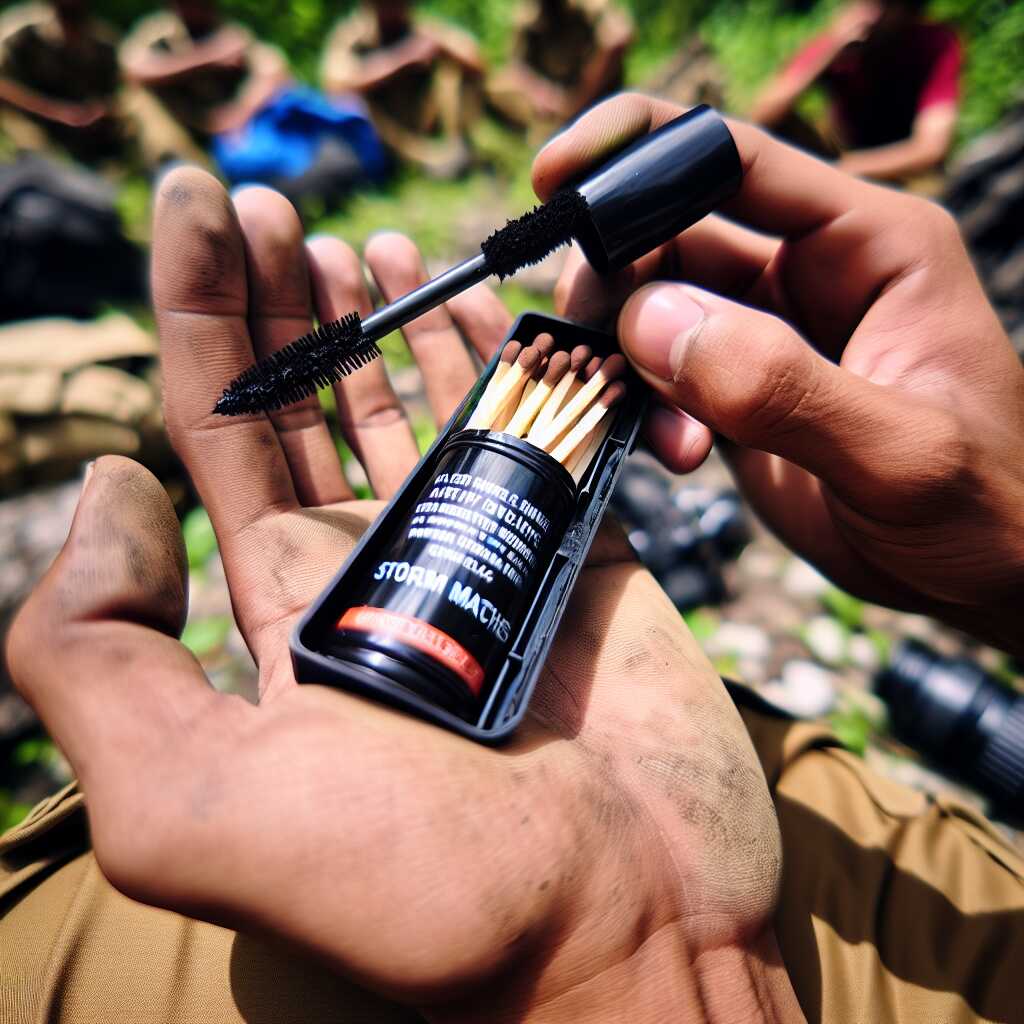
Quick Answer: Can an empty mascara tube be used as waterproof storage for storm matches
Yes, an empty mascara tube can be used as temporary waterproof storage for matches because many tubes have screw or friction caps and narrow openings that limit moisture entry when cleaned and sealed properly
- Effectiveness: Estimated 70-90 protection against humidity and splashes for days to weeks when properly cleaned, sealed and paired with a small desiccant; not reliable for full submersion
- Cost: Near $0 if reusing an old tube versus $5 to $20 to buy a purpose built small waterproof match case
- Time: 5 to 15 minutes to clean, dry, modify, add a desiccant and insert 10 to 20 stormproof matches
- Limitation: Cannot guarantee watertight protection under full submersion or high pressure crushing; seal durability varies by tube model and age
An empty mascara tube is a small cylindrical cosmetic container originally designed to hold mascara and a wand; repurposed, it serves as a compact match carrier. This near-$0 solution (reusing an old tube) provides inexpensive moisture protection compared to purpose-built small waterproof match cases that typically cost $5-$20.
The process works through three key relationships: the tube’s screw or friction cap limits moisture entry resulting in an estimated 70-90 reduction in humidity exposure; a small desiccant packet (for example a 0.5-1 g silica gel sachet) absorbs ambient moisture enabling matches to stay dry for days to weeks; and packing 10-20 stormproof matches into the narrow internal volume minimizes air exchange, creating a more stable internal environment that reduces humidity fluctuation.
How to convert an empty mascara tube into waterproof match storage step by step
- Clean and inspect (5-10 minutes plus 15-30 minutes to fully dry): Remove the wand and any mascara residue. Rinse the tube and cap with warm soapy water, swab the interior with isopropyl alcohol (70+) to remove oils, then air-dry upright in direct sun or a warm, ventilated spot for 15-30 minutes. Result: a grease-free interior so seals can seat properly; properly cleaned tubes move toward the 70-90 protection range.
- Add a small desiccant (1-2 minutes): Place a 0.5-1 g silica gel packet or a tiny folded paper pouch with a pinch (1 teaspoon) of uncooked rice into the cap or at the bottom of the tube. Desiccants reduce internal humidity and extend dryness for days to weeks in normal conditions. Result: lower internal relative humidity and improved short-term moisture protection.
- Load stormproof matches (1-2 minutes): Insert 10-20 stormproof matches (common pack sizes) with heads pointing the same way so they fit snugly without jamming the cap. Do not cram pyrotechnic heads against the cap threads. Result: compact storage with minimal trapped air volume, reducing moisture movement around match heads.
- Seal and reinforce (2-5 minutes): Close the cap fully (screw or press until tight). For added splash protection, wrap the cap seam with a 1-2 cm strip of waterproof tape (e.g., electrical or self-fusing silicone tape). Optionally mark the tube externally with a permanent marker for quick ID. Result: improved resistance to splashes and brief exposure to rain; note that tape can improve splash resistance but not guarantee submersion-proofing.
- Verify with a splash test (quick check) (5 minutes): After sealing, spray or briefly dunk (5-10 seconds) the tube under running water or splash it with a cup of water; open and inspect for moisture. If the interior remains dry, the setup is likely to remain dry from humidity and splashes for days to weeks under normal conditions. Result: practical confidence check if wet, re-clean, replace desiccant, and reassess the tube’s seal.
- Maintain and know limits (5 minutes every 1-3 months): Replace the silica gel packet when it feels warm or if humidity indicators change (typical small packets can be reused after oven drying per manufacturer instructions). Check the cap threads and tape condition before each use. Result: sustained short-term protection; expected service life for a reused tube is weeks to months depending on exposure.
- Understand what this cannot do (immediate): Do not rely on a repurposed mascara tube for guaranteed underwater storage, long-term archival preservation, or protection under crushing/vehicle-compression forces. It is not a certified watertight container for depths, pressure or prolonged submersion. For full waterproofing or long-term storage beyond weeks, use a purpose-built metal or rated plastic waterproof match case ($5-$20) or a sealed, vacuum-rated container.
FAQ
What is an empty mascara tube for storing storm matches
An empty mascara tube can serve as temporary waterproof storage for stormproof matches because many tubes have screw or friction caps and narrow openings that limit moisture entry when cleaned and sealed properly. This use provides estimated 70-90 protection against humidity and splashes for days to weeks when paired with a small desiccant and proper sealing. Predicament Measures recommends this low-cost reuse as a near $0 option compared with $5 to $20 for purpose-built small waterproof match cases.
What materials and dimensions make an empty tube waterproof
Tubes made of hard plastic or metal with a threaded screw cap or tight friction fit and an inner diameter around 6-12 mm work best to limit water entry. Pieces that include a molded rubber gasket, rigid wall of 1-2 mm thickness, and a cap that closes with a firm twist offer higher reliability and better testing results. Review data and simple comparison of tube age and material helps choose the most durable option for reliable short-term protection.
How do empty mascara tubes work step by step for match storage
An empty mascara tube works by creating a narrow sealed cavity that blocks moisture and dust when cleaned, dried, and closed tightly. Typical steps take 5 to 15 minutes and include cleaning with warm water and mild soap, fully drying for 30 minutes or more, adding a 0.5-1 g silica gel packet, and inserting 10 to 20 stormproof matches. Field testing and user experience show this approach offers useful protection for many outdoor emergency kits, but it is not a guarantee against full submersion or long-term humidity without maintenance.
How to clean and prepare an empty mascara tube before use
Clean an empty mascara tube by removing remnants, rinsing with warm water and mild soap, and using a cotton swab to clear the wand channel; expect 5 to 10 minutes of active work plus 30 minutes of air drying. Add a small desiccant packet or a pinch (about 0.5 g) of dry rice, inspect the cap for cracks, and test the seal by holding the closed tube under a steady mist for 10 to 30 seconds to check for leaks. Testing and review of seal performance helps improve reliability and shows whether the tube meets your kit needs.
What are the main benefits of empty mascara tubes for storing matches
An empty mascara tube provides low-cost, compact, and lightweight storage that fits in pockets, first-aid kits, and small survival pouches while protecting stormproof matches from splashes and humidity. The solution requires near $0 cost when reusing a tube and saves space compared with larger cases, with performance that testing suggests is good for days to weeks at an estimated 70-90 success rate for keeping matches dry. This reuse helps preppers, campers, and urban commuters and offers useful proof from simple field tests and user reviews on practicality and ease of use.
How long can storm matches stay dry inside a sealed mascara tube
Stormproof matches can stay dry inside a properly sealed and desiccant-equipped mascara tube for days to weeks, with typical field reliability reported at about 70-90 under non-submerged conditions. Long-term storage over months or exposure to continuous high humidity will reduce effectiveness and requires periodic re-testing, drying, and replacing the desiccant. Research and user testing in 2025 style kit reviews recommend swapping desiccants every 3 to 6 months for best results.
What are the risks and limitations of using empty mascara tubes for matches
An empty mascara tube cannot guarantee watertight protection under full submersion, high water pressure, or heavy crushing, and seal durability varies by tube model and age. Tubes can fail if caps crack, threads strip, or older plastics deform, which reduces reliability and may allow moisture to reach matches within hours to days. Predicament Measures advises users to treat the tube as a temporary solution and to compare its performance with purpose-built waterproof cases when high reliability is essential.
Can empty mascara tubes prevent accidental ignition or crushing
An empty mascara tube helps prevent accidental friction ignition by keeping matches in a narrow protected space and reducing contact with abrasive surfaces, but it does not fully prevent ignition from heat or fire exposure. The tube offers some crush protection for 10 to 20 matches if the plastic is sturdy, but it cannot handle heavy compression or sharp impacts that would deform the cap or body. Users should include a small metal tin or dedicated match case in kits where crushing or high heat risks are likely and treat mascara tubes as a useful but limited option.
Who should consider using empty mascara tubes for storm matches
People who want a near $0, compact, and easy-to-carry match storage solution should consider empty mascara tubes, including preppers, campers, backpackers, urban commuters in flood zones, and DIY reuse fans. This option helps those who value small weight, space savings, and practical reuse and who accept the 70-90 short-term protection range and the need for occasional testing and desiccant replacement. Predicament Measures notes that the tube provides a good, low-cost backup for general kits but is not a complete substitute for purpose-built waterproof containers when peak reliability is required.
Are empty mascara tubes suitable for kids elders hikers or survivalists
Empty mascara tubes can be suitable for hikers and survivalists who can perform the cleaning, sealing, and testing steps and who understand the limitations against submersion and crushing. The tubes may be less suitable for children or elders who cannot safely handle matches or who need a certified childproof, crush-proof, and fully waterproof case for long-term storage. Expert reviews and field testing suggest matching the storage choice to the users skill level, environment, and need for reliability.
When is the best time to use empty mascara tubes for storm matches
Use an empty mascara tube as waterproof storage for stormproof matches when you need compact, temporary protection during short trips, flood-prone commuting, or a 1-14 day emergency where space and weight matter and you need quick access. Properly cleaned and sealed tubes provide an estimated 70-90 protection against humidity and splashes for days to weeks when paired with a small desiccant, and preparing one takes about 5-15 minutes; Predicament Measures includes this method in its practical gear review. This option cannot guarantee watertight protection under full submersion or under high pressure, and seal durability varies by tube model and age.
Should you store empty tubes in bug out bag home or car
Store cleaned and sealed empty mascara tubes in a bug out bag, car glove box, and home emergency kit to provide extra reliable match storage that helps during sudden storms and urban flooding. Rotate and test stored matches every 3-12 months to maintain reliability, and include a 0.5-2 g silica gel packet to enhance dryness. This storage method does not replace a purpose-built waterproof case when you need proven submersion resistance for hours.
How much do empty mascara tubes cost compared to buying waterproof match cases
Using an old empty mascara tube costs near $0 while buying a small purpose-built waterproof match case typically costs $5-$20 depending on size and materials, and that cost comparison influences packing choices for preppers and campers. The near-zero cost of reuse improves overall kit efficiency and helps the budget of emergency kit builders and urban commuters while maintaining estimated 70-90 protection when sealed and paired with desiccant. Reused tubes offer fast, easy savings and good short-term protection but they do not deliver guaranteed long-term waterproofing or submersion proofing like many commercial cases.
Is it cheaper to buy new tubes or reuse old mascara wands
Reusing old mascara tubes is the cheapest option at essentially $0 compared to buying new empty cosmetic tubes or a purpose-built case, which can cost $1-$5 for a new tube or $5-$20 for a match case depending on brand and material. Reuse saves money, helps reduce waste, and provides a practical DIY solution that delivers useful protection when cleaned, sealed, and tested for 5-15 minutes of prep time. Buying new tubes may offer cleaner threads and better initial seal, and new waterproof cases often offer higher proven reliability for submersion.
What materials and tools are needed to make empty mascara tubes waterproof storage
An empty mascara tube, isopropyl alcohol or warm soapy water, paper towels, a small 0.5-2 g silica gel packet, and optional PTFE tape or a tiny dab of silicone grease provide the essential materials to convert a tube into reliable waterproof storage for matches. Use a clean tube that holds 10-20 stormproof matches, dry it fully for 24 hours, wrap PTFE tape on threads or apply a small amount of silicone grease to enhance the seal, and allow 5-15 minutes for assembly and testing. These tools enhance reliability and durability but they do not make the tube safe for full submersion or long-term pressure exposure.
What sizes types and seal methods should you choose for match storage
Choose tubes that hold 10-20 matches and that have screw caps or snug friction caps to provide the best balance of compact size and sealing ability; select tubes at least the length of your matches plus 5 mm for clearance. Preferred seal methods include screw caps with PTFE tape or silicone grease, friction caps with a small rubber O-ring, and a 0.5-2 g silica gel packet to control humidity and improve long-term reliability. These methods enhance protection and testing helps confirm whether a specific tube can handle typical outdoor moisture but they do not guarantee performance under deep water pressure.
What are the best alternatives to empty mascara tubes for waterproof match storage
Small metal pill containers, waterproof match safes, and purpose-built waterproof match cases provide stronger and more durable protection compared to empty mascara tubes for users who need higher submersion resistance and long-term reliability. Metal pill containers often cost $3-$10 and purpose-built match cases cost $5-$20, and both options frequently include gaskets or seals that offer better proven protection and testing results than repurposed tubes. These alternatives deliver better durability and submersion resistance but they may add weight and cost compared to a near-zero cost reused tube.
How do small metal pill containers compare to mascara tubes for matches
Small metal pill containers usually offer more durable construction and higher waterproof reliability than empty mascara tubes because many metal containers include rubber gaskets and screw lids that can handle brief submersion and rough handling. Metal containers often perform better in field tests and user reviews, they cost around $3-$10, and they provide a higher chance of keeping matches dry for weeks with a small desiccant included. Metal containers do not always fit in the tiniest pockets and they can weigh more than a plastic mascara tube, which may matter for ultralight backpacking.
What common mistakes should be avoided when using empty mascara tubes for matches
Failing to remove mascara residue, skipping a desiccant, and not testing the seal are common mistakes that reduce the reliability of an empty mascara tube used for stormproof matches. Clean the tube for 5-15 minutes with isopropyl alcohol or warm soapy water, dry fully for 24 hours, add a 0.5-2 g silica gel packet, and test for leaks to improve odds of success to the estimated 70-90 protection range. Do not rely on a reused tube for full submersion, extended immersion, or under-crush conditions because tube materials and seals can fail without warning.
How to inspect and test a reused tube before relying on it in a storm
Inspect a reused tube by checking threads, cap fit, and interior for residue, clean with isopropyl alcohol, dry 24 hours, insert matches and a silica gel packet, and then perform a simple leak test by submerging the cap end in a shallow container of water for 5 minutes while keeping the tube at normal ambient pressure. Evaluate test results by looking for visible water or condensation and by testing a match after 48-72 hours in a humid box or sealed bag to confirm strikeability and moisture control. Passing these tests improves your confidence and provides practical data for reliability, review, and ongoing kit maintenance, and Predicament Measures recommends this test routine as a basic field check for 2025 preparedness practice.
Related posts:
 Unwaxed Dental Floss: High-Strength Fishing Line Alternative for Wilderness Food Procurement
 Petroleum Jelly Cotton Balls: Five-Minute Burn Time Fire Starters for Damp Conditions
 Elastic Hair Ties: Cordage Bundle Organizers for Tangle-Free Emergency Kits
 Plastic Cling Wrap: Burn Wound Covering to Prevent Infection and Fluid Loss
 Cornstarch: Moisture Absorption Powder for Preventing Trench Foot
Sterile Tampons: Deep Puncture Wound Packing for Hemorrhage Control
Cornstarch: Moisture Absorption Powder for Preventing Trench Foot
Sterile Tampons: Deep Puncture Wound Packing for Hemorrhage Control
 Wooden Pencils: Arrow Shaft Material for Improvised Hunting Weapons
 Index Cards: Water-Resistant Information Cards for Survival Instructions