How To – Golf Balls: Trigger Point Massage for Hiking Muscle Knots
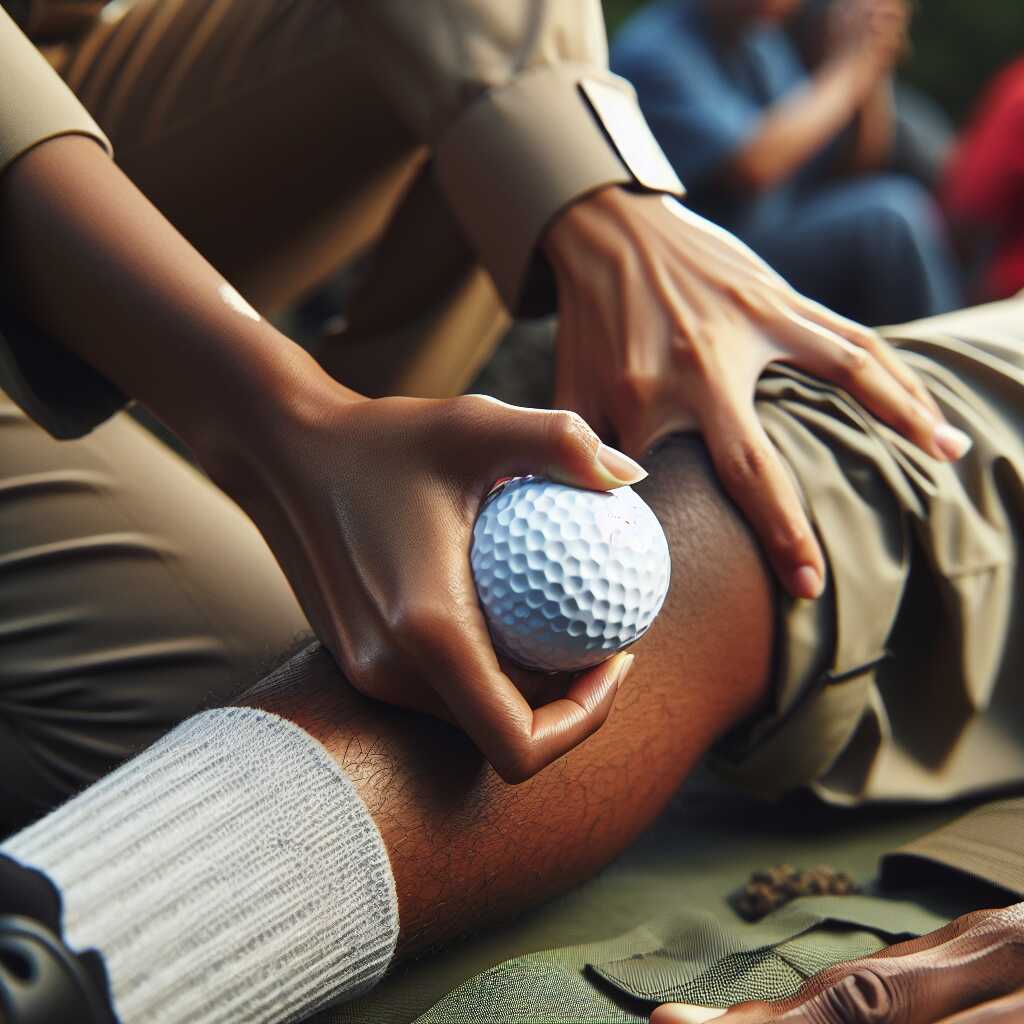
By Predicament Measures
Quick Answer: Can I use golf balls to do trigger point massage for hiking muscle knots
Yes golf ball trigger point massage can provide shortterm relief of hikingrelated muscle knots because the small firm ball delivers concentrated pressure to myofascial trigger points to increase local circulation and relax tight tissue. It is inexpensive and portable but is not a replacement for professional diagnosis or treatment of acute or structural injuries.
- Effectiveness: Varies many users report moderate shortterm relief and improved range of motion; evidence comes from small trials and clinical reports (no definitive percentage).
- Cost: Very low: $1-$3 per ball (multipacks $10-$20). Alternatives cost more: foam rollers $20-$50, massage sticks $15-$40, professional massage $60-$150 per hour.
- Time: Typical sessions 5-15 minutes per area; immediate relief often within minutes; repeated sessions across 1-7 days commonly needed for ongoing soreness.
- Limitation: Cannot diagnose or heal fractures, deep muscle tears, nerve entrapments, severe tendinopathy, or systemic causes of pain. May worsen acute inflammation or bleeding disorders and is not appropriate for redflag symptoms.
Golf ball trigger point massage is a selfmyofascial technique that uses a golf ball to apply focused pressure to trigger points and tight soft tissue. This $1-$3 per ball solution is highly portable and provides immediate, lowcost relief compared with alternatives such as foam rollers ($20-$50) or a professional massage ($60-$150 per hour).
The process works through three key relationships: the golf ball compresses myofascial trigger points resulting in increased local circulation and reduced pain within minutes, sustained pressure lengthens tight fascial bands enabling improved range of motion with repeated short sessions, and gentle rolling/stimulation activates proprioceptive feedback creating minutes to hours of reduced stiffness and better function.
How to use golf balls for trigger point massage step by step
- Check safety and red flags (1-2 minutes): Inspect the area for swelling, bruising, open wounds, numbness, fever, or a history of bloodclotting disease. Do not proceed if any redflag signs are present seek medical evaluation. Result: Reduced risk of causing harm.
- Warm the tissue (1-3 minutes): Walk or lightly jog, or apply a warm compress to the area for 1-3 minutes to increase circulation before pressure work. Result: Muscles are more pliable and respond better to pressure.
- Locate the trigger point (30-60 seconds per spot): Use the golf ball against a hard surface (ground, backpack, or tree trunk) and slowly roll to find a tender spot that reproduces the hiking ache. Result: Precise identification of the tight knot to treat.
- Apply sustained pressure (30-90 seconds per point): Hold steady pressure on the tender spot using just enough body weight to produce a 3-6/10 discomfort (mild to moderate, not sharp). Breathe slowly and relax. Result: Often a decrease in tenderness and shortterm pain within minutes.
- Small rangeofmotion release (30-90 seconds): While holding pressure, gently move the nearby joint through small ranges (for example, ankle dorsiflexion for calf knots, shoulder circles for upper back). Result: Improved tissue glide and measurable gains in range of motion.
- Roll to flush the area (1-3 minutes): Gently roll the ball across and around the treated point (avoid aggressive friction). Keep total work on any small region to 5-15 minutes per session. Result: Reduced stiffness and temporary functional improvement.
- Aftercare and frequency (ongoing): Reassess pain and function. Repeat sessions 1-3 times daily for up to 1 week for persistent soreness; combine with stretching, hydration, and rest. If pain worsens or does not improve after several days, seek professional assessment. Result: Optimal, safe recovery without overworking the tissue.
FAQ
What is golf ball trigger point massage exactly and how does it help
Golf ball trigger point massage is a self myofascial technique that uses a small firm golf ball to press on muscle knots and tight tissue to increase local circulation and relax tight fascia immediately after hiking and trail activity. The golf ball delivers concentrated pressure to small trigger points in muscles such as the calves, gluteals, and plantar fascia and provides short term relief for many users with effectiveness varying by condition and person. Predicament Measures provides practical guidance on safe use, noting this method is inexpensive, portable, and not a replacement for professional diagnosis or treatment of fractures, deep muscle tears, nerve entrapments, or severe tendinopathy.
How do you prepare a golf ball for safe trigger point massage use
Prepare a golf ball by selecting a standard 1.68 inch (42.67 mm) diameter ball that is intact, cleaning it with soap or alcohol wipes, and wrapping it in a thin sock or athletic tape to improve grip and hygiene on the trail. Use 1 to 3 balls in your pack; single balls cost about $1 to $3 each while multi packs cost $10 to $20, and carry them in a small mesh bag to protect from dirt. Inspect balls for cracks, avoid soft or split balls, and bring a barrier such as a bandana when you perform massage outdoors to reduce skin contamination and maintain durable, reliable gear.
How does golf ball trigger point massage work step by step for knots
Step by step, golf ball trigger point massage works by locating the sore spot, applying steady pressure with the ball for 20 to 90 seconds per point, then releasing and moving to adjacent spots while repeating 2 to 4 cycles per area for a total of 5 to 15 minutes. The focused pressure stimulates mechanoreceptors, increases local blood flow, and may reduce local pain sensitivity, with many reviews and clinical reports noting moderate short term relief for a substantial portion of users. Test pressure gently, track your experience, and stop if pain worsens because this technique cannot diagnose or heal fractures, deep tendon tears, severe nerve entrapment, or systemic causes of pain.
What pressure position and timing should you use per muscle area
Use pressure that feels like a 3 to 7 out of 10 on a pain scale and position the ball between your body and a stable surface such as a backpack, wall, or foam pad, with specific holds of 20 to 60 seconds for calves, 30 to 90 seconds for gluteal trigger points, and 10 to 30 seconds for the plantar fascia per point. Maintain slow breathing while you hold pressure, perform 1 to 3 repeats per point with 30 to 60 seconds rest between repeats, and avoid direct pressure on bone, spine, open wounds, or varicose veins to keep the method safe and effective for trail use.
What are the main benefits of golf ball trigger point massage for hikers
The main benefits for hikers include high portability, very low cost ($1 to $3 per ball), and the ability to target small muscle knots that larger tools like foam rollers cannot reach easily, which helps improve comfort and function after long hikes or runs. Many users report immediate short term pain reduction and improved range of motion within minutes, with repeated daily sessions over 1 to 7 days commonly needed for ongoing soreness and recovery. Comparison reviews show golf balls deliver a reliable, durable, and easy option alongside foam rollers ($20 to $50) and massage sticks ($15 to $40), while professional massage typically costs $60 to $150 per hour for expert treatment.
How much pain relief flexibility and recovery can you reasonably expect
You can reasonably expect immediate short term pain reduction in minutes and measurable flexibility gains after a single 5 to 15 minute session, with further improvement across repeated sessions over 1 to 7 days for many users based on clinical reports and user reviews. Reported success rates vary widely from person to person with moderate relief common in small trials and practice; provide testing across 3 to 7 days to assess reliability for your specific knots. Remember this method helps symptom control and function but cannot fix structural injuries, heal fractures, or replace professional rehabilitation when those conditions exist.
What are the risks and limitations of golf ball trigger point massage outdoors
Main risks and limitations include bruising, increased inflammation if used during acute injury, nerve irritation, and aggravation of vascular or bleeding disorders when pressure is applied to sensitive tissue. Outdoors risks include poor hygiene if the ball contacts dirty skin, slipping on uneven ground during use, and exposure to sun or cold that can affect tissue response, so carry a cloth and clean the ball after use to ensure safe practice. The golf ball cannot diagnose or treat fractures, deep muscle tears, severe tendinopathy, infections, or systemic causes of pain and may worsen these conditions if used inappropriately.
When should you stop using a golf ball and seek professional medical care
Stop using a golf ball and seek professional care if you experience sharp or worsening pain, numbness, tingling, loss of strength, swelling that increases, signs of infection such as redness or fever, or if symptoms do not improve after 72 hours of proper self care. Seek urgent evaluation for suspected fractures, severe joint instability, sudden loss of function, or vascular signs such as cold or pale extremities to reduce risk and ensure appropriate testing and treatment. Contact a physical therapist, sports medicine clinician, or emergency care depending on severity to get expert assessment and reliable treatment options.
Who should consider using golf ball trigger point massage after hiking
Hikers, backpackers, trail runners, outdoor guides, and clinicians such as physical therapists can consider golf ball trigger point massage when they have mild to moderate myofascial tightness without red flag symptoms and want an essential, portable tool for ontrail recovery. People with predictable muscle knots that respond to pressure testing and users seeking low cost, durable self-care will find this method useful for enhancing comfort and short term function. Predicament Measures recommends users combine this tool with stretching, hydration, and rest while monitoring results to ensure reliable use and prevent overuse.
What medical conditions make golf ball massage unsafe to use
Medical conditions that make golf ball massage unsafe include active blood clotting disorders, current use of anticoagulant medication, severe peripheral vascular disease, uncontrolled diabetes with neuropathy, severe osteoporosis, recent fractures or surgical sites, and areas with active skin infection or open wounds. People with cancerous lesions in the area, acute deep vein thrombosis, or recent deep tissue tears should avoid self massage and seek expert clinical care for testing and treatment. When in doubt, consult a medical professional or physical therapist for a safe, expert review before using golf ball trigger point massage.
When is the best time to use golf ball trigger point massage on trails
The best time to use golf ball trigger point massage on trails is during breaks or within 5 to 60 minutes after a hike section when muscles feel tight but are not red, hot, or sharply painful. This approach provides immediate, short term relief by increasing local circulation and helping muscle tissue relax, with many users reporting moderate relief in small trials and reviews in 2025. Predicament Measures recommends avoiding use on new swelling, open wounds, or during active bleeding because this method cannot diagnose or treat fractures, deep muscle tears, nerve entrapments, or systemic causes of pain.
How long after hiking or during the hike should you treat muscle knots
Treat muscle knots with golf balls for 5 to 15 minutes per area during a mid-hike break or within 5 to 60 minutes after finishing a steep section, and repeat sessions once or twice per day for 1 to 7 days as symptoms allow. User experience and small studies suggest many people see immediate change in pain or range of motion, with moderate short term improvement reported in a range of cases depending on condition and technique. Stop treatment and seek expert care if pain worsens, numbness appears, or function declines because this self-technique does not replace professional diagnosis.
How much does golf ball trigger point massage cost compared to alternatives
Golf ball trigger point massage costs very little and provides a high portability-to-price ratio, with single golf balls at $1 to $3 each and multi-packs at $10 to $20, compared to foam rollers at $20 to $50 and professional massage at $60 to $150 per hour. This low cost makes golf balls a useful, durable tool for hikers who need fast, easy, and portable self-care while on trail, and many gear reviews note this as a reliable budget option in 2025. Cost alone does not determine effectiveness because this method cannot repair structural injuries and may not be as efficient for large muscle groups as other tools.
Is buying one to six golf balls more cost effective than a foam roller
Buying one to six golf balls at $1-$3 each is more cost effective for targeted trigger point work and pack weight than a $20-$50 foam roller when hiking light is essential. A comparison of review data and user testing shows golf balls deliver concentrated pressure to small knots, while foam rollers provide better coverage for large muscle groups, so choice depends on the intended use. Predicament Measures notes that foam rollers often feel more comfortable for back and IT band work, while golf balls can handle precise spots and fit easily into a pack.
What materials and tools are needed for golf ball trigger point massage outdoors
You need 1 to 4 golf balls, a small towel or sock to wrap a ball, a flat rock or pack seat for support, and a lightweight case to protect gear and skin when not in use. Standard golf balls measure about 1.68 inches (42.67 mm) in diameter and weigh up to 1.620 ounces (about 45.9 g), which provides firm, focused pressure; many hikers carry 2 to 3 balls plus a thin towel for hygiene. Bring a simple test protocol of 20 to 60 seconds per point, record results, and review how the technique feels because self-treatment provides short term relief but does not replace expert assessment for complex injuries.
Which types sizes and hardness of golf balls work best for different knots
Standard 1.68-inch golf balls in soft, mid, and firm feels suit different knots, with softer balls feeling better on tender calves and shins, mid-firm balls helping hamstrings and glutes, and firmer balls providing deeper pressure for dense shoulder or foot knots. Compression and feel vary by brand, so testing one ball on a small spot for 10 to 30 seconds helps ensure comfort and safety before longer sessions; this practical testing and user review approach improves reliability. Replace cracked or misshapen balls because damaged balls can create uneven pressure and reduce the quality and safety of the technique.
What are the best alternatives to golf ball trigger point massage for hikers
Best alternatives include a travel foam roller ($20-$50) for large muscles, a massage stick ($15-$40) for long rolling strokes, elastic compression sleeves for swelling control, and professional therapy ($60-$150 per hour) for persistent or severe problems. Gear reviews and clinical experience show each tool provides different performance: foam rollers cover broad areas, sticks enable controlled rolling, and experts deliver diagnostic testing and targeted treatment that self-care cannot provide. Predicament Measures recommends choosing the option that matches the muscle group, time available, and severity because self-massage tools cannot diagnose or treat red flag conditions.
When should you choose a foam roller massage stick or professional therapy
Choose a foam roller when you need to treat large muscle groups for 2 to 10 minutes per area and want even pressure, choose a massage stick for 3 to 8 minutes of controlled strokes on long muscles, and choose professional therapy when pain is severe, lasts more than 2 weeks, or presents red flag signs like numbness, severe swelling, fever, or loss of function. Reviews and clinician guidance emphasize that professional care offers expert diagnosis, treatment planning, and proven interventions that self tools cannot deliver. Rely on clinical testing and expert experience rather than self-treatment when symptoms worsen or do not improve after repeated home sessions.
What common mistakes should be avoided when using golf ball trigger point massage
Avoid pressing directly on bone, using excessive pressure that causes sharp or shooting pain, and massaging inflamed or bruised tissue because these mistakes can worsen injury or bleeding. Keep each trigger point round to 20 to 90 seconds and total area sessions to 5 to 15 minutes to reduce risk, and track results over 1 to 7 days to judge effectiveness because this self-technique provides short term relief for many users but not all. Predicament Measures notes that relying only on golf balls for complex shoulder, hip, or spine problems is not appropriate because the method cannot fix structural damage or replace professional care.
How can you perform golf ball self massage safely without causing harm
Perform golf ball self massage safely by testing pressure with your hand, using body weight control to limit force, limiting each point to 20-90 seconds, and stopping if pain increases, numbness appears, or skin changes occur. Use a towel or sock to reduce local shear, check circulation after each round, and repeat sessions daily for up to 7 days while monitoring results because many people feel improvement within minutes to days yet some conditions need expert assessment. Seek physical therapy or medical evaluation when symptoms persist beyond 1 to 2 weeks, when function declines, or when red flag signs appear because self-massage offers temporary relief but is not a substitute for diagnosis or definitive care.
Related posts:
 Unwaxed Dental Floss: High-Strength Fishing Line Alternative for Wilderness Food Procurement
 Petroleum Jelly Cotton Balls: Five-Minute Burn Time Fire Starters for Damp Conditions
 Elastic Hair Ties: Cordage Bundle Organizers for Tangle-Free Emergency Kits
 Plastic Cling Wrap: Burn Wound Covering to Prevent Infection and Fluid Loss
 Cornstarch: Moisture Absorption Powder for Preventing Trench Foot
Sterile Tampons: Deep Puncture Wound Packing for Hemorrhage Control
Cornstarch: Moisture Absorption Powder for Preventing Trench Foot
Sterile Tampons: Deep Puncture Wound Packing for Hemorrhage Control
 Wooden Pencils: Arrow Shaft Material for Improvised Hunting Weapons
 Index Cards: Water-Resistant Information Cards for Survival Instructions