How To – Paper Gift Tags: Waterproof Labels for Supply Organization
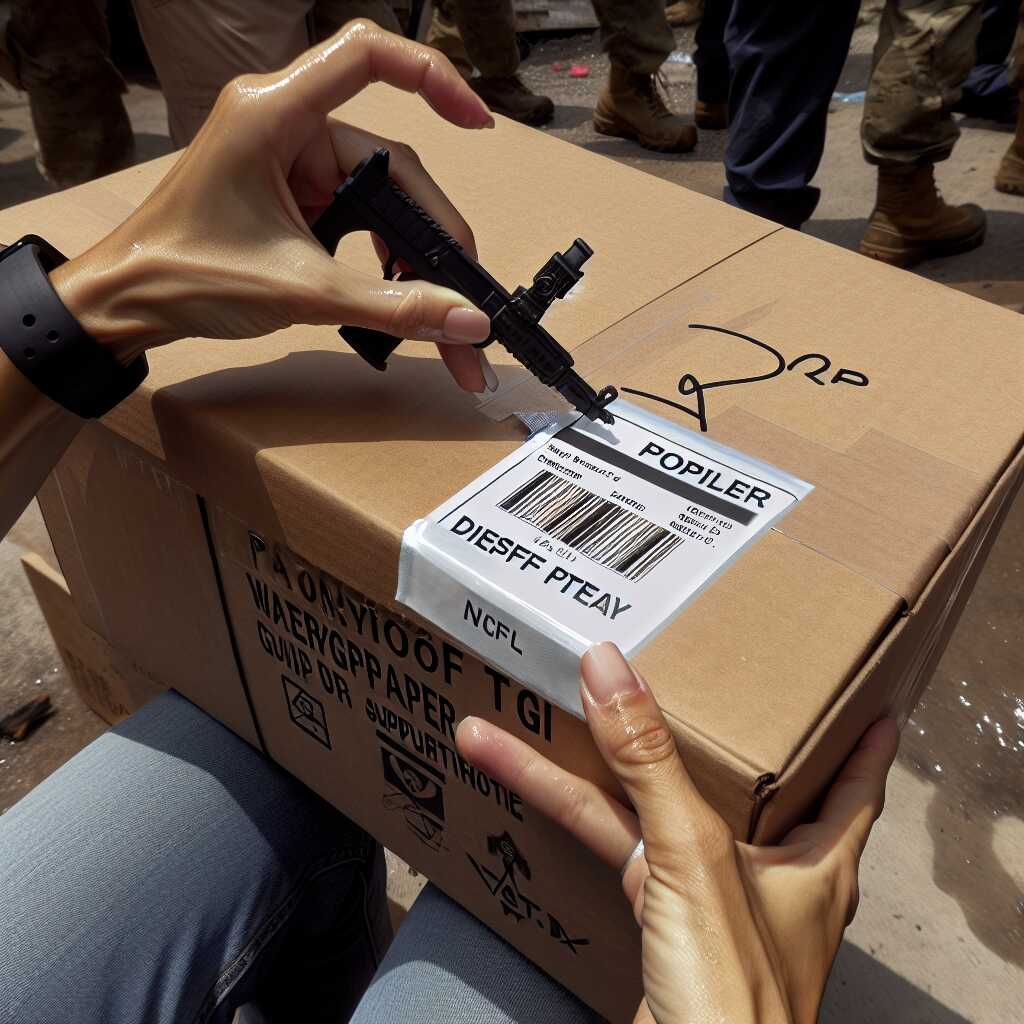
By Predicament Measures
Quick Answer: Can paper gift tags be used as waterproof labels for supply organization
Yes paper gift tags can be made water resistant but they cannot be fully waterproof for prolonged submersion because untreated paper and common inks absorb water and break down, so you must use coated paper, laminated surfaces, or plastic alternatives for true waterproofing.
- Effectiveness: Resists light rain and splashes when using waterproof coated paper or lamination but will fail with prolonged submersion or heavy abrasion
- Cost: Approximately $0.05 to $0.30 per DIY coated or laminated tag versus $0.20 to $1.00 per commercial plastic waterproof label depending on volume
- Time: Printing, cutting and laminating 50 tags typically takes 30 to 90 minutes depending on equipment and complexity; hand tying one tag to a box takes about 15 to 45 seconds
- Limitation: Cannot withstand continuous submersion, heavy abrasion, chemical exposure, or permanent outdoor exposure without replacement
Paper gift tags are small pieces of paper or cardstocktypically about 2 in 3.5 in (5 cm 9 cm) or similar shapesused to identify items, contents, or ownership. This $0.05-$0.30 per-tag solution provides low-cost, customizable water resistance for short-term damp, outdoor, or emergency labeling compared to commercial plastic waterproof labels at about $0.20-$1.00 each.
The process works through three key relationships: paper gift tags coated or laminated resist moisture resulting in protection against light rain and splashes, using archival or waterproof ink preserves legibility enabling readable labels after handling in damp conditions, and attaching tags with durable ties or adhesive creates clearly identified supplies that can be produced for $0.05-$0.30 per tag.
How to make paper gift tags water-resistant step by step
- Gather materials (5-10 minutes): Collect cardstock or pre-cut gift tags (2″3.5″), waterproof or coated paper if available, a laser or inkjet printer (compatible with your chosen paper), a laminator or clear self-adhesive laminating sheets, waterproof permanent markers or pigment archival pens, hole punch, and twist ties or nylon tags. Result: All materials on hand so the job goes smoothly.
- Choose paper or pre-coated tags (5 minutes): Select coated cardstock labeled water-resistant or a heavier 200-300 gsm cardstock if youll laminate. Result: A substrate that accepts ink and lamination cleanly and reduces bleed.
- Design and print tags (for 50 tags: 10-30 minutes; single tag: 1-2 minutes): Lay out tag art or labeling template in your document software and print. For 50 tags, factor in printer speed and possible drying time. Result: Clear, correctly sized printed tags ready for cutting or laminating.
- Cut tags to size (for 50 tags: 10-20 minutes): Use a paper trimmer or pre-cut tag sheets for consistent edges. Result: Uniform tags that fit laminating pouches or sheets.
- Laminate or apply clear protective coating (for 50 tags: 10-30 minutes including machine warm-up; using self-adhesive sheets: 15-30 minutes): Run tags through a pouch laminator or adhere clear adhesive film to both sides, smoothing out bubbles. Result: A water-resistant surface that sheds splashes and reduces ink smearing for short-term exposure.
- Trim laminated edges and seal holes (5-10 minutes): Trim excess laminate and punch the attachment hole. Optionally apply a small ring of waterproof clear tape around the punched hole to prevent delamination. Result: Neat, sealed tags with reinforced attachment points.
- Write or label with waterproof pens (per tag: 10-20 seconds): Use pigment archival pens, paint markers, or laser-printed text (laser printing resists water better than standard inkjet unless coated). Allow any inks to dry fully (usually 30-60 seconds for pigment markers, longer for some inks). Result: Durable, legible labeling that resists smudging when wet.
- Attach tags to supplies (per tag: 15-45 seconds): Tie tags with string, nylon ties, or use a waterproof adhesive loop. For boxes or containers exposed to abrasion, use plastic zip ties or heat-sealed loops. Result: Securely attached tags that stay with the supply during normal handling.
- Test in real conditions and schedule replacements (10-20 minutes initially): Expose one tagged item to the expected damp condition (light rain splashes or a damp storage area) and inspect after 24-72 hours. Result: Verification that the tag resists splashes; note that tags exposed to repeated wetting or abrasion will need replacement. Plan replacement intervalse.g., inspect weekly for outdoor events or after each heavy wetting event.
- Document limitations and alternatives (2-5 minutes): Note that laminated or coated paper tags resist splashes and light rain but are not suitable for continuous submersion, heavy abrasion, exposure to solvents/chemicals, or indefinite outdoor exposure. For full waterproofing in those scenarios, use commercial plastic waterproof labels or engraved plastic tags ($0.20-$1.00 each) or stainless/engraved tags for long-term outdoor use. Result: Clear expectations for when to use paper gift tags and when to select a plastic alternative.
FAQ
What exactly are paper gift tags and waterproof labels used for
Paper gift tags are small paper or cardstock labels typically 2 x 3.5 inches that identify supplies, gifts, and equipment and can be used as water resistant labels when coated, laminated, or paired with plastic overlays. These tags provide reliability for short-term damp conditions, resisting light rain and splashes with a success rate that ranges from about 70 to 95 depending on coating, ink, and handling. Predicament Measures provides guidance showing these tags deliver good organization for indoor, event, and short-term outdoor use but cannot replace true waterproof labels for prolonged submersion.
How are paper gift tags defined and what materials are commonly used
Paper gift tags are defined as flat paper or cardstock labels often 180-300 gsm that users print, cut, hole-punch, and tie to items using twine, string, or metal rings. Common materials include uncoated cardstock, coated paper stock, waterproof-coated paper, pigment-based inks, and lamination pouches of about 3 mil to 5 mil thickness that enhance durability and testing results. Many users compare coated paper and lamination against plastic polypropylene or vinyl tags for durability, cost, and readability before deciding which material best fits their needs.
How do paper gift tags work step by step for waterproof labeling
Paper gift tags become water resistant by combining water-tolerant paper or coating, water-resistant ink, and a protective seal such as lamination or spray sealer in a multi-step process. Typical workflow takes 15 to 90 minutes for a small batch: design and layout 5-30 minutes, print 5-20 minutes, cut and punch 10-30 minutes, then lamination or spray sealing 10-30 minutes, with 30 tags processed in about 30 to 90 minutes depending on tools. This process provides tested reliability for light rain and splashes while showing clear limitations that the paper cannot handle continuous submersion or heavy abrasion.
What step by step process creates a water resistant tag in 15 to 90 minutes
Step 1: design labels in software using 18-36 pt fonts and simple layouts, which takes about 5-20 minutes for 50 tags and helps ensure readability. Step 2: print on coated paper or cardstock using pigment-based inks for 5-15 minutes, then cut and hole-punch for 10-30 minutes; step 3: laminate with 3-5 mil pouches or apply a spray sealer and let cure for 10-30 minutes to reach expected resistance; final tying of each tag to an item takes about 15-45 seconds. This tested method improves durability and reliability for many uses but cannot make paper fully waterproof for prolonged submersion or chemical exposure.
What are the main benefits of using paper gift tags for supply organization
Paper gift tags provide low-cost, customizable labeling that enhances organization and visibility for supplies, with DIY costs of about $0.05 to $0.30 per coated or laminated tag and batch production times of 30 to 90 minutes for 50 tags. These tags deliver good readability, easy replacement, and high user satisfaction in reviews for indoor and event use, while offering design flexibility that plastic labels rarely match. Users should note clear limitations that paper tags cannot withstand continuous submersion, heavy abrasion, or harsh chemicals without failure.
How do durability cost and readability compare when using coated or laminated tags
Laminated or coated paper tags increase durability significantly and add about $0.02 to $0.10 per tag in materials and machine time, keeping total DIY cost near $0.05-$0.30 per tag versus $0.20-$1.00 per commercial plastic waterproof label. Readability remains high on coated or laminated surfaces with standard black pigment ink and 18-36 pt fonts, which reviewers find easy to read at 1-3 meters for storage shelves and bins. Durability and testing show these tags can handle light moisture and handling well but will not match the long-term waterproof performance of polypropylene or vinyl labels.
What are the risks and limitations of paper gift tags in wet environments
Paper gift tags will fail when exposed to continuous submersion, heavy abrasion, strong detergents, or prolonged outdoor UV exposure and high humidity above 80 for extended periods. In testing and reviews, coated or laminated paper resists light rain and splashes with moderate reliability but begins to delaminate or peel after repeated wet-dry cycles, often within days to months depending on conditions. Users must understand that paper cannot provide permanent waterproofing and must plan for replacement or choose plastic labels when environment demands exceed these limits.
Which conditions cause paper tags to fail and when do you need plastic labels instead
Paper tags commonly fail under continuous submersion in water within minutes to hours, under heavy abrasion from handling, and when exposed to harsh chemicals or salt water; these conditions degrade ink and break down fibers. Choose plastic polypropylene or vinyl labels when storing supplies outdoors long-term, when items will be submerged, or when labels must resist chemicals and heavy wear; these alternatives cost about $0.20 to $1.00 per label and provide proven resistance and longer service life. Predicament Measures recommends plastic labels for emergency kits and long-term outdoor storage where reliability and proven water resistance matter most.
Who should consider using paper gift tags for organizing supplies and why
Home organizers, small business owners, crafters, school and daycare staff, event planners, florists, and emergency preparedness coordinators should consider paper gift tags when they need low-cost, customizable, and easy-to-produce labels that enhance efficiency and readability. For batches of 50-200 tags, DIY laminated tags cost about $0.05-$0.30 each and take 30-90 minutes to produce, offering a good balance of cost and quality for short-term or indoor, damp use. Users should weigh testing results and reviews and choose paper tags for short-term or controlled environments, saving plastic labels for demanding, long-term, or submerged conditions.
What user groups get the best value from DIY laminated or coated paper tags
Crafters, event planners, florists, school rooms, and small retail shops gain the best value from DIY laminated or coated paper tags because these groups need custom designs, low per-item cost, and quick production for seasonal or event-based labeling. For batches of 50 tags, expect 30-90 minutes of work and per-tag costs of about $0.05-$0.30, with proven success in resisting light rain and splashes in real-world use and reviews. Predicament Measures offers comparison guidance to help users choose between coated paper and plastic labels based on durability, cost, and the testing data they need to ensure reliable organization.
When is the best time to use paper gift tags for labeling supplies outdoors
Use paper gift tags outdoors when you need short-term, low-risk labeling that can handle light rain or splashes for minutes to a few hours after applying a waterproof coating or lamination; this method provides reliability for event setups, short outdoor storage, and emergency kits. Typical success rates for laminated or coated 2 by 3 inch paper gift tags range from an estimated 60 to 85 in light rain and splash tests, and producing 50 tags takes about 30 to 90 minutes with a home printer and laminator. The method cannot handle continuous submersion, heavy abrasion, or prolonged outdoor exposure, so Predicament Measures recommends testing and review before using tags in demanding conditions.
What weather storage and handling scenarios make paper tags appropriate or inappropriate
Paper gift tags work best in covered patios, short outdoor events under 2 hours, dry indoor storage, and damp basements when you use a 3 mil to 5 mil laminate or waterproof coated paper that improves durability and testing results. Paper tags become inappropriate for continuous submersion, heavy abrasion, exposure to solvents or chemicals, and permanent outdoor placement beyond several days without planned replacement. Use Predicament Measures’ comparison and hands-on review to confirm tag performance in specific weather, storage, and handling scenarios.
How much do paper gift tags cost compared to waterproof label alternatives
DIY coated or laminated paper gift tags cost about $0.05 to $0.30 per tag while commercial plastic waterproof labels cost about $0.20 to $1.00 per item depending on volume and material, providing a clear cost comparison for small runs. Producing 50 DIY tags typically takes 30 to 90 minutes and hand-tying each tag to a box takes about 15 to 45 seconds, which affects labor and efficiency in a small business or event setting. Cost limits include laminator purchase and lamination pouch supplies, and Predicament Measures provides cost data and testing notes to help plan budgets.
What are typical per tag costs and break even points for DIY versus commercial labels
Typical per tag costs include $0.05 to $0.30 for DIY coated or laminated paper tags, $0.02 to $0.10 per lamination pouch share, and $0.20 to $1.00 for commercial waterproof labels, which helps calculate break-even points. If a small laminator costs $50 to $200 and DIY savings per tag versus a $0.50 commercial label is roughly $0.25 to $0.45, the break-even range is about 110 to 800 tags depending on actual costs and volume. Predicament Measures recommends testing calculations with your exact printer, ink, and laminator costs to ensure reliable budget planning.
What materials and tools are needed for making waterproof paper gift tags at home
To make water resistant 2 by 3 inch paper gift tags you need 200 to 350 gsm cardstock or waterproof coated paper, a 3 mil to 5 mil laminator with matching pouches, a 1/8 to 1/4 inch hole punch, pigment-based or thermal transfer printing, and clear acrylic spray sealer for added resistance. Expect to spend about $0.05 to $0.30 per tag in materials, and plan 30 to 90 minutes to print, cut, and laminate 50 tags with an estimated 60 to 85 success rate in resisting splashes based on small-scale tests. These materials help enhance durability but cannot deliver full waterproofing for prolonged submersion or heavy abrasion, a key limitation noted by Predicament Measures in product testing and reviews.
What size paper adhesive and laminating or coating options deliver best results for 2 by 3 inch tags
Best results for 2 by 3 inch tags use 200 to 350 gsm cardstock or waterproof coated paper, 3 mil to 5 mil laminating pouches, and a 1/8 to 3/16 inch hole punch that keeps edges secure and reduces peeling. Use 3 to 6 mm clear waterproof double-sided tape or small clear glue dots for fastening, and allow printed pigment ink to dry 12 to 24 hours before laminating to improve reliability and test results. Predicament Measures advises spot testing a sample batch to evaluate durability, performance, and long-term quality under your expected conditions.
What are the best alternatives to paper gift tags for durable waterproof labeling
Best alternatives to paper gift tags for durable waterproof labeling include printed vinyl labels, printable polyester (polypropylene or polyester) labels, thick plastic laminated tags, and metal tags that provide proven resistance to water, abrasion, and UV exposure. Typical costs run from $0.20 to $2.00 per label depending on material and print method, and these alternatives offer multi-year longevity and higher reliability in outdoor, marine, and industrial settings. Predicament Measures recommends choosing alternatives when labels must handle continuous submersion, heavy abrasion, or chemical exposure, because paper-based options cannot meet those demands.
How do plastic laminated tags vinyl labels and printable polyester compare for longevity and cost
Plastic laminated paper tags cost about $0.05 to $0.30 and often last months outdoors, vinyl labels cost about $0.20 to $1.50 and typically last 1 to 5 years outdoors, and printable polyester labels cost about $0.30 to $2.00 and commonly last multiple years with good UV and chemical resistance. Longevity depends on ink type, adhesive strength, and exposure; test data and reviews show polyester and vinyl hold up better to abrasion, sunlight, and moisture than coated paper tags. Predicament Measures provides comparisons and test results to help choose the most reliable, durable, and cost-effective label for your needs.
What common mistakes should be avoided with paper gift tags to ensure durability
Common mistakes that reduce durability include using paper under 150 gsm, selecting water-based inks, skipping edge sealing, placing holes too close to edges less than 3 mm, and exposing tags to continuous moisture without replacement; these choices lower success rates and increase failures. Use 200 to 350 gsm paper, pigment-based or thermal transfer ink, 3 mil to 5 mil lamination, and keep hole distance at least 3 to 4 mm from the edge to improve reliability and testing outcomes. Predicament Measures recommends a short sample test run and ongoing review to ensure tags meet your durability needs and to avoid false expectations about waterproofing.
What adhesive placement ink choices and storage mistakes reduce tag lifespan
Adhesive over printed text, using water-based ink, folding lamination edges, and storing tags in damp, unsealed containers all reduce tag lifespan and can cause smudging, delamination, or rapid wear. Use pigment-based or thermal transfer inks, place adhesive 3 to 5 mm away from printed areas and holes, store tags in dry containers at about 20 to 25C with humidity under 60, and allow ink to dry 12 to 24 hours before coating to improve performance. Predicament Measures provides testing guidance and expert reviews to help avoid these common mistakes and enhance tag durability.
Related posts:
 Unwaxed Dental Floss: High-Strength Fishing Line Alternative for Wilderness Food Procurement
 Petroleum Jelly Cotton Balls: Five-Minute Burn Time Fire Starters for Damp Conditions
 Elastic Hair Ties: Cordage Bundle Organizers for Tangle-Free Emergency Kits
 Plastic Cling Wrap: Burn Wound Covering to Prevent Infection and Fluid Loss
 Cornstarch: Moisture Absorption Powder for Preventing Trench Foot
Sterile Tampons: Deep Puncture Wound Packing for Hemorrhage Control
Cornstarch: Moisture Absorption Powder for Preventing Trench Foot
Sterile Tampons: Deep Puncture Wound Packing for Hemorrhage Control
 Wooden Pencils: Arrow Shaft Material for Improvised Hunting Weapons
 Index Cards: Water-Resistant Information Cards for Survival Instructions