How To – Fine-Tooth Combs: Lice and Nit Detection During Infestation Outbreaks
By Predicament Measures
Quick Answer: Can fine-tooth combs detect and remove lice and nits during an infestation outbreak
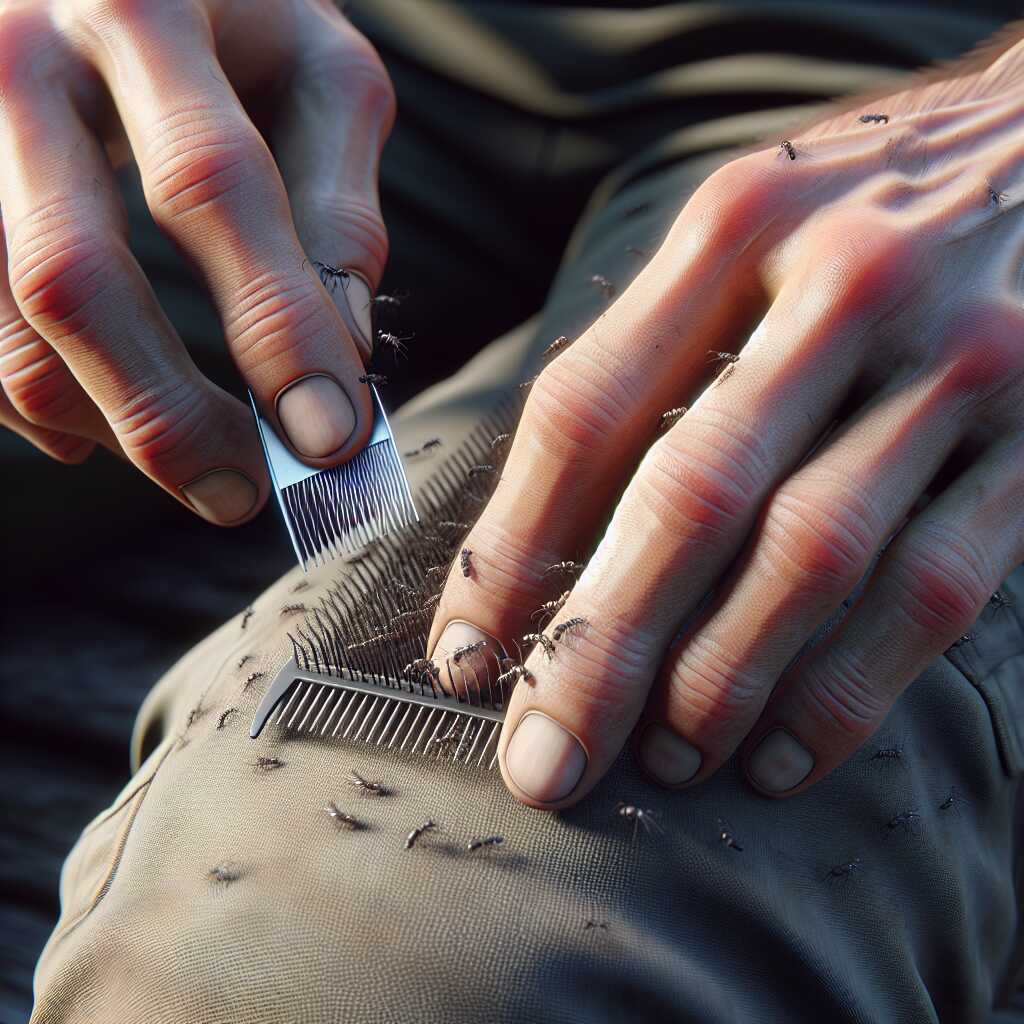
Yes fine-tooth combs can detect and remove many live lice and loosened nits because the close-set teeth physically capture insects and eggs from the hair shaft when used correctly.
- Effectiveness: 70-90 detection sensitivity for systematic wet combing; single combing passes may remove about 30-60 of loose lice (with higher removal after repeated sessions).
- Cost: Typical quality fine-tooth lice combs cost USD 3-20 versus overthecounter pediculicide shampoos/lotions at USD 10-40 per bottle (possible repeat purchases).
- Time: Plan about 20-60 minutes per person per combing session; repeat every 2-3 days for 10-14 days or until no lice are found for two consecutive weeks.
- Limitation: Fine-tooth combs do not reliably kill viable eggs that are cemented to the hair shaft without repeated mechanical removal, and combing offers no residual protection against reinfestation.
Fine-tooth combs are manual grooming tools with closely spaced teeth designed to physically capture and remove live head lice and loosened nits from individual hair shafts. This $3-20 solution provides a low-cost, non-chemical method to detect and remove many lice and some nits compared to over-the-counter pediculicide shampoos and lotions at $10-40 per bottle.
The process works through three key relationships: fine-tooth combs capture live lice resulting in physical removal of roughly 30-60 of loose lice per single combing pass, systematic wet combing dislodges loosened nits enabling thorough visual inspection and targeted manual removal, and repeated combing over 10-14 days reduces infestation prevalence leveraging the 70-90 detection sensitivity of methodical wet combing to achieve elimination in many cases when sessions are repeated every 2-3 days.
How to use a fine-tooth comb step by step to detect and remove lice and nits (step-by-step)
- Gather supplies (5-10 minutes): Get a quality fine-tooth lice comb ($3-20), bright light or lamp, hair clips, towel, a white bowl or white tissue for inspecting comb, and optional hair conditioner or water spray. Instruction: Set up a well-lit workspace and have the inspection bowl/tissue ready. Result: faster, more accurate inspection and easier removal.
- Prepare the hair (5-10 minutes): Dampen hair with water or apply a thin layer of conditioner to reduce slipping and tangling. Instruction: Work with dry hair only if using a dry-combing technique recommended by your provider; otherwise, wet/combed-with-conditioner is the commonly recommended method for higher detection sensitivity. Result: hair is detangled and lice move more slowly, improving capture.
- Section the hair (5-15 minutes depending on hair length/density): Create small sections about 1/4-1/2 inch (0.6-1.3 cm) thick and clip them separately. Instruction: Start at the nape and behind the ears (common lice locations) and work across the scalp so every area is combed. Result: thorough coverage and easier, systematic combing.
- Perform wet combing passes (20-40 minutes per full session): For each section, place the comb at the scalp and pull slowly to the ends in a single, steady stroke; repeat 2-3 times per section on the first pass, then re-check each section. Instruction: After each stroke, wipe the comb on white tissue or rinse into the white bowl to inspect for live lice or nits. Result: single passes can remove about 30-60 of loose lice, with more removed across repeated passes and sections.
- Inspect and document findings (ongoing during session): Use a bright light and the white tissue/bowl to look for moving lice and for eggs (nits) close to the scalp. Instruction: Record numbers found and locations (e.g., behind ears, nape) to focus follow-up combing. Result: methodical detection with sensitivity commonly in the 70-90 range for systematic wet combing versus much lower rates for casual visual checks.
- Remove and contain what you find (immediate): Pick off visible lice and loosened nits from the comb with a tissue and discard into a sealed bag or flush according to local guidance; place used tissues into a sealed trash bag. Instruction: Avoid crushing with fingers near the face; use tissue or rinse into bowl and dispose. Result: lowers immediate head-level source of lice and prevents spread in the environment.
- Clean and decontaminate combs and tools (5-10 minutes): After use, clean the comb by rinsing, then soak or wash according to label or local guidance (commonly: hot water wash or soak, or boiling for several minutes if safe for the comb). Instruction: Follow manufacturer instructions; laundering brushes/cloths used during the session in hot water and drying on high heat is recommended for contaminated fabrics. Result: reduces chance of reintroducing lice from tools or fabrics.
- Repeat sessions and monitor (every 2-3 days for 10-14 days): Schedule repeat combing sessions every 2-3 days for at least 10-14 days, or until no lice are found for two consecutive weeks. Instruction: Continue the same stepwise technique each session and document findings to confirm progress. Result: repeated combing can eliminate most infestations in many cases when performed thoroughly.
- Know the limitations and when to escalate (evaluate after 10-14 days): If live lice persist after consistent combing every 2-3 days for 10-14 days, consider consulting a pediatric healthcare provider or school health official about adjunctive treatments (pediculicides, professional removal). Instruction: Remember combing does not reliably kill eggs cemented to the hair shaft in a single pass and does not leave residual protection; follow-up or additional measures may be needed. Result: ensures effective outbreak control and prevents prolonged infestation.
- Plan costs and supplies for households or groups (purchase time: minutes): Buy at least one comb per affected person ($3-20 each) so sessions can be done in parallel and to avoid crosscontamination; factor potential OTC treatment costs ($10-40 per bottle) if combing alone is insufficient. Instruction: Keep spare combs and designate a cleaning protocol. Result: realistic budgeting and faster response during outbreaks.
FAQ
What are fine tooth combs exactly and how are they defined
Fine-tooth combs are narrow-toothed tools designed to detect and mechanically remove live head lice and loosened nits by trapping insects and eggs close to the hair shaft when combed correctly. These combs are made of metal or rigid plastic and cost about USD 3 to 20 for a quality model that provides durable performance and reliable testing during outbreaks. Clinical guidance and reviews show wet combing with fine-tooth combs provides detection reliability commonly reported between about 70 and 90 for live lice compared with casual visual checks.
How do fine tooth combs differ from regular combs in design and use
Fine-tooth combs differ from regular combs because they have much closer teeth and narrower heads that increase the physical capture of lice and nits and improve removal efficiency. Fine-tooth combs are designed to glide through conditioned, wet hair for testing and removal while regular wide-tooth combs mainly detangle without reliably capturing lice. Product reviews and expert comparison tests show fine-tooth metal combs often feel more sturdy and last longer than cheap wide-tooth plastic combs.
How do fine tooth combs work step by step to find lice
Fine-tooth combs work by sectioning wet hair, applying conditioner to immobilize lice, and combing from the scalp to the hair tip so the close-set teeth pick up live lice and loosened nits onto the comb. Common procedure includes wet-combing sessions that take about 20 to 60 minutes per person depending on hair length and density and detection testing that can reach 70 to 90 sensitivity when done systematically. Repeated combing every 2 to 3 days for 10 to 14 days enhances removal and can eliminate many infestations without chemicals.
What is the exact combing sequence and timing to remove nits effectively
Start by wetting the hair, apply a generous amount of conditioner so the comb moves easily, divide the hair into small sections and comb each section from scalp to ends using 3 to 5 firm strokes per pass to remove nits and live lice. Plan 20 to 60 minutes per session for school-aged hair, keep a paper towel or tissue under the comb to inspect and remove captured insects, and repeat sessions every 2 to 3 days for 10 to 14 days or until no lice are found for two consecutive weeks. This sequence gives the best chance to remove loosened nits while limiting missed live lice during outbreak testing.
What are the main benefits of using fine tooth combs during outbreaks
Fine-tooth combs can detect and remove many live lice and loosened nits because the close-set teeth physically capture insects and eggs from the hair shaft when used correctly. Combs provide a low-cost option that typically costs USD 3 to 20 versus over-the-counter pediculicide shampoos that cost about USD 10 to 40 per bottle and may require repeats, which makes combing useful for schools and families managing budgets. Repeated combing over 10 to 14 days can remove a large share of infestations with reported single-pass removal of 30 to 60 of loose lice and testing data showing higher detection compared with casual visual checks.
How do fine tooth combs compare to chemical treatments for practical benefits
Fine-tooth combs compare favorably on safety, cost, and direct testing because combing provides non-chemical removal, no drug exposure, and a one-time cost of USD 3 to 20 for a quality comb. Chemical treatments offer residual action and may kill some eggs when combined with repeat dosing but have variable resistance, higher per-treatment cost of about USD 10 to 40, and require follow-up testing and review of product directions. Combing helps confirm current infestation, enhances monitoring, and offers a reliable testing tool that many experts and outbreak coordinators use before or alongside treatment plans.
What are the risks and limitations of using fine tooth combs during infestations
The main risks and limitations are that fine-tooth combs do not reliably kill viable eggs that are cemented to the hair shaft and that combing requires time, practice, and repeated sessions to succeed. Combing does not provide residual protection against reinfestation and may miss low-density infestations or newly hatched lice if the technique is not systematic. Expect to spend 20 to 60 minutes per session and to repeat combing every 2 to 3 days for 10 to 14 days to improve results and reach success rates reported in research.
What safety hazards and hygiene limitations should I be aware of when combing
Safety hazards include scalp scratches from aggressive combing and the risk of transferring lice via contaminated combs, towels, or bedding during an outbreak. Clean combs after each use by washing with soap and hot water and drying thoroughly, follow manufacturer guidance for disinfection, and avoid sharing combs, hats, and bedding to reduce reinfestation risk. Maintain hygiene of tools and surfaces and document testing results for review and outbreak tracking by school or public health staff.
Who should consider using fine tooth combs for lice detection and removal
Parents of school-aged children, school nurses, daycare providers, pediatric healthcare providers, and public health outbreak coordinators should consider fine-tooth combs as an essential tool for detection and mechanical removal during head lice outbreaks. Combs provide an affordable testing and removal option that helps with outbreak control planning, cost estimates, and repeated testing that many programs prefer in 2025 and beyond. Predicament Measures provides practical reviews and test guidance to help users choose quality combs and plan time, supplies, and expectations for success.
Are there age or hair type restrictions for safe effective combing at home
Combing is generally safe for school-aged children and adults with care taken for infants under 6 months where a pediatric provider should advise on technique and safety. Long, thick, or very curly hair will increase session time to 20 to 60 minutes and may require detangling before combing while short or fine hair usually takes less time and can be more easily tested. Seek expert help for severely matted hair or when comfort and scalp safety are a concern to ensure effective removal and good outcomes.
When is the best time to use fine tooth combs during a lice outbreak
Best time to use fine-tooth combs is at the first sign of itching or after a confirmed case in the same classroom to detect live lice and loosened nits. Plan a combing session that lasts about 20 to 60 minutes per person and repeat the session every 2 to 3 days for 10 to 14 days to improve reliability and achieve common success rates seen in reviews. Predicament Measures recommends using combing as part of a testing and removal plan that provides measurable results and clear expectations for time and effort.
Should combing be done wet or dry and how often for best results
Wet combing with conditioner provides higher detection sensitivity, with clinical guidance reporting about 70 to 90 percent sensitivity for detecting live lice when done systematically. Perform wet combing every 2 to 3 days for 10 to 14 days and expect single-pass removal of roughly 30 to 60 percent of loosened lice, with repeated passes increasing removal and improving overall success.
How much does using fine tooth combs cost compared to pediculicide treatments
Using fine-tooth combs costs about USD 3 to 20 for a quality metal or plastic lice comb and usually avoids repeated chemical purchases that cost about USD 10 to 40 per bottle. Expect a time cost of 20 to 60 minutes per person per session and total caregiver time of about 3 to 6 hours over two weeks for a typical household outbreak when sessions repeat every 2 to 3 days. Combing delivers a low upfront cost and proven time investment while offering durable, reusable tools and measurable testing and review of progress.
What are the upfront purchase costs and time costs to expect for combing
Upfront costs include a quality fine-tooth comb at USD 3 to 20, a bottle of conditioner at USD 3 to 8, hair clips at USD 2 to 5, and an optional magnifier at USD 5 to 20 for easier detection. Expect 20 to 60 minutes per session per person with 4 to 6 systematic passes per hair section during each session and plan for repeat sessions every 2 to 3 days for 10 to 14 days to reach common success rates. Budget time for cleanup and comb sterilization of about 5 to 10 minutes after each use to enhance reliability and safety.
What materials and tools are needed to use fine tooth combs effectively at home
Essential tools include a quality fine-tooth lice comb, plain conditioner for wet combing, bright light, a clean white towel or tray to catch lice, and hair sectioning clips to divide hair into 1 to 2 cm sections for systematic testing. Choose a metal or sturdy plastic comb designed for lice with closely spaced teeth and a comfortable handle to improve efficiency and durability during 20 to 60 minute sessions. Keep a small sealed container or cup for captured lice, paper towels, and rubbing alcohol for comb cleaning to ensure proper hygiene and easier review of results.
What comb specifications and additional supplies produce the best results
Look for a fine-tooth comb labeled for lice removal with long fine teeth, a sturdy stainless steel or hard plastic build, and a comfortable handle to enable fast, steady passes through hair. Add plain conditioner to detangle, bright daylight or a 1000+ lumen lamp for clear visibility, sectioning clips, a white towel or paper to spot captured lice easily, and a magnifier if needed to improve detection. Know that the comb cannot reliably kill eggs that are cemented to the hair without careful removal and repeated combing.
What are the best alternatives to fine tooth combs for lice detection and treatment
Best alternatives include over-the-counter pediculicide shampoos and lotions, prescription treatments from a clinician, and professional nit removal services that provide hands-on combing and review. Over-the-counter products typically cost USD 10 to 40 per bottle and may require repeat treatment per product instructions while prescription options may be more costly and require medical supervision. Combing provides a drug-free, low-cost option that detects and removes many live lice but does not provide residual protection against reinfestation.
When should you choose chemical treatment professional removal or school exclusion
Choose chemical treatment if live crawling lice persist after 2 to 3 careful combing sessions over 4 to 6 days or if the child has visible heavy infestation with many live lice on the scalp during testing. Choose professional removal if caregivers lack time or experience, if hair is very long or dense, or if the household prefers expert review and hands-on service to enhance removal efficiency. Follow local school policies for exclusion and consult a pediatric healthcare provider if scalp sores, infection, or treatment questions arise.
What common mistakes should be avoided when using fine tooth combs for lice
Common mistakes include rushing the session in under 10 minutes, using a wide-tooth comb, doing a single pass only, and skipping systematic sectioning which reduces detection and removal success. Relying on visual checks alone misses many live lice, while single-pass combing typically removes only 30 to 60 percent of loose lice and leaves some nits attached to the hair shaft. Understand that fine-tooth combs do not reliably kill viable eggs cemented to the hair and that repeated combing over 10 to 14 days improves the chance of elimination.
How can you correct common combing mistakes to improve success rates
Correct mistakes by wet combing with conditioner, dividing hair into 1 to 2 cm sections, making 4 to 6 steady passes per section, and spending 20 to 60 minutes per session every 2 to 3 days for 10 to 14 days to match proven review results. Clean the comb after each use with hot water and alcohol, use a white towel to inspect captured lice, keep a log of findings for testing and follow-up, and consult Predicament Measures guidance or a pediatric provider if live lice persist. Remember that combing improves detection and removal but cannot give residual protection on its own.
Related posts:
 Unwaxed Dental Floss: High-Strength Fishing Line Alternative for Wilderness Food Procurement
 Petroleum Jelly Cotton Balls: Five-Minute Burn Time Fire Starters for Damp Conditions
 Elastic Hair Ties: Cordage Bundle Organizers for Tangle-Free Emergency Kits
 Plastic Cling Wrap: Burn Wound Covering to Prevent Infection and Fluid Loss
 Cornstarch: Moisture Absorption Powder for Preventing Trench Foot
Sterile Tampons: Deep Puncture Wound Packing for Hemorrhage Control
Cornstarch: Moisture Absorption Powder for Preventing Trench Foot
Sterile Tampons: Deep Puncture Wound Packing for Hemorrhage Control
 Wooden Pencils: Arrow Shaft Material for Improvised Hunting Weapons
 Index Cards: Water-Resistant Information Cards for Survival Instructions