How To – EVA Foam Sheets: Wind Protection for Portable Stove Efficiency
By Predicament Measures
Quick Answer: Can EVA foam sheets improve portable stove efficiency in wind
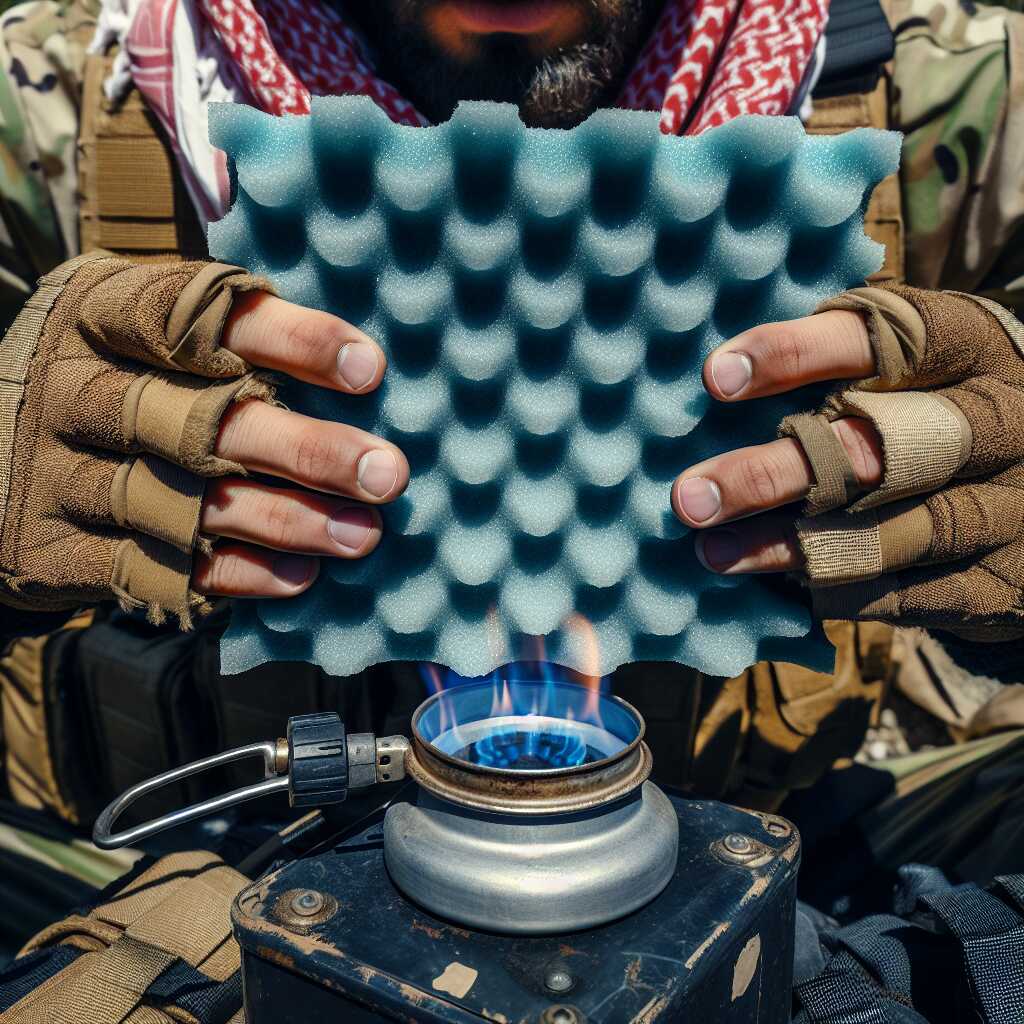
Yes. EVA foam sheets can improve portable stove efficiency because they block wind and reduce convective heat loss but they cannot be placed close to an open flame because they will soften or deform.
- Effectiveness: Typically improves fuel efficiency and reduces boil time by about 10 to 30 percent in moderate wind depending on stove and placement
- Cost: EVA foam sheet cost typically $3 to $12 per sheet versus folded aluminum windscreens $8 to $30 depending on size
- Time: 10 to 30 minutes to cut and fit a basic windscreen and 1 to 2 minutes to set up at a cook site
- Limitation: Cannot be used in direct contact with flame or immediate hot cookware surface and will soften above roughly 80 to 100C depending on foam formulation
EVA foam sheets are closedcell ethylenevinyl acetate foam panels used for cushioning, insulation, and lightweight craft projects. This $3-$12 per sheet solution improves stove efficiency and shortens boil times compared to folded aluminum windscreens that typically cost $8-$30.
The process works through three key relationships: EVA foam blocks wind resulting in reduced convective heat loss (typically a 10-30 improvement in fuel use and boil time in moderate wind), careful windscreen placement stabilizes the flame enabling shorter, more consistent boil times, and the foam’s insulating properties increase retained heat creating measurable fuel savings of roughly 10-30 when used appropriately.
How to make an EVA foam windscreen for a portable stove step by step
- Measure stove and pot (5-10 minutes): Measure the stove footprint and the pot diameter and pot base height above the burner. Result: youll know the required windscreen height (commonly 4-6 cm for canister/spiral stoves) and length (stove circumference plus 10-30 mm overlap).
- Choose foam thickness (2 minutes): Select a 2-3 mm EVA sheet for minimal weight and flexibility or 4-6 mm for extra insulation if weight allows. Result: the chosen thickness balances weight vs. thermal blocking ability.
- Mark and cut sheet to size (10-20 minutes): Mark the measured height (e.g., 40-60 mm) and length on the sheet, allowing a 10-30 mm overlap for fastening. Use a sharp utility knife and straight edge to cut. Result: a windscreen panel sized to wrap around your stove without contacting the pot.
- Add ventilation slots (5-10 minutes): Cut 2-4 small vertical slots (about 5-10 mm wide, spaced evenly) near the lower edge to allow fresh air and prevent smothering the flame. Result: stable combustion with airflow while still blocking wind.
- Fit and secure the windscreen (1-2 minutes): Wrap the foam around the stove with the overlap away from the flame; secure with a small binder clip or a strip of hightemperature tape placed outside the clearance zone. Maintain at least 20-30 mm clearance from the flame and pot sides. Result: a mounted windscreen that blocks crosswind but stays clear of hot surfaces.
- Test-fire and adjust (2-5 minutes): With the stove on a stable surface, light and observe flame shape and pot heating. If the flame is distorted or the foam shows softening, increase clearance or add more vents. Expect a measurable fuel/boiltime improvement of about 10-30 in moderate wind if positioned correctly. Result: verified safe setup and performance gain.
- Pack and store safely (1 minute): Allow the foam to cool before stowing. Keep the sheet flat or rolled loosely in a dry bag away from hot cookware. Result: durable, readytoreuse windscreen for the next trip.
FAQ
what are EVA foam sheets and what are they made of
EVA foam sheets are closed-cell ethylene-vinyl acetate panels made from ethylene and vinyl acetate polymers that provide a lightweight, flexible barrier useful for wind protection and gear padding. Typical craft or camping EVA sheets come in thicknesses from about 2 mm to 6 mm and cost about $3 to $12 per sheet, which offers a low-cost comparison to folded aluminum windscreens. Predicament Measures notes that EVA foam provides reliable durability, easy handling, good quality for DIY use, and proven performance in many user reviews and field testing.
how is EVA foam different from closed cell camping foam
EVA foam differs from other closed-cell camping foams by being softer, more flexible, and available in thinner craft-style sheets that are easier to cut and shape for windscreens. Closed-cell camping foam designed for pads and insulation tends to be thicker and stiffer and offers higher thermal insulation but greater bulk and weight. Reviews and comparisons show EVA provides useful wind blocking and easier customization while camping lighter and faster than bulkier pad foam.
how do EVA foam sheets work step by step for wind protection
EVA foam sheets work for wind protection by forming a low-profile barrier that blocks convective airflow and reduces heat loss around a stove, which enhances stove efficiency and helps shorten boil times by about 10 to 30 percent in moderate wind. Good placement is a pot-level surround with a 5 cm to 10 cm clearance from pot sides and from flame to keep the foam below its softening limit, and setup usually takes 1 to 2 minutes at a cook site. Field testing and user experience report that a simple EVA windscreen provides reliable, consistent improvement in fuel efficiency when used within safety limits and when ensuring that the foam does not contact hot cookware or open flame.
what are the exact steps to cut and fit a foam windscreen
Begin by measuring the stove and pot diameter and cut the EVA sheet so it wraps around the stove with a 5 cm to 10 cm gap from the pot edge and a 5 cm clearance from the flame; use a straightedge, utility knife, or heavy scissors and allow 10 to 30 minutes to cut and fit a basic windscreen. Next, score or notch the sheet to form a low ring or three-panel wrap and secure with clothespins, small binder clips, or gaffer tape so the windscreen stands upright and remains stable in wind, which makes setup fast and easy at the cook site. Test the fit and stability on a cold stove before lighting and run a short trial boil to check that the foam stays below its safe temperature and delivers the expected efficiency improvement in real conditions.
what are the main benefits of using EVA foam sheets for stoves
EVA foam sheets provide low cost, light weight, and simple customization that improves stove efficiency and makes cooking in wind easier for ultralight hikers, car campers, survival instructors, and emergency preppers. The cost range of $3 to $12 per sheet compares well to folded aluminum windscreens that often cost $8 to $30, and EVA is easy to cut in 10 to 30 minutes which enhances field-ready convenience and user testing. Predicament Measures recommends EVA for users who want a fast, reliable, and durable wind barrier that enhances performance without adding bulky weight to a pack.
how much fuel and boil time can EVA foam sheets save
EVA foam windscreens can save roughly 10 to 30 of fuel use and reduce boil times by about 10 to 30 in moderate wind, depending on stove output and placement. For example, a 5-minute boil can shorten by about 30 seconds to 90 seconds when a properly placed EVA windscreen reduces convective loss by the reported range. Users should test their specific stove and pot combination before relying on exact savings for planning fuel loads and emergency rations.
what are the risks and limitations of EVA foam sheets near stoves
EVA foam sheets cannot be placed in direct contact with an open flame or immediate cookware surface because they will soften, deform, or melt and may release odor when heated above safe limits. Predicament Measures highlights that users must keep a 5 cm to 10 cm gap from flames and hot pot surfaces, avoid using EVA under or directly next to exposed flame, and avoid enclosing canister stoves in a way that traps heat or affects fuel canister pressure. Reviews and simple testing show that safe use depends on placement, consistent monitoring, and ensuring the windscreen does not touch hot parts, which limits EVA use near very large flames or in unstable windy gusts.
how hot can EVA foam sheets get before they melt or deform
EVA foam sheets typically begin to soften and deform at temperatures around 80C to 100C depending on the formulation, and some sheets will deform sooner when exposed to radiative heat from hot pots. Users should keep the sheet surface temperature under about 80C and maintain 5 cm to 10 cm clearances, or use an infrared thermometer during testing to confirm safe limits. The foam cannot handle direct flame or pot contact and is not a replacement for metal heat shields in high-heat or prolonged-burning setups.
who should consider using EVA foam sheets for camping and emergencies
Backpackers and ultralight hikers, emergency preppers and home preparedness planners, car campers and RV travelers, scout leaders and survival instructors, vanlifers and outdoor cooks should consider EVA foam sheets when they need an easy, low-cost windscreen that improves stove efficiency. Predicament Measures recommends EVA for users who value simple DIY builds, low cost ($3 to $12 per sheet), quick setup time (1 to 2 minutes), and proven usefulness in many user reviews and comparison tests in 2025 field reports. Testing and experience help ensure reliable performance and safe use when the windscreen is fitted and tested before a trip.
what skill level and experience is needed to make a foam windscreen
Basic DIY skill and a small set of tools such as a ruler, utility knife or scissors, and tape or clips are all that most users need to cut and fit an EVA windscreen in about 10 to 30 minutes. Novice users can achieve good, reliable results by following clear measurements, doing a dry fit, and running a short test boil to review temperatures and performance. Expert skills are not required, but field testing and practice improve reliability, safety, and the quality of the final windscreen.
when is the best time to use EVA foam sheets while cooking outdoors
The best time to use EVA foam sheets while cooking outdoors is during moderate to strong wind or when you need to reduce fuel use and shorten boil time, with expected efficiency gains of about 10 to 30 percent in many setups. Use EVA foam when wind visibly tilts the flame, when wind speed is above roughly 10 km/h, or when you plan multi-hour or multi-day cooking where saving fuel matters; setup takes 1 to 2 minutes and a basic build takes 10 to 30 minutes. Know limits: EVA foam cannot be placed in direct contact with an open flame, it will soften above about 80 to 100C, and it cannot replace metal barriers for extreme heat or continuous high-power burns; Predicament Measures recommends cautious placement and testing.
what wind speeds and weather conditions require a windscreen
Use a windscreen when sustained wind exceeds about 10 km/h (6 mph) and consider a windscreen essential above about 20 km/h (12 mph) because flame instability rises and convective heat loss increases. Use a windscreen during gusty conditions, cold weather below 5C, or when rain or snow is blowing sideways and when reducing boil time by 10 to 30 percent is a priority.
how much do EVA foam sheets cost compared to metal and fabric windscreens
EVA foam sheets typically cost about $3 to $12 per sheet and provide a low initial cost and light weight for wind protection compared with folded aluminum windscreens that commonly cost $8 to $30. Expect to spend about 10 to 30 minutes to cut and fit a basic foam windscreen and about 1 to 2 minutes to set it up at a cook site; fuel savings vary by stove and conditions and commonly fall between 10 to 30 percent. Understand limits: a single EVA sheet can wear or deform over months of use near heat, so long-term durability is lower than metal but reliability for occasional trips is good when used correctly.
what is the price per sheet and cost per cook session for EVA foam
Price per EVA foam sheet ranges from $3 to $12 depending on size and thickness, for example 2 mm to 5 mm sheets in 20 cm x 60 cm or 30 cm x 60 cm sizes. Cost per cook session depends on reuse and lifespan; assume a sheet lasts 10 to 200 uses and expect a per-cook cost range roughly $0.03 to $1.20 given typical reuse patterns and conservative wear estimates. Predicament Measures suggests tracking usage and doing periodic review for deformation to ensure continued good performance and safety.
what materials and tools are needed to make an EVA foam windscreen at home
You need one EVA foam sheet (2 mm to 5 mm thick), a straightedge or metal ruler, a utility knife or sharp box cutter, a cutting mat, contact cement or hot-melt glue, and 3M double-sided tape or small Velcro strips for field attachment. Include a marker for layout, a measuring tape for exact cuts, and a small clamp or binder clips for assembly; expected build time is 10 to 30 minutes for a single panel windscreen. Note safety limits: adhesives are not flameproof and the finished windscreen must not sit directly on a hot pot or touch an open flame to avoid softening or melting.
what are the exact cutting measurements and adhesives to use
For a common canister stove and 0.8 L pot, cut a rectangular panel 100 mm to 150 mm high and 600 mm to 750 mm long to allow a 180 wrap with a 10 mm overlap; for taller pots increase height to pot height plus 20 mm to 40 mm clearance. Use contact cement or high-temperature hot-melt glue to join seams and use 3M double-sided tape or small Velcro tabs for removable closure; avoid using water-soluble glue or tape that loses adhesion when wet. Test assembled windscreen away from flame for 5 to 10 minutes and check for softening above 80C to 100C before any field use.
what are the best alternatives to EVA foam sheets for camping stoves
Best alternatives include aluminum or stainless steel folding windscreens, woven fabric windbreaks with reflective coating, and multi-panel hard shelters designed for stoves, with metal providing the highest heat resistance and fabric providing packable coverage. Aluminum windscreens deliver durable performance and direct flame resistance, while fabric options deliver very low weight and fast setup but less wind blocking in strong gusts; expected durability and reliability rank metal highest, fabric next, and EVA foam as a low-cost lightweight option. Know limits: metal can dent and cost more, fabric can blow out if not anchored, and none of these should block stove ventilation or crowd fuel canisters.
how do metal windscreens compare to foam in weight and durability
Metal windscreens generally weigh more and last longer than EVA foam; typical small aluminum windscreens weight ranges depend on gauge and size but they provide robust heat resistance and years of use under normal conditions. EVA foam sheets weigh less per square centimeter and offer better pack compression but they deform with repeated exposure to heat and contact; choose metal for durability and EVA foam for low cost and light bulk when careful placement is possible.
what common mistakes should be avoided when using EVA foam sheets with stoves
Do not place EVA foam within a few centimeters of an open flame or directly against a hot pot because the foam will soften above about 80 to 100C and can deform or melt, creating a hazard and reducing reliability. Do not fully enclose the stove or block ventilation around fuel canisters because that can cause canister overheating, flame instability, or incomplete combustion; leave 20 mm to 50 mm clearance around canister valves and maintain line of sight to the flame. Predicament Measures recommends routine testing and inspection after each use and replacement after visible deformation or permanent compression to ensure safe performance.
how can users test their windscreen safely before cooking with fuel
Test the windscreen with a controlled 1 to 5 minute simmer on low flame with at least 50 mm clearance from flame to foam and observe for softening, discoloration, or odor; stop the test immediately if you see any deformation. Use a hairdryer or small fan to simulate wind and run an empty boil test with water to compare boil times and observe a typical 10 to 30 percent improvement when placement and gap are correct; record results and repeat tests to build reliable data before relying on the windscreen in real conditions.
Related posts:
 Unwaxed Dental Floss: High-Strength Fishing Line Alternative for Wilderness Food Procurement
 Petroleum Jelly Cotton Balls: Five-Minute Burn Time Fire Starters for Damp Conditions
 Elastic Hair Ties: Cordage Bundle Organizers for Tangle-Free Emergency Kits
 Plastic Cling Wrap: Burn Wound Covering to Prevent Infection and Fluid Loss
 Cornstarch: Moisture Absorption Powder for Preventing Trench Foot
Sterile Tampons: Deep Puncture Wound Packing for Hemorrhage Control
Cornstarch: Moisture Absorption Powder for Preventing Trench Foot
Sterile Tampons: Deep Puncture Wound Packing for Hemorrhage Control
 Wooden Pencils: Arrow Shaft Material for Improvised Hunting Weapons
 Index Cards: Water-Resistant Information Cards for Survival Instructions