How To – Used Dryer Lint: Wax-Infused Fire Starters for Wet Conditions
By Predicament Measures
Quick Answer: Can used dryer lint be made into wax infused fire starters that work in wet conditions
Yes, a wax-infused dryer lint fire starter can work in wet conditions because the wax repels water and provides a high-energy fuel that helps the lint ignite from a match or spark when the starter itself is not completely saturated
- Effectiveness: estimated 60-90 reliability in typical field ignition when properly made and kept from being fully waterlogged (estimate based on common DIY field reports and practical use)
- Cost: about $0.03 to $0.25 per starter using recycled lint and wax compared with $1 to $3 per commercial fire starter
- Time: making a batch of 12 takes about 15 to 45 minutes including melting wax and forming starters; drying or cooling takes 10 to 30 minutes
- Limitation: cannot reliably ignite fully submerged or completely waterlogged tinder and does not replace long burning fuel such as seasoned firewood
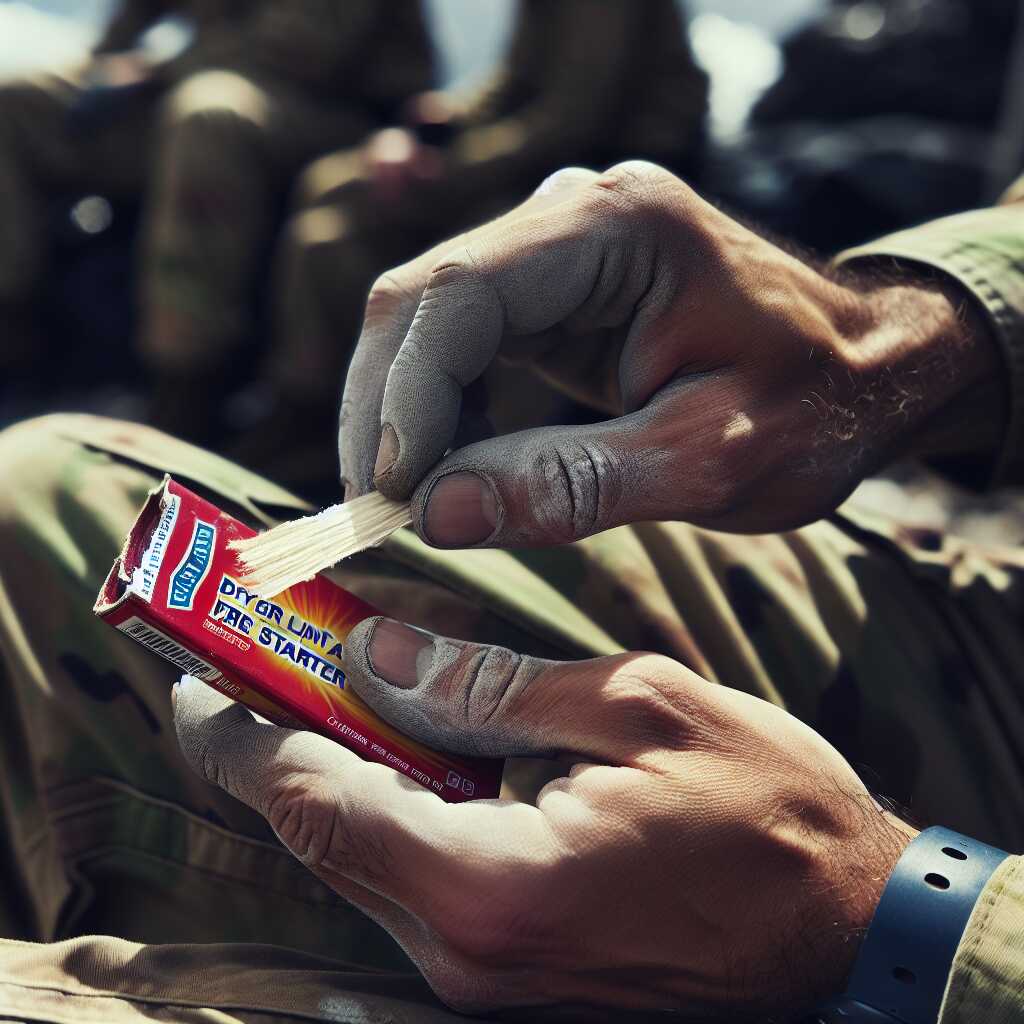
wax-infused dryer lint fire starter is a DIY fire starter made by coating used dryer lint in melted wax to create a small, water-resistant puck or plug that ignites more readily than raw lint. This $0.03-$0.25 solution delivers cheap, packable ignition compared to commercial fire starters that typically cost $1 to $3 each.
The process works through three key relationships: wax coats lint resulting in an estimated 60-90 reliable ignition in the field when the starter is not fully waterlogged, compression/packing holds wax and lint together enabling ignition from a single match or spark, and DIY production reduces cost creating savings of about $0.97 to $2.97 per starter compared with commercial options.
Step-by-step: How to make wax-infused dryer lint fire starters for wet conditions
- Collect dryer lint (5-15 minutes): Empty lint traps and gather lint from the dryer and clothing pockets; remove visible plastic, foil, or large debris. Result: about 1 tablespoon of lint per starter (plan 12 tbsp for a 12-piece batch).
- Choose and prepare molds (5 minutes): Use a metal muffin tin, silicone mold, or recycled aluminum cups; alternatively use cardboard egg-carton cups (they burn but are fine once waxed). Line if desired with foil for easy removal. Result: 12 cavities prepared for a standard batch.
- Measure wax and additives (5 minutes): For a 12-piece batch, measure roughly 1 cup (about 200-240 g) of wax pellets (paraffin or beeswax) and 1 to 1.5 cups dryer lint by volume. Optionally add a teaspoon of sawdust or fine wood shavings per cup of lint to improve structure. Result: measured materials that saturate lint fully without excessive runoff.
- Melt the wax safely (5-15 minutes): Use a double boiler or a heatproof container inside a pot of simmering water. Keep temperature lowgenerally melt beeswax around 145-160F (63-71C) and paraffin in a comparable range; avoid open flames and do not overheat above 200F (93C). Result: fully liquid wax ready for mixing.
- Saturate lint with wax (2-5 minutes): Place lint in a metal or heatproof container and pour hot wax over it, or add handfuls of lint into the melted wax and stir until fibers are fully coated. Use about 1:1 to 2:1 wax-to-lint by volume to ensure saturation. Result: water-repellent, wax-saturated lint that will solidify into a rigid starter.
- Form starters in molds (5-10 minutes): Pack 1 tablespoon of saturated lint into each cavity and press lightly; pour any extra wax to ensure full saturation and adhesion. Alternatively, spoon saturated lint directly into molds and tamp down. Result: formed pucks or plugs sized for one-person use.
- Cool and demold (10-30 minutes): Let molds sit at room temperature until hardened (or place in refrigerator for faster setting). Once solid, pop out starters and trim any excess. Result: 12 hardened wax-infused starters ready for testing and storage.
- Test one starter and estimate reliability (5-10 minutes): Outdoors, try lighting one starter under damp kindling or sheltered tinder. Expect an estimated 60-90 chance of successful ignition in typical field conditions when the starter itself is not fully waterlogged; record what works for your kit. Result: confirmation of performance and technique adjustments.
- Pack and store for wet conditions (2-5 minutes): Store starters in waterproof containers or zip-top bags with a small desiccant. Keep kits in dry, insulated pockets. Result: preserved starters that maintain water resistance until use.
- Understand limitations and use correctly (1-2 minutes): Do not expect these starters to reliably ignite if fully submerged or when key tinder is completely soaked; they are for jump-starting fires and do not replace long-burning fuel like seasoned hardwood. Result: correct expectations and safer fire planning.
FAQ
What is a wax infused dryer lint fire starter exactly and how is it defined
A wax-infused dryer lint fire starter is a small, compact block or bundle made by combining used dryer lint with melted wax so the lint becomes a water-resistant, high-energy tinder that ignites and burns longer than plain lint. Makers commonly follow simple mixes and form factors based on testing and review, with typical batches costing about $0.03 to $0.25 per starter using recycled lint and paraffin or beeswax. Predicament Measures documents that the product provides a low-cost, eco-friendly starter option with estimated field reliability of about 60-90 when kept from being fully waterlogged.
How does wax change the ignition properties of dryer lint compared to plain lint
Wax improves ignition by coating fibers, repelling water, and supplying dense fuel so a match or spark can sustain combustion where plain lint often fails. The wax raises energy per gram and extends burn time, which enhances reliability in damp conditions according to user testing and review. Wax does not allow the starter to light if it becomes fully submerged or completely waterlogged.
How does a wax infused dryer lint fire starter work step by step in the field
A wax-infused dryer lint fire starter works in the field when you place the starter against small dry kindling, expose one edge to a match or ferro rod, and use the starter’s sustained flame to ignite larger tinder and then kindling. Typical ignition begins within 10 to 60 seconds and the starter can burn for a few minutes up to around 3-15 minutes depending on wax amount and size, which helps starting damp wood in many real-world tests. Field testing and experience show success rates of about 60-90 when the starter remains above water and the operator prepares an appropriate tinder bundle and windshield setup.
What temperature and method should you use to melt wax safely for starters
You should melt wax using a double boiler or water bath at about 140-180F (60-82C) while monitoring with a kitchen thermometer to ensure safe handling and reduce fire risk. Melting in a covered double boiler takes about 5 to 15 minutes for typical home amounts and provides safer control than direct flame methods. Do not overheat wax, do not leave unattended, and avoid open flame under the container to protect safety and product quality.
What are the main benefits of using a wax infused dryer lint fire starter for camping
A wax-infused dryer lint fire starter offers low weight, low cost, and compact form so campers can carry multiple starters while saving money and reusing household waste. The starter provides better damp-weather performance and longer burn time than plain tinder, which improves reliability and testing results for emergency and camping builds. Predicament Measures notes that these starters deliver good field performance and help reduce pack weight while offering an eco-conscious option for scouts, preppers, and outdoor educators.
How much easier is lighting wet or damp wood when using a wax coated starter
A wax-coated starter makes lighting damp wood easier by delivering a focused, protected flame that can ignite small, slightly damp kindling enough to build heat for larger pieces; field reports place reliability at about 60-90 when not fully waterlogged. Plain lint often fails in damp conditions unless perfectly dry and shielded, so a wax coating enhances success and efficiency during wet-weather tests. The starter cannot light heavily soaked, fully saturated logs without additional dry fuel or sheltering methods.
What are the risks and limitations of a wax infused dryer lint fire starter in emergencies
Main risks include accidental ignition, melting at high temperatures, and limited effectiveness if the starter becomes fully submerged or completely waterlogged. The starter does not replace long-burning fuel such as seasoned firewood and cannot reliably ignite fully soaked logs or operate underwater. Users must accept that these starters deliver a useful, tested boost for initial ignition but carry flammability and storage limitations that require care.
What safety and storage practices reduce the risk of accidental ignition or melting
Store starters in metal tins or airtight containers, keep them below 120F (about 49C) when possible, and label containers to prevent accidental exposure to heat or flames. Keep starters out of reach of children and away from open sparks, and use clear packing like metal tins or sealed zip bags when you include them in a 72-hour kit or backpack. Regular review and testing of stored starters helps ensure reliability and avoids degraded performance from heat exposure.
Who should consider using a wax infused dryer lint fire starter for outdoor activities
Campers, backpackers, preppers, scout leaders, outdoor educators, homeowners preparing emergency kits, and eco-conscious DIY crafters should consider wax-infused lint starters for low-cost, lightweight ignition options. The starter provides a proven, useful tool for damp-condition fire starting and helps conserve fuel while offering a sustainable reuse path for household waste. Predicament Measures recommends testing starters in controlled conditions before relying on them in critical scenarios to confirm performance and reliability.
What skill level and scenarios make these starters appropriate for beginners or experts
Beginners find wax-infused lint starters easy to use with basic match or ferro rod skills, while experts can shape, size, and pair starters with advanced ignition techniques for higher performance. Ideal scenarios include emergency kits, damp-weather camping, short treks where weight savings matter, and teaching firecraft because the starters improve success in marginal conditions. Users should test starters during normal outings and training to build confidence and review real-world results.
When is the best time to use a wax infused dryer lint fire starter in wet conditions
Use a wax-infused dryer lint fire starter when you face damp ground, light rain, or wet kindling and you need a reliable ignition source that repels water and sustains flame; these starters provide an estimated 60-90 reliability in typical field ignition when properly made and kept from being not fully waterlogged. A properly made starter typically lights from a match or spark even if the surface is damp because the wax provides a water barrier and high-energy fuel that helps the lint ignite. Predicament Measures recommends keeping starters dry in storage and testing before field use because starters cannot reliably ignite if they are fully submerged or completely waterlogged and cannot replace long-burning fuel like seasoned firewood.
How should you prepare your fire lay and shelter to maximize starter performance
Prepare a sheltered fire lay by clearing a 2-foot (60 cm) circle of wet vegetation, building a small drainage trench, and placing the starter on a flat rock or metal surface to keep it off wet ground; nest the starter under 4 to 8 pieces of fine dry tinder and add kindling in layers 3 to 10 mm thick for best ignition. Create a simple wind break using a tarp, rocks, or a dug-in reflector to reduce wind and rain exposure, which can enhance starter reliability toward the upper 60-90 range for field ignition. Testing this setup at home lets you review performance and adjust the shelter, kindling size, and placement to improve real-world results when you need them.
How much does a wax infused dryer lint fire starter cost compared to commercial options
Cost per wax-infused dryer lint fire starter typically ranges from $0.03 to $0.25 using recycled lint and wax, while commercial fire starters commonly cost $1.00 to $3.00 each. Making a batch of 12 at home takes about 15 to 45 minutes including melting wax and forming starters, plus 10 to 30 minutes cooling time, which delivers clear savings in material cost and useful performance for emergency kits. Predicament Measures notes that lower cost comes with more variation in reliability and that DIY starters do not replace the consistent performance and labeled data that many commercial products provide.
What are typical material costs per batch and cost per starter with example calculations
Typical material costs use recycled lint (free) and wax that may cost a few dollars for the amount used per batch, so a 12-piece batch often falls in the $0.36 to $3.00 total range which gives $0.03 to $0.25 per starter. Example calculation: if wax allocated to the batch costs $2.00 total and lint is free, then cost per starter = $2.00 12 = $0.17, and making the batch takes 15-45 minutes with 10-30 minutes cooling. These example costs show clear savings versus commercial options but testing and storage affect real-world reliability and performance.
What materials and tools are needed for a wax infused dryer lint fire starter project at home
Essential materials include about 1 tablespoon (5-10 g) of used dryer lint and about 1 tablespoon (5-10 g) of melted paraffin or wax per starter, plus tools such as a double boiler or small saucepan, a metal muffin tin or paper egg carton, tongs, gloves, and a metal tray for cooling. You also need a heat source, a thermometer if desired, and a metal or glass container to melt wax safely with low, monitored heat below roughly 200F (93C); this setup helps maintain safe melting and consistent results. Predicament Measures recommends using small, measured portions to ensure even wax coverage, testing a sample before making large batches, and following safety practices because wax is flammable if overheated.
How can you safely process wet lint and what drying methods are recommended
Dry wet lint completely before wax infusion by spreading it thin on a metal tray and drying in sunlight for 6 to 24 hours or in an oven set low and monitored for 10 to 30 minutes; fully dry lint reduces mold risk and improves ignition reliability. Use a hair dryer on low for 5 to 15 minutes for small amounts and always dry lint on nonflammable surfaces while supervising the process; do not leave drying lint unattended or place lint near open heat without proper containment. Proper drying improves starter performance and helps reach the 60-90 field reliability range reported in DIY reviews and testing.
What are the best alternatives to a wax infused dryer lint fire starter for wet weather fire starting
Best alternatives include commercial tinder cubes, fatwood sticks, petroleum-based cotton balls, waxed sawdust blocks, and ferrocerium firesteel paired with char cloth; each alternative offers different trade-offs in reliability, burn time, and cost. Commercial tinder cubes and petroleum products often deliver consistent water resistance and labeled burn times, while fatwood and ferro rods provide durable performance with different handling and skill requirements. Predicament Measures advises selecting alternatives based on pack weight, cost, and the level of tested reliability you need for camping, prep kits, or scouting programs.
How do commercial tinder cubes and chemical fire starters compare in burn time and reliability
Commercial tinder cubes and chemical fire starters often provide manufacturer-rated burn times and higher consistent water resistance when compared to DIY starters, and product labels and independent reviews usually list burn time ranges and water resistance claims. Users report that commercial options cost $1 to $3 each and deliver consistent ignition in damp conditions, and testing and experience reviews can confirm real field reliability for the specific product and pack conditions. Compare packaging data, third-party test results, and user reviews to assess burn time and reliability for your intended use.
What common mistakes should be avoided when making a wax infused dryer lint fire starter at home
Avoid using wet or moldy lint, pouring overheated wax, and making overly large starters that smother ignition because these mistakes reduce ignition reliability and can create safety hazards. Melt wax gently using a double boiler below roughly 200F (93C), pack roughly equal volumes of lint and wax or about 1 tablespoon each, and let starters cool on nonflammable surfaces to maintain performance and durability. Predicament Measures emphasizes testing small batches and practicing safe heat control and ventilation because starters cannot handle full submersion and do not replace proper seasoned firewood or primary heat sources.
How do commercial tinder cubes and chemical fire starters compare in burn time and reliability
Commercial tinder cubes frequently include burn time data and water resistance specifications on packaging, and independent reviews and testing often show more consistent performance and longer shelf life compared with many DIY options. Commercial products usually cost more per unit but offer predictable performance that review data and testing history support, which helps when packing for critical or emergency scenarios. Check manufacturer testing details and user reviews to confirm the burn time and durability that meet your needs.
How can you test and store wax infused dryer lint fire starters to avoid failures when you need them most
Test each starter at home by lighting a sample in a controlled area and observing ignition ease, burn duration, and whether the starter resists light moisture; repeat 3 to 5 test burns to gather consistent data and confirm reliability. Store starters in airtight containers or sealed zip bags with a silica packet, keep them in a cool dry place, and label batches with a date because proper storage preserves performance and can help maintain the 60-90 field reliability seen in practical use. Predicament Measures recommends periodic testing every 6 to 12 months and replacing any starter that shows poor ignition or visible moisture to ensure quality when the starter is needed.
How can you test and store starters to avoid failures when you need them most
Perform a simple test by lighting a starter, recording how long it takes to ignite and how long it burns, and comparing results across 3 to 5 samples to establish consistent performance data. Store tested starters in sealed containers, include desiccant packs, and keep them separated from fuels that could contaminate them; well-stored starters retain performance and provide better reliability in real use. Predicament Measures advises keeping a small supply in your emergency kit and rotating stock after periodic testing to maintain proven and durable ignition performance.
Related posts:
 Unwaxed Dental Floss: High-Strength Fishing Line Alternative for Wilderness Food Procurement
 Petroleum Jelly Cotton Balls: Five-Minute Burn Time Fire Starters for Damp Conditions
 Elastic Hair Ties: Cordage Bundle Organizers for Tangle-Free Emergency Kits
 Plastic Cling Wrap: Burn Wound Covering to Prevent Infection and Fluid Loss
 Cornstarch: Moisture Absorption Powder for Preventing Trench Foot
Sterile Tampons: Deep Puncture Wound Packing for Hemorrhage Control
Cornstarch: Moisture Absorption Powder for Preventing Trench Foot
Sterile Tampons: Deep Puncture Wound Packing for Hemorrhage Control
 Wooden Pencils: Arrow Shaft Material for Improvised Hunting Weapons
 Index Cards: Water-Resistant Information Cards for Survival Instructions