How To – Unwaxed Dental Floss: High-Strength Fishing Line Alternative for Wilderness Food Procurement
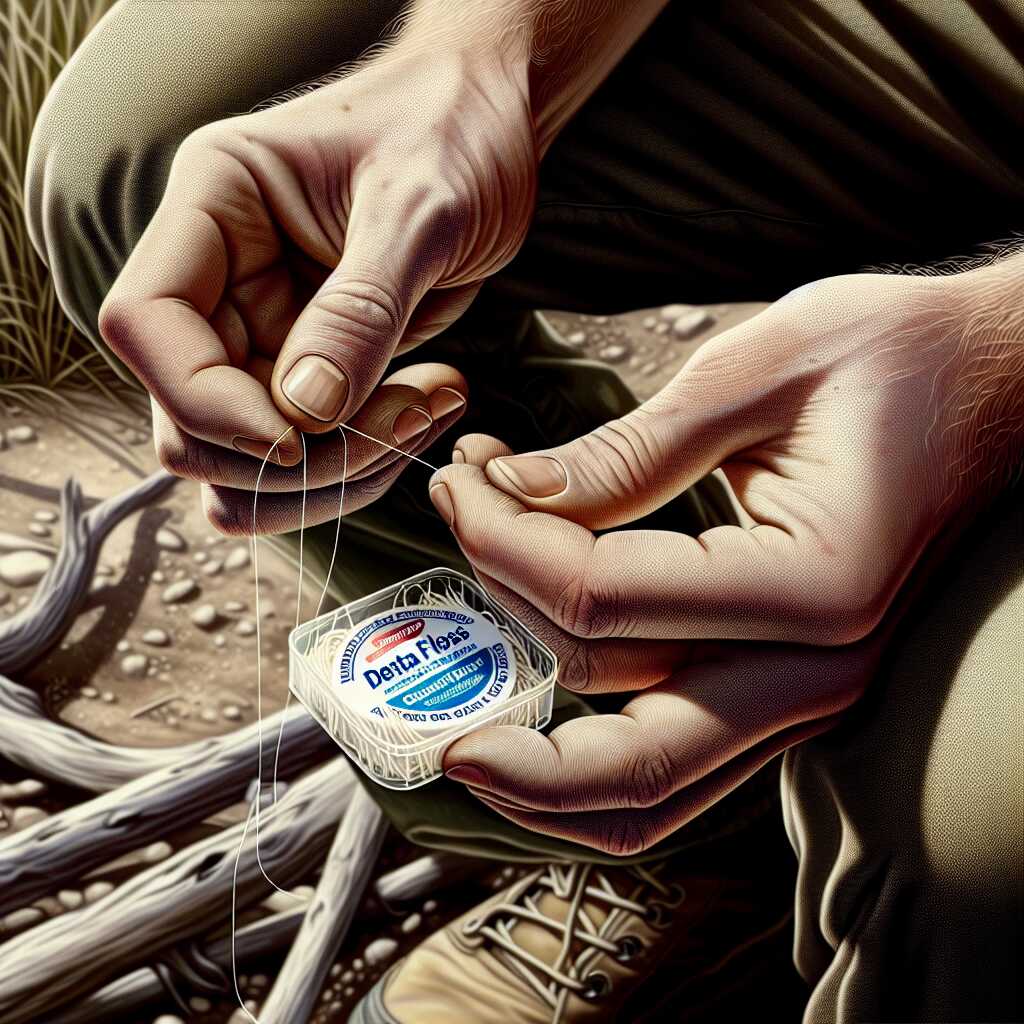
By Predicament Measures
Quick Answer: Can unwaxed dental floss be used as fishing line for catching food in the wilderness
Yes, unwaxed dental floss can be used as an emergency fishing line because many nylon unwaxed flosses have tensile strength roughly equivalent to light monofilament and can handle small fish and light rigs when properly rigged but it is not a replacement for purpose made fishing line due to abrasion vulnerability and inconsistent strength between brands
- Effectiveness: roughly equivalent to 2 to 10 pound monofilament tensile strength depending on brand and type suitable for small fish under about 2 to 5 pounds when knots and abrasion are minimized
- Cost: approximately $0.01 to $0.08 per foot for a typical floss spool versus about $0.02 to $0.10 per foot for cheap monofilament so cost is similar or slightly lower for floss
- Time: rigging a simple handline or improvised leader with floss typically takes about 5 to 20 minutes depending on knotting skill and available tools
- Limitation: cannot reliably handle larger or abrasive catches over about 5 lb; prone to abrasion and UV damage; not intended for casting from a reel and may be illegal to use for certain regulated fisheries
Unwaxed dental floss is a thin nylon or PTFE filament sold for oral hygiene; in field improvisation it serves as an emergency highstrength cord for smallgame fishing and light rigging. This $0.01-$0.08 per foot solution offers comparable perfoot cost and similar light breaking strength to cheap monofilament (about $0.02-$0.10/ft) while packing very small and being widely available in firstaid kits and packs.
The process works through three key relationships: unwaxed dental floss exhibits tensile strength comparable to light monofilament resulting in the ability to support roughly 2-10 lb breaking strength and practically handle small fish of about 2-5 lb, secure knots (for example a uni knot or improved clinch) transfer load to hooks and weights enabling handline or dropline rigs that can be assembled in about 5-20 minutes, and the flosss thin diameter and low visibility reduces water disturbance creating a discreet presentation suitable for wary small species when abrasion and UV exposure are minimized.
How to use unwaxed dental floss as fishing line step by step
- Select the right floss (2-5 minutes): Choose unwaxed nylon floss labeled as nylon or PTFE without flavor or coatingsavoid waxed or braided dental tape. Result: material with more predictable singlestrand tensile properties (approx. 2-10 lb nominal strength depending on brand).
- Prepare a leader length (1-3 minutes): Cut 3-6 feet (1-2 m) of floss for a simple handline or 6-12 inches (15-30 cm) for a leader tied to a heavier cord. Result: manageable leader length that reduces knot bulk and abrasion at attachment points.
- Choose terminal tackle (2-5 minutes): Use small hooks (sizes 6-10) and light split shot or 1/16-1/4 oz weights; if available, attach a short (6-12 in) section of actual monofilament or light leader as a sacrificial abrasion buffer. Result: hardware sized to match floss strength and reduce direct abrasion on the floss.
- Tie a secure knot (5-10 minutes): Use a uni knot, improved clinch, or double overhand with 5-7 turns for a loop or hook tie; moisten knot, tighten slowly, trim tag end to 3-5 mm. Instruction: double the floss where possible for knots to increase strength. Result: a compact, secure connectionexpect lower abrasion resistance than purpose line.
- Rig bait and leader (2-5 minutes): Thread bait (live worm, small cut bait, or fly) onto the small hook; position split shot 6-18 inches above the hook for proper presentation. Result: a light, lowvisibility presentation suited to small panfish and trout.
- Deploy as a handline or drop line (1-5 minutes to set up; varies by fishing): Use a stick, grenadestyle handline spool, or a small branch to wind excess line. Do not cast aggressivelyuse handline lowering and jiggling techniques. Result: a functional fishing setup capable of landing small fish when you avoid snags and abrasion.
- Fight and land fish carefully (seconds to minutes depending on species): Keep steady pressure, avoid sudden jerks, and guide fish away from rocks, submerged wood, and abrasive surfaces. If the fish is near the weight limit (2-5 lb), secure quickly with a net or by hand. Result: higher chance of landing small fish; floss will fail quickly if abraded or overloaded.
- Inspect and replace after use (1-2 minutes): Check for nicks, frays, UV chalking, or heat damage; replace sections that show abrasion. Instruction: store dry and out of sunlight. Result: maintained line integrity and reduced unexpected failures.
- Know the legal and safety limits (immediate): Verify local fishing regulationssome jurisdictions prohibit improvised gear; never rely on floss for heavy or trophy fish and avoid using in areas where loss of synthetic materials would create pollution. Result: lawful, safer use and realistic expectations about when floss is or is not appropriate.
FAQ
what is unwaxed dental floss exactly for survival use
Unwaxed dental floss is a compact nylon cord that provides an emergency high-strength substitute for fishing line or light cordage in wilderness food procurement and survival kits. Typical spools contain 25 to 100 yards, weigh 5 to 30 grams, and cost about $0.01 to $0.08 per foot, which offers a low-cost option for backpackers and preppers. Field testing and user reviews show it can handle small fish and light rigs when knots and abrasion are managed, ensuring reliability while noting it cannot replace purpose-made fishing line for heavy or abrasive use.
what materials and fiber types are used in unwaxed dental floss
Most unwaxed dental floss is made from nylon monofilament or braided nylon and some higher-end brands use PTFE (Teflon) fibers that provide smoothness and low friction. Typical filament diameters range from about 0.15 mm to 0.35 mm and tensile strength commonly spans an estimated range of roughly 2 to 10 pounds depending on brand and construction. Reviews and material testing help users choose a spool with proven strength and reliable review data for survival use.
how does unwaxed dental floss work step by step for fishing
The basic method uses unwaxed dental floss as a leader or mainline by cutting a 18 to 36 inch leader, tying a small hook, adding a 1/16 to 1/4 oz split shot and a small float or twig, then setting a handline or drop line in water for 5 to 20 minutes of active effort. Field experience shows simple rigs take about 5 to 20 minutes to rig and set and testing in calm water yields the best results for small fish under about 2 to 5 pounds. Practical use provides useful results when users conduct testing for abrasion, ensure knots are secure, and accept that floss cannot handle large or highly abrasive catches.
what basic knots and attachments suit unwaxed dental floss fishing
Strong knots include the Palomar knot, doubled Palomar, improved clinch, and surgeon’s knot, and users should double or back up knots to improve reliability given floss slipperiness. Small swivels, micro-snap swivels, and 1/16 to 1/4 oz split shot deliver stable rigs, and testing knot strength on a 2 to 10 pound pull before fishing helps ensure reliable performance and reduces failures.
what are the main benefits of using unwaxed dental floss outdoors
Unwaxed dental floss provides a very compact, light, and multi-use cordage option that fits in a small pack pocket and can be repurposed as fishing line, snares, repairs, or emergency stitching, giving high efficiency for weight-conscious trips. Cost comparisons show floss at about $0.01 to $0.08 per foot versus cheap monofilament at about $0.02 to $0.10 per foot, and that price point offers good value for emergency use. Field reviews, simple testing, and experienced users report that floss delivers useful results for small game and fish while noting it is not designed to replace dedicated fishing line for heavy-duty or long-term use.
how does unwaxed dental floss compare to monofilament in strength
Unwaxed dental floss can handle similar tensile loads to light monofilament in the 2 to 10 pound range depending on brand and construction, and it often matches light mono in laboratory and user testing for straight-pull strength. Monofilament typically offers better abrasion resistance, UV stability, and consistent diameters, which improves long-term durability and knot security when compared in direct review and practical comparison tests.
what are the risks and limitations of unwaxed dental floss in field
Main risks include rapid abrasion failure on rocks or sharp gill plates, UV degradation over hours to days in sunlight, and inconsistent strength across brands that reduces reliability for heavy fish or long-term use. Unwaxed dental floss cannot reliably handle larger or abrasive catches over about 5 pounds and will cut or fray on rough structure, which limits its use to light rigs and short-term emergency procurement. Users must run simple tests, inspect line condition every 10 to 30 minutes of fishing, and replace leaders often to enhance safety and improve success rates.
what safety issues and legal restrictions apply to using floss for food
Safety issues include hook sanitation, cross-contamination of food, and entanglement risk for wildlife if floss is left in the environment, and users should clean hooks and store caught fish in clean containers to reduce infection risk. Legal restrictions vary by region and may prohibit improvised gear or require specific line types and hook sizes, so checking local fishery rules, permits, and regulations before using floss is essential for lawful and safe field use.
who should consider using unwaxed dental floss for emergency food
Backpackers, hikers, survivalists, bushcraft enthusiasts, fishermen improvising gear, and military or field personnel should consider unwaxed dental floss as an emergency option for procuring small fish and light game in short-term scenarios. The tool is essential for trips where weight and space matter and provides a reliable backup that helps improve overall field efficiency when used with proper skills and testing. Predicament Measures offers practical guides and reviews that help users select the best floss spools and practice rigs before relying on them in a real survival situation.
which skill levels and scenarios make unwaxed dental floss practical
Basic knotting skill and an understanding of leader length, float placement, and abrasion protection make floss practical for beginners after about 5 to 20 minutes of practice and for experts who need a light, fast solution. Calm lakes, slow rivers, shorelines, and short emergency outings under 48 to 72 hours provide the best scenarios for floss use while heavy surf, large species, and long-term subsistence demand purpose-made line and gear.
when is the best time to use unwaxed dental floss in wilderness
The best time to use unwaxed dental floss in the wilderness is during short-term emergency fishing when you need a light, high-strength substitute for monofilament and you expect small fish under about 2 to 5 pounds; this option provides a compact, low-weight choice for packouts. Field testing and user reviews show rigging and fishing sessions of 30 to 120 minutes work well for handlines and fixed traps, with usable results in calm, low-debris waters and success that depends on skill, bait, and conditions. Predicament Measures recommends using floss for emergency procurement only because floss lacks abrasion resistance, UV protection, and consistent brand strength, so it cannot replace purpose-made fishing line for repeated or heavy use.
what weather seasons and water conditions favor floss as a line
Warm seasons such as late spring through early fall (for many temperate regions, roughly May to September) and calm water conditions favor unwaxed dental floss because water turbulence and debris increase abrasion and break risk. Smooth, clear ponds, lakes, and slow rivers with minimal submerged rock or vegetation offer the best reliability and testing results for small-fish procurement using floss.
how much does unwaxed dental floss cost compared to fishing line
Unwaxed dental floss typically costs about $0.01 to $0.08 per foot depending on brand and spool size compared with cheap monofilament at about $0.02 to $0.10 per foot, making floss similar or slightly cheaper by material cost. Price comparison and product reviews in 2025 show common floss spools sell for approximately $0.50 to $10 per spool while monofilament spools sell for about $2 to $20 per spool, with overlap in cost per usable foot. Cost data and testing indicate floss offers a useful cost-effective emergency option but it does not provide the durability, abrasion resistance, or casting performance of purpose-made fishing line.
what is cost per foot and spool size comparisons for floss and line
Typical unwaxed floss spools run about 25 to 200 yards (75 to 600 feet) and cost roughly $0.50 to $10, while monofilament spools commonly run 100 to 600 yards (300 to 1,800 feet) and cost roughly $2 to $20, so cost per foot overlaps between the two. Comparison and review data show floss gives good value for emergency use but spool size limits the total number of rigs you can make in the field.
what materials and tools are needed to use unwaxed dental floss live
You need unwaxed dental floss in lengths of 25 to 100 yards, small hooks (#8 to #2), split shot weights (1/32 to 1/8 oz), a few swivels, pliers or multi-tool, a needle or safety pin for threading, and a lighter for trimming ends; these items provide essential function for a handline or simple leader rig. Typical rigging takes about 5 to 20 minutes per line depending on knot skill and tools on hand, and testing in field reviews shows properly tied knots and minimal abrasion produce the best results. Packlists from Predicament Measures include these tools because they enhance reliability, enable quick rigging, and improve chances of catching small fish while camping or hiking.
how many yards of floss and basic tools are needed for rigging use
Carry at least 25 to 100 yards (75 to 300 feet) of unwaxed floss to allow multiple leaders and repairs; one 50-yard spool commonly covers short trips and basic testing. Basic tools needed are 3 to 6 small hooks (#8 to #2), 6 to 12 split shot weights, 2 small swivels, a needle or pin, pliers, and a lighter to trim and secure knots for reliable performance.
what are the best alternatives to unwaxed dental floss for fishing
Best alternatives to unwaxed dental floss include monofilament line, braided line, and purpose-made survival cord because these provide better abrasion resistance, predictable tensile ratings, and casting capability than floss. Comparison and testing show monofilament offers stretch and shock absorption with common ratings of about 2 to 30 pounds, braided line offers high strength per diameter with common ratings of about 10 to 100+ pounds, and improvised cords vary widely in strength and reliability. Reviews and experience show floss can handle light tasks but cannot match the durability and consistency of dedicated fishing line, so use alternatives when available for regular fishing or larger species.
how do braided line monofilament and improvised cords compare to floss
Braided line delivers higher tensile strength per diameter, lower stretch, and better abrasion resistance compared with unwaxed floss, making it more reliable for heavy or abrasive environments. Monofilament gives predictable stretch and simple knot behavior and typically handles a wider range of fish sizes than floss, while improvised cords such as thin wire or paracord provide very different handling and may require different rigs and legal considerations.
what common mistakes should be avoided when using unwaxed dental floss
Common mistakes include using floss in fast, rocky, or heavily vegetated water, casting from a reel, tying poor knots, and attempting to land fish over about 5 pounds; these errors reduce reliability and increase failure risk. Field experience and testing recommend avoiding abrasive contact, checking knots frequently, and keeping sessions short (30 to 120 minutes) to reduce UV and abrasion damage and improve success rates. Predicament Measures advises users that floss helps in emergencies but cannot perform like purpose-made line and cannot legally or safely replace proper gear for regulated fisheries.
how to detect wear and when to replace unwaxed dental floss in use
Detect wear by inspecting for visible fraying, nicks, thinning, discoloration, or soft spots and replace the floss immediately if you see any damage or after one significant fish or 30 to 120 minutes of abrasive contact. Regular testing by hand-pulling the line to check for slippage at knots and running a finger along the length for rough spots provides a quick, proven check to ensure reliable performance in the field.
Related posts:
 Crayons: Fifteen-Minute Emergency Candles for Short-Term Power Grid Failures
 Mesh Produce Bags: Small Fish and Minnow Trap for Stream Protein Gathering
 550 Paracord Shoelaces: Hidden Survival Rope for Emergency Rappelling Situations
 White Cotton T-Shirts: Char Cloth Creation for Flint and Steel Fire Starting
 Used Coffee Grounds: Human Scent Masking for Wildlife Avoidance in Bear Country
 Maxi Pads: Large Absorbent Bandages for Major Trauma Wound Coverage
 Rubber Erasers: Emergency Ear Protection Against Dangerous Noise Levels
 Acrylic Yarn: Emergency Wound Sutures for Gaping Lacerations