How To – Cotton-Tipped Swabs: Precision Wound Cleaning for Puncture Injuries
By Predicament Measures
Quick Answer: Can cotton-tipped swabs be used for precision wound cleaning of puncture injuries
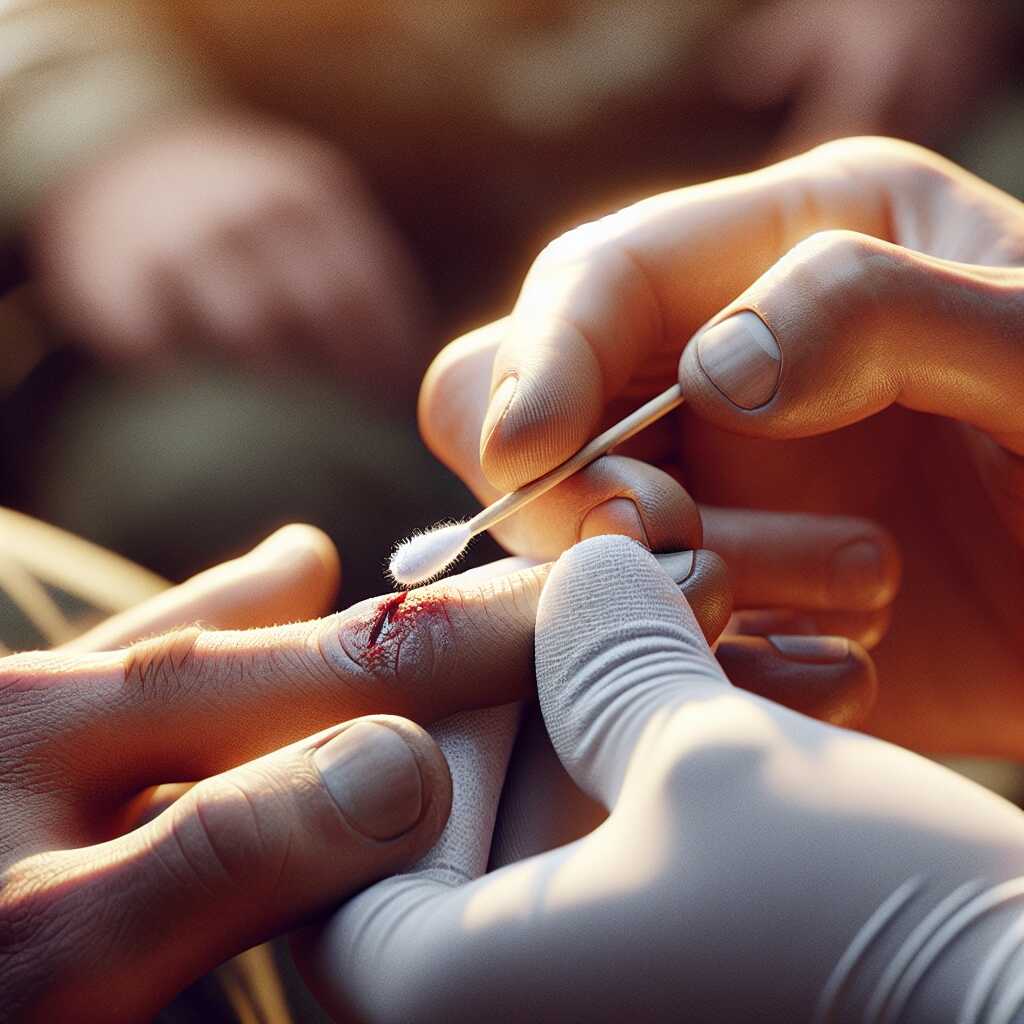
Yes, cotton-tipped swabs can be used for targeted removal of visible debris in small superficial puncture wounds because their small absorbent tips allow precise control, but they are not a substitute for high-volume irrigation or professional medical care
- Effectiveness: No reliable population percentage available; clinically useful for removing visible debris in small superficial punctures but not proven to lower infection rates
- Cost: $0.01 to $0.10 per nonsterile cotton swab versus $0.50 to $5 per sterile single swab or $5 to $15 for a single irrigation kit or syringe
- Time: 3 to 10 minutes to clean and dress one small puncture including prep and dressing; full irrigation typically takes 5 to 15 minutes
- Limitation: Cannot provide highvolume irrigation, cannot debride deep or devitalized tissue, cannot sterilize a contaminated tract, and cannot replace tetanus prophylaxis or professional assessment
Cotton-tipped swabs are small, absorbent-tipped applicators used for targeted cleaning and application of solutions to limited surface areas of skin and shallow wounds. This $0.01-$0.10 solution provides low-cost, precise control for removing visible debris in small superficial puncture wounds compared to higher-volume irrigation kits that typically cost $5 to $15 per single-use kit.
The process works through three key relationships: cotton-tipped swabs absorb and lift visible debris resulting in localized mechanical removal of contaminants, moistened swabs deliver antiseptic or saline enabling precise antiseptic exposure to the puncture margin, and using swabs instead of a full irrigation kit creates cost savings of roughly $5 to $15 per treated wound compared with single-use irrigation kits.
How to clean a small puncture wound step by step
- Prepare supplies (1-2 minutes): Gather sterile or nonsterile cotton-tipped swabs (use sterile if available for broken skin), sterile saline or clean potable water, soap, disposable gloves, sterile dressings, and an antiseptic for surrounding skin (e.g., povidone-iodine or chlorhexidine per local guidance). Result: all materials at hand to avoid delays and cross-contamination.
- Hand hygiene and barrier (30-60 seconds): Wash hands for 20 seconds with soap and water or use alcohol hand rub; put on gloves. Result: reduced risk of introducing new contaminants.
- Assess the puncture (30-60 seconds): Inspect size, depth, contamination (soil, rust, animal/ human bite), active bleeding, and signs of deeper injury (visible bone, tendon, numbness, loss of function). If the wound is deep, heavily contaminated, bleeding >10 minutes despite pressure, contains embedded material, is from an animal or human bite, or there are neurovascular deficits, seek professional care immediately. Result: decision on whether swab-based cleaning is appropriate.
- Moisten the swab (5-10 seconds per swab): Moisten a swab with sterile saline or a few drops of clean water or antiseptic solution (one to two drops per tip). Do not soak the wound. Result: a moist swab that picks up debris without forcing fluid deep into the tract.
- Gently remove visible debris (1-3 minutes): Using gentle one-directional strokes, wipe from the entry outward and avoid probing or poking down the tract. Use a fresh swab when soiled; typically 1-5 swabs are enough for a small superficial puncture. Do not attempt to dig out material embedded deep in tissue. Result: visible dirt and loose foreign material removed while minimizing further tissue injury.
- Clean surrounding skin and avoid forcing irrigant (30-60 seconds): Apply antiseptic to the skin margins (not pushed into the puncture) and blot excess with a swab. If a full-volume irrigation is needed (large contamination, deep tract, suspected foreign body), do not rely on swabsuse a syringe or refer for professional irrigation. Result: surrounding skin disinfected without introducing solution into a contaminated tract.
- Dress the wound and give aftercare instructions (1-2 minutes): Apply a sterile adhesive dressing or small sterile gauze and tape. Advise the patient to keep the area clean and dry, recheck in 24-48 hours, and seek care earlier for increasing pain, redness, swelling, drainage, fever, or loss of function. Review tetanus status: if the wound is tetanus-prone and the patients last booster was >5 years ago, arrange medical evaluation for possible booster per CDC guidance. Result: wound protected and plan in place for monitoring and prophylaxis.
- When to escalate to highvolume irrigation or professional care (immediate decision): Escalate if there is an embedded foreign body, deep puncture >6-12 hours old with signs of contamination, heavy contamination with soil or manure, bite wounds, suspected fracture or tendon injury, persistent bleeding, or progressive infection signs. For these situations, professional wound irrigation (typically tens to hundreds of milliliters of saline), debridement, imaging, or antibiotic/tetanus management may be required. Result: appropriate referral or highervolume treatment initiated when indicated.
- Documentation and follow-up (1-2 minutes): Record wound location, mechanism, time since injury, materials used (sterile swab vs nonsterile, saline, antiseptic), patient tetanus status, and instructions given. Reassess wound at 24-48 hours and again if symptoms worsen. Result: continuity of care and clearer criteria for further intervention.
FAQ
what are cotton tipped swabs used for and how are they defined medically
Cotton-tipped swabs are small stick applicators with an absorbent cotton or synthetic tip that medical staff and first aiders use for targeted cleaning, sampling, and topical medication of small superficial puncture wounds. They measure about 50-150 mm in length with tip diameters near 2-6 mm and come as nonsterile packs or individually sterile wrapped swabs designed for single use. They provide precision control for visible debris removal but cannot replace high-volume irrigation, deep debridement, or professional wound assessment and testing.
what sizes materials and sterility options do cotton tipped swabs come in
Swabs come in sizes from about 50 mm to 150 mm length with tips made of cotton, polyester, or rayon and shafts of wood, paper, or plastic for durability. Sterility options include nonsterile bulk swabs costing about $0.01 to $0.10 each, and sterile individually wrapped swabs costing about $0.50 to $5 each, with sterile designs intended for wound use and quality control. Users should review packaging for lot testing, expiration, and whether the swab is labeled for medical use to ensure reliability and safety.
how to use cotton tipped swabs step by step for puncture wounds
Start by answering the wound situation and preparing a clean field, then use cotton-tipped swabs to remove visible loose debris from small superficial puncture wounds with controlled wiping and blotting motions. Clean for about 3 to 10 minutes per small puncture including prep, using 1 swab per wipe or until visible dirt is removed, and discard used swabs immediately in a leakproof container. Stop when the tract is clean to visible inspection or when deeper probing is needed, and seek professional care for deep, heavily contaminated, or joint-penetrating punctures because swabs cannot sterilize a contaminated tract.
what solutions volumes and timing should you use with swabs
Use clean water, normal saline, or a topical antiseptic diluted per product instructions and use one to a few drops or 1-5 mL on a cotton-tipped swab for each gentle pass to avoid forcing debris deeper. Expect a total of 3-10 minutes of swab-based cleaning, and plan for 5-15 minutes if you perform full irrigation with a syringe or irrigation kit that delivers 50-500 mL for higher-volume cleaning. Swabs provide targeted cleaning and help apply antiseptic, but they cannot replace large-volume irrigation or remove deep foreign bodies.
what are the main benefits of using cotton tipped swabs for punctures
Cotton-tipped swabs provide precise control that helps remove visible loose debris in small puncture wounds and enhances accuracy when working near sensitive structures like nails, eyes, or thin skin. They offer low cost and portability with nonsterile swabs at about $0.01-$0.10 each and sterile single-use swabs at $0.50-$5, which makes them useful for hiking first aid kits, parental wound care, and frontline EMT packs. They deliver focused cleaning in about 3-10 minutes per wound, improve efficiency for small tasks, and serve as an essential tool when used within their limits.
how much debris can swabs remove and how fast do they work
Swabs remove visible loose debris such as dirt, sand, hair, and small splinters that are accessible at the wound opening, with variable success depending on visibility and access; no reliable population percentage exists for removal success. Typical cleaning times range from 3 to 10 minutes for a small puncture with visible debris, and results depend on user experience, lighting, and tools available like tweezers and magnification. Swabs work fast for surface-level cleanup and offer reliable precision for small tasks but they cannot extract embedded objects deep in a tract.
what are the risks and limitations of cleaning puncture wounds with swabs
Cleaning puncture wounds with cotton-tipped swabs risks pushing debris deeper, missing embedded foreign bodies, and failing to remove bacteria from the tract because swabs provide low-volume contact and cannot irrigate or debride devitalized tissue. They cannot sterilize a contaminated wound tract, cannot replace tetanus prophylaxis, and cannot definitively prevent infection; no reliable data shows swab cleaning alone reduces infection rates. Users must recognize clear limits, avoid aggressive probing with the swab, and stop if bleeding, pain, or signs of worsening infection occur.
when should you stop cleaning and seek professional medical care
Stop cleaning and seek medical care for persistent bleeding longer than 10 minutes, visible deep penetration to bone or joint, embedded foreign bodies you cannot remove, signs of infection like spreading redness, fever, increasing pain, or if the patient is immunocompromised or diabetic. Seek urgent care if the wound comes from an animal or human bite, a dirty or rusty object, or if tetanus status is unknown and vaccination is due. Clinicians and first responders should use sterile irrigation or surgical debridement for high-risk wounds because swabs cannot perform deep cleaning or sterilization.
who should consider using cotton tipped swabs for wound cleaning outdoors
Outdoor first aiders, hikers, parents, caregivers, EMTs, and nurses may consider cotton-tipped swabs for precision cleaning of small superficial puncture wounds when visibility, portability, and low cost matter. Swabs provide a reliable, easy, and fast option in remote settings, they help with targeted debris removal in about 3-10 minutes, and they offer an efficient comparison to bulky irrigation kits that cost $5-$15. Predicament Measures recommends carrying sterile swabs and a syringe or irrigation kit as backup for higher-volume cleaning to ensure safer outcomes.
are there people who should avoid swabs or need sterile equipment
People with diabetes, peripheral vascular disease, immunosuppression, or complex wounds should avoid depending on swabs and should use sterile equipment and seek professional assessment because swabs cannot manage deep infection risk or impaired healing. Children with punctures near joints, punctures from animal bites, or wounds with heavy contamination need sterile irrigation, tetanus review, and clinician review to ensure proper care and testing. Medical responders and wound care clinicians should choose sterile swabs, syringes, and irrigation kits for high-risk patients to improve reliability and safety.
when is the best time to use cotton tipped swabs after a puncture injury
The best time to use cotton-tipped swabs is during initial, small, superficial puncture wound care within the first 0 to 24 hours after injury when the tract is short and visible and the swab can remove surface debris without forcing material deeper. Cotton-tipped swabs provide precision and control for targeted removal of visible dirt and small foreign particles and are useful for ensuring clean skin margins and entry points before dressing. Cotton-tipped swabs cannot substitute for high-volume irrigation, cannot debride deep or devitalized tissue, and cannot replace professional assessment when wounds are deep, large, heavily contaminated, or show signs of infection.
how long after injury can cleaning help and what is the infection window
Cleaning a puncture wound with cotton-tipped swabs can help most when done as soon as possible and is usually useful up to 24 to 48 hours after injury for superficial wounds. Infection signs commonly appear within 24 to 72 hours for many bacterial wounds, and no reliable population percentage is available that shows swab cleaning lowers infection rates. Cotton-tipped swabs cannot sterilize a contaminated tract, cannot reliably remove deeply embedded material, and should not delay higher-volume irrigation or professional care if infection risk is high.
how much do cotton tipped swabs cost compared to sterile irrigation kits
Nonsterile cotton-tipped swabs cost about $0.01 to $0.10 per swab while sterile single swabs cost about $0.50 to $5 per swab and a single irrigation kit or syringe costs about $5 to $15. This cost comparison shows cotton-tipped swabs offer a low-cost option for targeted cleaning but sterile swabs and irrigation kits provide better reliability and are designed for higher infection risk wounds. Price data and product reviews in 2025 suggest users choose sterile tools for punctures that are deep, contaminated, or in high-risk patients to improve infection prevention and clinical outcomes.
what is the per use cost and where to buy sterile and bulk swabs
The per use cost is about $0.01-$0.10 for nonsterile bulk cotton-tipped swabs, $0.50-$5 for sterile single swabs, and $5-$15 per irrigation kit or 60 mL syringe; buying bulk sterile swabs lowers per use cost in clinics. You can buy nonsterile bulk swabs at general stores, pharmacies, and online retailers and buy sterile swabs and irrigation kits from medical suppliers, pharmacy chains, and professional distributors. Cost comparisons, supplier reviews, and product testing help clinicians and outdoor first aiders choose the best mix of reliability, quality, and value for their supply needs.
what materials and tools are needed to clean a puncture wound with swabs
Essential materials for cleaning a puncture wound with cotton-tipped swabs include 0.9 normal saline (single-use 10-30 mL ampoules), sterile cotton-tipped swabs, nitrile gloves, sterile 2×2 or 4×4 gauze, adhesive tape or 1×3 inch bandages, and a sterile dressing sized to cover the entry site. Use normal saline for moistening swabs and for gentle flushing, and carry antiseptic options such as povidone-iodine 10 solution for skin prep or chlorhexidine-based wipes for intact skin with caution about cytotoxic effects. Predicament Measures recommends choosing reliable, tested supplies that provide quality, comfort, and ease of use to enhance efficiency in field care and clinical review.
what antiseptic solutions dressing sizes and bandages are recommended
Recommended solutions include 0.9 normal saline for irrigation, povidone-iodine 10 for skin prep if available, and chlorhexidine wipes for skin cleansing; avoid using concentrated antiseptic directly in deep tracts because some agents can harm tissue. Use 2×2-inch or 4×4-inch sterile gauze for packing or covering, sterile nonadherent dressings for open punctures, and adhesive strips or 1×3 inch bandages to secure dressings; select dressing sizes that fully cover the entry site and stay dry for 24 hours. These choices improve reliability, reduce handling time, and enable better wound review and follow-up care by caregivers, EMTs, and clinicians.
what are the best alternatives to cotton tipped swabs for puncture wound cleaning
Best alternatives include high-volume irrigation with a 20-60 mL syringe and catheter tip, commercial single-use irrigation kits that deliver 250-500 mL, and professional sharp or surgical debridement in clinic or emergency settings. Irrigation syringes and kits provide higher flow rates and pressure that can flush out small particles and bacteria from a tract, and professional debridement offers precise removal of devitalized tissue that cotton-tipped swabs cannot handle. Use data from product testing and clinical experience to choose irrigation or professional care when the wound is deep, heavily contaminated, or not responding to simple cleaning.
when should you choose irrigation syringes or professional debridement instead
Choose irrigation syringes or professional debridement for wounds deeper than superficial skin, for puncture tracks longer than a few millimeters, for wounds with embedded foreign bodies, for heavy contamination, or when the wound shows redness, swelling, warmth, pus, or fever. Professional care is essential for wounds that may need tetanus update, imaging, suturing, or surgical exploration and for patients with diabetes, vascular disease, or immunosuppression. Irrigation and debridement improve cleaning efficiency, provide better outcomes in testing and clinical review, and offer a higher level of infection control than cotton-tipped swabs alone.
what common mistakes should be avoided when using cotton tipped swabs
Common mistakes include using nonsterile swabs on deep wounds, pushing debris farther into the tract, reusing a single swab for multiple passes, and relying on swabs instead of using higher-volume irrigation when needed. Cotton fibers can be left inside the wound and antiseptics used incorrectly can harm tissue; these issues reduce reliability and increase infection risk. Predicament Measures advises a careful, tested approach and clear limits: swabs help with surface debris but cannot sterilize the wound, cannot replace irrigation, and cannot replace professional evaluation when the wound is complex.
how do you avoid contamination and technique errors when cleaning wounds
Avoid contamination by using sterile or single-use cotton-tipped swabs for each pass, wearing nitrile gloves, using 0.9 saline to moisten the tip, and working from the wound center outward to prevent moving debris into the tract. Do not push swabs down a deep tract, do not reuse swabs, and do not rely on antiseptics alone to remove debris; follow-up review and testing by a clinician is important if you cannot fully clean the area. Good technique, simple supplies, and informed decision-making help improve outcomes and ensure safe, reliable wound care in the field or at home.
Related posts:
 Unwaxed Dental Floss: High-Strength Fishing Line Alternative for Wilderness Food Procurement
 Petroleum Jelly Cotton Balls: Five-Minute Burn Time Fire Starters for Damp Conditions
 Elastic Hair Ties: Cordage Bundle Organizers for Tangle-Free Emergency Kits
 Plastic Cling Wrap: Burn Wound Covering to Prevent Infection and Fluid Loss
 Cornstarch: Moisture Absorption Powder for Preventing Trench Foot
Sterile Tampons: Deep Puncture Wound Packing for Hemorrhage Control
Cornstarch: Moisture Absorption Powder for Preventing Trench Foot
Sterile Tampons: Deep Puncture Wound Packing for Hemorrhage Control
 Wooden Pencils: Arrow Shaft Material for Improvised Hunting Weapons
 Index Cards: Water-Resistant Information Cards for Survival Instructions