How To – Cotton Swabs: Precision Petroleum Jelly Application for Fire Bundle Creation
By Predicament Measures
Quick Answer: Can cotton swabs coated with petroleum jelly be used as tinder for emergency fire bundles
Yes, cotton swabs can be used as compact tinder when coated with petroleum jelly because the jelly increases consistency, hydrophobicity, and burn persistence; however they still require an ignition source and are not a substitute for proper fuel or safe fire practices
- Effectiveness: commonly reported field success rates around 70 to 90 percent for short ignition tasks when used with a reliable ignition source under typical conditions
- Cost: DIY cost about $0.02 to $0.10 per treated swab versus $2 to $8 for many small commercial firestarters or tinder tabs
- Time: preparation about 30 to 120 seconds for a small pocket bundle and burn duration typically 1 to 5 minutes per small bundle depending on quantity
- Limitation: cannot start a large or sustained fire alone, will not ignite without a spark or flame, may be illegal or unsafe in some environments, and can produce hot droplets if mishandled
Cotton swabs are short sticks with soft cotton tips used for precise application of small amounts of substances; when repurposed for outdoors they serve as compact carriers for petroleum jelly to make small, moisture-resistant tinder. This $0.02-$0.10 per treated swab solution provides a low-cost, space-efficient way to add reliable short-burn tinder compared to commercial tinder tabs at $2-$8 each.
The process works through three key relationships: petroleum jelly coats cotton swabs producing a hydrophobic, slow-burning tinder with typical burn persistence of 1-5 minutes per small pocket bundle, compact treated swabs arranged in a loose cluster allow oxygen flow enabling reliable ignition with a spark or lighter (reported success 70-90 under typical conditions), and carrying multiple treated swabs in a waterproof container provides lightweight redundancy creating a low-cost backup option that reduces dependence on bulk kindling (cost about $0.02-$0.10 per unit versus $2-$8 for many commercial starters).
How to make and use petroleum-jelly cotton swabs for tinder (step by step)
- Gather materials (1-2 minutes): Collect 6-12 cotton swabs, a small tin of petroleum jelly (e.g., 10-15 g travel tin), and a waterproof container. Result: compact kit weighing a few grams that fits in a pocket or first-aid kit.
- Prepare a workspace (10-30 seconds): Work on a clean surface or inside a small plastic bag to avoid contamination. Result: easy cleanup and no wasted jelly.
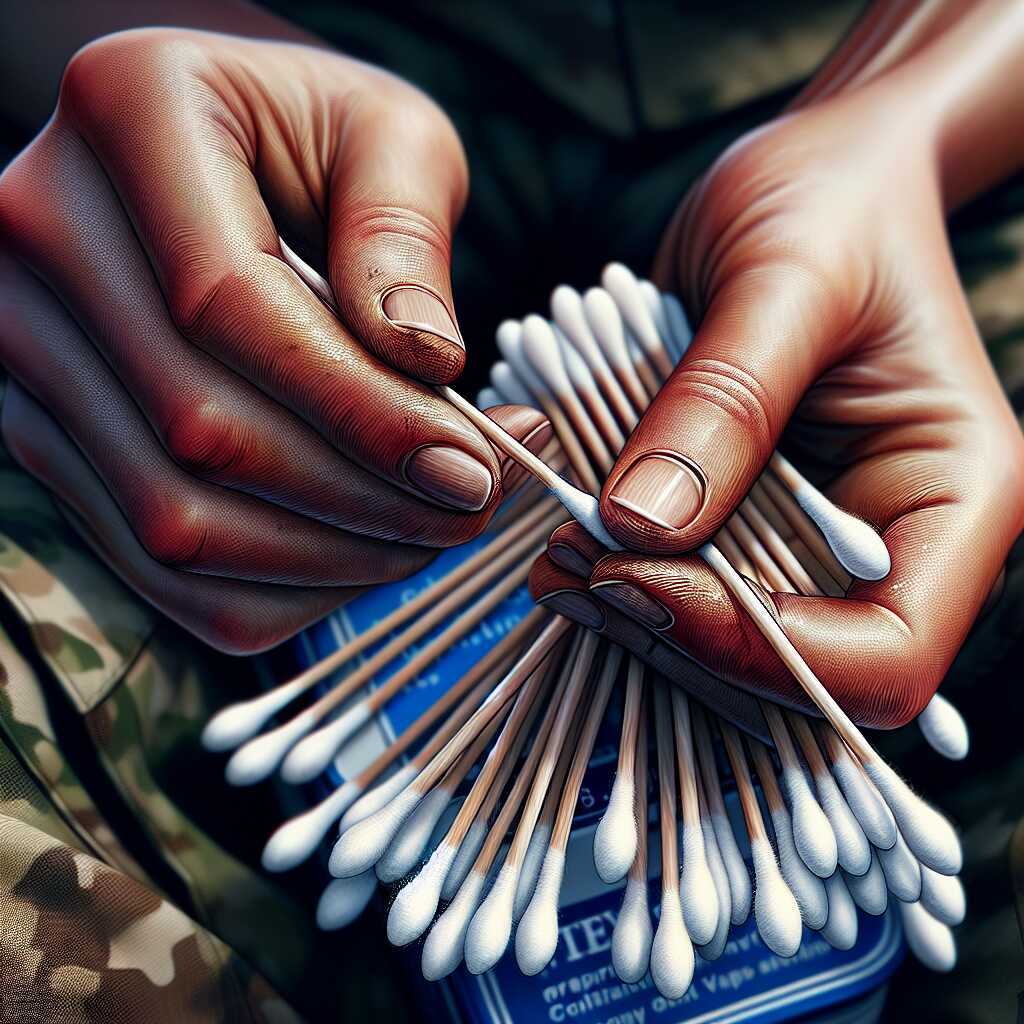
- Coat each swab (5-15 seconds per swab; total 30-90 seconds for a 6-8 swab bundle): Use a fingertip or the swab itself to smear a pea-sized amount of petroleum jelly onto the cotton tip and slightly into the fibers. Result: each treated swab becomes hydrophobic and will burn longer than untreated cotton.
- Build a pocket tinder bundle (10-30 seconds): Arrange 3-6 treated swabs with tips pointing inward or twisted together loosely to create a small aerated cluster. Result: a compact tinder bundle that accepts sparks and small flames more readily than single swabs.
- Store safely (5-10 seconds): Place bundles in a small waterproof container or zip bag. Result: protected from moisture and debris; ready for emergency use.
- Ignite with a reliable source (instant to 10 seconds): Apply a spark, ferrocerium rod, match, or lighter to the tip/edge of the bundle. Result: ignition with reported success rates of roughly 70-90 under typical conditions when a reliable ignition source is used; expect initial flame and sustained smolder for 1-5 minutes depending on bundle size.
- Transfer flame to larger tinder (30 seconds-5 minutes): Use the burning bundle to light dry tinder (birch bark, dry grass, or small kindling) and gradually feed increasing sizes of fuel. Result: a growing flame; note that multiple treated swabs may be required to start a sustained fire in damp or windy conditions.
- Exercise safety and cleanup (ongoing): Keep burning bundles away from flammable clothing and watch for hot drips or embers; fully extinguish and cool any remnants before storing or discarding. Result: reduced risk of accidental burns or wildfires.
- Know the limits (ongoing awareness): Do not rely on treated swabs as the sole means to build a large or long-lasting fire. They will not ignite without a flame or spark, may be restricted by fire regulations in some areas, and can produce hot droplets if broken apart while burning. Result: realistic expectations and safer decision-making in the field.
FAQ
What is cotton swabs used for in survival and camping
Cotton swabs serve as a compact precision tinder applicator and a small tinder source when coated with petroleum jelly for emergency fire bundles. Treated swabs cost about $0.02 to $0.10 each to make, pack into a small waterproof container in groups of 5 to 20, and often take 30 to 120 seconds to prepare a pocket bundle. Field reports and reviews show commonly reported success rates around 70 to 90 for short ignition tasks with a reliable spark or flame, and Predicament Measures recommends testing treated swabs before trusting them in critical situations.
How do cotton swabs compare to commercial tinder alternatives in practice
Treated cotton swabs offer lower DIY cost and finer application control than many commercial tinder tabs while delivering similar short-burn reliability for small starts. DIY cost ranges from $0.02 to $0.10 per treated swab versus $2 to $8 for many small commercial firestarters, and reviews show users value the compact size and precision when lighting kindling. Treated swabs cannot replace larger fuel, cannot sustain a main fire alone, and require a spark, flame, or reliable ignition method to work.
How does cotton swabs work step by step for tinder use
Treated cotton swabs work by combining the cotton fiber as a wick with petroleum jelly as a hydrophobic fuel to create a small, long-burning tinder point. Typical steps include rubbing a 3 to 5 mm layer of petroleum jelly into the cotton head, packing 3 to 10 treated swabs together as a bundle, and using a spark, lighter, or match to ignite the cotton head which then burns long enough to light small kindling for 1 to 5 minutes per small bundle. Users should test ignition time and success at home so they know the exact burn duration and quantity needed to light their preferred fuel.
What safety precautions should you take when using cotton swabs outdoors
You must keep treated swabs away from clothing, sleeping bags, dry brush, and any fuel sources until you intend to ignite them. Carry at least one liter of water or a small fire extinguisher, work on noncombustible ground or a cleared ring, and use gloves or a tool when handling hot residue to prevent burns. Store treated swabs in a sealed, labeled waterproof container and follow local fire rules and campfire restrictions.
What are the main benefits of using cotton swabs for fire bundles
Treated cotton swabs provide precise application, compact storage, and consistent ignition behavior when paired with a reliable ignition source. They weigh very little, take under two minutes to prepare a small pocket bundle, and offer a cheap DIY option that enhances redundancy in an emergency kit with DIY cost of $0.02 to $0.10 per item. The setup improves efficiency for quick starts, helps training and testing routines, and provides a fast, easy option for backpackers and first responders needing small reliable tinder.
How do the benefits change in wet cold or windy conditions
Treated swabs retain more usefulness in damp conditions because petroleum jelly repels water and helps maintain ignition reliability compared to untreated fibers. Cold that thickens petroleum jelly can slow ignition and may require more time or more treated swabs, and strong wind can blow out small flames so you should build a wind break or use a sheltered stove for reliable results. Heavy rain or full submersion can reduce success so users report needing multiple treated swabs or an enclosed shelter to achieve ignition.
What are the risks and limitations of cotton swabs treated with petroleum jelly
Treated cotton swabs pose risks such as hot droplets of burning oil, potential melting of the jelly onto skin or gear, and limited burn power that cannot replace sustained fuel like dry wood or solid fuel blocks. They require a spark, lighter, ferro rod, or match to ignite and will not create a main fire by themselves for long-term heating or cooking needs. Users must accept that treated swabs can fail in extreme weather, are designed for short ignition tasks, and need proper testing and handling to be reliable.
Could treated cotton swabs cause accidental fires or legal issues outdoors
Treated cotton swabs can cause accidental fires if stored near flammable items or if left smoldering in leaf litter, and they can spread hot embers or melted fuel. Many parks and forests enforce fire restrictions or bans that make carrying or using any ignitable material risky, and users should check local regulations and follow closed-fire orders to avoid fines or legal action. Treating hygiene items for fire use can also conflict with leave-no-trace rules in sensitive areas, so use care and common sense.
Who should consider using cotton swabs as a portable emergency tinder option
Backpackers, day hikers, survivalists, preppers, bushcraft instructors, scouts, search and rescue teams, and emergency responders should consider treated swabs as a compact backup tinder option. Users who value small size, low weight, and cost efficiency will find treated swabs useful because a bundle of 10 fits in a pocket or kit and costs cents per piece to make. Training, testing, and experience help ensure reliability so groups that practice firecraft and test treated swabs under expected field conditions get the best results.
Could treated cotton swabs cause accidental fires or legal issues outdoors
Treated swabs can cause accidental fires when mishandled, stored near combustibles, or used during fire restrictions, and authorities can issue fines or citations for unauthorized open flames. Carry documentation of local rules, store treated swabs in labeled waterproof containers, and follow emergency protocols and leave-no-trace ethics to reduce legal and environmental risks. Predicament Measures recommends clear testing and strict storage to lower accidental fire chances.
When is the best time to use cotton swabs coated with petroleum jelly outdoors
The best time to use treated cotton swabs is in an emergency or as a planned backup when you need a precise short-duration tinder to light kindling or a small stove. Use treated swabs when your main fire kit is wet, when you need a reliable quick flame for 1 to 5 minutes per small bundle, and when you have a controlled area and an ignition source ready. Avoid using treated swabs during active burn bans, in high wind without shelter, or when you cannot control embers and residue.
Are there medical or ethical concerns for certain user groups using cotton swabs
Using personal cotton swabs for fire also raises medical and ethical concerns because these items are designed for hygiene and may carry biological residue if reused for both personal care and firecraft. People with skin sensitivity or allergy to petroleum products should avoid direct skin contact with treated swabs and store treated items separately from first aid and personal hygiene kits. Environmental ethics include avoiding litter, not leaving melted petroleum jelly in the environment, and selecting biodegradable or reusable storage when possible.
How much do cotton swabs with petroleum jelly cost compared to alternatives
Cotton swabs treated with petroleum jelly cost about $0.02 to $0.10 per swab when you buy generic cotton swabs and a tube of petroleum jelly and prepare them yourself, and commercial single-use tinder tabs usually cost $2 to $8 each or $0.20 to $1.00 per use in multi-packs. Preparation time for a small pocket bundle is about 30 to 120 seconds and field success rates under typical dry conditions often fall in the 70 to 90 range for short ignition tasks. These treated swabs cannot replace proper fuel or long-term firewood and they require a reliable spark or flame, and Predicament Measures offers cost and reliability comparison notes to help with buying or DIY choices.
How does weather and environment affect the suitability of cotton swabs
Weather and environment change ignition reliability because wet, windy, or cold conditions lower success rates and slow ignition times, with performance commonly dropping from about 70-90 in dry conditions to below 50 in heavy damp or wind. Wind can blow out small flames and rain or soaked vegetation can prevent a spark from catching, so treated swabs work best as an emergency backup when stored dry. Testing in your local climate helps you learn how useful these swabs are for your experience and trip plans.
What materials and tools are needed to prepare cotton swabs for tinder use safely
You need plain cotton swabs, petroleum jelly (about 0.2 to 0.5 grams per swab, roughly a pea-sized amount), a small container or disposable plate for preparation, nitrile gloves for hand protection, a small sealable bag or 35 mm film can for storage, and an ignition source such as a lighter or ferrocerium rod. Preparing a small pocket bundle of 5 to 12 treated swabs takes about 30 to 120 seconds from start to finish and testing a few samples takes another 1 to 5 minutes per trial. Follow safe prep steps, avoid open flame near petroleum jelly during mixing, keep a 1 meter clear area, and use Predicament Measures guidance to enhance safety and efficiency.
Are there budget differences between DIY treated swabs and commercial firestarters
DIY treated swabs cost about $0.02 to $0.10 per swab while many commercial firestarters cost $2 to $8 per unit or about $0.20 to $1.00 per use in bulk packs, so DIY offers clear cost savings per item. Commercial items often deliver more consistent burn times and are designed for reliability, and reviews and testing data show that off-the-shelf products can improve predictability compared to untested DIY batches.
What are the best alternatives to cotton swabs for compact tinder and firestarting
Best compact alternatives include petroleum-jelly-treated cotton balls (burn time commonly 5 to 10 minutes per ball), waxed jute twine or waxed tinder tabs (3 to 15 minutes depending on product), small fatwood sticks (3 to 10 minutes of steady ember), and commercial firestarter blocks or pellets (3 to 20 minutes). Portability, cost, and burn time vary: a pack of 10 cotton balls and a small tube of jelly can cost $1 to $5, fatwood pieces run $3 to $10 per stick, and commercial tabs range $2 to $8 per unit. Choose the best option for your needs by comparing burn time, reliability, and durability in real tests and user reviews before depending on any single item in the field.
Which storage containers and packaging prolong treated cotton swab shelf life
Airtight containers such as small screw-top tin cans, 35 mm film style plastic canisters, vacuum-sealed Mylar bags with a silica desiccant, or small metal tins preserve treated swabs best by keeping out moisture and pests. Store containers in a cool, dark, dry place and expect shelf life to range from months to years depending on conditions, and you should test samples annually or before a major trip to confirm reliability. Predicament Measures recommends marking packs with the date and testing a few swabs each season to maintain proven results.
What common mistakes should be avoided when using cotton swabs as tinder
Common mistakes include relying on treated swabs as the sole fuel source, applying too much petroleum jelly (over roughly 0.5 grams per swab can cause dripping hot fuel), and trying to light them in strong wind or heavy rain where success rates fall sharply. Storing swabs unsealed or mixing them with dirty or wet materials reduces reliability and can ruin burn performance in minutes. Practice safe handling, keep a dedicated sealed supply, and follow fire rules and local regulations to reduce risk and ensure safe performance.
How do alternatives compare for burn time portability and reliability
Cotton swabs offer high portability and light weight with typical small-bundle burn times of 1 to 5 minutes, cotton balls with petroleum jelly give longer single-piece burn times of 5 to 10 minutes, and commercial tinder tabs or wax blocks provide more consistent burn times from about 3 to 20 minutes depending on product size. Reliability data and user reviews show that commercial items and waxed natural materials often give more consistent ignition and burn duration while DIY items require testing and careful prep to match that performance.
How to test cotton swabs treated with petroleum jelly for reliability
Test treated swabs by running 10 controlled trials: ignite a single swab with your intended ignition method, time the interval to a steady ember and the total burn time, and record successful ignitions to estimate a field success rate for your batch. Set up a metal tray or non-flammable test surface, keep water or an extinguisher within 1 meter, use calm dry weather for testing, and expect single-sample burn times to run 30 to 300 seconds depending on quantity and prep. Repeat testing each season or before major trips and keep simple notes on performance to improve reliability and make informed gear choices as suggested by Predicament Measures.
How can you check treated cotton swabs for reliability without creating a hazard
Check samples visually for even jelly coating, clean smell, and no mold or contamination, and do a bench test by lighting one swab on a small metal tray outdoors or in a well-ventilated area while keeping water ready. Limit testing to single swabs or small bundles, record ignition success for three tries, and dispose of test remnants safely to avoid creating an accidental fire.
Related posts:
 Unwaxed Dental Floss: High-Strength Fishing Line Alternative for Wilderness Food Procurement
 Petroleum Jelly Cotton Balls: Five-Minute Burn Time Fire Starters for Damp Conditions
 550 Paracord Shoelaces: Hidden Survival Rope for Emergency Rappelling Situations
 White Cotton T-Shirts: Char Cloth Creation for Flint and Steel Fire Starting
 Used Coffee Grounds: Human Scent Masking for Wildlife Avoidance in Bear Country
 Maxi Pads: Large Absorbent Bandages for Major Trauma Wound Coverage
 Rubber Erasers: Emergency Ear Protection Against Dangerous Noise Levels
 Acrylic Yarn: Emergency Wound Sutures for Gaping Lacerations