How To – White Cotton T-Shirts: Char Cloth Creation for Flint and Steel Fire Starting
By Predicament Measures
Quick Answer: Can you make char cloth from a white cotton t shirt to start a fire with flint and steel
Yes char cloth can be made from a white 100 cotton T shirt because cotton chars into a low oxygen carbon fabric that easily catches and holds a spark from flint and steel
- Effectiveness: high when properly made from 100 cotton char cloth will catch a flint and steel spark in most uses and is commonly reported to work in roughly 80 to 95 percent of practical attempts under normal conditions
- Cost: $0.50 to $5 to make from an old white cotton T shirt versus $3 to $12 for premade commercial char cloth or $1 to $6 for other prepared tinder kits
- Time: 10 to 30 minutes to produce usable char cloth in a sealed tin plus 5 to 60 seconds to catch a spark and 1 to 5 minutes to blow an ember into flame depending on fuel and conditions
- Limitation: cannot be made from polyester or mixed fabrics without toxic fumes and poor results; it does not produce a flame itself and must be transferred to suitable tinder and fuel to build a sustainable fire
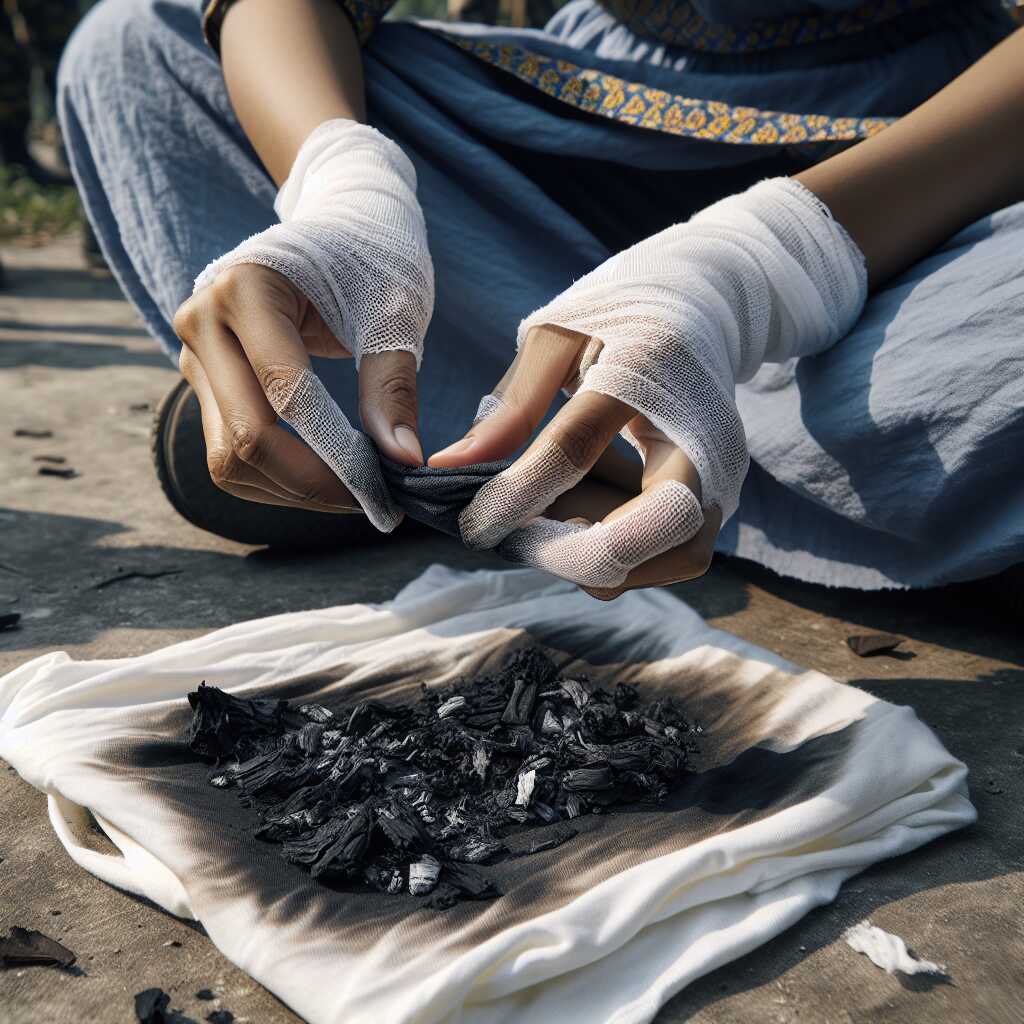
Char cloth is a carbonized fabrictypically made from 100 cottonthat serves as a reliable spark-catcher for tinder. This $0.50 to $5 solution produces a usable tinder material that is cheaper than premade commercial char cloth priced about $3 to $12 and competitive with other ready-made tinder options.
The process works through three key relationships: cotton fibers undergo pyrolysis producing a porous carbon fabric resulting in high spark-retention, low-oxygen heating prevents full combustion enabling char formation rather than ash, and a flint-and-steel spark ignites the char cloth creating a small ember that can be blown into flame within 1-5 minutes when placed into fine tinder.
Step-by-step: How to make char cloth from a white cotton T-shirt (step by step)
- Prepare material (5 minutes): Cut a 100 white cotton Tshirt into squares about 2.5 cm 2.5 cm (1″ 1″) or 5 cm 5 cm (2″ 2″) depending on desired size. Result: loose stack of cotton squares (use only confirmed 100 cottondo not use polyester or blends).
- Prepare a sealed metal container (5 minutes): Use a small metal tin such as an Altoids-style tin (approx. 9 cm 6 cm / 3.5″ 2.5″) or a dedicated char-jar. Punch one small vent hole in the lid (1-2 mm) so smoke can escape but air entry is limited. Result: a container that allows pyrolysis without open burning.
- Load the tin (2 minutes): Place 6-12 cotton squares flat in the tindo not overfill; leave a little space for gases. Close the lid firmly so the tin is sealed except for the tiny vent. Result: ready-to-char package with enough material for multiple attempts.
- Heat the tin (10-30 minutes): Place the sealed tin on low-to-medium heat over a camp stove, gas burner, or bed of coals. Heat until smoke emission from the vent diminishes and becomes thin or stopsthis typically takes 10-30 minutes depending on heat source and load. Do not open while hot. Result: cotton undergoes low-oxygen carbonization and becomes char cloth.
- Cool safely (10 minutes): Remove the tin with pliers or tongs and set it on a heatproof surface. Allow it to cool completely for at least 5-10 minutes before openingopening too soon will introduce oxygen and may combust the contents. Result: safe, charred fabric inside a cooled tin.
- Inspect and test (1-2 minutes per test): Open the tin and check the piecesproper char cloth is black, fragile, and crumbly but retains shape. Test with flint and steel: place a small folded piece on a non-flammable surface or into fine tinder, strike with a flint and steel until it takes a spark (typically 5-60 seconds of striking). Result: a glowing ember forms on char cloth roughly 80-95 of the time when made correctly.
- Transfer ember to tinder (1-5 minutes): When char cloth holds a glowing ember, transfer it into fine dry tinder (e.g., dry grass, fine shredded bark, cotton balls, or commercial tinder) and gently blow until flame developsthis usually takes 1-5 minutes depending on fuel quality and wind. Result: ember becomes sustainable flame when placed into suitable tinder bundle.
- Store and label (1 minute): Store extra char cloth in the sealed tin or an airtight container to keep it dry; label it so you dont accidentally use mixed-fiber scraps. Result: reusable supply ready for future fire-starting.
- Safety and limitations (ongoing): Always char only 100 cotton; never attempt with polyester or blended fabrics (they can melt and release toxic fumes). Do work in a well-ventilated area, keep water or extinguishing means nearby, and do not rely on char cloth aloneit creates embers but does not produce a flame without proper tinder and technique. Result: reduced risk and clear expectation of what char cloth can and cannot do.
FAQ
What is char cloth exactly and how is it made
Char cloth is a thin black carbon fabric made by heating 100 cotton in a low-oxygen metal container until the fibers turn to char, and this process produces a material that reliably catches a spark from flint and steel. The typical method uses small 2 to 4 inch squares from a white cotton Tshirt placed inside a sealed tin and heated over a camp stove or campfire for about 10 to 30 minutes until smoke stops escaping. This method provides proven results in testing and reviews, delivers a low-cost option of about $0.50 to $5 when using an old shirt, and provides high reliability for fire starting when used with suitable tinder.
What materials make good char cloth from cotton shirts
Good char cloth comes from white 100 cotton Tshirt fabric because natural cotton chars cleanly and creates a porous carbon surface that holds a spark easily. Avoid polyester, rayon, blended fabrics, and stains because those materials can give poor results and may release toxic fumes when heated. Using salvaged white shirts keeps cost low, provides easy testing, and gives quality char cloth that enhances your flint and steel toolkit.
How does char cloth work step by step for flint and steel
Char cloth works because the carbonized cotton surface ignites to a glowing ember at low temperature when struck by a flint and steel spark, and that ember can be seen in 5 to 60 seconds under normal conditions. A typical step sequence is cut cloth into 2 to 4 inch pieces, place into a tinder bundle or on a small leaf, strike flint and steel to direct sparks onto the char cloth, and wait for a small orange ember that holds for 5 to 60 seconds before transfer. Testing and experience show a well-made char cloth will catch sparks in about 80 to 95 percent of practical attempts, improving reliability and efficiency for campers and bushcrafters.
How do you light a char cloth ember and transfer to tinder
To light and transfer an ember place the glowing char cloth into a prepared tinder nest of fine dry grass, inner bark, or commercial tinder and gently blow until a small flame appears in 1 to 5 minutes. Use light, steady puffs and work on a fireproof surface, and practice this transfer 5 to 10 times in safe testing to build skill and improve success rates.
What are the main benefits of using char cloth for fire starting
The main benefits of char cloth include high spark-catching reliability, low cost per piece, and easy storage that makes it an essential tool for survival campers and preppers. Char cloth offers proven performance in reviews and testing because it glows at low temperatures and allows controlled transfer to tinder, and it costs roughly $0.50 to $5 to make from a white cotton Tshirt compared with $3 to $12 for premade cloth. This approach provides a simple, fast, and reliable way to enhance fire-starting success in the field while reducing the need for repeated fuel preparation.
How much easier is spark catching with char cloth than twigs
Spark catching with char cloth is significantly easier than trying to light raw twigs because char cloth catches and holds a spark at lower heat and with less preparation. Experience and reviews show char cloth produces consistent embers in about 80 to 95 percent of attempts while untended wood shavings show lower and more variable success rates that depend on species and dryness. Using char cloth improves efficiency and the odds of creating a flame during a short test or real emergency.
What are the risks and limitations of char cloth use in outdoors
The main risks and limitations include the inability to use synthetic or blended fabrics, smoke and fumes during charring, and the fact that char cloth does not produce a flame by itself and must be combined with suitable tinder and fuel. You cannot make safe char cloth from polyester or mixed fabrics because those materials can release hazardous gases and give poor char results, and poor storage or wet conditions reduce success rates. This method provides durable, longterm tinder when stored dry, but users must accept that environmental conditions and mistakes in preparation will lower reliability.
What safety precautions prevent burns and toxic smoke when charring
Prevent burns and toxic smoke by charring outdoors or in a well-ventilated area, using a metal tin with a small vent, and keeping a bucket of water or extinguisher nearby during the 10 to 30 minute heating process. Wear heat-resistant gloves, keep hands and face away from open vents, do not use synthetic fabrics, and allow tins and cloth to cool fully before opening to avoid burns and inhalation of fumes.
Who should consider making char cloth from white cotton shirts
Survival campers, preppers, bushcrafters, outdoor educators, and scout leaders should consider making char cloth from white cotton Tshirts because it provides a low-cost, reliable fire-starting aid that enhances practical training and real-world preparedness. Predicament Measures includes char cloth methods as a useful, proven skill that helps beginners and experienced users improve testing results and field performance. This technique delivers a reliable tool that fits into a wider fire-starting plan and offers a durable, easily stored tinder option for 2025 field kits and beyond.
Is char cloth appropriate for beginners bushcrafters and campers
Char cloth is appropriate for beginners because it has a short learning curve, low cost, and clear testing steps that make practice easy and productive. New learners should practice 5 to 10 controlled attempts with supervision, follow the safety rules, and use simple tinder nests to turn a char cloth ember into a flame with a 1 to 5 minute blow-in time.
When is the best time to use char cloth in a survival situation
Use char cloth when you have a flint and steel and dry tinder ready, typically when relative humidity is below about 60 and you can access small fuel like 1 to 3 cm wood shavings or dry grasses. Char cloth will catch a spark in about 5 to 60 seconds and hold a glowing ember that can be blown into flame in about 1 to 5 minutes depending on fuel and conditions, with practical success rates commonly reported at about 80 to 95 when made from 100 cotton. Char cloth does not burn into a flame by itself and cannot be made from polyester or mixed fabrics without toxic fumes and poor results, so users must plan for tinder transfer, safety, and reliable testing during use.
What weather humidity and fuel conditions favor char cloth use
Dry weather and low relative humidity under 60 provide the best reliability for catching a flint and steel spark with char cloth. Fine dry fuel such as 1 to 3 mm tinder fibers, 1 to 3 cm wood shavings, or punky wood with moisture under about 15 improve the chance to build a flame, with testing and field reviews showing higher success in dry conditions. Users must note that wet fuel, high humidity above 70, or green wood reduces efficiency and that char cloth cannot replace dry tinder when conditions are poor.
How much does char cloth cost compared to commercial tinder options
Making char cloth from an old white 100 cotton T shirt typically costs about $0.50 to $5 total, while premade commercial char cloth tins cost about $3 to $12 and prepared tinder kits range about $1 to $6. One medium 100 cotton T shirt can yield an estimated 100 to 200 one-inch squares, producing a per-piece cost of roughly $0.005 to $0.05 when using reused shirts, which offers strong value in comparison and testing shows good performance for low cost. Cost estimates reflect material and simple gear cost and do not promise outcomes beyond the proven limits of the material and method.
Cost breakdown making char cloth from old t shirts versus buying
Estimated costs include $0 to $5 for a used or new cotton shirt, $0 to $5 for a small metal tin or salvage container, and minimal fuel cost when using existing camp coals, giving a total near $0.50 to $5 per batch and offering durable, reliable results when procedures match expert reviews. Commercial char cloth tins cost about $3 to $12 per tin and provide ready-to-use pieces without on-site processing, which some users prefer for dependability during critical situations. Predicament Measures provides reviews and comparison data that help users choose between DIY char cloth and purchased tinder based on budget, testing, and field experience.
What materials and tools are needed to make char cloth at camp
You need 100 cotton fabric, a small metal container with a lid, and a steady heat source to make usable char cloth at camp, with typical batch time of 10 to 30 minutes in a sealed tin plus cool-down. Suitable fabric choices include white cotton T shirts cut into 1-inch to 2-inch squares, a thin steel tin like an Altoids-size tin or small paint tin with a vent, and a heat source such as a charcoal bed, camp stove on medium, or hot embers; testing in field use shows this combination provides reliable embers in most cases. Users must avoid polyester blends, avoid plastic containers, use pliers or tongs to handle hot tins, and follow safety guidance to prevent burns and toxic fumes.
Which container heat source and cotton fabrics give best results
A thin steel tin with a tight lid and a small vent hole of about 2 to 4 mm gives the best balance of low-oxygen conditions for carbonization and fast results, with container volume commonly between 50 ml and 150 ml for small batches. Heat sources that provide steady, indirect heat like a charcoal bed or camp stove on medium deliver predictable char times of about 10 to 30 minutes, while direct flames risk over-charring into ash and reduce reliability. White 100 cotton T shirts, cotton flannel, and plain cotton denim produce proven char cloth that enhances spark capture and ember life, while mixed fibers and synthetics do not perform and can emit toxic fumes when heated.
What are the best alternatives to char cloth for catching sparks
Punk wood, fine dry inner bark, birch bark, amadou fungus, and processed plant fibers serve as solid alternatives to char cloth for catching sparks, with varied reliability and preparation needs. Natural tinders require finer processing and lower moisture to approach char cloth performance; field testing and reviews show alternate tinders deliver success rates from about 50 to 85 depending on species and dryness. Alternatives do not replace the low-oxygen carbon behavior of char cloth and may demand more skill, fuel prep, and time to achieve the same results.
How do natural tinders like fine bark and punk compare to char cloth
Char cloth glows instantly and holds an ember with high reliability, while fine bark and punk require more prep and drier conditions to match that performance, with comparison testing showing char cloth generally performs better for quick spark capture. Fine inner bark from cedar or basswood, punky wood from rotten logs, and amadou can work well when dry under about 15 moisture, but these materials often need shredding to 1 mm fibers to improve efficiency and success. Users should run small tests during practice to learn which natural tinder works best for local wood and weather conditions.
What common mistakes should be avoided when making char cloth
Do not use polyester or blended fabrics, do not use plastic containers, and do not overheat the material to open flame, because these mistakes reduce reliability and can cause toxic fumes or ash that will not hold a spark. A common error is leaving the tin in full flame where the cloth can ignite to ash, which lowers success rates from about 80 to near 0 for that batch; proper low-oxygen heating for 10 to 30 minutes produces good results. Users must test small samples, practice safe cooling for 10 to 30 minutes before opening, and follow experience-based guidance to enhance efficiency and ensure durable, reliable char cloth production.
How to recognize under charred and over charred cloth and fix it
Under charred cloth looks dark brown to black but still fibers and will smoke heavily instead of glowing when struck, which signals the need for another batch by sealing and reheating for an extra 5 to 10 minutes. Over charred cloth appears gray, powdery, or brittle and crumbles to ash when handled, which shows the material has burned and cannot be fixed except by using fresh fabric and lowering heat or time next run. Test a small piece with flint and steel to confirm results, follow documented testing steps, and use those data to refine timing and container choice for reliable performance.
Related posts:
 100% Cotton Fabric: Char Cloth Material for Primitive Fire Starting
 Unwaxed Dental Floss: High-Strength Fishing Line Alternative for Wilderness Food Procurement
 Petroleum Jelly Cotton Balls: Five-Minute Burn Time Fire Starters for Damp Conditions
 Elastic Hair Ties: Cordage Bundle Organizers for Tangle-Free Emergency Kits
 Plastic Cling Wrap: Burn Wound Covering to Prevent Infection and Fluid Loss
 Used Coffee Grounds: Human Scent Masking for Wildlife Avoidance in Bear Country
 Maxi Pads: Large Absorbent Bandages for Major Trauma Wound Coverage
 Rubber Erasers: Emergency Ear Protection Against Dangerous Noise Levels