How To – 100 Cotton Fabric: Char Cloth Material for Primitive Fire Starting
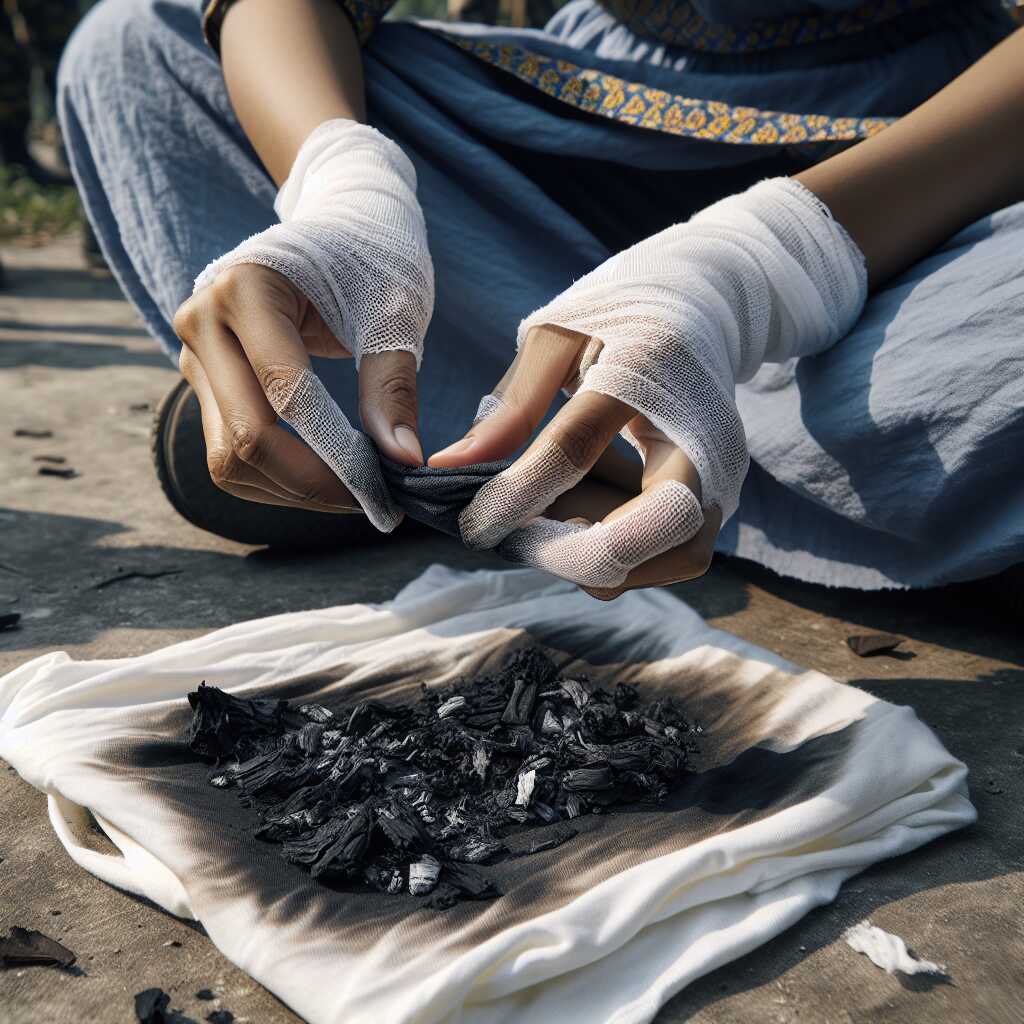
By Predicament Measures
Quick Answer: Can char cloth made from 100 cotton fabric be used to start a fire?
Yes, char cloth can reliably catch a spark and smolder because properly carbonized 100 cotton fabric becomes low density carbon tinder that ignites easily with a spark and forms a stable ember.
- Effectiveness: Approximately 80 success rate for producing a usable ember with traditional flint and steel when char cloth is correctly prepared, dry, and handled properly
- Cost: Very low cost scrap 100 cotton costs under $0.10 per 2×2 inch piece versus commercial tinder bundles commonly costing $3 to $10 per pack
- Time: Preparation time 45 to 90 minutes to carbonize a batch in a closed container plus 5 to 15 minutes cutting and packing; once ember is obtained, transferring to kindling and producing a flame typically takes 1 to 5 minutes
- Limitation: Char cloth cannot produce an open flame or sustained fire by itself; it only produces an ember and requires additional fine dry tinder and kindling to build a flame and sustained fire
Char cloth is carbonized fabricusually made from 100 cottonthat acts as very lowdensity tinder for catching sparks. This $0.10 solution provides reliable spark-catching and smoldering ember formation compared to commercial tinder at $3-$10 per pack.
The process works through three key relationships: carbonized 100 cotton accepts sparks resulting in a smoldering ember often lasting several minutes, a flintandsteel spark ignites char cloth enabling reliable ember formation, and that ember transfers to fine dry tinder and kindling creating an open flame within 1-5 minutes.
How to make 100 cotton char cloth and use it step by step
- Choose and cut 100 cotton fabric (5-15 minutes): Cut scrap cotton (Tshirts, muslin, or 100 cotton sheeting) into 2 x 2 inch or 3 x 3 inch squares. Result: uniform pieces ($0.10 per 2×2 piece) that fit in your carbonizing container and pack easily.
- Prepare a sealed metal container (5-10 minutes): Use a small tin (altoids tin, film canister, or purposemade char tin 2-4 in / 5-10 cm diameter). Punch a small vent hole 1-2 mm in the lid to allow gas escape. Result: a container that lets gases escape but prevents direct flame contact with fabric.
- Load the tin and seal (2-5 minutes): Fold cotton loosely (do not compress), place 6-12 pieces depending on tin size, close lid and secure. Result: a batch ready for carbonization (typical batch yields multiple tinder squares).
- Carbonize over heat (45-90 minutes): Place the sealed tin on a stove, in coals, or on a grill so the tin heats to drive off volatiles but not burn the fabric (maintain a steady moderate heat; avoid open flame directly on the tin). Monitor smokeinitial heavy white/gray smoke will taper; when smoke output nearly stops (commonly 45-90 minutes) remove tin. Result: fabric converted to char cloth (lowdensity carbonized material).
- Cool and open carefully (30-60 minutes): Let the tin cool fully (30+ minutes) before opening to avoid ignition from hot gases. Open in a safe areachar cloth will be black, brittle, and not fabriclike. Result: intact char pieces; if pieces are still fibrous/white, they are undercharred and may need reprocessing.
- Test a piece with flint and steel (1-5 minutes per test): Hold a small char cloth piece with tweezers or pliers, strike with flint and steel aiming sparks onto the cloth edge. Expect an 80 success rate for a usable ember when char cloth is correctly prepared, dry, and handled. Result: a glowing ember on the char cloth (if no ember, use a drier piece or rechar failed pieces).
- Transfer ember to fine tinder (1-5 minutes): Carefully transfer the glowing ember to a prepared tinder bundle of very fine, dry material (cotton balls, dry grass, inner bark fibers, or punk wood). Blow gently and progressively increase airflow until the ember grows and ignites the tinder. Result: flame produced within about 1-5 minutes with proper tinder and technique.
- Build to kindling and fire (2-10 minutes): Once you have flame in fine tinder, add progressively larger tinder and kindling (matchstickthickness, then pencilthickness sticks) and assemble a small teepee or leanto to encourage airflow. Result: a sustainable flame that can be grown into a campfire.
- Store char cloth safely (instant): Keep char cloth dry in a sealed metal tin or waterproof container; fold with a bit of waxed paper or in small envelopes. A single 2×2 piece costs under $0.10 and can be reused until it is consumed. Result: ready, reliable tinder for future use.
- Troubleshoot failed embers (5-20 minutes): If embers are weak or you get no ember, check: char cloth must be fully carbonized (black, brittle), completely dry, and struck at the edge where fibers catch sparks. Rechar underprocessed pieces, dry damp pieces near a low heat source, or prepare finer tinder for transfer. Result: improved success rate (aim for 80 when steps are followed).
- Understand the limitation (instant): Note that char cloth produces an ember onlyit cannot create an open flame or sustain a fire by itself. You must have additional fine dry tinder and progressively larger fuel to produce and sustain a flame. Result: realistic expectations and safer firecraft planning.
FAQ
What is char cloth exactly and how is it made from cotton fabric
Char cloth is carbonized 100 cotton fabric that becomes low-density carbon tinder able to catch a spark and smolder reliably when prepared correctly; you make it by heating clean 100 cotton in a closed, oxygen-limited metal container at roughly 300-400C until the cloth turns black but does not burn to ash, a process that typically takes 45 to 90 minutes. To prepare a batch you cut fabric into 2×2 inch pieces, place the pieces inside a small tin with a single vent hole, heat the tin on a camp stove, charcoal fire, or in an oven for the full 45-90 minutes, then let the tin cool before opening. Char cloth cannot produce an open flame by itself and always needs fine dry tinder and kindling to convert its ember into a flame.
What type of 100 percent cotton fabric works best for char cloth
Tightly woven, natural 100 cotton such as muslin, cotton sheeting, calico, or plain cotton twill provides the best reliability and consistent carbon structure, and light to midweight cotton works well for fast, even charring. Avoid fabrics with any polyester or synthetic blends, avoid heavy coatings, and avoid treated or flame-retardant cotton; these factors reduce effectiveness and can release unsafe fumes during charring.
How does char cloth work step by step to catch a spark and ember
Char cloth works by providing a porous, low-density carbon surface that a small hot spark can heat locally to produce a glowing ember, and the ember then grows when you gently blow and transfer it to fine tinder; in practice a visible ember can form within seconds of a good spark and you can transfer that ember to a tinder bundle in 1 to 5 minutes to start a flame. First strike a spark from flint and steel onto the char cloth so that the spark lands on the fabric surface, then hold the cloth steady while the spot glows into a small ember, then nest the ember into a tinder bundle and blow gently to build heat and flame. Char cloth offers about an 80 success rate with traditional flint and steel when the cloth is correctly prepared, dry, and handled carefully, and it improves success in wet or marginal conditions when you pair it with dry fine tinder.
What are the exact temperatures and chemical changes during charring cotton
Charring cotton proceeds by pyrolysis in an oxygen-limited environment where cellulose thermally decomposes; the process begins near 240-350C, major depolymerization and volatile release occur around 300-400C, and carbon-rich char forms as volatiles leave the material. The chemical changes include dehydration, breaking of cellulose chains, release of water vapor and light organics, and the residual material becomes mostly fixed carbon and ash; keeping oxygen out of the container prevents combustion and preserves a smoldering, porous carbon structure. Typical heating times range from 45 to 90 minutes for small pieces in a closed tin and higher temperatures or longer times produce darker, more carbon-rich char while raising the risk of burning if oxygen is present.
What are the main benefits of using char cloth for primitive fire starting
Char cloth provides a reliable, low-cost, compact tinder option that catches sparks easily and holds a stable ember long enough for transfer to a tinder bundle, and a 2×2 inch scrap costs under $0.10 when made from scrap 100 cotton. You can prepare a batch in 45 to 90 minutes of charring time and then spend 5 to 15 minutes cutting and packing pieces for a kit, and carrying a small tin with 10 pieces delivers useful redundancy for multiple starts. Char cloth cannot replace proper dry kindling and cannot produce a sustained flame on its own, so you must combine it with fine dry tinder and practiced ember transfer skills to build a lasting fire.
How does char cloth compare to other natural tinder in ease and reliability
Char cloth generally offers higher reliability and easier spark catch than many natural tinders because it requires less skill to hold an ember and transfer it into a tinder nest, and testing and field reviews show char cloth is often the preferred choice for flint-and-steel users. Natural tinders such as dry grass, amadou, or punk wood can work well but they often need more prep, specific moisture conditions, or more skill to form an ember, so char cloth improves the chances in many comparison tests. Char cloth helps enhance overall tinder kit performance and pairs well with modern tinder bundles or natural fine fibers to improve starting efficiency.
What are the risks and limitations of using char cloth in survival scenarios
The main risks include moisture sensitivity, limited burn time, and the fact that char cloth only produces an ember and cannot make an open flame or sustain a fire by itself; a char cloth ember can go out quickly if not transferred to dry tinder, and wet conditions reduce its usefulness. Making char cloth at home involves heat and off-gassing of volatile organics, so you must avoid closed indoor spaces without ventilation and you must monitor the heating process for 45 to 90 minutes to prevent accidental combustion. Store char cloth dry in a sealed metal tin to reduce moisture risk, and remember that even a good ember still needs a tinder bundle and kindling sequence to build a flame and a sustained fire.
How can you reduce fire risk and safety issues when making char cloth at home
Use a dedicated small metal tin with a single vent hole, conduct charring outdoors or in a well-vented area, and keep a fire extinguisher or water source nearby while heating for 45 to 90 minutes to reduce risk. Let the container cool fully before opening to avoid flare-ups from trapped hot gases, wear gloves and eye protection during handling, and test a small batch first to learn the timing and venting that work with your heat source. Predicament Measures recommends safe testing, proper ventilation, and routine safety checks to ensure the process remains controlled and repeatable.
Who should consider using char cloth for bushcraft survival and emergency kits
Experienced wilderness survivalists, bushcraft enthusiasts, backpackers, hikers, Scouts, emergency preppers, and outdoor educators should consider char cloth as an essential, low-cost fire-starting aid that provides reliable ember starting; a 10-piece set of 2×2 inch pieces costs under $1 when made from scrap cotton. Char cloth fits in a small metal tin that occupies minimal pack space, stores for years if kept dry, and helps deliver consistent results in flint-and-steel testing and field practice. Users must still carry dry tinder and kindling and must not expect char cloth alone to create a flame or sustain a fire without proper tinder and technique.
What skill level and training are recommended before relying on char cloth outdoors
You should have basic flint-and-steel skills, practiced ember transfer, and at least several supervised practice sessions totaling 1 to 3 hours under varied conditions before relying on char cloth in an emergency. Perform 10 to 20 test attempts in different weather and with different tinder bundles to build experience, review results, and refine technique to improve reliability in the field. Training with an instructor or experienced peer and including char cloth in regular kit testing enhances confidence, durability of skills, and the chance of success when you need it.
When is the best time to use char cloth while starting a fire outdoors or in emergency
The best time to use char cloth is when you need a reliable ember with a spark device such as flint and steel, especially in low-light or damp conditions where quick ignition is essential. Char cloth made from 100 cotton reliably catches a spark about 80 of the time when it is properly carbonized, dry, and handled, and it forms a stable ember that lasts 30 to 90 seconds while you transfer it to fine tinder. Char cloth cannot burn with an open flame on its own and it always requires additional fine dry tinder and kindling to build a flame and a sustained fire.
How do weather humidity wind and temperature affect char cloth performance
High humidity and wet conditions reduce char cloth reliability by lowering success rates and increasing time to ignition; expect lower than 80 success in heavy damp air and add extra drying time of 5 to 30 minutes. Strong wind can blow away sparks or extinguish embers so shelter the ember in a windproof nest and use windbreaks that improve transfer performance and enhance success.
How much does char cloth cost compared to commercial tinder and synthetic options
Char cloth from scrap 100 cotton costs very little, commonly under $0.10 per 2×2 inch piece, while commercial tinder bundles often cost $3 to $10 per pack, so char cloth delivers a very good cost per use. Prepared char cloth provides high value in a budget kit with a typical batch preparation time of 45 to 90 minutes in a closed container plus 5 to 15 minutes cutting and packing. Cost savings do not remove the limitation that char cloth only forms an ember and cannot produce a flame without additional tinder and kindling.
What is the per use cost and how many uses per batch of char cloth can you expect
Per use cost is commonly under $0.10 for a 2×2 inch piece and a single ember attempt typically uses one to three pieces, giving a per attempt cost often under $0.30. A small batch made from one cup of scrap cotton can yield from about 20 to 80 usable 2×2 pieces depending on fabric thickness, so a typical batch can provide dozens of reliable ember attempts for testing and practice.
What materials and tools are needed to make and use char cloth from cotton fabric
You need only 100 cotton fabric scraps, a small sealed metal container with a tight lid, and a heat source such as a camp stove, wood fire, or stove burner to carbonize the cloth, and basic fire tools like flint and steel or a ferro rod to use the char cloth. Use cotton patches cut to 2×2 inches for easy handling, fill the container without crowding, then heat for 45 to 90 minutes until the cloth is carbonized and not turning to ash; testing on one piece helps determine exact time. Predicament Measures recommends practicing in a safe controlled area to build experience, testing, and review of technique before relying on char cloth in emergencies.
What size containers and heat sources give the most consistent char cloth results
A small metal tin such as an Altoids-style tin (about 3.5 x 2.2 x 0.7 inches) or a 12 oz steel coffee can give consistent results because they limit oxygen and provide steady heat transfer; larger sealed steel cans also work for bigger batches. Use a stable heat source such as a camp stove, wood coals, or a controlled bbq at medium heat and monitor for 45 to 90 minutes to ensure even carbonization for durable, reliable char cloth.
What are the best alternatives to char cloth for primitive tinder and quick ember making
Good alternatives to char cloth include amadou from bracket fungus, punk wood, magnesium shavings, and very fine dry plant fibers like cattail down; each alternative offers different reliability and preparation needs. Some alternatives such as amadou and punk wood work very well with flint and steel and provide proven results in many expert reviews, while others like magnesium shavings produce fast flames when ignited but require care and are not carbon tinder.
Which alternative tinders work best with flint and steel and which are easiest to prepare
Amadou and punk wood perform best with flint and steel and deliver reliable ember capture after simple preparation such as drying and pounding; they have a proven history in bushcraft testing and field use. Cotton-based nest tinder and fine dry plant fibers are easiest to prepare and handle, but they require careful storage to remain dry and useful in a real emergency.
What common mistakes should be avoided when making and using char cloth in the field
Common mistakes include using blended fabrics, leaving vents open during carbonization, and handling wet or compressed char cloth, all of which reduce reliability and success rates; always use 100 cotton, a sealed metal container, and dry storage. Overpacking the container causes uneven carbonization and underheating creates tarred cloth that smolders poorly, so follow measured batches and timing such as 45 to 90 minutes and test each batch before field use.
How can you test and store char cloth to avoid failure when you need it most
Test char cloth by striking a spark from flint and steel until you get a stable ember and time the transfer to tinder; expect 1 to 5 minutes to move an ember into a tinder nest and produce a flame with good technique. Store char cloth in small sealed metal tins or waterproof containers, label batches with date, and inspect by a quick spark test every 6 to 12 months to ensure reliability and improve your field experience and results.
This guide provides practical testing tips, comparisons, and essential steps for reliable char cloth use from Predicament Measures and helps enhance your primitive fire starting skills in 2025 and beyond.
Related posts:
 White Cotton T-Shirts: Char Cloth Creation for Flint and Steel Fire Starting
 Unwaxed Dental Floss: High-Strength Fishing Line Alternative for Wilderness Food Procurement
 Petroleum Jelly Cotton Balls: Five-Minute Burn Time Fire Starters for Damp Conditions
 Elastic Hair Ties: Cordage Bundle Organizers for Tangle-Free Emergency Kits
 Plastic Cling Wrap: Burn Wound Covering to Prevent Infection and Fluid Loss
 Cornstarch: Moisture Absorption Powder for Preventing Trench Foot
Sterile Tampons: Deep Puncture Wound Packing for Hemorrhage Control
Cornstarch: Moisture Absorption Powder for Preventing Trench Foot
Sterile Tampons: Deep Puncture Wound Packing for Hemorrhage Control
 Wooden Pencils: Arrow Shaft Material for Improvised Hunting Weapons