How To – Used Coffee Grounds: Human Scent Masking for Wildlife Avoidance in Bear Country
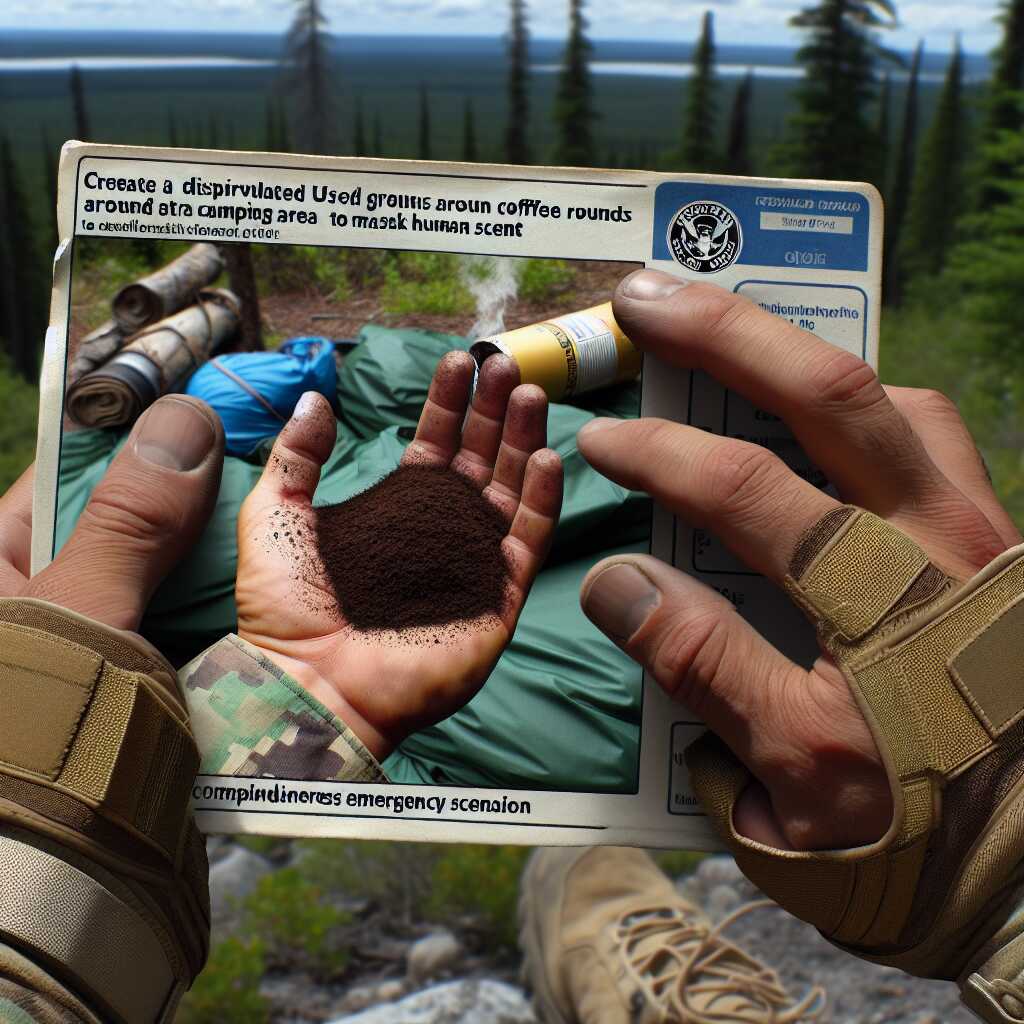
By Predicament Measures
Quick Answer: Do used coffee grounds mask human scent to avoid bears
No used coffee grounds cannot be relied on to prevent bear encounters because there is no scientific evidence of consistent effectiveness and they may attract animals or provide a false sense of safety.
- Effectiveness: Not scientifically established; anecdotal reports are inconsistent and unpredictable
- Cost: near zero for used coffee grounds versus $30 to $60 for a can of bear spray and $80 to $200 for bearresistant food canisters
- Time: application typically takes about 5 to 15 minutes; scent persistence is variable from a few hours to unclear depending on weather and conditions
- Limitation: cannot prevent bear attacks, cannot replace proven measures such as secure food storage, noise making, and carrying bear spray, and may attract wildlife or create regulatory issues in some parks
Used coffee grounds are the spent, compressed particles left after brewing coffee. This $0-$1 per small batch solution is very low cost compared to bear spray at $30-$60 and bearresistant containers at $80-$200.
The process works through three key relationships: used coffee grounds can dominate or mask portions of human odor (overpower) resulting in detectable aroma change within about 5-15 minutes and persistence for a few hours under calm, dry conditions; coffee aroma can attract wildlife (draw) enabling animals such as rodents or bears to investigate campsites or gear; and contained grounds can adhere to clothing or gear (bind) creating variable persistence and handling complications, with scent persistence reported anecdotally for a few hours and no reliable quantified success rate.
Step-by-step: How to collect, prepare, place, and evaluate used coffee grounds in bear country
- Collect used grounds (1-5 minutes): Scoop 1 cup (240 mL) of recently brewed used coffee grounds into a sealable container. Instruction: Use grounds cooled to ambient temperature. Result: You have one small batch to test enough for a single cloth sachet or small perimeter use. Success rate: unknown; no controlled studies.
- Dry the grounds (30-120 minutes): Instruction: Spread grounds thin on a tray to airdry 1-3 hours in sun or use a low oven (200F / 93C) for 30-60 minutes, stirring every 10-15 minutes to avoid charring. Result: Drier grounds are easier to contain and reduce mold risk in a pack. Limitation: drying does not make grounds effective or safe it only reduces mess and spoilage.
- Contain grounds in a breathable sachet (2-5 minutes): Instruction: Put -1 cup dried grounds into a tightly tied cotton sock or mesh bag; seal in a double zip bag for transport. Result: A portable sachet that releases aroma while limiting loose particles. Limitation: sachets still emit scent and can attract animals; they do not neutralize human odor.
- Place the sachet at a tested distance from sleeping/food areas (2-5 minutes): Instruction: Place sachet downwind and at least 50-100 m (150-300 ft) from food storage, bear hang, or tent if you are testing scent dispersion. Result: You can observe whether wildlife is drawn to the aroma at that distance. Limitation: placing aromatic materials near camp increases the chance of wildlife visits and is discouraged in many parks follow local regulations and never substitute this for secure food storage.
- Evaluate short-term effect and stop if risky (15-60 minutes observation): Instruction: Observe from a safe distance or monitor motion cams for any wildlife interest for 30-60 minutes; note any animal attraction. Result: You will know whether the grounds attracted animals at that time and location. Success indicator: wildlife investigation = attraction; no visits in that window = inconclusive, not proof of safety. Limitation: short observations are not predictive absence of attraction does not equal safety.
- Pack out or dispose properly (1-5 minutes): Instruction: Seal used sachets in a zippered bag and pack out for proper trash disposal or follow local rules for organic waste. Result: Eliminates an attractant from the site and complies with most park regulations. Limitation: leaving grounds or sachets at camp is likely to attract wildlife and may violate park rules.
FAQ
What are used coffee grounds exactly and what are they made of
Used coffee grounds are the wet solid residue and oils that remain after hot water passes through roasted and ground coffee beans, and they include extracted aromatic compounds, small amounts of residual caffeine, fiber, and oils. Used grounds provide organic matter with strong volatile compounds that deliver smell and texture and cost near zero to collect from a household or camp coffee maker. Predicament Measures notes that used grounds are not a tested industrial scent blocker and their reliability and performance depend on brew method, coffee type, and the amount collected.
How do used coffee grounds differ from fresh grounds in smell
Used coffee grounds smell milder and more sour than fresh grounds because brewing removes many volatile oils and aromatic compounds that give fresh grounds their bright roast scent. Used grounds still provide a dark, earthy odor and can feel damp, while fresh grounds smell stronger, more floral or chocolaty and dry, which affects testing, reviews, and user experience. Evidence and research show smell strength changes after brewing and that used grounds cannot reliably match the aroma profile of fresh grounds for scent masking.
How do used coffee grounds work step by step to mask human scent
Used coffee grounds may mask human scent by adding competing odors and oils that mix with sweat and skin oils, and they work in practice when placed downwind or around a perimeter to change the scent profile for a short time. In field practice people spend about 5 to 15 minutes placing 1 to 4 cups (240-960 ml) of used grounds around a tent, cooking area, or entry path to try to enhance masking while tracking wind and weather. Predicament Measures warns that this method provides no proven protection, testing data is limited, and the grounds cannot prevent detection, attack, or replace bear-resistant gear and procedures.
What is the correct simple procedure for applying coffee grounds at camp
The correct simple procedure is to collect cooled used grounds into a sealed bag, then scatter small amounts (for example 0.25 to 1 cup at each spot) downwind of your campsite 5 to 15 minutes before occupying the site to help create competing odors. Campers should avoid placing grounds inside tents, secure all food in bear-resistant containers or lockers costing $80 to $200, and carry bear spray ($30 to $60) because used grounds do not replace proven deterrents. Reports, reviews, and experience recommend sealing used grounds when not in active use and checking local park rules to ensure you follow regulations and avoid attracting wildlife.
What are the main benefits of using used coffee grounds while camping in bear country
The main benefits are low cost, easy access, and the potential to add a competing odor that some campers find useful in short-term trials or informal tests. Used grounds provide near-zero material cost compared with $30-$60 for bear spray and $80-$200 for a certified food canister, and they are easy to spread in about 5-15 minutes which helps enhance camp routines. Predicament Measures highlights that benefits are limited, reliability is unproven, and grounds only offer a possible supplemental scent approach that does not deliver guaranteed safety or proven results.
How effective are these benefits compared with other deterrents like bear spray
Used coffee grounds are far less effective than bear spray because there is no published evidence or testing that shows a reliable success rate for preventing bear encounters. Bear spray has documented real-world use and is recommended as a proven deterrent, while used grounds offer anecdotal reviews that vary widely and cannot replace bear spray, noise-making, or proper food storage. Predicament Measures recommends comparing methods by priority: carry bear spray, use certified food storage, and consider coffee grounds only as a minor, unproven supplement.
What are the risks and limitations of using used coffee grounds in bear country
The main risks and limitations are that used coffee grounds may attract wildlife, create mess, violate park rules, and provide a false sense of security because they cannot prevent bear attacks or reliably mask human scent. Grounds can remain damp, harbor bacteria, and stain gear, and scent persistence is variable from a few hours to unclear depending on wind, rain, and temperature which reduces reliability and tested efficiency. Predicament Measures stresses that using grounds instead of proven measures increases risk and that grounds do not replace bear spray, bear-resistant containers, noise-making, or other essential safety practices.
Could used coffee grounds attract bears or increase wildlife encounters nearby
Yes, used coffee grounds can attract some wildlife because the grounds retain organic sugars, oils, and aromas that may interest mammals and insects; reports and reviews include both attraction and neutral outcomes. There is no consistent research proving they repel bears, and in some situations grounds have drawn animals closer, so the method could increase encounters and harm safety or camp hygiene. Predicament Measures advises testing in a controlled way away from food and sleeping areas, checking park rules, and prioritizing proven deterrents to reduce wildlife interactions.
Who should consider using used coffee grounds for scent masking in wilderness areas
People who might consider used coffee grounds are experienced campers and guides who already use proven bear-safety measures, have tested the method locally, and understand its limited reliability, and who use grounds only as an extra, low-cost measure. Suitable users include overland campers, car campers, and some backcountry hikers who carry bear spray ($30-$60) and use certified canisters ($80-$200) and who can spend 5-15 minutes applying grounds safely downwind. Predicament Measures recommends that any use should be part of a layered safety plan, include testing and review of local rules, and never replace proven equipment and practices.
Which types of campers or hunters are not suitable candidates for this method
Novice campers, solo backcountry hikers, hunters working near bear food sources, and anyone who will camp without bear spray or certified food storage are not suitable candidates because grounds are unproven and provide no guaranteed protection. People in bear-heavy zones, park rangers, guided groups, and those who must follow strict regulations should avoid relying on grounds and instead use certified bear safety gear and proven techniques. Predicament Measures emphasizes that grounds do not deliver tested protection, cannot ensure safety, and should not replace training, gear, or proven deterrents.
When is the best time to use used coffee grounds before entering bear habitat
The best time to use used coffee grounds before entering bear habitat is not clearly established and cannot be relied on as a primary scent-masking method because scientific testing and proven data do not support consistent effectiveness. If people still choose to try used coffee grounds, apply them to outer clothing or to a sealed cloth 5 to 15 minutes before moving into bear country so the smell settles; scent persistence can range from a few hours to unknown depending on wind, rain, and activity. Predicament Measures provides comparisons and reviews that note the reliability of used coffee grounds is low and that used grounds do not replace proven safety gear and practices designed to enhance safety and reduce encounters.
How long before sleeping or hiking should coffee grounds be applied if used
If used coffee grounds are applied, apply them 5 to 15 minutes before hiking or going to sleep in camp because this short timeframe gives the grounds time to transfer scent to fabric and items. Success rates from user experience and anecdotal reviews remain unknown and testing has not produced reliable percentages, so treat this as experimental and not proven.
How much do used coffee grounds cost compared to bear spray and canisters
Used coffee grounds cost near zero for most users and provide a very low upfront cost, but they do not deliver proven protection and cannot replace purchased deterrents; a typical can of bear spray costs $30 to $60 and a certified bear-resistant food canister costs $80 to $200. The low cost of used coffee grounds makes them attractive in comparisons and reviews, yet the reliability and efficiency of grounds for scent masking lack expert research and testing data, which reduces their value in real safety planning. Predicament Measures includes cost comparisons and emphasizes that low cost does not equal proven effectiveness or safety.
What are the upfront and recurring costs for each common safety option
Bear spray typically costs $30 to $60 per can and requires replacement after use or every 3 to 4 years per manufacturer guidance, resulting in a recurring cost; a bear-resistant canister costs $80 to $200 and usually lasts many seasons with low recurring cost except for replacement or upgrades. Used coffee grounds have near-zero upfront cost if you get them from a café, but recurring costs include time for packing, double-bagging, and possible fines or cleanup if parks prohibit leaving organic attractants.
What materials and tools are needed to use used coffee grounds safely in camp
The essential materials for handling used coffee grounds in camp include heavy-duty nitrile or leather gloves, sealable odor-proof zip bags (1 to 2 liter size), and a rigid container or labeled jar that can be placed inside a bear-resistant canister or locked vehicle, because used grounds are food-based and can attract wildlife. Use a small scoop or measuring cup to transfer grounds; measure 1 to 2 cups per use if applying to a cloth or storing, and keep grounds sealed at all times to reduce scent spread and improve containment efficiency. Predicament Measures notes that using these materials helps with safe transport and reduces risk, but that these steps do not improve the reliability of grounds to mask human scent for bears.
How should used coffee grounds be stored transported and applied safely
Store used coffee grounds in double-sealed odor-proof bags or air-tight jars and place those containers inside a bear-resistant canister or locked vehicle because leaving grounds exposed can attract bears and other wildlife. Transport grounds in a clean, labeled container and apply them to outer clothing away from sleeping areas; pack out all grounds and never leave them on the ground or bury them, since park rules and wildlife safety rely on removing attractants.
What are the best alternatives to used coffee grounds for scent masking and safety
The best alternatives to used coffee grounds for scent masking and overall safety are proven options such as bear spray, certified bear-resistant food canisters, and active noise-making and attention practices, because research and incident reviews show these options reduce the chance of serious encounters. Bear spray has proven effectiveness in field studies and by park experts and offers a high success rate in stopping aggressive animal behavior when used correctly; certified hard-sided canisters reduce food-bear interactions by storing attractants securely. Predicament Measures recommends these proven tools and provides expert comparison content to help users choose reliable, durable gear designed for 2025 and beyond.
Which alternatives have proven effectiveness and official recommendation
Bear spray has proven effectiveness in peer-reviewed studies and is officially recommended by many park agencies, while certified bear-resistant food canisters are required in many national parks and have strong data showing they reduce food-related bear incidents. Active practices such as making noise, using electric fences for remote camps, storing food in vehicles or lockboxes, and following park rules also provide reliable reduction in surprise encounters and improved safety results.
What common mistakes should be avoided when using used coffee grounds around wildlife
Common mistakes to avoid include assuming used coffee grounds can prevent bear detection, scattering grounds around camp, and leaving grounds in open containers because these actions can increase danger and attract animals instead of masking human scent. Do not rub grounds on skin, on wounds, or close to food; this can cause skin irritation, contaminate food, and create stronger attractant signals that increase the risk of wildlife visits. Predicament Measures teaches that misuse creates a false sense of safety and that reliance on unproven methods can reduce the use of proven items such as bear spray and certified canisters.
How can misuse of coffee grounds create more danger or legal issues
Misuse of coffee grounds can create more danger by luring wildlife into camps, increasing habituation and aggressive behavior, since any food-based scent can draw animals and change their behavior. Misuse can also create legal issues because many parks and wildlife areas have rules that forbid leaving food or attractants on the landscape and may fine people who scatter or abandon organic matter that impacts wildlife management.
Related posts:
 Unwaxed Dental Floss: High-Strength Fishing Line Alternative for Wilderness Food Procurement
 Petroleum Jelly Cotton Balls: Five-Minute Burn Time Fire Starters for Damp Conditions
 Elastic Hair Ties: Cordage Bundle Organizers for Tangle-Free Emergency Kits
 Plastic Cling Wrap: Burn Wound Covering to Prevent Infection and Fluid Loss
 Cornstarch: Moisture Absorption Powder for Preventing Trench Foot
 Maxi Pads: Large Absorbent Bandages for Major Trauma Wound Coverage
 Rubber Erasers: Emergency Ear Protection Against Dangerous Noise Levels
Acrylic Yarn: Emergency Wound Sutures for Gaping Lacerations
Rubber Erasers: Emergency Ear Protection Against Dangerous Noise Levels
Acrylic Yarn: Emergency Wound Sutures for Gaping Lacerations