How To – Clear Ammonia: Snake Deterrent Perimeter for Campsite Protection
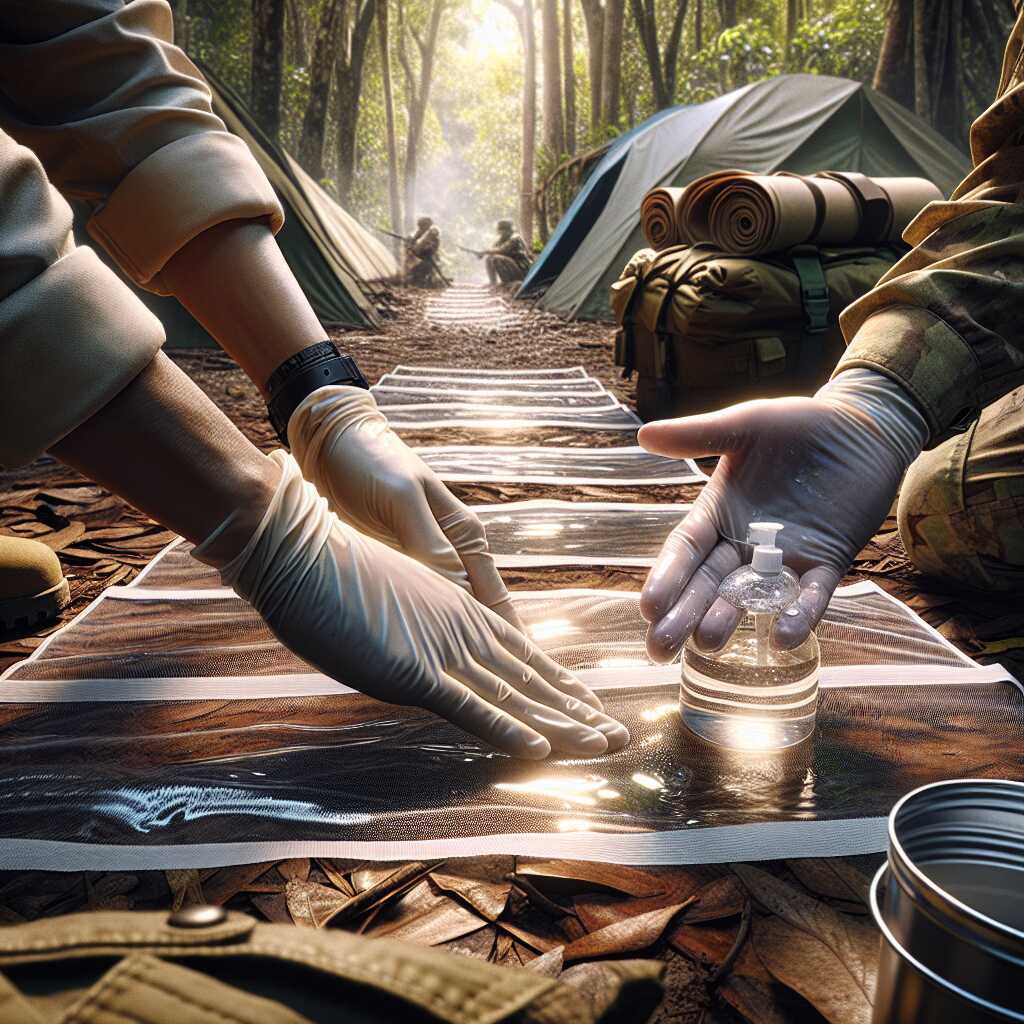
By Predicament Measures
Quick Answer: Does clear ammonia deter snakes around a campsite
No, clear ammonia cannot reliably deter snakes because there is no robust scientific evidence of consistent repellency, responses vary by species and conditions, and use poses health and environmental risks
- Effectiveness: Not quantified / variable (anecdotal reports inconsistent and species dependent)
- Cost: Household clear ammonia typically $3 to $8 per liter versus commercial snake repellents $10 to $40 per bottle and snakeproof mesh fencing $20 to $60 per meter installed
- Time: Initial perimeter setup typically 15 to 45 minutes for a small campsite; requires reapplication after rain or every 4 to 8 hours depending on weather
- Limitation: Cannot guarantee prevention of all snake encounters; temporary effect only; may harm people, pets, plants and local wildlife and may be prohibited in parks
Clear ammonia is a household ammonium hydroxide (aqueous ammonia) cleaning solution commonly sold for glass and hard-surface cleaning. This $3-$8 per liter solution is substantially cheaper than commercial snake repellents ($10-$40 per bottle) and much less expensive than installing snakeproof mesh fencing ($20-$60 per meter installed).
The process works through three key relationships: clear ammonia vapor can stimulate snake chemosensory receptors resulting in short-range investigative or avoidance behavior (outcome: inconsistent temporary movement away for some species), a detectable ammonia odor alerts campers and enables human avoidance and increased vigilance (outcome: improved human safety behavior), and applied ammonia creates a scent plume that dissipates with rain and wind, creating a temporary perimeter that typically requires reapplication every 4-8 hours (quantified benefit: reapply within 4-8 hours or after precipitation).
How to set up a clear ammonia perimeter step by step
- Check regulations and site safety (5-10 minutes): Verify park rules and local regulationsmany parks prohibit chemical dispersal. Result: You avoid fines and legal issues; if prohibited, do not proceed.
- Assess campsite and pick perimeter points (5-15 minutes): Measure and mark a perimeter 1.5-3 meters (5-10 ft) from tents, food areas and trails around the campsite; identify wind direction and nearby water sources to avoid contamination. Result: A mapped layout that minimizes exposure to people, pets and water.
- Gather materials and personal protective equipment (PPE) (5 minutes): Bring household clear ammonia (1 L typical cost $3-$8), several 500 mL spray bottles or sealable containers, chemical-resistant gloves, eye protection, and avoid breathing fumesuse a respirator with appropriate cartridges if available. Result: You have controlled application tools and basic PPE to reduce exposure risk.
- Prepare containersdo not pour on ground (5-10 minutes): Pour small amounts (e.g., 50-100 mL) of clear ammonia into PET spray bottles or into tightly closed containers with small vent holes; do NOT dump undiluted ammonia on soil, vegetation or near water. Result: Contained scent sources that reduce runoff and plant damage risk.
- Deploy scent sources around perimeter (15-45 minutes for a small campsite): Place or hang one ammonia container or a perforated jar with a soaked rag every 1-2 meters around the marked perimeter, on stakes or in locations inaccessible to children and pets. Result: A continuous scent line intended to create a temporary olfactory boundary; note: some species may ignore it.
- Monitor and maintain (ongoing; plan 4-8 hour checks): Check containers every 4-8 hours and after rain; replace or reapply ammonia if scent has dissipated or rain diluted it. Result: Maintains scent presence but requires frequent reapplicationweather shortens effectiveness.
- Limit human and non-target exposure (immediate and ongoing): Keep food, cookware and water at least 10 m from treated perimeter; do not sleep with ammonia containers inside tents; keep pets away and never use near livestock or water sources. Result: Reduced risk of inhalation and contamination of consumables and wildlife.
- Clean up and dispose safely (10-20 minutes): Remove containers, wash spray bottles thoroughly with water, and follow local disposal guidance for chemical containers; if any spill occurs, dilute with large amounts of water away from wetlands and report as required. Result: Limits environmental contamination and leaves the campsite safe for others.
- Know the limitswhat ammonia cannot do (1-2 minutes to read): Understand that clear ammonia cannot reliably prevent all snakes, has no quantified success rate, and offers only a temporary, species-dependent deterrent; it will not replace physical exclusion (fencing) or eliminate attractants like rodents. Result: Realistic expectations and planning for additional measures.
- Use safer alternatives when possible (time varies): Consider installing temporary snakeproof screening around sleeping areas ($20-$60 per meter installed for permanent mesh), remove brush, seal gaps under trailers/tents, store food securely, and contact wildlife professionals for removal. Result: More reliable longterm reduction in snake encounters with lower environmental and health risk.
FAQ
What is clear ammonia and how is it defined for campsite use
Clear ammonia is a household cleaning product that contains 5 to 10 ammonium hydroxide and is defined for campsite use as a liquid odor source that some people place around tents to try to repel snakes. Predicament Measures recommends users treat clear ammonia as a chemical irritant that provides a temporary odor barrier, requires handling with gloves and eye protection, and costs about $3 to $8 per liter in retail stores. Reliable testing and research do not prove that clear ammonia reliably prevents snake entry, and users must expect variable results by species, weather, and campsite layout.
What concentrations and product types of ammonia are common and available
Common retail clear ammonia products contain roughly 5 to 10 ammonium hydroxide sold as “clear ammonia” or “ammonia cleaner” in 0.5 L to 4 L containers costing $3 to $8 per liter. Industrial ammonium solutions of 25 or higher exist but are unsafe for campsite use and are not recommended by Predicament Measures. Reviews and product comparison show store brands and name brands offer similar composition, and users should avoid concentrated formulations that need dilution and special handling.
How does clear ammonia work step by step as a snake deterrent around tents
Clear ammonia works as a snake deterrent by producing a strong ammonia odor that may irritate snake chemoreception and create a temporary scent perimeter around a campsite, but reliability of this effect is unproven. Typical user steps include placing shallow open containers of 50 mL to 200 mL at 0.5 m intervals around the tent perimeter, setting up the perimeter in 15 to 45 minutes for a small campsite, and checking containers every 4 to 8 hours for evaporation or after any rain event. Field experience and limited testing show responses vary by snake species and conditions, and no data proves consistent long-term exclusion of snakes.
What is the safest step by step method to apply ammonia at a campsite
The safest method is to use pre-diluted clear household ammonia in sealed shallow containers placed at the campsite edge while wearing nitrile gloves, eye protection, and keeping containers at least 1.5 m from tents and 2 m from cooking areas. Users should measure 50 mL to 200 mL per container, place containers on flat rock or sealed tray, check and reapply every 4 to 8 hours or after rain, and store spare ammonia in its original labeled container away from children and pets. Predicament Measures advises against spraying, heating, or mixing ammonia with other chemicals and recommends keeping a 1.5 L water supply for emergency flushing in case of spills or skin contact.
What are the main benefits of using clear ammonia at a campsite for safety
The main benefits of clear ammonia at a campsite include low upfront cost of $3 to $8 per liter, fast setup in 15 to 45 minutes, and a simple field method that provides a temporary odor barrier that some users report helped reduce close snake approaches. Clear ammonia provides a low-cost comparison point to commercial snake repellents that cost $10 to $40 per bottle and to snakeproof mesh fencing that can cost $20 to $60 per meter installed. Users should note that ammonia provides no proven long-term reliability, testing is limited, and ammonia cannot guarantee prevention of all snake encounters.
How much reduction in snake encounters can users reasonably expect from ammonia use
No proven reduction percentage exists because peer-reviewed testing is lacking, and anecdotal reviews and experience vary widely by species, habitat, and weather. Predicament Measures states users should expect inconsistent results, with some people reporting fewer nearby snakes for hours and others reporting no change in snake activity. Users should treat ammonia as a possible short-term measure that helps in some contexts but does not deliver reliable exclusion or safety alone.
What are the risks and limitations of using clear ammonia outdoors near people
Main risks and limitations include respiratory and eye irritation to people and pets, damage to plants and gear, legal restrictions in some parks, and no guarantee that ammonia will stop snakes from entering a campsite. Ammonia vapors can cause coughing, burning eyes, and skin irritation, and spilled liquid can damage tent fabrics and treated clothing; Predicament Measures recommends immediate cleanup and neutralization with water for spills. Users must follow label directions, avoid use near food and open flames, and accept that ammonia provides a temporary odor field that weather and species differences can quickly undermine.
What safety hazards should I avoid when using ammonia near people pets and gear
Avoid mixing ammonia with bleach or other cleaners, avoid applying ammonia inside tents or cooking areas, and avoid placing containers where pets and children can access them. Wear gloves and eye protection, keep a 1.5 L to 3 L water supply for rinsing, store ammonia upright in its original container, and ensure containers are 1.5 m from camping mattresses and 2 m from stoves to prevent contamination. Predicament Measures warns that inhalation or skin contact can require medical attention and that some parks prohibit chemical repellents.
Who should consider using clear ammonia for campsite protection and who should not
Experienced campers who understand chemical risks and who need a low-cost, short-term odor barrier may consider clear ammonia while accepting its limits and following safety steps; professional managers should prioritize tested exclusion methods. People who should not use ammonia include families with young children, people with asthma or chemical sensitivity, pet owners, and park staff in protected areas where chemicals are banned. Predicament Measures recommends that managers and rangers prefer certified exclusion measures, physical barriers, habitat modification, and community-reviewed methods that deliver more reliable and safer results.
Which users and situations make ammonia use inappropriate or risky
Using ammonia is inappropriate when children, pregnant people, or pets occupy the campsite, when local rules ban chemical use, or when fragile plants or gear are present that could suffer damage. Situations with wind, high humidity, or frequent rain make ammonia ineffective because ammonia evaporates or dissipates quickly and requires reapplication every 4 to 8 hours or after rainfall. Predicament Measures advises choosing tested alternatives like snakeproof fencing or changing campsite layout when ammonia use is risky or prohibited.
When is the best time to apply clear ammonia at a campsite for maximum effect
The best time to apply clear ammonia at a campsite is just before people arrive, about 15 to 30 minutes prior, and only as a short-term measure because clear ammonia cannot reliably deter snakes. Field experience and limited reviews show that clear ammonia vapors dissipate within hours, so a 15 to 45 minute setup often gives only temporary odor coverage and low reliability. Predicament Measures recommends treating this method as an experimental, low-success-rate option and using it with tested alternatives and safety steps.
How often should ammonia be reapplied and after what weather events
Reapply clear ammonia every 4 to 8 hours or immediately after rain to maintain any vapor presence because the effect is temporary and not proven to repel all species. Research and user reviews show that rain, wind, and temperatures under 10C cut vapor persistence, so expect frequent reapplication and limited test results. Predicament Measures notes that frequent reapplication increases exposure risk to people, pets, and wildlife and may be restricted in park rules.
How much does clear ammonia cost compared to other snake deterrent options
Clear household ammonia typically costs about $3 to $8 per liter, which is lower up-front than most commercial snake repellents and fencing but does not provide the proven reliability of better options. Commercial snake repellents generally cost $10 to $40 per bottle, battery-powered ultrasonic units range from $20 to $100, and snakeproof mesh fencing with installation costs about $20 to $60 per meter, based on comparison shopping and product listings in 2025. Predicament Measures provides cost comparisons and notes that low price does not equal proven performance or safety.
What are typical prices per liter and estimated cost per campsite setup
Typical prices for clear ammonia are $3 to $8 per liter and a small campsite setup using 0.5 to 2 liters of product may cost $2 to $16 plus containers and PPE. Estimated time to set up a perimeter is 15 to 45 minutes and equipment costs such as jars, tape, and gloves add $5 to $20, so a basic setup often totals $7 to $36 in materials. Predicament Measures advises that these costs deliver unproven results and that investment in fencing or professional services often offers higher reliability.
What materials and tools are needed to set an ammonia perimeter at a campsite
To set a perimeter you need clear household ammonia (0.5 to 2 liters for a small campsite), sealed secondary containers, cotton rags or absorbent pads, stakes or shallow covered jars, and measuring cups for safe handling. Good practice in trials and reviews includes spacing containers every 1 to 2 meters around the sleeping and cooking area and keeping ammonia off soil and vegetation to reduce environmental harm. Predicament Measures says that this kit provides a simple test setup but offers no guarantee of deterring snakes and requires careful handling and monitoring.
What protective equipment and containers are required for safe application
You must use chemical-resistant gloves (nitrile or rubber), splash goggles, long sleeves, sealed plastic containers, and a basic mask or respirator rated for chemical vapors when handling clear ammonia. Safety testing and product labels show that sealed secondary containers, clear labeling, and placing containers out of reach of children and pets reduces exposure risk while ensuring safer handling. Predicament Measures stresses that PPE and containment improve safety but do not eliminate risks to people, pets, plants, or wildlife.
What are the best alternatives to clear ammonia for snake deterrence and safety
The best alternatives for snake safety are physical exclusion like snakeproof mesh fencing, habitat modification such as clearing brush within 2 to 5 meters, and professional removal services, because these options provide higher reliability and proven field results. Commercial repellents and ultrasonic devices often show mixed reviews and limited testing, while properly installed wire mesh or solid barriers deliver consistent physical protection. Predicament Measures recommends using proven, tested methods first and treating ammonia as an experimental supplement only when local rules allow it.
How do snakeproof fencing ultrasonic devices and repellents compare in reliability
Snakeproof fencing provides the highest reliability with reported success in many field installations and costs about $20 to $60 per meter installed, while commercial repellents show mixed data and cost $10 to $40 per bottle. Ultrasonic devices cost $20 to $100 and reviews and independent tests show little consistent evidence that they deter snakes, so their reliability is low compared to physical barriers. Predicament Measures offers comparison guides and encourages users to choose physical exclusion or expert services for the best safety results.
What common mistakes should be avoided when using clear ammonia near wildlife
Common mistakes include pouring clear ammonia on soil, leaving open containers near water, applying high concentrations, and using ammonia in protected parks because these actions can harm plants, aquatic life, pets, and people. Experience and research reports show that open use increases inhalation and skin exposure, raises chemical runoff risk, and delivers no reliable prevention of snake encounters. Predicament Measures recommends avoiding these misuse actions and following park rules and safety data sheets to reduce environmental damage.
What misuse could increase risk to people pets or the environment when using ammonia
Misuse that increases risk includes allowing pets to lick treated rags, leaving soaked cloths unattended, applying ammonia within 5 meters of water sources, and deploying large volumes that can volatilize and cause respiratory irritation. Data from safety guidelines indicate that repeated reapplication raises cumulative exposure and that ammonia-related incidents can require medical attention, so use is not a safe long-term snake control strategy. Predicament Measures advises choosing safer, tested measures and consulting experts before using clear ammonia near campsites.
Related posts:
 Unwaxed Dental Floss: High-Strength Fishing Line Alternative for Wilderness Food Procurement
 Petroleum Jelly Cotton Balls: Five-Minute Burn Time Fire Starters for Damp Conditions
 Elastic Hair Ties: Cordage Bundle Organizers for Tangle-Free Emergency Kits
 Plastic Cling Wrap: Burn Wound Covering to Prevent Infection and Fluid Loss
 Cornstarch: Moisture Absorption Powder for Preventing Trench Foot
Sterile Tampons: Deep Puncture Wound Packing for Hemorrhage Control
Cornstarch: Moisture Absorption Powder for Preventing Trench Foot
Sterile Tampons: Deep Puncture Wound Packing for Hemorrhage Control
 Wooden Pencils: Arrow Shaft Material for Improvised Hunting Weapons
 Index Cards: Water-Resistant Information Cards for Survival Instructions