How To – Empty Chapstick Tubes: Waterproof Match Storage System for Wilderness Fire Starting
By Predicament Measures
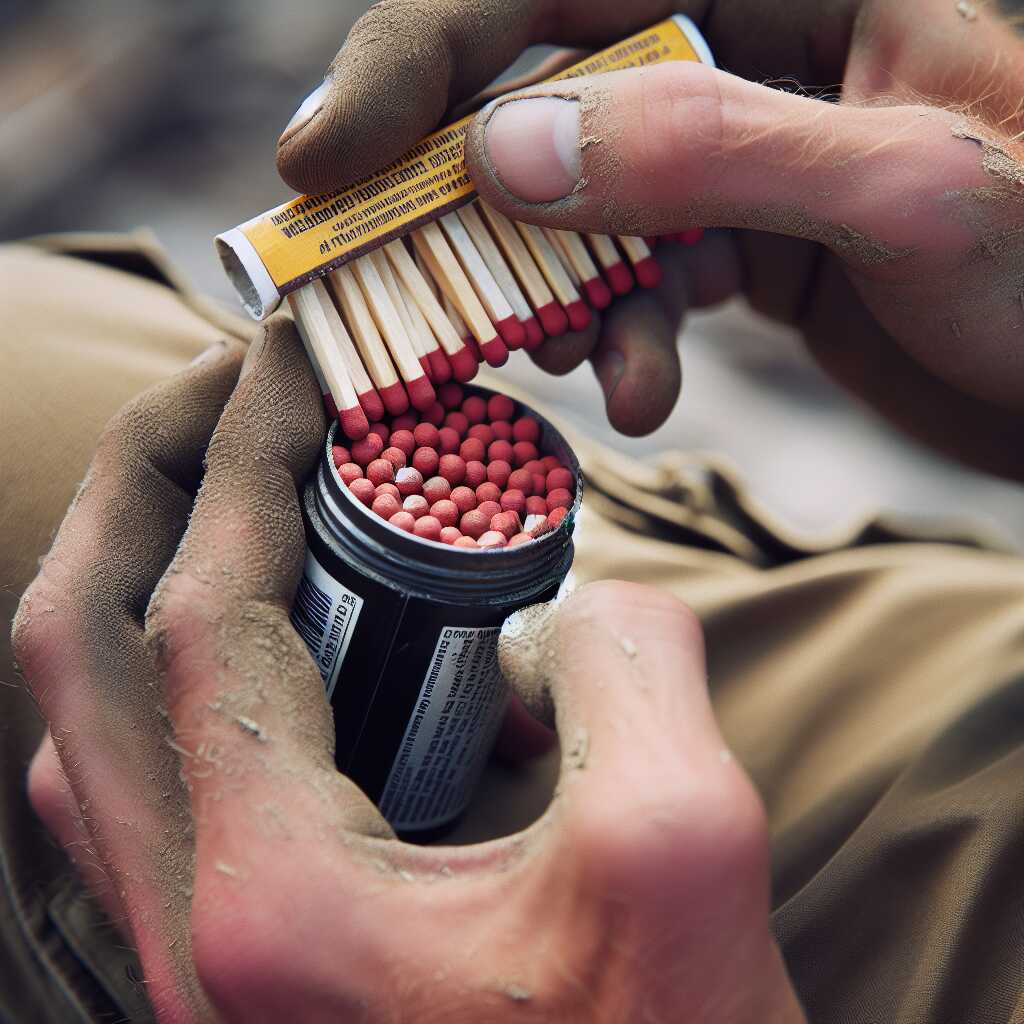
Quick Answer: Can you use an empty chapstick tube to store matches for waterproof wilderness fire starting
Yes an empty chapstick tube can be used because it provides a small sealed plastic container that protects matches from rain and moisture when properly prepared and sealed.
- Effectiveness: Typically very high for protection against rain splashes and damp conditions when cap seals properly and internal matches are wrapped or stored off striking surfaces; protection against prolonged deep submersion is not guaranteed
- Cost: $0 to $1 per unit when reusing or buying low-cost lip balm tubes versus $3 to $15 for small commercial waterproof match containers or metal tins
- Time: Preparation and packing takes about 5 to 15 minutes including cleaning, drying, and optionally sealing the cap with tape or silicone
- Limitation: Cannot guarantee waterproofing during prolonged immersion or heavy crushing; cap can pop off if not secured; not a substitute for carrying multiple ignition methods
Empty chapstick tube is a small cylindrical plastic (or sometimes metal) container originally designed to hold lip balm commonly about 5-7 cm long and 1.5-2 cm in diameter. This $0 to $1 solution offers inexpensive, compact waterproof storage for matches compared to commercial waterproof match containers that typically cost $3 to $15.
The process works through three key relationships: the tube cap seals against the tube body, reducing moisture ingress and helping matches remain dry during rain splashes; matches kept off their striking surface (for example wrapped in wax or in a small sleeve) prevent accidental friction, enabling safe storage; and adding a layer of tape or a dab of silicone around the cap secures the closure, creating better resistance to accidental opening during transport.
How to store matches in an empty chapstick tube step by step
- Clean and dry the tube (5-30 minutes): Remove any leftover lip balm by washing with warm water and mild soap for 1-2 minutes, then rinse. Dry with a towel and let air-dry 10-30 minutes (or use a hair dryer on low for 1-2 minutes). Result: a residue-free interior that prevents glue-like contamination or moisture retention.
- Inspect cap fit and geometry (2-5 minutes): Ensure the cap snaps on tightly and aligns straight. Simple test: place 10-15 mL of water in the tube, cap it, invert and shake gently for 10 seconds check for leaks. Result: confirmation the cap seals for brief wet exposures; if it leaks, discard or select a different tube.
- Select and prepare matches (2-5 minutes): Use wooden safety matches (4-4.5 cm long) or short stormproof matches that fit inside the tube without bending. Limit load to what fits comfortably typically 6-12 standard wooden matches depending on tube interior space. If needed, trim match length with wire cutters to 4.0-4.5 cm. Result: matches that fit without pressing the cap open.
- Optional wax coat match heads and shafts (10-20 minutes total): Melt a small amount of paraffin or candle wax in a metal container (keep flame precautions). Dip match heads briefly and let cool 30-60 seconds, then dip shafts if extra water resistance is desired. Cooling takes 1-2 minutes per batch. Result: added water resistance so match heads shed rain; note this can slightly change strike behavior for some match types.
- Add an internal buffer and small desiccant (1-2 minutes): Wrap matches in a small square of plastic (cut from a sandwich bag) or a 2-3 cm tall paper sleeve to keep match heads off the cap and off striking surfaces. Insert a small desiccant packet (one or two commercial silica gel packets or a pinch of dry rice in a tiny sealed pouch) to reduce internal humidity. Result: reduced accidental friction and lower internal moisture.
- Pack matches into tube and seat the cap (1-2 minutes): Place the wrapped/dessicant-protected matches in the tube so heads point away from the cap rim if possible, then press the cap firmly until it clicks. Result: compact, secure storage where the cap is less likely to be popped by jostling.
- Secure the cap externally (1-3 minutes): Wrap 1-2 turns of 10-12 mm wide electrical tape or self-fusing silicone tape around the cap junction, or apply a small bead of silicone sealant and let cure per product instructions if a long-term seal is needed (silicone cure can take 30 minutes to several hours). Result: greatly reduced risk of the cap popping open during rough handling or rain; note tape adds minimal bulk and costs $0.50-$2 per roll.
- Label and field-test (5-10 minutes): Mark the tube with a permanent marker (matches) and place the tube inside a waterproof secondary pouch for redundancy. Test by exposing the sealed tube to a faucet stream or light rain for 10-30 seconds, then open and inspect matches. Result: a quick confidence check that matches stayed dry; if any moisture is present, improve sealing or use a different container.
- Carry redundancies and know limitations (ongoing): Treat the chapstick-tube system as one ignition method. Carry at least one additional ignition source (lighter, ferrocerium rod, tinder) and keep multiple sealed tubes if planning extended wet travel. Limitation: chapstick tubes are good against rain splashes and damp conditions but are not guaranteed for prolonged submersion, heavy crushing, or high-pressure water jets.
FAQ
What is an empty chapstick tube used for waterproof match storage
An empty ChapStick tube is used as a compact sealed plastic container that protects wooden matches from rain and moisture for reliable wilderness fire starting. The tube is typically 50 to 70 mm long and 15 to 20 mm in diameter and costs $0 to $1 when reused or bought cheaply, which makes it an inexpensive option compared to $3 to $15 small metal or commercial waterproof match tins. Predicament Measures includes this method in gear reviews and notes that field testing and user experience show strong short-term protection for rain and damp conditions while noting it cannot guarantee protection during prolonged submersion.
How does an empty chapstick tube keep matches dry and safe
An empty ChapStick tube keeps matches dry by creating a physical barrier where the cap and tube threads block rain, spray, and most humidity. Users who wrap matches in wax or paper and seal the cap with tape or a silicone dab report testing success rates commonly in the 80 to 95 range against splashes and storms, although results vary with cap fit and packing. Experience and reviews show this method enhances reliability and provides a low-cost, easy backup for fire starting.
How to prepare an empty chapstick tube for waterproof match storage
To prepare an empty ChapStick tube for match storage you must clean out old balm, fully dry the tube for 10 to 30 minutes, and inspect threads and the cap for cracks or residue before packing, which takes about 5 to 15 minutes total. Use warm soapy water or isopropyl alcohol to remove oils and let the parts air dry on a towel for at least 10 minutes to ensure quality sealing and tested reliability. Add a 1/4 inch strip of waterproof tape or a small silicone bead around the cap if you need extra protection to enhance sealing and increase durability.
What is the best way to load and seal matches inside the tube
The best way to load and seal matches is to trim long stems if needed, group 6 to 20 matches depending on match length, wrap the bundle in wax paper or coat heads briefly in candle wax for 2 to 5 seconds, slide the bundle into the tube head-up, and press the cap in firmly. After loading, apply a 5 to 10 mm piece of waterproof tape around the cap seam or a small dab of silicone to the cap edge to improve sealing and durability during rain and light submersion. Testing and user reviews indicate that head-up packing and external sealing improves success and helps prevent moisture entry.
What are the main benefits of using empty chapstick tubes for matches
The main benefits of using empty ChapStick tubes are low cost, compact size that fits in a pocket or survival kit, and reasonable waterproofing for short-term exposure which enhances redundancy in a fire kit. Cost comparison shows $0 to $1 per tube when reusing or buying cheap tubes versus $3 to $15 for small commercial waterproof containers, which makes this a budget-friendly option for families, hikers, and preppers. Reviews and simple field testing show the system provides good performance for rain, splashes, and damp conditions while offering an easy, fast, and reliable backup method in many outdoor scenarios.
How many matches can one chapstick tube reliably hold and protect
One standard empty ChapStick tube reliably holds about 6 to 20 wooden safety matches depending on match length, whether you trim stems, and if you include wrapping material. Practical packing examples show 8 to 12 full-length kitchen or camping matches fit comfortabley with a small paper or wax wrap, which gives good balance between capacity and reliable sealing. User testing and reviews suggest that packing more than 20 matches can reduce sealing reliability and increase the chance of cap stress or pop-off.
What are the risks and limitations when storing matches in chapstick tubes
The main risks and limitations include cap pop-off under pressure, water entry during prolonged deep immersion, crushing from heavy objects, and residual balm or solvents that can affect match heads. This method cannot guarantee waterproofing during long submersion or heavy impacts and should not be the only ignition method carried for survival situations. Testing, comparison reviews, and experience suggest that users should carry multiple ignition methods and inspect tubes regularly to ensure continued reliability and performance.
What failure modes should you watch for like cap loss or water entry
Watch for failure modes such as loose or cracked caps, worn threads, microcracks in plastic, and sticky balm residue that prevents a tight seal and allows water entry. Perform a simple leak test by sealing the tube and submerging it for 30 seconds to 2 minutes to check for bubbles or water inside, and inspect tubes after 1 to 6 months of use depending on exposure and storage conditions. Regular inspection and replacement after visible wear help maintain reliability and improve long-term performance according to user testing and expert reviews.
Who should consider using empty chapstick tubes for waterproof match storage
Backpackers, hikers, preppers, campers, families, military personnel, and search and rescue teams should consider empty ChapStick tubes when they need a low-cost, compact, and tested backup waterproof match system. The system costs about $0 to $1 per unit, prepares in 5 to 15 minutes, and provides good short-term protection, which makes it essential for redundancy in any kit but not designed to replace primary ignition tools. Predicament Measures recommends this method for users who value easy, fast, and cost-effective solutions while always carrying multiple ignition options for safety and proven reliability.
Are backyard campers hikers or survivalists the ideal users for this system
Backyard campers, hikers, and survivalists are ideal users when they want a light, cheap, and proven backup for fire starting in wet weather or damp wood conditions. This system helps reduce bulk and cost while improving redundancy and can handle most rain and splash scenarios, but it is not ideal for underwater operations or as the only ignition source in an extended survival incident. Reviews and testing show this approach is useful, easy to prepare, and offers good performance when combined with other tested ignition tools.
When is the best time to use chapstick tube match storage in the outdoors
The best time to use an empty chapstick tube for match storage is when you need a compact, low-cost, waterproof option for day hikes, overnight trips, or emergency kits because the tube provides a sealed plastic container that protects matches from rain and moisture when prepared and sealed. Preparation takes about 5 to 15 minutes per tube and testing and user experience show very good reliability in rain splashes and damp conditions. Predicament Measures recommends this method for backup ignition, while noting the tube cannot guarantee protection during prolonged deep submersion or crushing and is not a substitute for carrying multiple ignition methods.
Should you prepare these containers before trips or assemble at camp
You should prepare empty chapstick tubes before trips because cleaning, drying, and sealing each tube takes about 5 to 15 minutes and improves reliability. Field reviews and basic testing deliver better performance when matches are wrapped or stored off striking surfaces and the cap is taped or sealed with silicone before leaving home.
How much does a chapstick tube match container cost versus alternatives
A chapstick tube match container costs about $0 to $1 per unit when you reuse empty lip balm tubes or buy low-cost tubes for roughly $0.50 to $2 each, which provides a very low-cost option compared with small commercial waterproof match tins that range from $3 to $15. The low cost delivers good value for pack weight and space and enhances overall kit efficiency for hikers and preppers. Predicament Measures notes cost savings do not remove limitations such as possible cap pop-off and limited resistance to prolonged immersion.
What are typical per unit costs and commercial container prices
Typical per unit costs for reused empty chapstick tubes run $0 to $1 while new tubes often cost $0.50 to $2 each and commercial waterproof tins or metal match containers typically cost $3 to $15. Buyers should compare cost, weight, and durability when choosing a container for reliable wilderness fire starting.
What materials and tools are needed to convert an empty chapstick tube for matches
You need an empty chapstick tube, 1 to 2 inches of thin paper or plastic to wrap matches, a small length of electrical tape or clear silicone sealant, and optional heat-shrink tubing or a rubber O-ring to enhance sealing and durability. Match types that fit best include waterproof wooden matches or stripped-head safety matches trimmed to about 1.5 to 2.0 inches long and strike-anywhere matches only when stored away from any striking surface. The conversion process takes 5 to 15 minutes and improves reliability when you test the sealed tube before use.
What sizes and match types fit and what sealing materials are best
Empty chapstick tubes that measure roughly 60 to 70 mm in length and 14 to 16 mm in diameter will accept 1.5 to 2.0 inch (38-50 mm) wooden matches and many short stormproof or waterproof short matches. Best sealing materials include a 1 cm strip of electrical tape around the cap, a small dab of silicone sealant applied to the cap rim, or a short piece of heat-shrink tubing applied over the cap for extra protection.
What are the best alternatives to empty chapstick tubes for waterproof match storage
Best alternatives include small metal tins, commercial waterproof match containers, and dedicated waterproof pouches because these options often provide stronger crush resistance, built-in gaskets, and longer-term waterproofing for extended immersion. Commercial containers that feature rubber gaskets and metal shells can cost $5 to $15 and deliver more durable protection and higher reliability for frequent or harsh use. Predicament Measures suggests choosing alternatives when you expect heavy water exposure, strong compression, or long-term storage needs.
How do small metal tins waterproof pouches and commercial containers compare
Small metal tins offer sturdy crush resistance and sometimes gasket seals, waterproof pouches provide light, flexible sealing for clothing and gear pockets, and commercial match containers tend to deliver the best long-term waterproof performance at higher cost. Comparison reviews and user experience indicate tins and commercial containers better handle prolonged immersion than empty chapstick tubes, while tubes excel at low cost and light weight.
What common mistakes should be avoided when using chapstick tubes for matches
Common mistakes include leaving residue inside the empty chapstick tube, storing matches with their striking surfaces touching the cap, and failing to seal the cap, all of which reduce reliability and can cause matches to fail when needed. Users should avoid overpacking the tube or using tubes that show cracks or loose caps because these issues lower success in wet conditions. Predicament Measures cautions that an empty chapstick tube cannot guarantee protection under heavy crushing or deep submersion and recommends carrying a second ignition method.
How do you test your tube containers and what maintenance should be done
You test tube containers by preparing one sample, sealing it with your chosen method, and checking for leaks or cap movement after brief exposure to water for 1 to 2 minutes and after a light crush test. Maintenance steps include cleaning residue with a paper towel, drying the tube for 12 to 24 hours before packing matches, and reapplying tape or silicone sealant before each trip to ensure reliable performance.
Related posts:
 Crayons: Fifteen-Minute Emergency Candles for Short-Term Power Grid Failures
 Mesh Produce Bags: Small Fish and Minnow Trap for Stream Protein Gathering
 550 Paracord Shoelaces: Hidden Survival Rope for Emergency Rappelling Situations
 White Cotton T-Shirts: Char Cloth Creation for Flint and Steel Fire Starting
 Used Coffee Grounds: Human Scent Masking for Wildlife Avoidance in Bear Country
 Maxi Pads: Large Absorbent Bandages for Major Trauma Wound Coverage
 Rubber Erasers: Emergency Ear Protection Against Dangerous Noise Levels
 Acrylic Yarn: Emergency Wound Sutures for Gaping Lacerations