How To – Latex Balloons: Lightweight Water Transport for Children’s Emergency Packs
By Predicament Measures
Quick Answer: Can latex balloons be used to transport water in children’s emergency packs
Yes, a latex balloon can be used to carry small volumes of water because it is ultra-lightweight and very low cost, but it is fragile, short term, and needs protective packing to reduce puncture risk
- Effectiveness: Estimated suitable for short distance low abrasion transport of small volumes (about 200-500 ml per balloon); success depends on cushioning and handling and can vary widely (roughly estimated 50-80 intact short-trip survival when properly protected)
- Cost: Approximately $0.10 to $0.50 per single latex balloon compared with $0.50 to $2.00 per single-use water pouch or $10 to $30 for a reusable collapsible bottle
- Time: Filling and tying a single balloon takes about 1 to 3 minutes; add 5 to 15 minutes to double-bag and cushion multiple balloons for a pack
- Limitation: Cannot resist puncture or sharp objects, cannot safely hold boiling water, not suitable for long-term repeated reuse without replacement, provides no rigid structure or measured dispensing
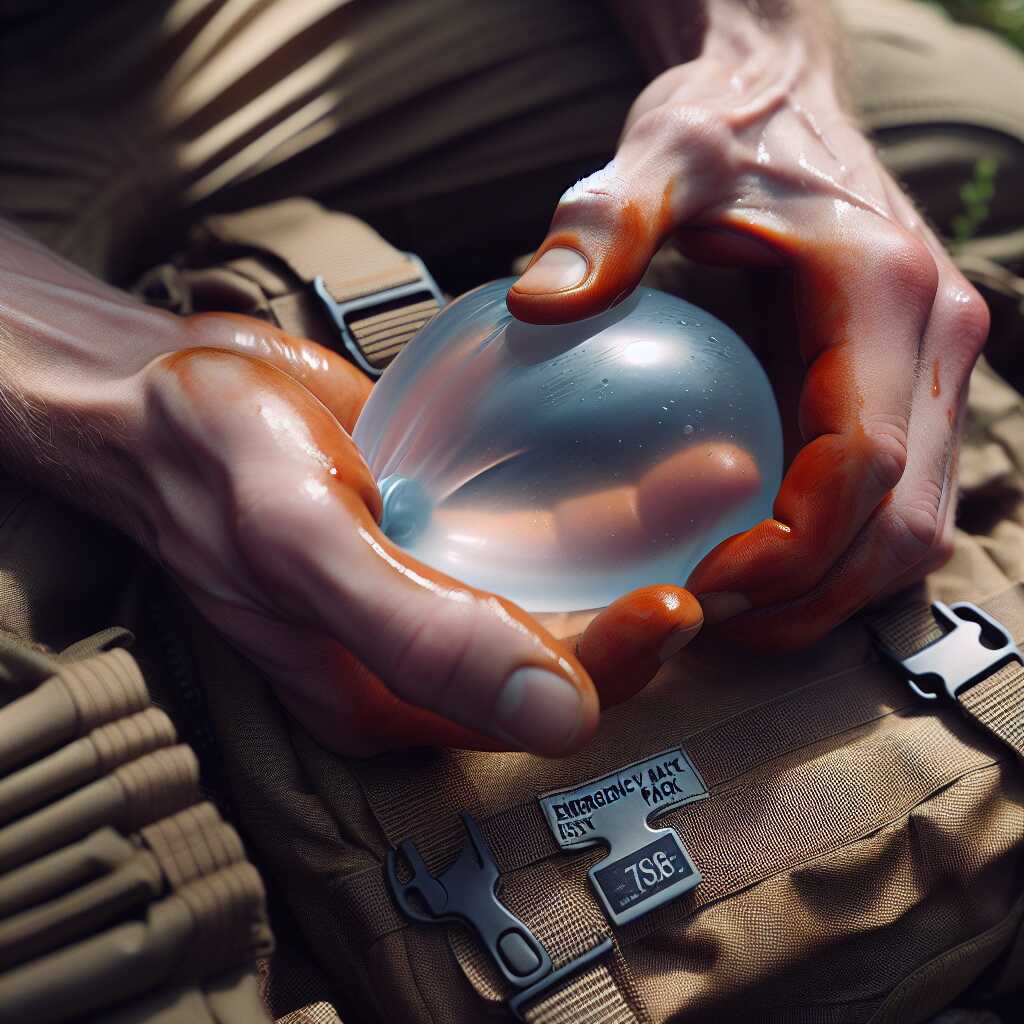
latex balloon is a thin elastic membrane typically made of natural rubber latex used for holding air or liquid temporarily; as a container it can carry small volumes of water. This $0.10-$0.50 solution is ultra-lightweight and very low cost compared to single-use water pouches at $0.50-$2.00 each or reusable collapsible bottles at $10-$30.
The process works through three key relationships: latex balloon contains water resulting in a small portable reservoir of about 200-500 ml, double-bagging reduces puncture risk enabling short-distance transport inside a pack, and protective padding absorbs abrasion and impact creating an estimated 50-80 short-trip intact survival rate when properly packed.
How to pack latex balloons for water safely step by step
- Select balloon and measure volume (2 minutes): Choose food-grade natural latex balloons rated for liquid use, sized to hold about 200-500 ml. Instruction: pick thicker-walled party balloons or water-balloon types and test fill to 250 ml to check stretch and neck length. Result: a balloon that comfortably holds a target volume without overextension.
- Fill and tie the balloon (1-3 minutes): Use a clean funnel or squeeze bottle to pour measured water (e.g., 250 ml) into the balloon, leave 1-2 cm of neck for tying, and use a secure double knot. Instruction: fill slowly to avoid air pockets; wetting the neck can help knotting. Result: a sealed water balloon ready for packing with a known volume (200-500 ml).
- Double-bag and seal (5-10 minutes per set): Place the tied balloon inside a food-grade zip-top bag, expel excess air and seal, then place that bag inside a second zip-top bag or lightweight waterproof pouch. Instruction: use two independent seals and consider heat-sealing a polyethylene bag for extra security. Result: two layers of containment that reduce leak risk if the balloon punctures.
- Add cushioning and abrasion protection (5-15 minutes for multiple balloons): Wrap the double-bagged balloon in soft padding closed-cell foam, a folded microfiber cloth, or bubble wrap and place inside a small rigid or semi-rigid sleeve (e.g., thin plastic bottle sleeve or small tackle box). Instruction: avoid hard edges and keep padding thickness at least 5-10 mm around the balloon. Result: reduced puncture and abrasion exposure; short-trip survival estimates improve toward the 50-80 range when combined with careful placement.
- Pack placement and labeling (1-2 minutes): Store the protected balloon in the center of the childs emergency pack, surrounded by soft items (clothes, diapers), away from scissors, pens, or sharp gear. Instruction: label the bag with volume and date; mark water fragile. Result: minimized contact with sharp objects and clearer handling by caregivers.
- Use, dispense, and replace (30 seconds to 2 minutes): To pour, snip a tiny corner of the outer bag or untie and pinch the balloon neck for a controlled pour into a cup; do not pour boiling water. Instruction: transfer water to a cup or bottle for child use; discard and replace balloons after any puncture or after one use. Result: safe single-use dispensing and reduction of cross-contamination risk.
- Routine inspection and timeout policy (30 seconds per check): Inspect balloons before each trip for thin spots, discoloration, or tackiness; replace any balloon older than a few months or after exposure to heat. Instruction: never store filled balloons long-term; plan to refresh supplies after 24 hours of use or after any suspected damage. Result: reduced failure risk and clearer maintenance schedule.
FAQ
Can latex balloons be used to transport water in children’s emergency packs?
Yes, a latex balloon can be used to carry small volumes of water because it is ultra-lightweight and very low cost, but it is fragile, short term, and needs protective packing to reduce puncture risk. A single balloon can hold about 200-500 ml of water and costs about $0.10 to $0.50 each compared with $0.50-$2.00 for a single-use water pouch or $10-$30 for a reusable collapsible bottle. Parents should expect filling and tying to take about 1-3 minutes per balloon and should plan protective packing that adds about 5-15 minutes for multiple balloons to improve reliability and handling.
How much water can one latex balloon safely hold?
A common latex balloon can safely hold roughly 200-500 ml of water depending on size and stretch, which equals about 200-500 grams of weight that the balloon must carry. The balloon cannot hold boiling water and cannot resist sharp objects or rough abrasion, so users must avoid hot liquids and contact with zippers, buckles, or sharp sticks.
What are the main risks and limitations of using latex balloons for water transport?
The main risks include puncture, abrasion, burst from overfilling, and lack of a rigid shape that prevents measured dispensing and secure sealing. Real-world short-trip survival when properly protected ranges roughly 50-80 intact based on cushioning and handling, and failure rates rise with heavy packs or rough use. Balloons cannot replace durable bottles, cannot be relied on for long-term repeated reuse, and cannot guarantee sterile dispensing without extra closures or containers.
What factors most affect balloon reliability and success rates?
Reliability depends on cushioning, double-bagging, pack layout, and user handling, and testing in realistic pack use helps estimate usable life and survival rates. Reviews and simple field tests help users compare results and improve packing methods to raise short-trip success toward the higher end of the 50-80 range.
How should parents pack latex balloons to reduce puncture risk?
Parents should double-bag balloons, add soft cushioning, and place balloons inside a rigid outer container to reduce puncture risk and improve survival for short trips. Use about 5-15 minutes to prepare and pack several balloons with foam, cloth, or bubble-wrap layers that absorb abrasion and prevent zipper contact. Packing cannot prevent every puncture, so supplies must include replacement balloons and an alternate water container for essential needs.
What protective materials and packing systems work best?
Good protective materials include closed-cell foam strips, bubble wrap, a small rigid plastic bottle as an outer shell, and a sealed zip-top bag for double-bagging; these items cost roughly $0.50-$5.00 for basic protection per packed set. Testing packing combinations in the field and reading reviews helps find a simple system that provides better abrasion resistance and enhances the chance a balloon stays intact during the planned trip.
How to fill and tie balloons safely for water storage?
Fill balloons with clean potable water and leave a 10-20 air gap to reduce pressure and bursting when carried; filling and tying a single balloon takes about 1-3 minutes with practice. Use a clean spout or funnel, tie with at least two secure knots or a small clamp, and place the balloon into a sealed plastic bag and cushioned sleeve to improve reliability and prevent leaks. Filling cannot sterilize water or provide measured dosing, so use treated or filtered water and test each balloon for leaks before packing.
How long does preparation take and what are expected results?
Expect 1-3 minutes per balloon for filling and tying and an added 5-15 minutes to double-bag and cushion several balloons for a pack; a small kit of 2-4 balloons will require about 10-30 minutes total to prepare. Field testing and routine review of results in practice runs helps users learn the best methods and improves confidence in short-term use, but replacement after single use is often the safest policy.
When should designers or relief workers choose balloons over other water options?
Designers or relief workers should choose latex balloons when cost, ultra-lightweight carry weight, and temporary short-distance needs dominate selection, such as low-cost emergency top-ups or a short hike where a few 200-500 ml increments help a child. Balloons cost about $0.10-$0.50 each and help design ultra-light kits, but they do not offer measured dispensing, durable reuse, or puncture resistance that collapsible bottles or pouches provide. As of 2025, teams should use balloons only after testing, include alternatives in kits, and treat balloons as a conditional, short-term option rather than a primary water container.
What are safer alternatives and how do they compare on cost and durability?
Safer alternatives include single-use water pouches at $0.50-$2.00 each, small collapsible bottles at $10-$30 per item, and durable plastic or metal bottles that provide measured pouring and high durability; these alternatives offer higher reliability and proven reuse compared with latex balloons. Predicament Measures provides guidance and comparison advice so parents, educators, and relief workers can test options, review results, and choose the best mix of light weight, cost, and durability for their kits.
Can latex balloons be used to carry water in children’s emergency packs?
Yes, a latex balloon can be used to carry small volumes of water in children’s emergency packs because it is ultra-lightweight and very low cost, but it is fragile, short term, and needs protective packing to reduce puncture risk. A single latex balloon can hold about 200-500 ml of water and costs roughly $0.10 to $0.50 each, making it useful for short distance low abrasion transport when padded and handled gently. Predicament Measures recommends using balloons only as temporary carriers with clear plans for replacement and protective wrapping because they offer no rigid structure or measured dispensing and cannot resist sharp objects.
Is using a latex balloon safe for children in emergency kits?
Using a latex balloon can be safe when adults control filling, packing, and handling and when supplies account for latex allergy and puncture risk. Expect short-trip intact survival roughly in the 50-80 range when balloons are double-bagged and cushioned, and do not use balloons to hold boiling water or for long-term storage. Keep balloons out of reach of young children when unpacked and label packs so caregivers know balloons are fragile and not a toy.
How much water can a latex balloon hold for short trips?
A typical latex balloon will reliably contain about 200-500 ml (200-500 grams) of water for short trips when filled and tied properly. At 200-500 ml per balloon, two to five balloons will supply about 1 liter of water, depending on balloon size and filling technique. The latex balloon provides light weight and compact volume but gives no measured dispensing, so expect variable flow and plan for safe pouring or transfer into a cup.
How many balloons would a child need for short-term hydration?
To meet a short-term goal of 0.5-1.0 liter for a child, use between one and five balloons because each balloon holds about 200-500 ml. For 1.0 liter carry two to five balloons depending on fill size and redundancy needs, and include at least one extra balloon per child for backup because punctures can occur. Factor in packing time and replacement supply in your emergency plan.
What are the costs and time needed to prepare water in latex balloons?
Preparing water in latex balloons costs about $0.10 to $0.50 per balloon and takes about 1 to 3 minutes to fill and tie each balloon, with an added 5 to 15 minutes to double-bag and cushion multiple balloons for pack readiness. Compared with $0.50 to $2.00 per single-use water pouch or $10 to $30 for a reusable collapsible bottle, latex balloons are low cost but lower durability and reliability. Planning and testing for transport efficiency will help designers and pack managers balance cost savings against puncture risk and replacement needs.
What packing steps add the most protection and take the least time?
Double-bagging a filled latex balloon inside a small plastic pouch and then surrounding it with 1-2 cm of foam or soft clothing will add major protection and typically takes 2-5 minutes per balloon. Placing the padded balloon inside a small, semi-rigid sleeve or a padded compartment reduces abrasion and helps reach the 50-80 short-trip survival rate noted with careful handling. Use simple materials and label packs so caretakers understand the extra steps that enhance reliability and safety.
What are the main limitations and risks of using latex balloons for water transport?
Latex balloons cannot resist puncture or sharp objects, cannot safely hold boiling water, are not suitable for long-term repeated reuse without replacement, and provide no rigid structure or measured dispensing. Balloons may degrade with sunlight, heat, or age and can trigger latex allergy in some children and caregivers, so include non-latex options in your kit where allergy is a concern. Expect replacement needs after one use or after minor handling stress and plan for safe transfer methods to avoid spills.
When should you not use latex balloons in an emergency pack?
Do not use latex balloons when you expect rough terrain, high abrasion, long-term storage, the need to hold hot liquids, or when any child or caregiver has a known latex allergy. Avoid relying on balloons as the only water source for multi-day events because they lack durable protection and consistent dispensing. Choose more durable containers for repeated use, measured distribution, or situations with sharp objects.
How to test and compare latex balloons to other lightweight water containers?
You can test latex balloons in simple field trials focused on leak rate, puncture survival, and handling time using metrics that parents and educators can record in 15-60 minute sessions. Measure fill time per balloon (1-3 minutes), packed time per multiple balloons (5-15 minutes), and short-trip intact survival using a small sample size of 10-20 runs to estimate success in the 50-80 range; compare those results to pouch and bottle alternatives by tracking cost per successful trip. Use repeatable steps, record results, and include user reviews to guide design choices and to provide reliable, practical data for 2025 kit updates.
Step-by-step experiment parents and educators can run safely
Fill 10 latex balloons with 300 ml of room-temperature water, tie each, double-bag each in a small plastic pouch, and cushion them with 1-2 cm of foam or soft clothing before placing them in a child-sized pack; record how many arrive intact after a 100-200 meter walk and light handling. Time filling and packing steps, note any leaks, and compare cost and time with a similar run using single-use pouches or a collapsible bottle to produce a clear comparison and review. Use gloves for handling if latex allergy is a concern and discard balloons after testing to ensure safety and hygiene.
Related posts:
 Unwaxed Dental Floss: High-Strength Fishing Line Alternative for Wilderness Food Procurement
 Petroleum Jelly Cotton Balls: Five-Minute Burn Time Fire Starters for Damp Conditions
 Elastic Hair Ties: Cordage Bundle Organizers for Tangle-Free Emergency Kits
 Plastic Cling Wrap: Burn Wound Covering to Prevent Infection and Fluid Loss
 Cornstarch: Moisture Absorption Powder for Preventing Trench Foot
Sterile Tampons: Deep Puncture Wound Packing for Hemorrhage Control
Cornstarch: Moisture Absorption Powder for Preventing Trench Foot
Sterile Tampons: Deep Puncture Wound Packing for Hemorrhage Control
 Rubber Erasers: Emergency Ear Protection Against Dangerous Noise Levels
Acrylic Yarn: Emergency Wound Sutures for Gaping Lacerations
Rubber Erasers: Emergency Ear Protection Against Dangerous Noise Levels
Acrylic Yarn: Emergency Wound Sutures for Gaping Lacerations