How To – Unscented Baby Wipes: Water-Free Hygiene Solution During Drought Conditions
By Predicament Measures
Quick Answer: Can unscented baby wipes provide effective water free hygiene during drought conditions
Yes, unscented baby wipes can provide basic water free hygiene because they physically remove visible soil and reduce surface microbes, but they are not as effective as soap and running water or alcohol based sanitizers for complete hand decontamination
- Effectiveness: Approximate 60 to 90 percent reduction in surface dirt and some microbes depending on product formulation and technique; generally less effective than 20 to 50 percent compared with handwashing with soap and water for pathogen removal
- Cost: Typical retail cost about $0.03 to $0.10 per wipe (bulk packs lower); soap and water cost per handwash is usually under $0.01 for water and soap alone but requires available clean water
- Time: Using a wipe for a single cleaning episode typically takes 30 to 90 seconds including wiping and disposal
- Limitation: Cannot sterilize or replace clinical hand hygiene; not reliable for heavy fecal contamination or surgical/medical needs; dependently effective on wipe formulation and technique
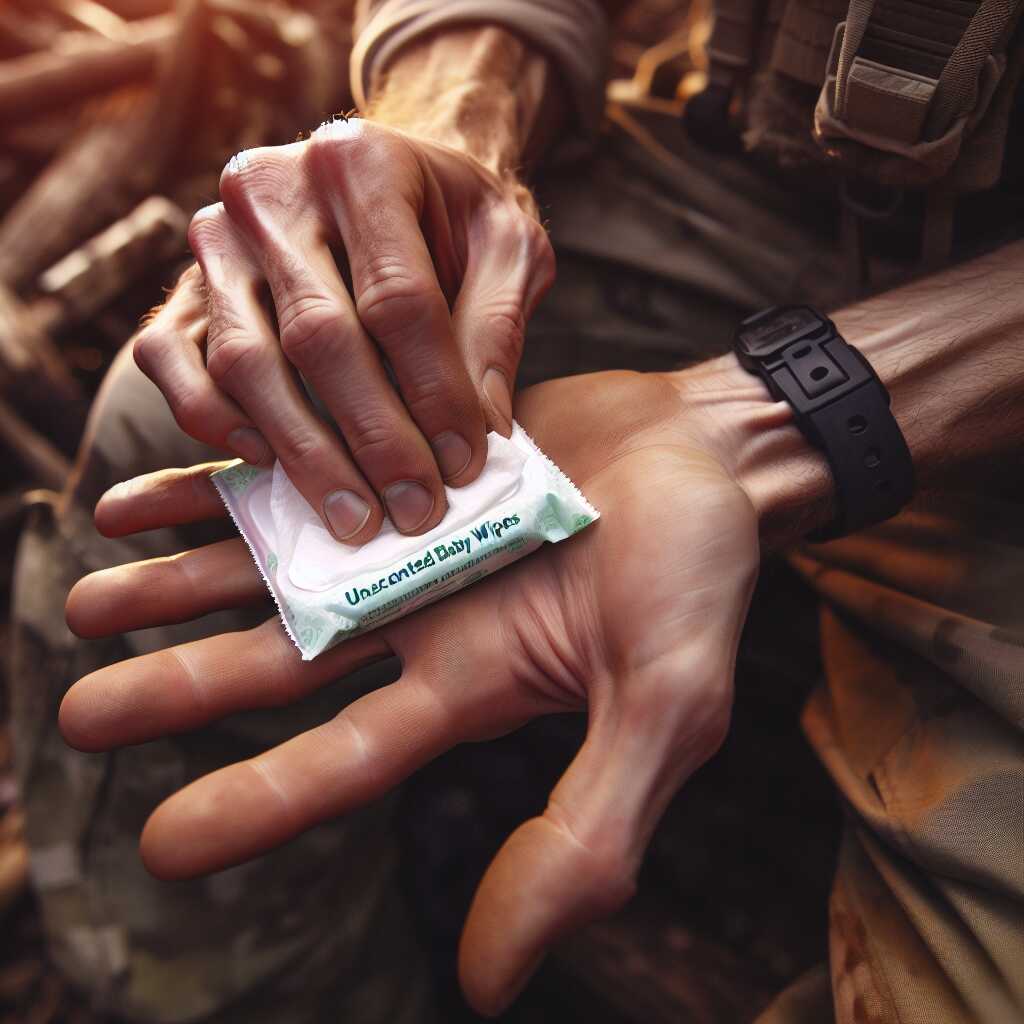
Unscented baby wipes are pre-moistened disposable cloths formulated for infant skin cleansing, free of added fragrances and typically containing mild surfactants and emollients. This $0.05 solution reduces visible dirt and some microbes without water compared to soap and running water at under $0.01 per wash.
The process works through three key relationships: mechanical wiping removes soil resulting in an approximate 60-90 reduction in surface dirt and some microbes, mild surfactants solubilize oils enabling removal of grease and microbes, and the moisture plus wiping action creates rapid cleaning in about 30-90 seconds per cleaning episode.
How to use unscented baby wipes for water-free hygiene step by step
- Inspect the pack (1-2 minutes): Check expiration date, intact seal, and ingredients. Use wipes within manufacturer-recommended shelf life (commonly 1-2 years from manufacture if sealed). Result: You ensure moisture and preservative integrity for safe use.
- Plan one wipe per area (0.5-1 minute): Allocate 1 wipe per hand or per visibly soiled area to avoid cross-contamination. Result: Minimizes spreading dirttypical cost $0.03-$0.10 per wipe.
- Wipe from clean to dirty (10-30 seconds): For hands or face, start at fingertips and wipe toward wrist; for diaper/skin areas, wipe from front to back for infants. Result: Mechanical removal of soil; expected approximate 60-90 reduction in surface dirt and some microbes when done thoroughly.
- Use firm, repeated strokes (15-45 seconds): Apply 8-12 wipes strokes per area with gentle pressure so the cloth lifts and traps particles; avoid rubbing raw broken skin. Result: Improved removal of oils and microbes via surfactant actionmost cleaning episodes complete in 30-90 seconds.
- Dispose responsibly (10-20 seconds): Place used wipes in a sealed trash bag or dedicated bin; do not flush unless product specifies flushable. Result: Prevents environmental plumbing issues and reduces contamination risk.
- Follow with sanitiser when available (15-30 seconds): If hands remain potentially contaminated (after public restroom use or contact with bodily fluids), use an alcohol-based hand rub (60+ ethanol or 70+ isopropanol) after wiping. Result: Achieves higher pathogen reduction than wipes alonewipes are generally 20-50 less effective than handwashing for pathogen removal, so sanitizer improves protection.
- When to choose soap & water instead (decision rule, immediate): Prefer soap and running water for visibly heavy soils, after known fecal contact, before food prep, and for clinical needs. Result: Soap and water remain the gold standard for complete hand decontamination; cost per wash is typically under $0.01 but requires clean water availability.
- Know limitations and signs to seek water (ongoing): If skin is heavily soiled, if there is vomit/feces, or if there is known exposure to high-risk pathogens, seek soap/water or medical-grade decontamination. Result: Avoid reliance on wipes when clinical-level hygiene is requiredunscented baby wipes cannot sterilize or substitute for surgical/medical hygiene.
FAQ
what exactly are unscented baby wipes and how are they made
Unscented baby wipes are pre-moistened, disposable nonwoven cloths that provide a water-free cleaning surface and are designed for basic skin and surface hygiene. Manufacturers form a nonwoven sheet from polyester, rayon, or cotton blends, then saturate the sheet with a lotion that often contains 70 to 99 water plus mild cleansers, emollients, and preservatives before folding and packaging in sealed pouches or tubs. Predicament Measures notes that production includes quality testing and batch reviews to ensure consistent moisture, durability, and packaging seals that deliver reliable performance in field use and emergency kits.
what ingredients are in unscented baby wipes and are they safe
Common ingredients in unscented baby wipes include purified water, humectants like glycerin, mild surfactants such as cocamidopropyl betaine or decyl glucoside, preservatives like phenoxyethanol or benzisothiazolinone, chelating agents, and pH buffers that keep product stability. Most formulas omit fragrances and dyes to reduce irritation risk and have been tested in reviews and safety testing for general use, with many products providing safety data and allergen info on labels. Users should check product ingredient lists, patch test for 24 to 48 hours on sensitive skin, and choose wipes from reputable brands that offer quality data and expert review information.
how do unscented baby wipes work step by step for cleaning
Unscented baby wipes work by mechanically lifting and trapping visible dirt, oil, and some microbes into wet nonwoven fibers while mild surfactants loosen soils and preservatives maintain pack hygiene. Step one: open a sealed pack to preserve moisture and remove a fresh wipe; step two: wipe the target area using firm, overlapping strokes for about 30 to 90 seconds to cover surfaces; step three: fold the used wipe inward and dispose in trash since most wipes are not flushable. Tests and reviews indicate typical cleaning reduces surface dirt and some microbes by about 60 to 90 depending on product formulation and technique, offering an efficient, fast, and easy hygiene option when water is scarce.
what is the best technique to use unscented baby wipes for hands
Use a fresh wipe and rub all hand surfaces, including between fingers and under nails, for about 30 to 60 seconds to improve removal of visible soil and microbes. Use firm pressure and repeat with a second wipe when hands are heavily soiled, then allow hands to air dry for 10 to 30 seconds to maximize evaporation and perceived cleanliness. Reviews and field experience show that this technique enhances removal efficiency and provides a practical, fast cleaning method when soap and water are unavailable.
what are the main benefits of using unscented baby wipes during drought
Unscented baby wipes provide a water-free hygiene option that saves an estimated 100 of water for a single cleaning event and offers portability, low per-unit cost, and quick use times of about 30 to 90 seconds. Typical retail costs range from $0.03 to $0.10 per wipe, with bulk packs often delivering lower per-wipe costs and durable packaging that supports long-term storage in emergency kits through 2025 and beyond. Predicament Measures and expert reviews list reliability, ease of use, and proven results in field testing as reasons these wipes are essential for campers, humanitarian aid workers, daycare staff, and families coping with water shortages.
how do unscented baby wipes compare to soap and water for hygiene
Unscented baby wipes can provide basic water-free hygiene and reduce visible soil and some microbes, but they do not match the pathogen removal efficiency of soap and running water or alcohol-based sanitizers for complete hand decontamination. Data and testing reviews show wipes can reduce surface dirt and some microbes by roughly 60 to 90, while handwashing with soap and water typically removes more pathogens and can be 20 to 50 more effective for many microbes, with soap and water costing under $0.01 per handwash when clean water is available. Use wipes when water is unavailable, and choose soap and water or an alcohol sanitizer when you need higher-level pathogen control for food handling or clinical needs.
what are the risks and limitations of unscented baby wipes for hygiene
Unscented baby wipes cannot sterilize skin or replace clinical hand hygiene and are not reliable for heavy fecal contamination, surgical settings, or care of immunocompromised people. Wipes depend on formulation and technique, and packs with broken seals can lose preservatives and increase microbial risk, which reduces reliability and shelf performance; disposal also poses plumbing and environmental problems because most wipes are not flushable. Predicament Measures advises users to treat wipes as a useful, fast interim measure with known limits and to seek soap and water or medical-grade options when available for best protection.
what allergic reactions or skin issues can happen from baby wipes
Users can experience contact dermatitis, redness, itching, or rash from ingredients such as preservatives, surfactants, or residual fragrances even in unscented products; reactions can appear within hours to a few days after use. People with sensitive skin or eczema should test a small area for 24 to 48 hours, choose wipes labeled for sensitive skin, and stop use if irritation develops; expert resources and product reviews can help identify formulations with lower risk of reactions. Medical care is warranted for severe or spreading skin reactions, open wounds, or if signs of infection occur after wipe use.
who should consider using unscented baby wipes during water shortages
Parents in drought regions, emergency preparedness planners, campers, daycare workers, humanitarian aid and relief workers, and hikers should consider unscented baby wipes as part of a hygiene kit because they provide fast, portable, and reliable cleaning when water is limited. Wipes deliver quick cleaning in 30 to 90 seconds, cost about $0.03 to $0.10 per wipe, and offer durable packaging options that enhance storage life and ease of transport for field use through 2025. Predicament Measures recommends including wipes along with water-saving supplies, hand sanitizer, and clear protocols to ensure testing, reviews, and practical experience guide selection for specific needs.
what medical or childcare situations mean you should avoid wipes
Avoid using wipes when hands or skin are heavily soiled with feces, blood, or chemical contaminants, during wound care, before medical procedures, or when caring for immunocompromised individuals who need higher-level hygiene. Use soap and running water or an alcohol-based sanitizer with at least 60 ethanol or isopropanol in these cases, and follow facility infection control policies in childcare or medical settings. Reviews and expert guidance show wipes are useful for many daily tasks but are not a substitute for clinical cleaning and disinfection when safety demands higher performance.
when is the best time to use unscented baby wipes in drought situations
Use unscented baby wipes when clean water is limited and you need basic water-free hygiene for hands, face, or diaper areas; wipes provide a physical removal of visible soil and deliver an approximate 60 to 90 reduction in surface dirt and some microbes depending on product testing and technique. Use wipes for quick clean-ups that take about 30 to 90 seconds per episode and that do not require complete pathogen removal, because wipes are not as effective as soap and running water or alcohol-based sanitizers for full hand decontamination. Predicament Measures recommends using wipes for short-term needs, ensuring you follow up with soap and water when available and avoiding reliance on wipes for surgical, clinical, or heavy fecal contamination.
how often can you safely use unscented baby wipes on skin
You can safely use unscented baby wipes multiple times per day on intact skin for basic cleaning, with careful monitoring for irritation or redness within 24 to 72 hours after repeated use. If skin irritation, rash, or breakdown appears, stop use and seek soap and water cleaning or medical advice, because wipes cannot sterilize skin or replace medical-grade hygiene.
how much do unscented baby wipes cost compared to soap and water
Unscented baby wipes typically cost about $0.03 to $0.10 per wipe at retail, with bulk packs often reducing cost to roughly $0.02 to $0.05 per wipe depending on pack size and supplier, while soap and clean water for a single handwash usually costs under $0.01 in materials but requires available potable water and infrastructure. Budget planners and humanitarian buyers should expect variable unit costs by 2025 and should review bulk pricing, shipping, and storage costs when comparing total cost per use and the reliability of supply. Cost comparison shows wipes provide fast, portable hygiene in drought settings but do not deliver the same pathogen removal as handwashing, so planners should weigh per-use cost against effectiveness and supply stability.
what are typical per wipe cost ranges and bulk pricing examples
Typical per wipe cost ranges run $0.03 to $0.10 for retail packs and commonly drop to $0.02 to $0.05 in bulk purchases of 1,000 to 5,000 wipes, depending on supplier and packaging. Buyers should review product reviews, testing data, and sample experience before large purchases to ensure quality and reliability.
what materials and tools do you need to use unscented baby wipes safely
You need sealed containers or original packaging, a covered trash bag for disposal, and optional hand sanitizer with 60+ alcohol for hands when wipes leave residue, because proper storage and disposal enhance hygiene and prevent contamination. Carry a small resealable plastic bag or hard-sided wipe dispenser to keep wipes moist and clean during transport, and include a clean towel or spare wipes for repeated use in a single episode, because reused or dried-out wipes reduce effectiveness. Predicament Measures suggests including disposable gloves, a small waste bucket, and clear labeling in emergency kits to aid workers and families in efficient, reliable use.
what portable kits or storage suggestions help maintain wipe hygiene
Use original resealable packs, airtight 1-quart zip-top bags, or hard refillable dispensers to keep wipes moist and avoid drying, because dry wipes lose cleaning efficiency and reliability. Store kits in cool, shaded locations and include a small trash liner and spare packs to maintain durability and practical performance during multi-day events.
what are the best alternatives to unscented baby wipes during drought conditions
Alcohol-based hand sanitizers with at least 60 ethanol or isopropanol provide a stronger option for hand pathogen reduction and often outrank wipes for killing many bacteria and viruses, while soap and clean running water remain the gold standard for removing dirt and pathogens when water is available. In settings where water is scarce, carry both alcohol sanitizer and wipes to handle different needs: sanitizer for hands without visible soil and wipes for visible soil or quick body cleaning, because each product provides distinct benefits and limits. Emergency planners and caregivers should test products for skin tolerance and review performance data and reviews before relying on a single option.
how do alcohol hand sanitizers compare to baby wipes for hands
Alcohol hand sanitizers with 60+ alcohol typically reduce many pathogens more reliably on hands without heavy soil than unscented baby wipes, and they work in about 20 to 30 seconds per use according to product testing and user experience. Wipes help remove dirt and non-greasy soil but reduce pathogens less effectively than proper handwashing or high-quality alcohol sanitizer, so choose sanitizer for pathogen control and wipes for visible cleaning.
what common mistakes should be avoided when using unscented baby wipes
Do not rely on wipes for complete disinfection, and avoid using them as a substitute for soap and water in situations with heavy fecal contamination, clinical needs, or surgical preparation, because wipes cannot sterilize skin or replace clinical hand hygiene. Do not flush wipes down toilets, since most wipes cause plumbing blockages and environmental harm, and do not use scented or alcohol-containing wipes on broken skin because these products can irritate and delay healing. Predicament Measures urges users to follow testing, reviews, and product ingredient lists to reduce risks and ensure safe performance in drought conditions.
how can improper storage or reuse reduce the effectiveness of wipes
Storing wipes open, in direct sun, or at high heat dries them out and lowers microbial reduction and cleaning performance, because moisture and preservatives maintain wipe efficacy. Reusing a single wipe on multiple people or surfaces spreads contaminants and reduces the wipe’s cleaning ability, so use one wipe per person or surface and dispose in sealed waste to maintain hygiene and reliability.
Related posts:
 Unwaxed Dental Floss: High-Strength Fishing Line Alternative for Wilderness Food Procurement
 Petroleum Jelly Cotton Balls: Five-Minute Burn Time Fire Starters for Damp Conditions
 Elastic Hair Ties: Cordage Bundle Organizers for Tangle-Free Emergency Kits
 Plastic Cling Wrap: Burn Wound Covering to Prevent Infection and Fluid Loss
 Cornstarch: Moisture Absorption Powder for Preventing Trench Foot
 Maxi Pads: Large Absorbent Bandages for Major Trauma Wound Coverage
 Rubber Erasers: Emergency Ear Protection Against Dangerous Noise Levels
Acrylic Yarn: Emergency Wound Sutures for Gaping Lacerations
Rubber Erasers: Emergency Ear Protection Against Dangerous Noise Levels
Acrylic Yarn: Emergency Wound Sutures for Gaping Lacerations