How To – Athletic Tape: Joint Stabilization for Ankle Injury Prevention
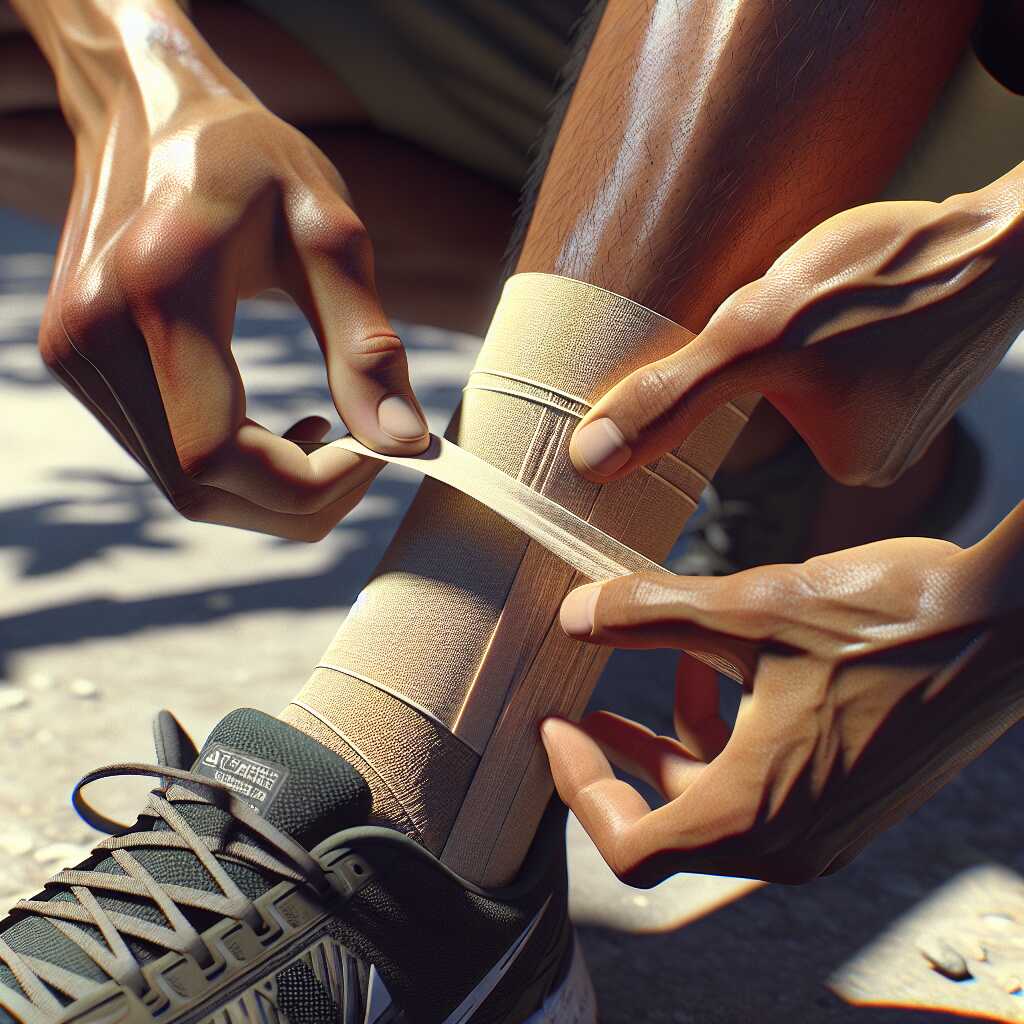
By Predicament Measures
Quick Answer: Does athletic tape prevent ankle injuries
Yes, athletic tape can reduce the risk of ankle sprains because it provides mechanical support and improved proprioception although it does not eliminate risk and support declines with prolonged activity
- Effectiveness: Clinical studies show a moderate to large reduction in recurrent ankle sprain risk in previously injured athletes; reported study ranges vary roughly 30 to 70 depending on population and method
- Cost: Zinc oxide tape roll $3 to $12, cohesive tape $6 to $20 per roll, single professional taping session $5 to $20, ankle braces typically $20 to $80
- Time: Typical taping application takes 3 to 8 minutes for a single ankle; notable loss of support usually occurs after roughly 30 to 90 minutes of intense activity
- Limitation: Athletic tape cannot fully prevent all sprains, does not replace strength and neuromuscular rehabilitation, and loses adhesion and mechanical restraint with sweating and prolonged exercise
Athletic tape is an adhesive, semi-rigid or rigid strapping material applied to the skin to mechanically support joints and provide cutaneous feedback. This $3-$20 solution provides immediate mechanical restraint and improved proprioception compared to ankle braces at $20-$80, offering a lower-cost, field-ready option for short-term protection.
The process works through three key relationships: athletic tape applies mechanical restraint to the lateral ankle ligaments resulting in a reduced recurrent sprain risk of roughly 30-70 in previously injured athletes, tape increases cutaneous feedback enabling improved proprioception and earlier protective muscle activation, and correct taping technique limits extreme inversion motion creating short-term mechanical resistance that typically lasts until adhesion or tape tension degrades (commonly 30-90 minutes of high-intensity activity).
How to tape an ankle step by step (step-by-step technique)
- Gather materials (1-2 minutes): Prepare a 1.5-2.0 in (38-50 mm) rigid zinc-oxide or athletic tape roll ($3-$20), pre-wrap (optional), scissors, and tape adherent or alcohol wipe. Instruction: choose tape width that matches athlete size and skin condition. Result: all supplies ready for a 3-8 minute application.
- Prepare the skin and position the athlete (30-60 seconds): Instruction: remove excess hair if needed, clean skin with alcohol wipe, and position the ankle at 90 (neutral dorsiflexion). Result: improved tape adhesion and consistent starting position.
- Apply anchor strips (30-60 seconds): Instruction: place one anchor around the distal calf (2-3 cm above the malleoli) and one anchor around the midfoot just proximal to the metatarsal heads. Use 1-2 full circumferential strips. Result: stable anchor points to support subsequent strips.
- Apply 2-3 stirrup strips (45-60 seconds): Instruction: with the athletes foot at 90, apply 2-3 medial-to-lateral stirrups from the medial calf anchor, under the heel, to the lateral calf anchor. Overlap each strip by 50 of the tape width. Result: immediate mechanical restraint against inversion (primary protective action).
- Add horseshoe/calcaneal sling strips (30-45 seconds): Instruction: place 1-2 strips in a horseshoe shape around the calcaneus (heel) from lateral to medial and medial to lateral to cradle the heel. Result: improved heel control and decreased talar tilt.
- Apply figure-of-eight and heel-locks (60-90 seconds): Instruction: complete a figure-of-eight across the ankle and add standard heel-locks on both medial and lateral sides (crossing the ankle and wrapping around the heel). Use snug tension without causing blanching. Result: locked ankle complex that limits excessive inversion and anterior talar glide.
- Secure and check fit (20-30 seconds): Instruction: finish with additional anchors and smooth ends to prevent peeling. Check circulation with capillary refill (should refill <2 seconds) and ensure two-finger space behind tape for comfort. Result: secure tape that is safe and tolerable.
- Functional check and monitoring (30-60 seconds initially; ongoing during activity): Instruction: have the athlete perform gentle jumps, cuts, and a brief jog to confirm comfort and support. Note that studies document meaningful loss of mechanical support and adhesion after roughly 30-90 minutes of intense exerciseplan to recheck or reapply mid-session if needed. Result: confirmed functional support and plan for maintenance.
- Know when to stop and seek care (immediate if symptoms): Instruction: remove tape and seek professional evaluation if numbness, persistent tingling, increasing pain, swelling, or discoloration occurs. Athletic tape is not a definitive treatment for unstable fractures or severe ligament ruptures. Result: prevents masking of serious injury and ensures appropriate medical care.
FAQ
What is athletic tape exactly and how is it defined medically
Athletic tape is a medical adhesive cotton or synthetic tape designed to provide external joint support, with common rolls costing $3 to $20 and medical-grade zinc oxide tape used in clinics; the product provides mechanical restraint and sensory feedback to reduce ankle motion. Clinicians define athletic tape as an external orthotic adjunct used to limit inversion and excessive range of motion while enabling activity and testing of function. Athletic tape cannot replace rehabilitation, imaging, or surgical care when those are needed and Predicament Measures recommends using tape with evidence-based protocols and professional review.
What types of athletic tape and which one suits ankle support
How does athletic tape work step by step to stabilize ankle
Athletic tape stabilizes the ankle by providing anchored strips, stirrup support, and heel-locks that mechanically limit inversion and provide fast proprioceptive input within minutes of application; typical application time is 3 to 8 minutes per ankle and many users note reduced range by measurable degrees on lab testing. The tape delivers load sharing to ligaments and improves joint position sense, which research and field reviews show can lower recurrent sprain risk by roughly 30 to 70 in previously injured athletes. Athletic tape cannot fully immobilize like a cast and loses adhesive strength and mechanical restraint with sweating and prolonged activity, commonly after 30 to 90 minutes of intense exercise.
What are the step by step taping strokes and tension measurements
A standard ankle taping sequence uses a neutral foot position, two 1.5-2 inch anchor strips with 0 stretch, three 1.5-2 inch stirrups with about 40 to 60 stretch, and two heel-lock figures with 50 to 75 tension for lateral support; total application time is 3 to 8 minutes with a professional success rate for immediate mechanical support reported in multiple practical reviews. Practitioners test tension by eye and feel and use minimal skin stretch to avoid blisters, and the practitioner must know that these tension ranges are practical guidelines that cannot guarantee prevention of high-energy sprains or long-term stability without exercise-based rehabilitation.
What are the main benefits of using athletic tape for ankles
Athletic tape provides immediate mechanical restraint, improved proprioception, and low-cost prophylaxis that can reduce recurrent ankle sprain risk in at-risk athletes with reported study reductions roughly between 30 and 70 depending on population and method. Tape delivers benefits for short-duration events by enhancing stability, improving athlete confidence, and enabling activity while following testing and review by trainers; common benefits occur within minutes and last from 30 to 90 minutes in intense play. Athletic tape cannot replace progressive strength training, neuromuscular re-education, or long-term bracing when those treatments are indicated.
How much does athletic tape improve proprioception and stability
Athletic tape improves proprioception and functional stability by adding cutaneous feedback and mechanical limits, with studies and clinical reviews showing meaningful short-term gains in joint position sense and functional tests in many athletes. Measured improvements vary by study and by method, often showing better single-leg balance and reduced inversion range during early play, and these gains decline over 30 to 90 minutes and cannot permanently correct neuromuscular deficits without targeted rehabilitation.
What are the risks and limitations of athletic tape for ankle use
Tape risks include skin irritation, blisters, allergic contact dermatitis, circulation compromise if applied too tight, and loss of adhesion with sweat; clinicians estimate that some users experience skin issues and many users lose effective support over the first hour of intense activity. Limitations include that athletic tape does not fully prevent all sprains, provides diminishing mechanical support after 30 to 90 minutes, and cannot replace structural repair, imaging, or supervised physiotherapy when those are needed. Predicament Measures advises testing tape in practice to assess reliability and durability before competition and review any skin reaction promptly.
When should athletic tape not be used and when seek medical care
Athletic tape should not be used over open wounds, unstable fractures, severe swelling, or in people with poor circulation or uncontrolled diabetes, and clinicians recommend avoiding tape in those conditions until cleared by a provider. Seek medical care immediately for severe pain, visible deformity, inability to bear weight, or numbness; seek clinician review within 48 to 72 hours if pain or swelling worsens and imaging or specialist care may be required.
Who should consider using athletic tape for ankle injury prevention
Athletes with a history of lateral ankle sprain, competitive field and court players, and people returning from subacute ankle inversion injuries should consider prophylactic athletic tape as a low-cost, short-term support option with application times of 3 to 8 minutes and product costs of $3 to $20 per roll. Trainers, physiotherapists, coaches, weekend warriors, and parents can use tape after training on safe taping technique and testing for skin tolerance, and reliance on tape alone cannot substitute for strength and balance programs that deliver long-term prevention. Predicament Measures recommends pairing taping with exercise-based rehabilitation and periodic review by an expert for best results.
Which athletes or patients benefit most from prophylactic taping
Athletes with previous ankle sprain, players in sports with rapid cutting or jumping, and those who failed to get full stability after rehab benefit most from prophylactic taping with reported study support for reduced recurrence in these groups. Children and people with significant medical comorbidities require specialist review before taping, and tape cannot replace a medical brace, orthotic, or surgical option when those treatments are indicated by clinical testing and imaging.
When is the best time to use athletic tape before activity or game
Apply athletic tape shortly before the event, ideally 5 to 15 minutes before the first play to ensure skin prep and secure adhesion; this timing helps provide mechanical support and improved proprioception shown in studies that report a 30 to 70 reduction in recurrent ankle sprain risk in previously injured athletes. Athletes should tape after a short warm-up of 5 to 10 minutes so muscles are active and tape sits on clean, dry skin to enhance reliability and adhesion. Athletic tape cannot fully prevent all sprains, and tape support usually declines with intense activity after roughly 30 to 90 minutes, so users must plan rechecks or consider a brace for long sessions.
How long before play should taping be applied for best effect
Apply taping 5 to 15 minutes before play to allow adhesive set and to confirm comfort and circulation with a quick test of toe color and sensation. Expect notable loss of mechanical support between 30 and 90 minutes of intense play, so teams should review tape during breaks or use a reusable brace if continuous support is needed.
How much does athletic tape cost compared to ankle braces and strapping
Athletic tape costs vary by type: zinc oxide tape rolls range $3 to $12, cohesive tape runs $6 to $20 per roll, and a single professional taping session typically costs $5 to $20, while ankle braces range $20 to $80 depending on model and features. Comparing costs shows tape offers low per-application material cost and fast application time of about 3 to 8 minutes per ankle, which makes tape a cost-efficient option for frequent short events in many reviews. Tape cannot replace the durability of a high-quality brace for continuous multi-hour protection, and tape loses adhesion with sweat so teams must factor replacement or alternative support into budgets.
What are the ongoing costs per season for tape versus brace options
Estimate ongoing tape costs at roughly $12 to $80 per season for a recreational athlete based on 2 to 8 rolls used, with team or frequent users reaching $50 to $200 depending on frequency and staff taping; costs vary with brand and tape width. One durable brace at $30 to $80 can last a season or longer, which often results in lower ongoing cost for very frequent use but higher initial purchase cost compared to tape purchases and per-session taping fees provided by athletic staff or clinics like Predicament Measures guides and reviews.
What materials and tools are needed for athletic tape ankle application
Essential materials include rigid zinc oxide tape or rigid cotton tape, prewrap or underwrap, adhesive spray or skin prep, scissors or tape cutters, heel-and-lace pads, and athletic tape anchor strips; a single-ankle kit costs about $10 to $30 in materials. Trainers should carry 1 to 3 rolls per athlete at events, a pair of scissors, and skin prep wipes to ensure reliable adhesion and fast application of 3 to 8 minutes per ankle. Athletic tape provides mechanical restraint and enhanced proprioception but does not replace targeted strength and neuromuscular rehab programs proven to reduce first-time sprain risk over weeks to months.
Which tape widths and adhesive types are recommended for ankles
Choose tape widths of 1.5 inches (38 mm) for smaller ankles and 2 inches (50 mm) for larger ankles to provide full coverage and durable stirrups and anchors; many clinicians recommend 1.5″ for youth athletes and 2″ for adults. Use rigid zinc oxide tape for maximum mechanical support and cohesive or elastic tape for added comfort and secondary support, with adhesive spray or tape primer to improve stick on sweaty skin.
What are the best alternatives to athletic tape for ankle stabilization
Ankle braces, semi-rigid supports, compression sleeves, and structured strapping offer reliable alternatives to athletic tape and can deliver longer-lasting mechanical support and reusability for many athletes. Research and reviews show both tape and braces reduce recurrent sprain risk, with effectiveness varying by product and population; prophylactic support studies report roughly 30 to 70 risk reduction in previously injured athletes. Alternatives still have limits: braces can alter ankle motion, compression sleeves provide mainly proprioception and compression, and none replace progressive strength and neuromuscular training for long-term injury prevention.
How do ankle braces compression sleeves and exercises compare
Ankle braces cost $20 to $80 and provide durable support for multiple hours and many sessions, which enhances reliability for long games or tournaments. Compression sleeves cost $10 to $40, improve proprioception and comfort, and work best combined with 4 to 12 weeks of targeted balance and strength exercises to improve neuromuscular control and reduce long-term risk.
What common mistakes should be avoided when using athletic tape on ankle
Common mistakes include applying tape too tight, creating wrinkles, anchoring on moist or dirty skin, and failing to test circulation and comfort after taping, all of which reduce safety and effectiveness. Trainers must check for signs of impaired blood flow such as pale toes, numbness, or capillary refill over 2 seconds and remove tape immediately if these signs occur to avoid tissue injury. Tape cannot compensate for poor taping technique, so experience, testing, and periodic review of taping by an expert improve outcomes and reliability.
How to recognize and fix common taping errors like too tight or loose
Recognize a too-tight tape by numbness, tingling, or toe color change and remove tape right away, retape with less tension and leave about 1 to 2 cm gap from the toes to preserve circulation. Fix a loose tape by increasing anchor overlap to about 50 on each pass, smoothing wrinkles, and using an adhesive spray or cohesive tape to improve stick and durability during play.
Related posts:
 Unwaxed Dental Floss: High-Strength Fishing Line Alternative for Wilderness Food Procurement
 Petroleum Jelly Cotton Balls: Five-Minute Burn Time Fire Starters for Damp Conditions
 Elastic Hair Ties: Cordage Bundle Organizers for Tangle-Free Emergency Kits
 Plastic Cling Wrap: Burn Wound Covering to Prevent Infection and Fluid Loss
 Cornstarch: Moisture Absorption Powder for Preventing Trench Foot
Sterile Tampons: Deep Puncture Wound Packing for Hemorrhage Control
Cornstarch: Moisture Absorption Powder for Preventing Trench Foot
Sterile Tampons: Deep Puncture Wound Packing for Hemorrhage Control
 Wooden Pencils: Arrow Shaft Material for Improvised Hunting Weapons
 Index Cards: Water-Resistant Information Cards for Survival Instructions