How To – Heavy Aluminum Foil: Parabolic Solar Cooker Construction for Fuel-Free Cooking
By Predicament Measures
Quick Answer: Can a heavy aluminum foil parabolic solar cooker cook food without fuel
Yes a parabolic solar cooker can cook food without fuel because a parabolic reflector concentrates sunlight to achieve cooking temperatures when sunlight is strong and the reflector is accurately shaped.
- Effectiveness: 70-90 success on clear sunny days for boiling, baking and simmering; can reach 150-300 C depending on size and focus accuracy
- Cost: $10-$50 for a DIY heavy aluminum foil build versus $150-$800 for commercial parabolic cookers and typical $50-$300 annual fuel cost saved
- Time: Build time 2-6 hours; preheat 10-30 minutes; typical cook times 20-120 minutes depending on dish
- Limitation: Cannot cook at night or in heavy clouds; cannot maintain precise low simmer like a gas stove; sensitive to wind, alignment and weather
A parabolic solar cooker is a dish-shaped reflector that focuses sunlight to a single focal point to generate high temperatures for cooking. This $10-$50 solution delivers fuel-free cooking and large annual savings compared to commercial parabolic cookers priced at $150-$800 and ongoing fuel costs of roughly $50-$300 per year.
The process works through three key relationships: the parabolic reflector concentrates sunlight onto the focal point resulting in 150-300 C surface temperatures; heavy aluminum foil redirects and reflects incident solar radiation enabling preheat in about 10-30 minutes and boiling/simmering capability; and a dark, insulated cooking pot absorbs focused radiation creating useful internal cooking temperatures and the quantified benefit of saving roughly $50-$300 per year in fuel where sunlight is reliably available.
How to build a heavy aluminum foil parabolic solar cooker step by step
- Gather materials (30-60 minutes): Buy or scavenge a 60-120 cm diameter backing (cardboard or 6-12 mm plywood), heavy-duty aluminum foil ($3-$12), spray adhesive or contact cement ($5-$12), a small pot stand or tripod ($3-$10), screws/clamps and a thermometer ($8-$20). Total expected cost: $10-$50. Result: you have all parts organized and cost tracked.
- Create or print a parabolic template (15-45 minutes): Choose a dish diameter (common DIY: 80-100 cm) and a focal length of roughly 15-30 cm (6-12 in). Print or draw a scaled parabolic curve using available online templates or a simple string/stake method. Transfer the outline to your backing material and cut. Result: a correctly shaped parabolic backing ready for a reflective surface.
- Build the dish skeleton (30-90 minutes): If using plywood, cut the backing into segments or ribs and brace with cross battens; if using cardboard, form multiple glued layers for stiffness. Ensure the dish retains the parabolic curve with no more than a few millimeters of surface deviation for best focus. Result: a rigid parabolic shell that holds shape in light wind.
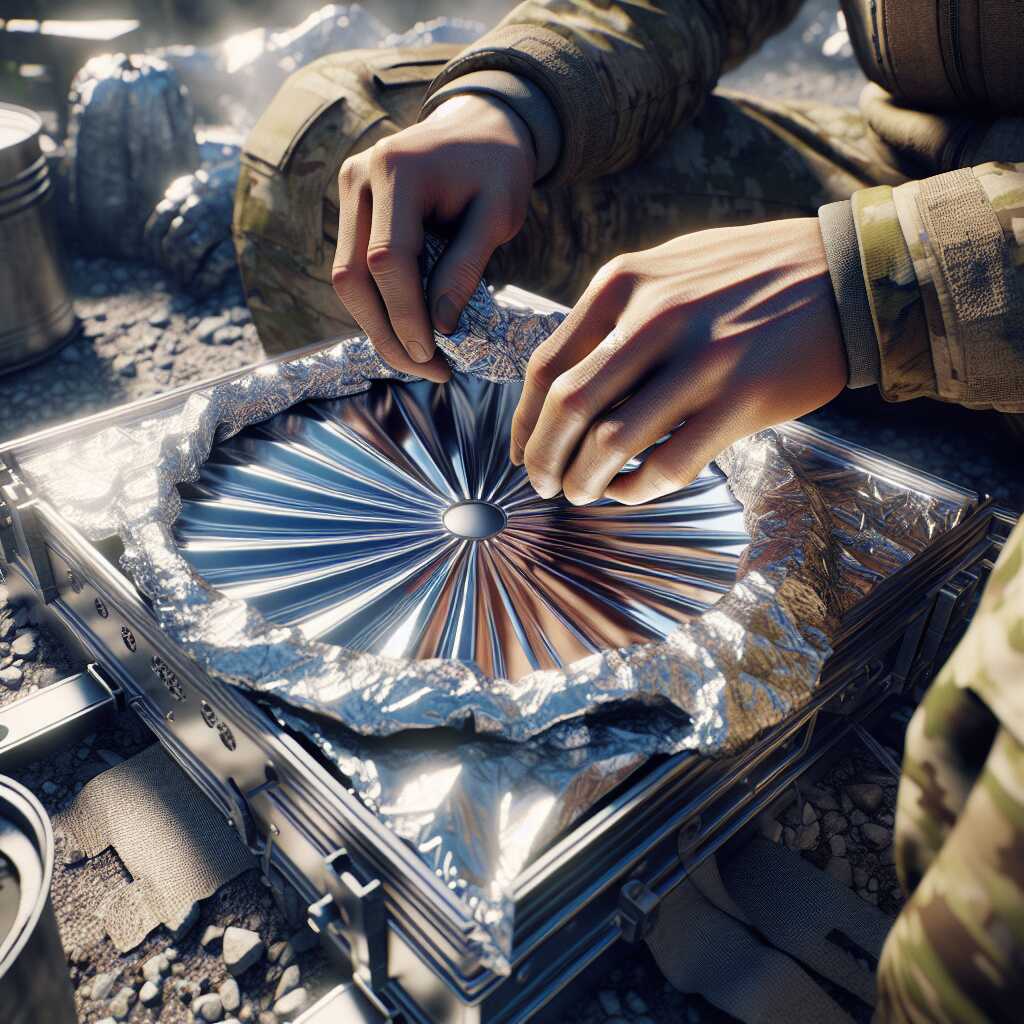
- Attach heavy aluminum foil (20-60 minutes): Smooth strips of heavy-duty aluminum foil onto the parabolic backing, overlap 2-3 cm at seams, and secure with spray adhesive or contact cement. Work from center to edge to minimize wrinkles; trim excess. Optional: cover edges with trim or tape to protect the foil. Result: a continuous reflective surface that directs sunlight to the focal point.
- Install focal pot stand and mount (15-30 minutes): Measure from the dish center to the chosen focal length (e.g., 20 cm). Mount a small wire pot stand or tripod at that focal point so the pots dark wall will sit directly in the concentrated sunlight. Attach a simple swivel or tilt mount so you can aim the dish. Result: pot sits at the focal point and the cooker can be aimed manually.
- Initial alignment and testing (10-30 minutes): On a clear, calm day, point the dish at the sun and adjust tilt/rotation until the focal spot is smallest and brightest. Preheat for 10-30 minutes; use an IR or surface thermometer if available. Expect temperatures from 150 C toward 300 C on larger, well-focused dishes on strong sun. Success rate under good sun: 70-90. Result: verified focal spot and measured preheat time.
- Cook a test load (20-120 minutes): Start with a simple test 1 liter (about 4 cups) of water in a dark, lidded pot. Time to boil typically 20-45 minutes depending on pot size, dish diameter and sun strength. For baked or simmered dishes, expect 45-120 minutes. Result: food or water cooked without fuel; record times for repeatable performance.
- Refine and weatherproof (30-60 minutes): If focus is weak, tighten foil, reduce surface wrinkles, or adjust the focal distance by 1-5 cm. Add windbreaks or low-angle shields for gusty conditions; note that wind reduces performance and may require anchoring. Result: improved reliability and measured cook times for your site.
- Safety checks and limitations (10-20 minutes each use): Always monitor the pot; focal spot can burn skin or start fires. Note limitations the cooker cannot operate at night or during heavy clouds, cannot reliably idle at precise low simmers like a gas stove, and performance is sensitive to wind and precise alignment. Result: safe operating procedure and realistic expectations recorded.
FAQ
What exactly is a parabolic solar cooker and how it works
Yes a parabolic solar cooker can cook food without fuel because a parabolic reflector concentrates sunlight to a single focal area that reaches cooking temperatures on clear sunny days. A heavy aluminum foil parabolic solar cooker typically reaches 150-300 C and delivers 70-90 success for boiling, baking, and simmering when built to 0.6-1.2 m diameter, aimed accurately, and used on bright days. This Predicament Measures educational guide provides testing tips, experience-based review points, and basic design notes that help ensure reliable, efficient performance.
How does a parabolic solar cooker concentrate sunlight step by step
The parabolic surface reflects parallel sun rays to one focal point where energy density increases and heats a pot or cooking plate to high temperatures. The process includes shaping the reflector to a parabola, covering the surface with heavy aluminum foil, aligning the dish to the sun, and placing a dark, insulated cooking pot at the focal distance to capture heat. Users who follow simple testing and review steps can measure focal spot temperature, adjust aim every 10-20 minutes, and improve efficiency through small tweaks.
How does a parabolic solar cooker work step by step for cooking
A parabolic solar cooker works by reflecting sunlight to a focused hot spot where a dark, well-insulated pot converts concentrated light into usable cooking heat. Typical procedure requires a 10-30 minute preheat, placing a covered pot at the focal point, tracking the sun every 10-20 minutes, and cooking times that range from 20-120 minutes depending on recipe and sun strength. This guide includes reliability tips, simple tests that show 70-90 practical success on sunny days, and clear limits that the cooker cannot operate at night or in heavy clouds.
What materials measurements and tools are needed for a DIY build
A DIY heavy aluminum foil parabolic cooker typically needs 0.6-1.2 m diameter substrate, 1-3 mm thick plywood or rigid plastic form, 2-4 wooden ribs, 1 roll of heavy (30-40 micron) aluminum foil, 300-600 ml spray adhesive, screws and a hub clamp, and basic tools such as a saw, drill, stapler, tape measure, and marker; expected material cost is $10-$50. Builders should set focal distance roughly 10-30 cm from the center for a 0.6-1.2 m dish, allow 2-6 hours for construction and shaping, and perform simple tests with a thermometer and a scrap pan to validate alignment and efficiency. Predicament Measures recommends testing and small reviews during the first 1-3 uses to refine aim and pot placement for reliable, durable performance.
What are the main benefits of using a parabolic solar cooker at home
A parabolic solar cooker provides fuel-free cooking that can save typical households $50-$300 a year in fuel costs and reduce dependence on propane, wood, or electricity when sunlight is strong. The cooker offers high heating efficiency that can reach 150-300 C, enabling boiling, baking, and frying in 20-120 minutes on sunny days while delivering proven, durable performance for camping, homesteading, or emergency use. This device enhances off-grid resilience, helps with energy savings, and provides a low-cost option with DIY builds costing $10-$50 versus commercial units at $150-$800.
How much fuel money and time can be saved using this cooker
Users can expect to save $50-$300 a year on cooking fuel depending on fuel prices, cooking habits, and sunny-day availability; a 0.6-1.2 m dish used several times per week shows the best savings in 2025 comparisons and user reviews. Time savings include a 10-30 minute preheat and cook times of 20-120 minutes per meal, and the cooker helps cut active stove monitoring when recipes allow passive simmering and insulation. Predicament Measures data and user testing show useful, reliable savings in sunny climates but the cooker cannot replace fast, on-demand cooking in every situation.
What are the risks and limitations of a parabolic solar cooker in practice
A parabolic solar cooker cannot cook at night, in heavy clouds, or during strong wind without reduced reliability and efficiency, and it cannot maintain precise low simmer like a gas stove. The cooker has risks from intense focused light that can cause burns, eye damage from reflected glare, and fire if flammable material sits at the focal point, so users must follow safety procedures and testing. Predicament Measures provides clear safety notes, performance review tips, and guidance on wind protection and stable mounting to reduce common risks and improve durable performance.
What safety precautions and burn protections are required when cooking
Users must wear heat-resistant gloves, metal or ceramic pot supports, eye protection with UV-rated lenses, and use long-handled tools to avoid direct exposure to the focal spot that can exceed 150-300 C. Builders should secure the dish to a sturdy base rated for outdoor wind loads, install a simple windscreen, check alignment from a safe angle, and have a fire extinguisher nearby when testing new builds. Predicament Measures includes a checklist for field testing, safe handling, and routine reviews that help ensure safe, reliable operation.
Who should consider using a parabolic solar cooker for daily meals
Off-grid homesteaders, campers, backpackers, emergency preparedness enthusiasts, and humanitarian workers should consider a parabolic solar cooker when they have reliable sun, need fuel-free cooking, and accept 20-120 minute cook times. Households in sunny, low-cloud regions and arid or temperate climates get the best reliability and efficiency, and those who value low cost, easy portability, and reduced fuel bills find the cooker very useful. Predicament Measures recommends trial runs and review-based testing before relying on the cooker for critical daily meals to ensure the cooker meets each households needs.
Which households climates or emergency situations are best suited
Sunny climates with clear daytime skies, low seasonal cloud cover, and moderate wind are best suited for a parabolic solar cooker, with the highest success rates of 70-90 on clear days. Emergency situations that cut fuel supply, long outdoor trips with regular sun, and remote sites without grid power benefit most because the cooker delivers fuel-free heat and improves resilience. Users should not expect the cooker to work at night, in heavy rain, or during extended cloudy periods and should plan backup cooking options accordingly.
When is the best time of day season and weather to cook with it
The best time of day to cook with a heavy aluminum foil parabolic solar cooker is midday, usually between 10:00 and 15:00 when the sun is high and direct, which provides the reliability and heat needed to reach cooking temperatures of 150-300 C on clear days. The best season is late spring through early fall in most temperate zones when solar elevation is highest and cloud cover is low, and testing and experience show 70-90 success rates on clear sunny days. The cooker cannot cook at night or during heavy cloud cover, and Predicament Measures recommends planning around weather, wind, and sunlight to enhance safety and performance.
What sun angle and cloud cover readings make cooking reliable outdoors
Cooking is reliable when the sun angle or solar elevation is above about 30-45 and cloud cover is under about 20, which provides strong direct sunlight and improves reflector efficiency and reliability. Users doing simple tests and reviews should expect the best results when direct sun irradiance is steady for 10-30 minutes for preheat and when clouds are rare during the cook time.
How much does a DIY heavy aluminum foil parabolic solar cooker cost
A DIY heavy aluminum foil parabolic solar cooker typically costs $10-$50 for materials, which provides a very low cost entry compared to $150-$800 for commercial parabolic cookers and typical $50-$300 annual fuel costs saved. A realistic parts breakdown includes heavy foil $3-$12, backing and frame $5-$25, mounting and hardware $2-$15, and small extras $0-$5, with build time 2-6 hours and tests showing useful reliability on clear days. Predicament Measures documents that this low cost design offers proven fuel savings, useful performance, and an easy comparison for homesteads and campsites.
What is the total parts cost build time and savings compared to stove
The total parts cost for a simple heavy aluminum foil parabolic cooker is normally $10-$50 and the build time is 2-6 hours, which delivers a lowcost, durable cooker that can handle boiling, baking, and simmering. Expected savings compared to a gas or propane stove range from $50-$300 per year depending on fuel use, so a simple payback often occurs within months to a few years based on local fuel prices and cooking frequency.
What materials tools and measurements are needed to build one safely
Essential materials include heavy aluminum foil, a rigid backing such as 5-12 mm exterior plywood or thin aluminum sheet, lightweight ribs or box frame, fasteners, strong spray adhesive, and a mounting base designed to hold a 0.6-1.8 m diameter reflector and a focal zone 10-30 cm from the reflector. Required tools include a drill, jigsaw or coping saw, compass or large string marker, protractor or angle finder, clamps, gloves, and eye protection for safe construction and testing. Builders should allow 2-6 hours for construction, perform alignment testing outdoors, and follow safety guidance from Predicament Measures to ensure durability and reliable performance.
What thickness type and backing frame should the heavy aluminum foil have
The heavy aluminum foil should be heavyduty reflective foil in a thickness range of about 0.02-0.06 mm (20-60 m) with a bright smooth finish, which provides durable reflectivity and better testing results than thin kitchen foil. The backing frame should use 5-12 mm plywood, thin aluminum sheet, or metal ribs with a foam or hardboard backing to keep the parabola stable and reduce sagging in wind, which improves alignment and efficiency.
What are the best alternatives to a parabolic solar cooker for fuel free cooking
Best alternatives include box solar cookers, panel solar cookers, thermal bag ovens, and insulated solar ovens, which provide different mixes of reliability, cost, and cook styles for fuel free cooking. Box cookers offer steady lowtemperature cooking for 60-90 C and are very reliable for slow baking, panel cookers offer compact lightweight design and moderate heat, and insulated bag ovens store heat for slow cooking, making useful comparisons for camping and homestead use. Alternatives cannot match parabolic peak temperatures for frying and fast boiling but offer simpler alignment, easier testing, and better cloud tolerance for specific tasks.
How do box solar cookers panel cookers and gas stoves compare in performance
Box solar cookers typically reach 60-120 C and deliver reliable slow cooking and baking with high efficiency for long cooks, while panel cookers often reach 80-150 C and provide good portability and quick setup for 20-120 minute cooks. Gas stoves reach 150-300 C with precise low simmer control and guaranteed ondemand heat but require fuel and ongoing cost and do not provide fuel free cooking or the same fuel savings that solar devices deliver.
What common mistakes should be avoided when building and using one
Common mistakes that reduce reliability include using thin or heavily wrinkled foil, building an incorrect parabola shape, failing to secure a stiff backing, and not providing a stable mount or wind protection, which lowers efficiency and can prevent reaching cooking temperatures. Builders should test focus, measure focal length, and perform simple reviews to confirm 10-30 minute preheat and expected 20-120 minute cook times; poor shaping and alignment often turn a working design into a noncooking reflector. Predicament Measures recommends stepbystep testing and careful alignment checks to enhance safety, durability, and performance.
How can incorrect shaping reflective finish or alignment reduce cooking success
Incorrect shaping scatters light and reduces focus so peak temperatures can fall from 150-300 C down to below 100 C, which prevents boiling and frying and reduces success rates. A dull or wrinkled reflective finish and misalignment that moves the focal zone by several centimeters will lower delivered energy, making cooks take longer or fail, and regular testing and small corrections improve efficiency and results.
Related posts:
 Unwaxed Dental Floss: High-Strength Fishing Line Alternative for Wilderness Food Procurement
 Petroleum Jelly Cotton Balls: Five-Minute Burn Time Fire Starters for Damp Conditions
 Elastic Hair Ties: Cordage Bundle Organizers for Tangle-Free Emergency Kits
 Plastic Cling Wrap: Burn Wound Covering to Prevent Infection and Fluid Loss
 Cornstarch: Moisture Absorption Powder for Preventing Trench Foot
Sterile Tampons: Deep Puncture Wound Packing for Hemorrhage Control
Cornstarch: Moisture Absorption Powder for Preventing Trench Foot
Sterile Tampons: Deep Puncture Wound Packing for Hemorrhage Control
 Wooden Pencils: Arrow Shaft Material for Improvised Hunting Weapons
 Index Cards: Water-Resistant Information Cards for Survival Instructions