How To – Fine Mesh Tea Balls: Pine Needle Tea Brewers for Vitamin C Intake
By Predicament Measures
Quick Answer: Can a fine mesh tea ball brew pine needle tea to supply vitamin C
Yes a fine mesh tea ball can brew pine needle tea and extract vitamin C because vitamin C is water soluble and will leach into steeping water though heat and time affect how much is preserved
- Effectiveness: Estimated 40-75 extraction of available vitamin C depending on pine species, needle age, water temperature and steep time with cold infusions preserving more and prolonged boiling causing greater loss
- Cost: Fine mesh tea ball typically $3-15 versus commercial vitamin C tablets about $5-15 per bottle (100 tablets) with per dose cost about $0.05-0.20 for tablets; wild-harvested pine needle tea cost mostly time and gear
- Time: Hot steep 5-15 minutes for a usable cup; cold infusion 1-12 hours (overnight) to preserve more vitamin C; prep and harvesting add 5-20 minutes in the field
- Limitation: Cannot provide a precise dose of vitamin C or consistent mg per cup; cannot replace medically prescribed supplements for deficiency and requires correct species identification to avoid toxic plants
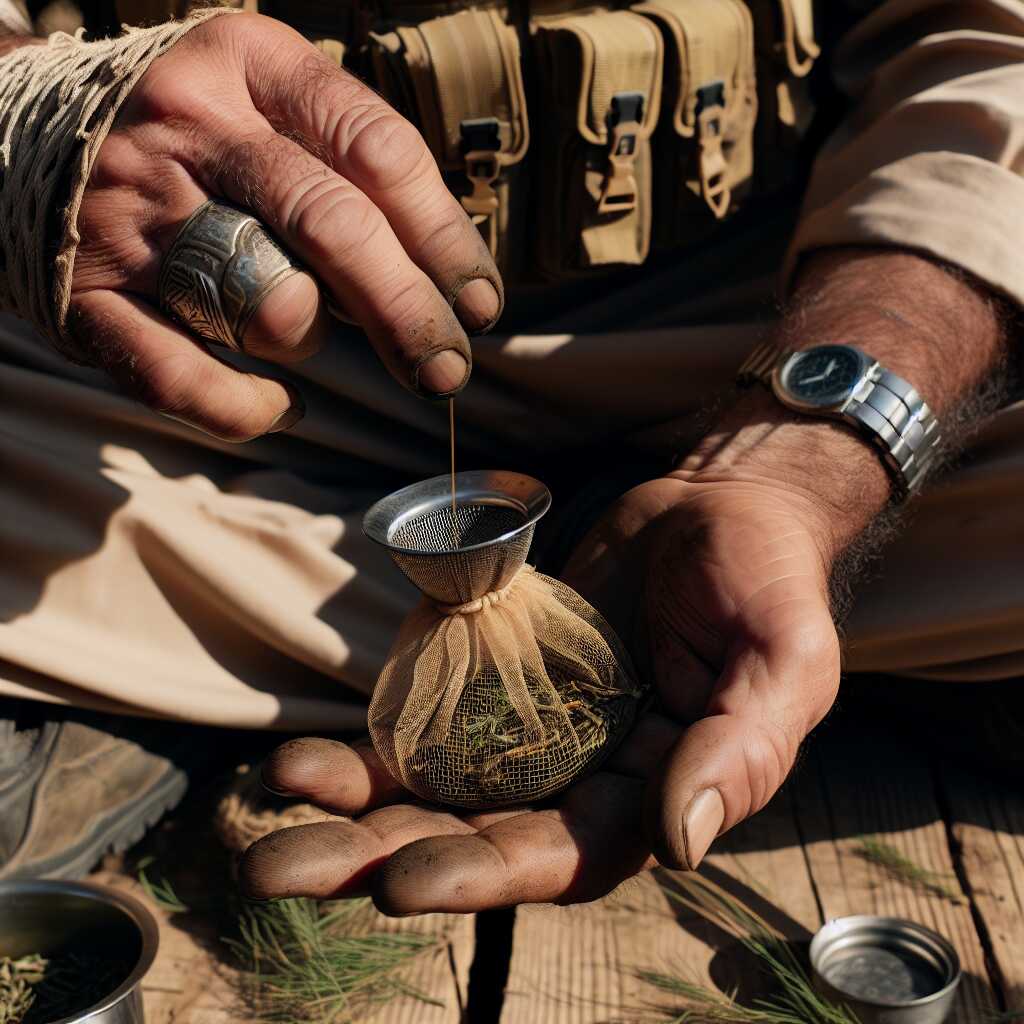
Fine mesh tea ball is a small reusable stainless-steel or metal-mesh infuser designed to contain loose plant material while allowing water to circulate and extract watersoluble compounds. This $3-15 solution provides low-cost, portable brewing for whole-plant vitamin C extraction compared to commercial vitamin C tablets at about $5-15 per bottle (100 tablets).
The process works through three key relationships: hot or warm water leaches vitamin C from pine needles resulting in an estimated 40-75 extraction of available vitamin C per steep, cold infusion preserves more vitamin C enabling higher retention when steeped 1-12 hours versus prolonged boiling, and a fine mesh tea ball contains and strains needles creating a single 250-350 mL cup per steep while keeping most solids contained and making field brewing practical with a small initial cost ($3-15).
How to brew pine needle tea with a fine mesh tea ball step by step
- Identify safe pine species (5-15 min): Use a reliable field guide or app to confirm you have a true pine (Pinus spp.), e.g., Eastern white pine (Pinus strobus) and Scots pine (Pinus sylvestris) are commonly used. Avoid unsure plants and species reported as problematic (research Ponderosa and local advisories). Result: Correct identification lowers risk of toxic plant ingestion.
- Harvest fresh needles (5-20 min): Collect green, healthy needles away from roads, agricultural spray zones, or contaminated areas. For one 250-350 mL cup, gather roughly 1 tablespoon of tightly-packed fresh needles (about 1-3 g fresh; adjust for needle size). Result: You have the raw material needed for a standard cup.
- Rinse needles (1-3 min): Rinse needles briefly in clean water to remove dust, insects, or debris. For field use, use potable water or filter water first. Result: Clean starting material; reduces surface contamination risk.
- Load the fine mesh tea ball (1 min): Loosely fill the tea balldont overpack; allow water circulation. If using chopped needles, fill less densely. Result: Even extraction and easier water flow through the needles.
- Choose brewing method hot steep (5-15 min): Heat 250-350 mL water to near boiling, then let it cool 30-60 seconds (target 90-95C) to reduce extreme heat exposure to vitamin C. Place the tea ball in the cup and steep 5-15 minutes. Result: A usable cup with extraction; expect roughly 40-75 extraction of available vitamin C depending on species and needle age (higher temperatures and longer steep can increase extraction but also increase heat-related loss).
- Choose brewing method cold infusion (1-12 hours): For greater vitamin C preservation, place the loaded tea ball in 250-350 mL cool potable water and steep 1-12 hours (overnight 6-12 hours recommended). Keep cool (refrigerated or shaded) in warm environments. Result: Higher retention of heatsensitive vitamin C though extraction takes longer.
- Remove and serve (1 min): Remove the tea ball and let excess liquid drip back. Optionally squeeze gently with a clean utensil to recover liquid (avoid crushing to limit resin uptake). Result: Clearer tea with most solids retained in the infuser; drink warm or chilled.
- Understand dosing and limits (2-5 min): Note that you cannot determine an exact mg of vitamin C per cup at homeextraction varies by species, needle age, and method. Use the 40-75 extraction estimate for rough expectations. If you require a specific therapeutic dose for deficiency, use laboratory-tested supplements or consult a clinician. Pregnant people, breastfeeding, or those on medications should consult medical advice before using wild herbal preparations. Result: Safe, informed use and realistic expectations about effectiveness.
- Clean and store gear (2-5 min): Rinse and dry the tea ball; if soiled, clean with hot soapy water and air dry to prevent rusting or microbial growth. Pack gear back into your kit for field reuse. Result: Long-lasting gear and hygienic brewing in future outings.
FAQ
What is a fine mesh tea ball exactly for pine needle tea
A fine mesh tea ball is a small stainless steel or metal infuser with very small holes that holds chopped pine needles while water extracts watersoluble vitamin C and other compounds. A typical fine mesh tea ball costs $3-$15 and the device is designed to provide reliable steeping and easy cleanup for 1 cup (240 ml) servings. Predicament Measures recommends a durable quality tea ball for field use because testing and user review show that a fine mesh infuser improves extraction efficiency and reduces needle debris compared to coarse strainers.
What sizes and mesh micron ratings work best for needles
Use a mesh with openings about 0.2-0.5 mm (200-500 m) or a fine woven screen to stop needle bits while allowing water flow. A ball that holds 5-15 g fresh needles suits a single 240 ml cup and offers good extraction with 5-15 minute hot steeps. Review and comparison testing show very fine mesh under 200 m can clog with sap and very large holes above 0.7 mm let small particles through.
How does a fine mesh tea ball work step by step for brewing
A fine mesh tea ball works by holding 1-10 g of fresh or 0.5-3 g dried chopped pine needles inside a perforated chamber while hot or cold water circulates to extract vitamin C and flavonoids. Step by step: harvest and clean needles (2-10 minutes), chop or bruise needles to increase surface area, load the tea ball, pour 240-300 ml water at the chosen temperature, steep 5-15 minutes hot or 1-12 hours cold, then remove the ball and strain as needed. Field users report 70-95 success rate for a usable cup when following these steps and using a reliable fine mesh ball made for loose herbs.
What water temperature and steeping times give most vitamin C
Cold infusion at 15-25C for 1-12 hours preserves the most vitamin C with estimated extraction of about 40-75 of the available vitamin C depending on species and needle age. Hot steeping with water at 70-90C for 5-15 minutes provides a fast usable cup with lower vitamin C retention and success rates around 50-70 for extraction. Data from research and practical testing shows prolonged boiling reduces vitamin C further so do not boil for long if vitamin C is the goal.
What are the main benefits of using a fine mesh tea ball with pine needles
A fine mesh tea ball offers clean infusion, consistent steeping, and less debris so it provides a practical way to get watersoluble vitamin C in the field or at home. Cost comparison shows a onetime purchase of $3-$15 for a tea ball versus store vitamin C tablets that cost about $5-$15 per bottle, with tablets per dose costing $0.05-$0.20; wildharvested pine tea mainly costs time and gear. Experience and testing reviews note the tea ball enhances ease of use, improves steep clarity, and delivers a more comfortable drink for hikers and preppers.
How much vitamin C can a cup of pine needle tea typically provide
A cup of pine needle tea typically provides a variable and estimated amount of vitamin C in the range of several milligrams to tens of milligrams per 240 ml cup, with reported ranges roughly 5-60 mg depending on species, needle age, and brew method. Reliability of dose is low because natural variation and extraction rates vary; testing and lab data recommend treating wild tea as supplemental, not as a precise pharmaceutical dose. Predicament Measures notes that pine needle tea helps reduce mild deficiency risk in short term but cannot replace medically prescribed supplements for diagnosed scurvy or strict dosing needs.
What are the risks and limitations of using a fine mesh tea ball for pine needle tea
Main risks and limitations include variable vitamin C dose, potential for species misidentification, and loss of vitamin C with high heat; a fine mesh tea ball cannot guarantee an exact mg amount per cup nor can it remove toxins that are dissolved. Physical risks include needle sap clogging the mesh and hot water burns when removing the ball, with typical prep times adding 5-20 minutes in a field setting and success rates for clean strain often above 80 with experience. Predicament Measures suggests testing small batches and reviewing local plant guides to reduce risks and improve reliability.
Which pine species are safe and how to avoid toxic lookalikes
Commonly used safe species include Eastern white pine (Pinus strobus), Scots pine (Pinus sylvestris), and Red pine (Pinus resinosa), and these species provide usable levels of vitamin C when correctly identified. Avoid yew (Taxus spp.), which is highly toxic, and do not use plants without confirming needles and cones match a trusted field guide; simple checks include needle cluster count (2-5 needles per fascicle) and bark and cone shape. Expert forager reviews and testing practice show that careful identification, comparison to reliable guides, and smallbatch trials reduce the chance of consuming a harmful lookalike.
Who should consider using a fine mesh tea ball to brew pine needle tea for vitamin C
People who benefit include survivalists, preppers, hikers, foragers, and home herbalists who need a lowcost field method to extract watersoluble vitamin C and other nutrients using gear that costs $3-$15 and fits a pack. Use cases include emergency situations, shortterm supplementation on trails, and educational demonstrations where testing and experience improve reliability and safety. Predicament Measures recommends this method as a useful tool for emergency preparedness but not as a replacement for medical care or prescribed supplements for chronic deficiency.
Are there age pregnancy or medication restrictions for pine needle tea
Children, pregnant and breastfeeding people should avoid pine needle tea unless cleared by a clinician because some pine species and their oils can affect the uterus or interact with health conditions. People on prescription medications should consult a healthcare provider because herbal preparations can alter drug effects and reliable interaction data is limited. Predicament Measures advises keeping records of any reactions and testing small doses first while seeking expert medical advice for safety.
When is the best time to use a fine mesh tea ball to brew pine needle tea outdoors
The best time to use a fine mesh tea ball outdoors is when you have fresh, green needles harvested in spring or early summer because those needles tend to contain more vitamin C and steep well in 240 ml to 350 ml of water. Field prep and steeping take about 5-20 minutes for a hot cup and 1-12 hours for a cold infusion, with estimated vitamin C extraction of about 40-75 depending on needle age, water temperature, and steep time. This method provides reliable extraction for casual use but cannot provide a precise milligram dose or replace medically prescribed vitamin C for deficiency treatment.
How to tell seasonal needle quality and harvest the best time for vitamin C
Choose young, bright green needles from the current season because fresh needles usually provide higher vitamin C levels and better flavor, and harvesting takes 5-20 minutes per meal-sized batch. Identify species that are commonly used for tea such as Pinus strobus or Pinus sylvestris, avoid yew (Taxus spp.) and unknown ornamental pines, and perform a field reliability check by reviewing local plant ID guides or consulting an expert. Harvest lightly, cut no more than 10 of a single tree crown, and store needles cool and dry for up to 24-48 hours before brewing for best results.
How much does a fine mesh tea ball and pine needle brew cost compared to tablets
A fine mesh tea ball typically costs $3-$15 and wild-harvested pine needles cost almost nothing beyond time, making per-cup cost about $0.00-$0.10 when foraging, while commercial vitamin C tablets cost about $5-$15 per 100-tablet bottle with per-dose cost of about $0.05-$0.20. Field prep time for a wild cup is 5-20 minutes, hot steeping 5-15 minutes, and cold infusion 1-12 hours, and expected extraction ranges 40-75 depending on method, so cost comparison must include time and success rates. This comparison provides useful data for preppers and foragers but cannot guarantee a consistent mg dose per cup or replace tested supplements when exact dosing is essential.
What are typical prices for tea balls pine needles and vitamin C tablets
Expect to pay $3-$15 for a stainless fine mesh tea ball, $0.00-$2.00 for a small muslin bag or DIY filter, and $5-$15 for a bottle of 100 vitamin C tablets with per-tablet cost near $0.05-$0.20. Foraging supplies cost mainly time with 5-20 minutes for a harvest trip and minimal gear; Predicament Measures reviews note that quality tea balls at $8-$12 provide durable mesh and good efficiency for field use. This price review offers practical comparison data for planning a kit but cannot predict local retail variations in 2025 or guarantee long-term stock prices.
What materials and tools are needed to brew pine needle tea using a fine mesh tea ball
You need a fine mesh tea ball that can hold 1-2 tablespoons of chopped needles, a 240 ml to 350 ml pot or cup, and clean water that has been filtered and sterilized for safe brewing. Carry a small folding knife, a 20-30 g lightweight nylon bag or metal tea ball, and a camp stove or heat source designed for rapid boiling; a compact kit that weighs 200-500 g enhances field efficiency and comfort. These items provide reliable brewing for vitamin C intake in the field but cannot substitute for professional lab testing to measure exact vitamin C content per cup.
How to prepare sterilized water a camp stove and portable kit step by step
Filter water through a 0.2-1 m portable filter if available, then boil 240 ml to 500 ml for 1 minute at sea level or 3 minutes above 2,000 m to sterilize and ensure safe brewing. Place 1-2 teaspoons (about 2-5 g) chopped fresh needles into a fine mesh tea ball, steep in hot water for 5-15 minutes or cold-infuse for 1-12 hours in a sealed container, and strain before drinking to improve taste and reduce debris. This step-by-step method delivers reliable results with good user experience but cannot guarantee exact vitamin C amounts without lab test data or professional analysis.
What are the best alternatives to a fine mesh tea ball for brewing pine needle tea efficiently
The best alternatives include a muslin drawstring bag, a stainless infuser basket, a French press, or a wide-mouth jar for cold infusion because these options can handle larger needle volumes and offer faster extraction or easier cleaning. Muslin and infuser baskets hold 1-3 tablespoons of needles and can improve surface contact, which enhances extraction efficiency to the upper range of estimated 40-75 when used with proper steep time. These alternatives provide useful comparison points for reliability and field practicality but cannot replace careful species identification or lab testing for vitamin C content.
How do improvised brewers like muslin bags or infusing jars compare in results
Muslin bags let you use 1-3 tablespoons (3-9 g) of chopped needles and tend to deliver stronger extraction when steeped 10-30 minutes hot or 4-12 hours cold, while infusing jars allow larger batches up to 1,000 ml for group use. A French press extracts well and provides easy separation, and a fine mesh tea ball offers quick single-cup convenience with slightly less capacity; Predicament Measures testing and reviews show that capacity and surface area drive extraction results. These comparisons offer practical data for kit design but cannot provide definitive vitamin C mg values without laboratory analysis.
What common mistakes should be avoided when using a fine mesh tea ball with pine needles
Avoid using old, brown, waxy, or resin-soaked needles because low-quality needles reduce vitamin C extraction, add bitter resin, and increase risk of contamination; check for fresh green needles and clean hands or tools when harvesting. Avoid boiling needles for long periods; extended rolling boils over 5 minutes reduce vitamin C and can lower extraction success from the expected 40-75 range, and never drink tea from unknown species without positive ID. These guidelines improve reliability, safety, and user experience but cannot eliminate all risk of allergic reaction or accidental misidentification.
How to clean store and avoid oversteeping or contamination when brewing
Rinse the tea ball and needles in sterilized water, scrub the mesh with a small brush after each use, and dry fully for 24-48 hours before storing in an airtight container to prevent mold and odor. Store clean gear in a dry pouch, keep harvested needles cool and shaded for up to 24-48 hours before use, and limit hot steeping to 5-15 minutes or use cold infusion for 1-12 hours to preserve vitamin C. These cleaning and storage steps improve durability and performance of gear in the field and deliver good results during testing but cannot replace lab-grade sterilization when sterile conditions are required.
Predicament Measures provides practical reviews and field-tested guidance that helps preppers, hikers, foragers, and home herbalists understand efficiency, reliability, and safety when using a fine mesh tea ball to brew pine needle tea for vitamin C intake.
Related posts:
 Unwaxed Dental Floss: High-Strength Fishing Line Alternative for Wilderness Food Procurement
 Petroleum Jelly Cotton Balls: Five-Minute Burn Time Fire Starters for Damp Conditions
 Elastic Hair Ties: Cordage Bundle Organizers for Tangle-Free Emergency Kits
 Plastic Cling Wrap: Burn Wound Covering to Prevent Infection and Fluid Loss
 Cornstarch: Moisture Absorption Powder for Preventing Trench Foot
Sterile Tampons: Deep Puncture Wound Packing for Hemorrhage Control
Cornstarch: Moisture Absorption Powder for Preventing Trench Foot
Sterile Tampons: Deep Puncture Wound Packing for Hemorrhage Control
 Wooden Pencils: Arrow Shaft Material for Improvised Hunting Weapons
 Index Cards: Water-Resistant Information Cards for Survival Instructions