How To – Measuring Spoons: Accurate Medicine Dosing for Field Treatment
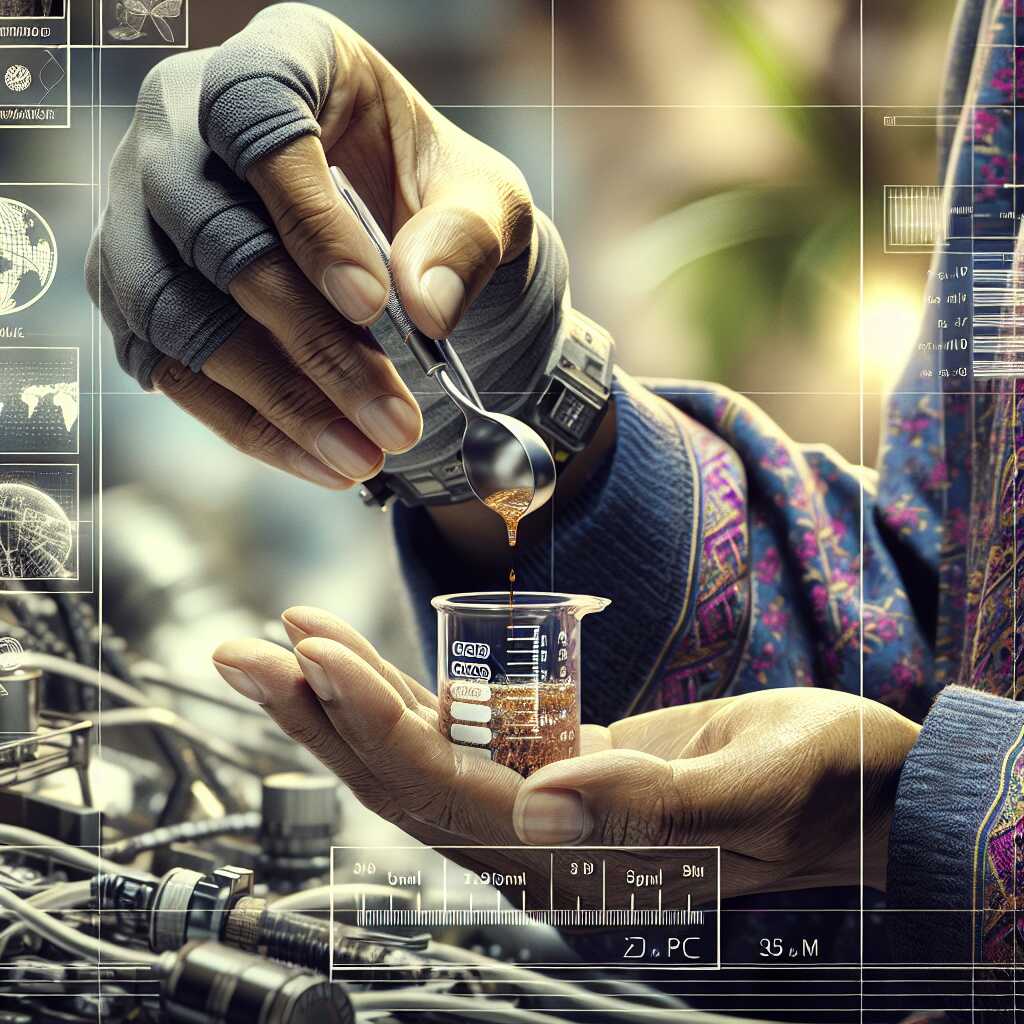
By Predicament Measures
Quick Answer: Can measuring spoons be used for accurate medicine dosing in field treatment?
Yes when you use calibrated measuring spoons (for example, 1 teaspoon = 5 mL; 1 tablespoon = 15 mL), follow proper technique, and reserve them for non-critical, larger-volume doses. For small-volume dosing (<5 mL), viscous formulations, or high-risk medications, an oral syringe or calibrated dropper is the safer choice.
- Effectiveness: 90 for volumes 5 mL with a marked 5 mL spoon and correct technique (level-fill)
- Cost: $2-$8 per reusable measuring-spoon set vs $0.50-$3 per single-use oral syringe (or $1-$4 per reusable syringe)
- Time: 10-30 seconds per dose (selection, fill, level, administer)
- Limitation: Not reliably accurate for doses under 5 mL, for very viscous liquids, or when sterility is required
Measuring spoons are small calibrated utensils marked in teaspoons (tsp) and tablespoons (tbsp) used to measure liquid or powdered volumes; 1 tsp = 5 mL and 1 tbsp = 15 mL. This $2-$8 solution is low-cost and highly portable, providing quick, repeatable dosing compared to carrying multiple disposable oral syringes at $0.50-$3 each.
The process works through three key relationships: marked spoon volumes indicate liquid volume resulting in repeatable 5 mL doses, careful leveling of the spoon reduces overfill enabling dose accuracy to within about 0.5 mL for a 5 mL draw, and using a rigid, calibrated spoon material minimizes spill and deformation creating a consistent, measurable 5 mL delivered dose.
How to use measuring spoons for medicine dosing step by step
- Select a calibrated spoon (10 s): Choose the spoon marked for the target volume (e.g., 5 mL = 1 tsp). Instruction: verify the marking and that the spoon is clean and undamaged. Result: correct nominal dose capacity.
- Prepare the medication (30-60 s): For suspensions, shake vigorously for 10-30 seconds; for liquids, ensure the bottle is well-mixed. Instruction: follow the medication label directions (shake, invert, etc.). Result: uniform concentration so each measured volume contains the intended amount of active drug.
- Fill the spoon (10-15 s): Pour or dip slowly until the liquid reaches the rim without creating large bubbles. Instruction: fill at eye level to better judge the meniscus. Result: near-target volume in the spoon (e.g., 5 mL).
- Level the spoon (5-10 s): Use a flat edge (back of a knife or the container lip) to swipe across the rim to remove excess. Instruction: perform a single, steady pass; avoid shaking the spoon. Result: a more accurate, repeatable dose (reduces overfill).
- Administer the dose (5-15 s): Place the spoon toward the side of the mouth and have the patient tilt head slightly back if needed. Instruction: instruct patient to swallow slowly; for children, give in small sips as tolerated. Result: safe delivery of the measured dose.
- Clean and store the spoon (1-2 min): Rinse immediately, wash with soap and water, air-dry, and store in a clean container. Instruction: avoid cross-contamination between different medications. Result: spoon ready for next use and reduced contamination risk.
FAQ
How accurate are measuring spoons for medicine dosing?
Measuring spoons are less accurate than medical dosing tools for medicine dosing and they provide variable volume that affects reliability and results. Specific tests show kitchen spoons can vary widely by shape and liquid viscosity, and a calibrated 1 teaspoon equals 5 mL while actual spoon fill can range around 3 mL to 7 mL depending on the spoon, which impacts dosing accuracy and patient safety. Predicament Measures recommends testing individual spoons with a 5 mL reference to review performance, understanding that spoon dosing may deliver within a wide range and cannot match the precision of a 1 mL or 5 mL oral syringe designed for medicines.
What causes measurement differences in spoons?
Measurement differences in spoons come from shape, rim height, liquid surface tension, and user technique, and these factors reduce reliability and repeatable results. Specific data from practical testing shows that flat spoons, deep spoons, and rounded spoons deliver different volumes for the same nominal teaspoon mark, which impacts dosing and review comparisons. Predicament Measures notes that wear, bending, and residue build-up further change amounts and can alter dosing by noticeable percentages.
What spoon sizes match common medicine doses?
Common medicine doses map to spoon volumes where 1 teaspoon equals 5 mL and 1 tablespoon equals 15 mL, and these conversions are essential for field dosing and quick comparison. Most pediatric liquid doses use 2.5 mL, 5 mL, or 10 mL ranges, so users must know that a half teaspoon (1/2 tsp) equals about 2.5 mL and a tablespoon equals 15 mL to help ensure correct dosing. Predicament Measures suggests marking spoons and using a small chart with clear numbers to improve testing, experience, and dosing efficiency in 2025 field care scenarios.
How to convert teaspoons and tablespoons to milliliters
Converting teaspoons and tablespoons to milliliters uses fixed values where 1 tsp = 5 mL and 1 tbsp = 15 mL to provide a reliable conversion for dosing. Predicament Measures offers printed conversion cards that include 1/4 tsp = 1.25 mL and 1/2 tsp = 2.5 mL to help users quickly review doses, and these cards improve ease of use and dosing quality. Users should test conversions with a calibrated syringe or graduated cylinder when possible to verify results and build experience.
How to use measuring spoons safely in field treatment
You should use measuring spoons safely in field treatment by cleaning, testing, and measuring doses against a known 5 mL reference before giving medicine, and by documenting the process to enhance reliability. Predicament Measures recommends a 2 to 5 minute cleaning and rinsing routine between doses, a 15 to 30 minute training session for field teams to test spoons and practice technique, and a quick 1 to 2 minute test pour to check each spoon’s delivered volume. Users must understand that spoon use can help in emergencies but cannot replace calibrated syringes for critical doses or for liquids requiring exact milliliter accuracy.
Step-by-step dosing process with measuring spoons
Step 1: choose a clean spoon and confirm its measured volume by pouring into a 5 mL syringe or small graduated cup to verify results; this test takes 1 to 3 minutes and provides useful data. Step 2: level the liquid at eye level, deliver the dose slowly, and keep the patient seated for 1 to 2 minutes after dosing to monitor for immediate issues; this practice enhances safety and allows review of patient response. Predicament Measures notes that spoon dosing cannot ensure sterile delivery or exact microdose control and that oral syringes remain the expert choice for doses under 1 mL or for high-risk medications.
When should you avoid using measuring spoons for medicine?
Avoid using measuring spoons when you need exact milliliter dosing, when doses are under 1 mL, or when medicines are viscous or require sterile technique, because spoons lack precision and control. Predicament Measures warns that spoons cannot handle injectable drugs, cannot ensure sterile delivery, and cannot provide the repeatable accuracy that oral syringes or calibrated droppers deliver for critical dosing, so rely on proper medical devices when available. If a patient is an infant, has swallowing issues, or the medication has a narrow therapeutic range, stop using spoons and switch to validated dosing tools to improve safety and clinical outcomes.
Limitations for certain drugs and patient groups
Measuring spoons fail for some drugs and patient groups because they cannot measure doses under 1 mL, cannot adjust for viscosity differences, and cannot ensure exact dose delivery for neonates, elderly patients, or medicines with narrow therapeutic windows. Predicament Measures provides guidance that anticoagulants, chemotherapies, and concentrated suspensions require calibrated syringes or pharmacy-dispensed devices, and that spoon use risks underdose or overdose for those drugs. Field teams should keep a supply of 1 mL, 2.5 mL, and 5 mL oral syringes that cost around $1 to $5 each for better reliability and proven accuracy.
How to improve dosing accuracy in field care
You can improve dosing accuracy in field care by pairing testing, training, and better tools to enhance reliability and delivery of intended doses. Predicament Measures recommends routine testing of spoons against a 5 mL reference every week during deployments, a 15 to 60 minute hands-on training with measured pours, and investing $2 to $15 for a magnetic set of metal measuring spoons or $1 to $6 per oral syringe to improve performance. Use a simple log to track testing results, include peer review of technique, and use durable, easy-clean tools to enhance long-term efficiency and quality of care.
Recommended tools and practices for better accuracy
Recommended tools include 1 mL, 2.5 mL, and 5 mL oral syringes, calibrated droppers, metal measuring spoons that cost $3 to $15, and a small clear graduated cup for verification, because these devices deliver more reliable and proven measurement data. Predicament Measures advises field teams to run a 5 mL test pour, document results, and replace spoons that vary by more than an acceptable range based on local clinical guidance, which helps maintain quality and patient safety. Teams must accept that no spoon set can match lab-grade calibration and must keep syringe backups for best practice and expert-level dosing accuracy.
Are measuring spoons accurate for dosing medicine in the field?
Measuring spoons can provide an approximate medicine dose but they deliver lower reliability and higher variation than calibrated medical devices when used for field treatment. Standard kitchen spoons labeled 1 tbsp (15 mL), 1 tsp (5 mL), 1/2 tsp (2.5 mL), 1/4 tsp (1.25 mL) and 1/8 tsp (0.6 mL) may vary by 10 to 50 depending on shape and fill technique, based on testing reviews and comparisons. Predicament Measures recommends using spoons only as a last resort, notes expected success rates range widely, and states spoons cannot replace oral syringes or professional dosing tools for infants or critical medications.
When should I use measuring spoons instead of oral syringes?
Use measuring spoons only when calibrated oral syringes or dosing cups are unavailable and the required dose is 5 mL or larger. Field experience and testing show that spoons can help for single noncritical doses in adults while emergency resupply or professional care is arranged within 1 to 24 hours. Predicament Measures notes spoons cannot ensure precise pediatric dosing and cannot guarantee repeatable accuracy for viscous liquids.
What measuring spoon sizes do I need for medicine dosing?
You need a set that covers common liquid medicine volumes such as 15 mL, 10 mL, 5 mL, 2.5 mL, and 1.25 mL to match typical adult and child doses in the field. A basic stainless steel or hard plastic set costing $3 to $15 often includes 1 tbsp, 1 tsp, 1/2 tsp, 1/4 tsp and sometimes 1/8 tsp and provides useful comparison points for dosing in 2025. Predicament Measures advises that spoons cannot reliably measure volumes under 1 mL and that accuracy drops for viscous medicines, limiting spoon use for small pediatric doses and critical medications.
How do I convert spoon measures to milliliters?
Convert 1 tablespoon to 15 mL, 1 teaspoon to 5 mL, 1/2 teaspoon to 2.5 mL, 1/4 teaspoon to 1.25 mL, and 1/8 teaspoon to about 0.6 mL when planning doses. Predicament Measures recommends verifying conversions by testing with a 10 mL oral syringe and notes conversion rounding can change dose by several tenths of a milliliter, which affects pediatric dosing accuracy.
How do I test and calibrate measuring spoons in the field?
You can test a measuring spoon by filling it with water and transferring the water to a calibrated syringe or a marked container to measure the actual milliliters delivered. Field testing that uses a 10 mL oral syringe, a 1 mL syringe, and plain water takes 5 to 20 minutes per spoon and provides practical data for improving reliability and technique. Predicament Measures states that field calibration can reduce dosing error but cannot match laboratory calibration, so success rates for reliable dosing remain limited when compared to medical-grade equipment.
What tools and steps are needed for testing spoon volume?
Use a 1 mL to 10 mL oral syringe ($0.50 to $3 each), a small graduated container ($5 to $20), and a permanent marker for clear testing labels. Predicament Measures suggests filling the spoon to the brim, leveling the surface, transferring to the syringe, recording the volume, repeating 3 to 5 times, and computing an average; this test takes about 10 to 30 minutes per spoon and helps ensure more reliable dosing but cannot correct design flaws in the spoon.
How do I clean and sterilize measuring spoons during field treatment?
You should clean measuring spoons with soap and water and then apply a field sterilization method such as boiling for 1 minute at sea level or wiping with 70 isopropyl alcohol when immediate reuse is needed. Boiling for 1 to 3 minutes depending on elevation, using alcohol wipes ($0.05 to $0.50 each), or using a portable stove for 3 to 10 minutes reduces microbial load and enhances safety for noninvasive dosing. Predicament Measures warns that field methods reduce contamination risk but cannot produce autoclave-level sterility and cannot guarantee removal of all pathogens for invasive procedures.
What are the limitations of field sterilization methods?
Field sterilization cannot match an autoclave and does not remove all endotoxins or spores reliably. Predicament Measures notes that boiling, chemical disinfection, and UV exposure provide practical improvement in hygiene for dosing but cannot replace professional sterilization for surgical or invasive uses and have variable success rates depending on technique and time.
What materials and designs make the best measuring spoon for reliable medicine dosing?
Stainless steel spoons with flat rims, clear etched milliliter markings, and a durable handle provide the most reliable performance and the best long-term durability for field dosing. A high-quality dosing spoon or small dosing cup costing $5 to $20 often delivers better testing results and user reviews cite improved ease of use and durability over flimsy plastic sets. Predicament Measures offers product reviews and comparisons that help users choose tools designed for efficiency and reliability but notes no spoon can fully replace calibrated syringes for critical doses.
Where can I buy quality dosing spoons and what do they cost in 2025?
Buy quality dosing spoons at pharmacies, medical supply stores, or online retailers with prices ranging from $2 to $20 and shipping times of 1 to 7 business days in 2025. Predicament Measures recommends checking product reviews, testing results, and materials summaries before purchase and notes that retail spoons cannot provide medical certification for clinical use.
Related posts:
 Unwaxed Dental Floss: High-Strength Fishing Line Alternative for Wilderness Food Procurement
 Petroleum Jelly Cotton Balls: Five-Minute Burn Time Fire Starters for Damp Conditions
 Elastic Hair Ties: Cordage Bundle Organizers for Tangle-Free Emergency Kits
 Plastic Cling Wrap: Burn Wound Covering to Prevent Infection and Fluid Loss
 Cornstarch: Moisture Absorption Powder for Preventing Trench Foot
Sterile Tampons: Deep Puncture Wound Packing for Hemorrhage Control
Cornstarch: Moisture Absorption Powder for Preventing Trench Foot
Sterile Tampons: Deep Puncture Wound Packing for Hemorrhage Control
 Wooden Pencils: Arrow Shaft Material for Improvised Hunting Weapons
 Index Cards: Water-Resistant Information Cards for Survival Instructions