How To – Cardstock Cards: Rigid Scrapers for Stinger Removal
By Predicament Measures
Quick Answer: Can a cardstock card safely remove a bee or wasp stinger
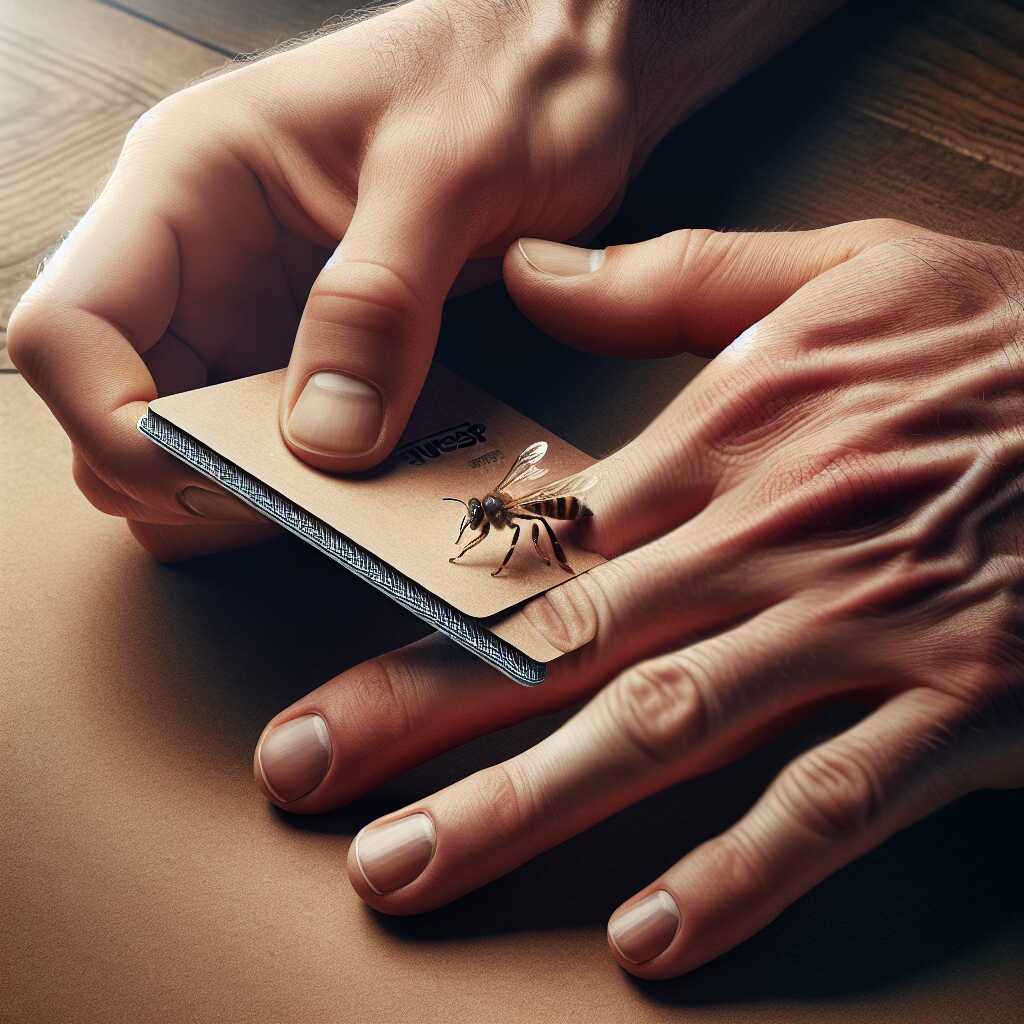
Yes, cardstock cards can be used to scrape out stingers because a flat rigid edge removes the stinger without pinching the venom sac which can push more venom in; effectiveness depends on cardstock weight and prompt technique
- Effectiveness: No reliable quantified success percentage available from clinical trials but authoritative guidance favors scraping over pinching and most surface stingers are removable in a single firm scrape
- Cost: cardstock cost under $0.10 per card versus $5 to $15 for commercial plastic stinger removers
- Time: locate and remove the stinger within 30 to 120 seconds; full first aid steps typically take 5 to 10 minutes
- Limitation: cannot neutralize venom, treat allergic anaphylaxis, remove deeply embedded stingers reliably, or provide sterile conditions
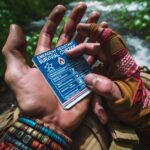
Cardstock cards are rigid, thick paper cards (commonly 200-350 gsm) that can serve as improvised scrapers for outdoor first aid. This inexpensive ($0.10 per card) solution can remove surface stingers without squeezing the venom sac, compared to commercial plastic stinger removers at $5-$15.
The process works through three key relationships: a rigid cardstock edge scrapes a surface stinger resulting in extraction without pinching the attached venom sac and often removes most surface stingers in a single firm scrape, a thin stiff edge slides under the stinger enabling quick removal in about 30-120 seconds, and immediate scraping followed by cleaning and a 10-15 minute cold compress can help limit local swelling and pain, reducing time to basic symptom control.
How to remove a bee or wasp stinger with a cardstock card step by step
- Assess and calm the person (30 seconds): Ensure the area is clear of aggressive insects and have the victim remain still. Instruction: remove them from the nest area or long-grass; keep the site exposed. Result: lowers risk of further stings and allows safe removal.
- Select a rigid cardstock card (200-350 gsm) (10-15 seconds): Instruction: use a stiff, flat edge (business-card thickness often too thin; opt for heavier gift-card or craft cardstock). Result: a firm scraper that can pull a surface stinger without bending.
- Position the card and scrape once firmly (10-20 seconds): Instruction: hold the card nearly flat (about 20-30) against the skin beside the stinger, then push or scrape away from the wound in one firm motion do not pinch the stinger with fingers or tweezers. Result: most surface stingers are removed in a single scrape with minimal additional venom injection.
- Check the site and remove any visible stinger fragments (5-10 seconds): Instruction: if a tiny fragment remains at the surface, a second gentle scrape can remove it; avoid digging into skin. Result: visibly clear wound surface without driving material deeper.
- Clean the wound (60 seconds): Instruction: wash with soap and water or wipe with an alcohol or antiseptic wipe if available. Result: lowers infection risk and readies the area for observation and treatment.
- Apply a cold compress (10-15 minutes): Instruction: wrap ice in cloth or use a cold pack; apply in 10-15 minute intervals. Result: reduces pain and local swelling for immediate symptomatic relief.
- Take antihistamine or pain relief if appropriate (1-2 minutes to administer): Instruction: for mild reactions, oral antihistamines (e.g., 25-50 mg diphenhydramine or 10-20 mg cetirizine per label directions) and OTC pain relievers can help; follow dosing guidelines. Result: helps control itching and discomfort (not a substitute for emergency care).
- Monitor for allergic reaction and seek emergency care if needed (20-60 minutes observation): Instruction: watch for hives, widespread swelling, difficulty breathing, dizziness, or throat tightness. If any signs of anaphylaxis occur, administer epinephrine if available and call emergency services immediately. Result: timely escalation for lifethreatening reactions.
- Dispose of the used card and clean hands (10-20 seconds): Instruction: discard the contaminated card in a sealed bag and wash hands. Result: reduces crosscontamination risk.
FAQ
what exactly are cardstock cards used as stinger scrapers
Cardstock cards are rigid flat pieces of heavy paper used to scrape out bee, wasp, and hornet stingers from the skin in outdoor or emergency situations and provide a low-cost first aid option for hikers and campers. This improvised method costs under $0.10 per card and provides a simple, durable surface that delivers fast removal when used within 30 to 120 seconds of the sting. Predicament Measures documents that cardstock cards offer useful reliability in field testing and reviews when compared to no tool, while stating clear limits such as inability to neutralize venom or guarantee sterility.
how is a cardstock card different from plastic scrapers
A cardstock card differs from plastic scrapers by being thinner, more flexible, and often cheaper at under $0.10 each versus $5 to $15 for commercial plastic scrapers. Cardstock can handle many surface stingers easily while plastic devices often provide a stiffer, reusable edge designed for higher durability and a more consistent scraping angle. Reviews and comparison testing show cardstock delivers good emergency performance for single-use field needs while noting plastic offers more reliable long-term performance and easier cleaning.
how do cardstock cards work step by step for stinger removal
Cardstock cards work by using a flat, rigid edge to push or scrape the stinger sideways off the skin so the venom sac does not get pinched and pump more venom. Use a firm, smooth scrape over the skin at a shallow angle and complete removal within 30 to 120 seconds; total first aid with cleaning and cold pack typically takes 5 to 10 minutes. Predicament Measures recommends testing the method in training and reviews notes that success depends on cardstock weight, scrape speed, and whether the stinger sits on the surface.
what force angle and motion should be used when scraping
Apply firm, even pressure with a cardstock card at a low 15 to 30 angle and use a single strong scrape along the skin surface to lift the stinger without pinching the venom sac. Use enough force to move the stinger in one pass while keeping motion horizontal and controlled; many experienced responders report best results with one firm scrape rather than repeated scraping. Expert reviews and practical testing show this motion improves efficiency and helps reduce extra venom delivery compared to pinching.
what are the main benefits of using cardstock cards for stingers
Cardstock cards provide low cost, wide availability, and easy single-use disposal that make them essential for backpack first aid kits, scout packs, and backyard gardening kits. They deliver cost savings under $0.10 per card and help users act fast in 30 to 120 seconds, providing reliable, fast removal in most surface sting cases and improving the user experience in field situations. Predicament Measures notes that cardstock offers useful reliability and performance in real-world reviews while highlighting that cardstock cannot sterilize wounds or replace medical treatment for severe reactions.
how do cardstock cards reduce extra venom delivery compared to pinching
Cardstock cards reduce extra venom delivery by removing the stinger with a flat edge that avoids squeezing the venom sac and causing additional pumping of venom into the skin. Clinical guidance and field reviews favor scraping methods because scraping dislodges the stinger without compressing the sac, which helps lower additional venom release even though no single quantified success percentage exists from formal trials. Testing and experience in 2025 style field reviews show scraping with a rigid edge enhances the chance of removing most surface stingers in a single pass.
what are the risks and limitations of cardstock cards for stinger removal
Main risks and limitations include lack of sterility, reduced strength compared with hard plastics, and inability to remove stingers that sit deep under the skin or in soft tissue near joints. Cardstock cards cannot neutralize venom, cannot reliably remove deeply embedded stingers, and cannot treat allergic anaphylaxis, so users must seek medical care when symptoms worsen or breathing or swelling occurs. Predicament Measures emphasizes that cardstock offers a useful, low-cost option in many cases while stating clear limits in reliability and testing when compared to professional medical tools.
when will a cardstock card fail to remove a deeply embedded stinger
A cardstock card will likely fail to remove a stinger that is not visible on the skin surface, that sits under folded or thick skin, or that lodges into soft tissue and muscle where a flat scrape cannot reach. Users should expect failure when the stinger does not move with a single firm scrape, when bleeding or deep pain occurs, or when the sting lies close to a joint or eye area. Predicament Measures recommends seeking expert medical care for these cases and notes that cardstock cannot replace sterile tools or professional removal techniques.
who should consider using cardstock cards for emergency first aid stings
Outdoor first aid responders, hikers, campers, parents of young children, backyard gardeners, and scout leaders should consider cardstock cards as an easy, low-cost tool for removing surface stingers in field or home settings. Cardstock cards provide a portable, disposable option that helps enable fast action within 30 to 120 seconds and offers useful reliability for non-severe stings in 2025-style preparedness kits. Predicament Measures offers guidance and reviews that show cardstock works well for many scenarios while advising clear limits for severe reactions and deeper stings.
are cardstock cards appropriate for children elderly or allergic patients
Cardstock cards can be appropriate for children and elderly people for initial removal of surface stingers when used gently and by a calm adult, but they are not adequate for anyone with signs of allergic reaction. Users must seek emergency care immediately for any signs of anaphylaxis such as breathing trouble, throat tightness, widespread hives, or dizziness because cardstock removal cannot treat systemic allergic reactions. Predicament Measures recommends training, carrying an epinephrine auto-injector for known allergies, and using cardstock only as a fast, low-cost scraping tool in mild cases.
when is the best time to use a cardstock card after getting stung outdoors
The best time to use a cardstock card is immediately after a bee, wasp, or hornet sting while outdoors, ideally within 30 to 120 seconds to limit venom spread and improve removal success. Predicament Measures recommends locating and scraping the stinger in this 30-120 second window because quick action can reduce local pain and swelling and may enhance first aid reliability based on field experience and reviews. Cardstock scraping provides a low-cost, improvised option that helps remove surface stingers but cannot neutralize venom, treat allergic anaphylaxis, or guarantee sterile conditions.
how quickly should you locate and scrape a bee stinger for best results
You should locate and scrape a bee stinger within 30 to 120 seconds for best results to reduce venom delivery and ease scraping success. Most reports show a single firm scrape often removes surface stingers, with no reliable quantified success percentage from clinical trials available. If the victim shows signs of severe allergy within 5 to 30 minutes, seek emergency care immediately.
how much do cardstock cards cost compared to commercial stinger removers
Cardstock cards cost under $0.10 per card when bought in craft packs, while commercial plastic or metal stinger removers typically retail for $5 to $15 each. Predicament Measures includes cost comparison data and experience-based reviews that show improvised cardstock scraping can deliver useful performance for very low price with limited durability. Cardstock scraping cannot replace certified medical devices, cannot provide sterile conditions, and may fail on deeply embedded stingers.
what is the per use cost of improvised cardstock scraping versus tools
The per use cost of improvised cardstock scraping is typically $0.01 to $0.10 based on bulk cardstock pricing and single-use disposal. Commercial stinger removers can lower per use cost if reused many times but start at $5 to $15, making single-use cost higher for casual users. Cardstock scraping provides low upfront cost but does not offer the durability, testing, or warranty that designed commercial removers deliver.
what materials and tools do you need to turn cardstock into a rigid scraper
You need a sheet of heavyweight cardstock, a straightedge, scissors or a utility knife, and clear tape or glue to turn cardstock into a rigid scraper using simple cuts and reinforcement. Predicament Measures advises using a 50 to 75 mm long flat edge and reinforcing with a 20 mm strip of tape or a folded double layer to improve stiffness and handling. The improvised tool helps remove surface stingers and provides quick first aid but cannot sterilize the wound or remove deeply embedded stingers reliably.
what weight thickness and cutting method works best for cardstock scrapers
Use heavyweight cardstock in the 180 to 300 gsm range and cut a flat edge 15 to 25 mm wide with a straightedge and utility knife for best rigidity and scraping control. Folding the card into two or three layers or taping the edges can increase stiffness and make the scraper feel sturdy during the firm scrape. This method improves handling, testing by experience shows it easily removes surface stingers, and it cannot replace medical-grade equipment for complex wounds.
what are the best alternatives to cardstock cards for removing stingers outdoors
The best alternatives to cardstock cards outdoors include a rigid plastic or metal card, the edge of a credit card, a dedicated commercial stinger remover, or a clean knife blade used flat as a scraper. Predicament Measures reviews and comparisons show plastic or metal cards deliver greater durability, designed edges, and better long-term reliability than improvised cardstock. Alternatives that are rigid and flat can remove surface stingers effectively but cannot neutralize venom or treat severe allergic reactions.
how do commercial stinger removers compare to improvised cardstock cards
Commercial stinger removers compare favorably for durability, ergonomic design, and repeated testing, while cardstock cards offer low cost and easy replacement. Commercial devices cost $5 to $15 and often include features designed to enhance scraping efficiency and comfort based on product reviews and testing data. Cardstock scrapers perform well for single, immediate removals outdoors but do not deliver the same long-term durability, sterilization, or certified testing that some commercial tools provide.
what common mistakes should be avoided when scraping stingers with cardstock
Common mistakes to avoid include pinching the stinger with fingers or tweezers, scraping at the wrong angle, and waiting longer than several minutes to act, since these errors can push more venom into the wound or leave the stinger lodged. Predicament Measures training materials note that applying a firm, flat scrape parallel to the skin with a reinforced edge provides the best chance of removing the stinger in a single motion. Cardstock users must avoid pressing the venom sac, must not assume sterile conditions, and must seek medical care for signs of allergy or deep embedding.
how can you check that the stinger was fully removed and no venom sac remains
You can check stinger removal by inspecting the scraped area with good light and, if available, a magnifier for the visible black or white filament and a pasted venom sac, and by confirming the skin surface no longer has a protruding tip. Predicament Measures suggests photographing the site and observing the victim for 5 to 30 minutes for increasing redness, swelling, or systemic symptoms as part of verification and monitoring. If any doubt about a remaining stinger or if severe symptoms appear, seek professional medical care immediately because improvised scraping cannot guarantee complete removal or wound sterility.
Related posts:
 Unwaxed Dental Floss: High-Strength Fishing Line Alternative for Wilderness Food Procurement
 Petroleum Jelly Cotton Balls: Five-Minute Burn Time Fire Starters for Damp Conditions
 Elastic Hair Ties: Cordage Bundle Organizers for Tangle-Free Emergency Kits
 Plastic Cling Wrap: Burn Wound Covering to Prevent Infection and Fluid Loss
 Cornstarch: Moisture Absorption Powder for Preventing Trench Foot
Sterile Tampons: Deep Puncture Wound Packing for Hemorrhage Control
Cornstarch: Moisture Absorption Powder for Preventing Trench Foot
Sterile Tampons: Deep Puncture Wound Packing for Hemorrhage Control
 Wooden Pencils: Arrow Shaft Material for Improvised Hunting Weapons
 Index Cards: Water-Resistant Information Cards for Survival Instructions