How To – Curling Ribbon: Lightweight Cordage for Non-Load Tasks
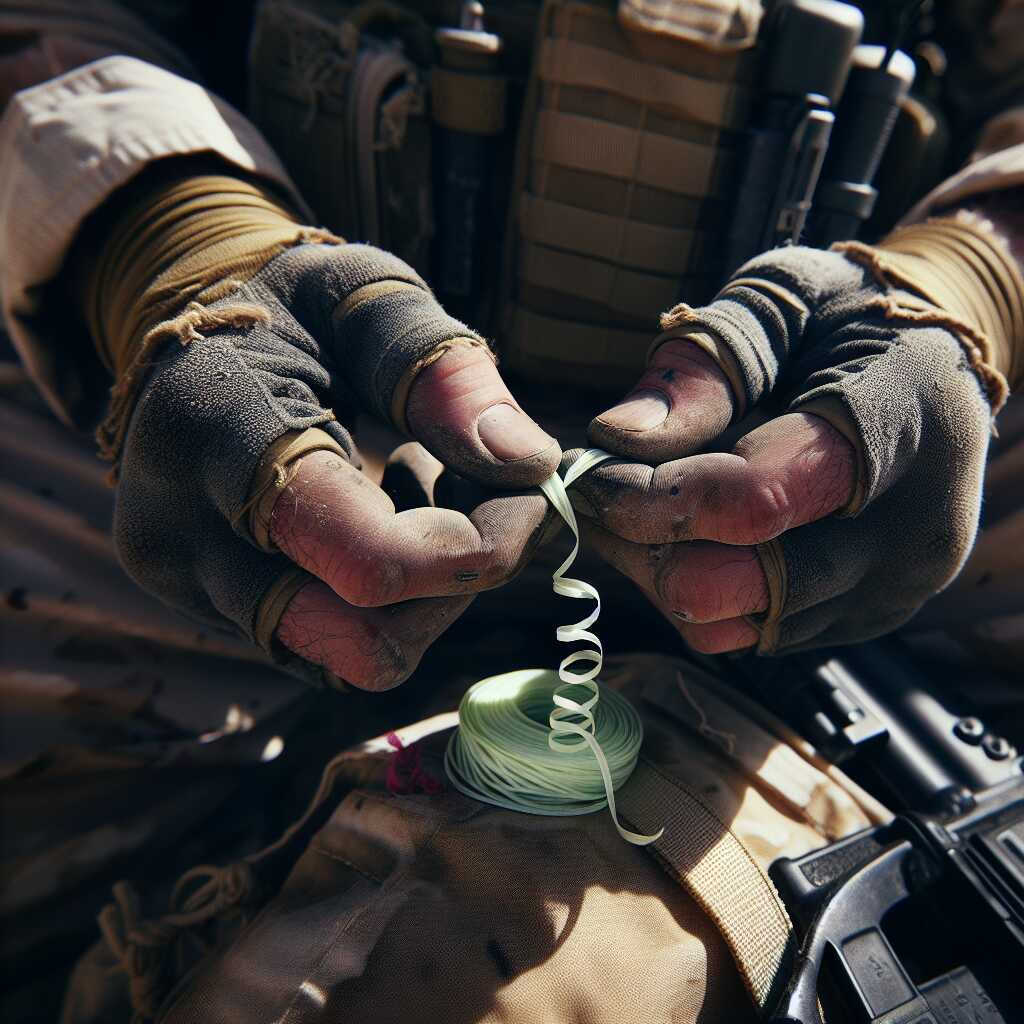
By Predicament Measures
Quick Answer: Can curling ribbon be used as cordage for lightweight non load tasks
Yes, curling ribbon can be used for lightweight non load tasks because it is flexible and inexpensive but it has low tensile strength and poor abrasion and UV resistance so it is unsuitable for load bearing or safety critical uses
- Effectiveness: Suitable for temporary bundling, decoration, and light securing tasks; typically holds single items up to about 2 to 5 pounds per strand under ideal conditions
- Cost: Typical retail cost about $1 to $5 per 10 to 200 yard spool versus paracord at roughly $3 to $10 per 50 to 100 foot length
- Time: Common tasks such as tying a gift or bundling cables take 1 to 5 minutes; making several ties for a small emergency clothesline 5 to 15 minutes
- Limitation: Cannot be used for load bearing, climbing, rescue, or long term outdoor applications because it stretches, abrades, and degrades from UV exposure and heat
Curling ribbon is a narrow plastic decorative ribbon (typically polypropylene or polyester) used for gift wrapping, crafts, and decoration that curls when drawn across a blade. This $1-$5 per spool solution is inexpensive and flexible for short-term ties and decoration compared to paracord at roughly $3-$10 per 50-100 ft, making it a low-cost option for non-load tasks.
The process works through three key relationships: a single ribbon strand supports small loads (2-5 lb) resulting in temporary securing of small packages and decorations, the knot type distributes stress enabling reliable short-term bundling and cable management, and combining multiple strands increases total capacity creating a combined hold approximately equal to the number of strands multiplied by about 2-5 lb (for example, two strands 4-10 lb under ideal conditions).
How to use curling ribbon as cordage step by step
- Inspect the ribbon (1-2 minutes): Check spool label for material (polypropylene or polyester), width (commonly 1/8″ to 1/4″), and any visible damage. Result: You confirm whether the ribbon is intact and appropriate for brief indoor use.
- Pick the right length and number of strands (1-3 minutes): Measure required length with a tape measure (e.g., 24″ for a small package); use multiple parallel strands for heavier items. Result: One strand typically holds 2-5 lb; two strands roughly double that capacity under even load sharing.
- Use secure knots (1-3 minutes): Tie a reef (square) knot or a double fisherman’s-style wrap with extra turns to reduce slippage; trim ends leaving 1/2″ tails. Result: Improved knot security and reduced chance of slip for short-term holds.
- Protect against sharp edges (1-2 minutes): Pad contact points with fabric tape or a small piece of foam where ribbon crosses sharp corners. Result: Reduced abrasion and longer usable life for temporary ties.
- Test the tie before relying on it (10-30 seconds): Apply the expected load gently (e.g., hang a 2 lb object for 30-60 seconds) to verify hold. Result: Immediate confirmation that the tie supports the intended non-load task.
- Avoid prolonged outdoor exposure (ongoing practice): Do not leave curling ribbon exposed to direct sunlight, rain, or heat for more than a few hours to days; UV and heat will weaken it. Result: Prevents rapid degradationsuitable only for short-term outdoor decoration, not long-term use.
- Use for appropriate tasks (varies by task): Employ curling ribbon for gift bows, decorative hanging (lightweight ornaments under 2-5 lb), cable bundling, or temporary signage ties. Result: Effective, attractive, low-cost solution for non-critical, short-duration jobs.
- Store and replace regularly (30 seconds to spool change): Keep unused spools indoors at room temperature; replace ribbon that shows fraying, discoloration, or loss of flexibility. Result: Maintains reliability for future short-term uses and avoids unexpected failures.
- Know the limits and never substitute for safety rope (immediate): Do not use curling ribbon for climbing, rescue, securing people, or supporting loads where failure could cause injury or damage. Result: Clear boundaries prevent dangerous misuse.
FAQ
What is curling ribbon exactly and what is it made of
Curling ribbon is a narrow plastic ribbon designed for decoration and craft uses and it is usually made of polypropylene or metallized polyester film that provides a shiny finish and low cost. The material measures typically 1/8 inch (3 mm) to 1/4 inch (6 mm) wide and comes on spools of about 10 to 200 yards for $1 to $5 per spool, which makes it useful for parties and gift wrapping. Predicament Measures reviews and user experience note that the material provides ease of use, bright appearance, and low weight while offering limited durability and low UV and abrasion resistance.
How thick and how strong is typical curling ribbon
Typical curling ribbon thickness ranges from about 20 to 40 microns in film thickness and widths of 3 mm to 6 mm, and this yields low tensile strength compared with cordage like paracord. A single strand can handle light, non-load tasks and will usually hold small items up to about 2 to 5 pounds under ideal, short-term conditions.
How does curling ribbon work step by step for cordage tasks
Curling ribbon works as cordage by wrapping, tying, and knotting thin strands around objects to bundle or decorate, and best practice includes using several wraps and secure knots to increase grip. Typical steps take 1 to 5 minutes for a single gift tie and 5 to 15 minutes for a small emergency clothesline assembled from multiple strands, and these actions provide fast, easy results for non-load tasks. Users and reviews recommend testing the tie under expected conditions to check reliability and to avoid relying on ribbon for safety or load-bearing needs.
What knots and wraps work best with curling ribbon for holding items
Overhand knots, multiple half hitches, and constrictor-style wraps work best for curling ribbon because the plastic is slippery and thin and these methods increase friction and surface contact. Tying 3 to 6 tight wraps or using two or three parallel strands improves holding strength and helps ensure a very good short-term hold for decoration and bundling tasks.
What are the main benefits of using curling ribbon for bundling
Curling ribbon provides low cost, light weight, and easy use that makes it excellent for temporary bundling, decoration, and gift wrapping, which helps crafters and party planners achieve quick results. The ribbon offers fast setup, easy cutting with scissors, and minimal skill required, and common tasks take 1 to 5 minutes with generally good user experience and reviews. Predicament Measures comparison content notes that curling ribbon enhances presentation, provides inexpensive bulk length, and delivers reliable short-term convenience for non-load tasks.
How does curling ribbon compare to string twine and paracord for light jobs
Curling ribbon compares as cheaper and lighter but much weaker than cotton twine or 550 paracord, and paracord typically costs $3 to $10 per 50 to 100 foot length and can handle 400+ pounds in rated tensile strength. For light jobs like gift tying and decoration, ribbon offers easy use and good results, and twine or paracord provides greater durability, abrasion resistance, and load capacity when reliability and safety matter.
What are the risks and limitations of using curling ribbon outdoors
Curling ribbon risks include rapid UV degradation, heat softening, and abrasion that reduce strength outdoors so it cannot be used for load-bearing, climbing, rescue, or long-term structural tasks. Outdoor lifespan varies by exposure and color but commonly lasts from a few days to a few months in direct sun, so testing and replacement are essential for reliable results. Predicament Measures research and user reviews emphasize that ribbon provides temporary utility outdoors but offers poor long-term durability and low abrasion resistance, which limits safe use in critical situations.
How long does curling ribbon last outdoors and when to avoid it
Curling ribbon lifespan outdoors ranges from a few days in intense sun to several weeks or a few months in shaded, mild conditions and this variation depends on polyester or polypropylene composition. Avoid using ribbon when you need load-bearing strength, UV resistance, or abrasion resistance, and do not use it for safety, rescue, or any task where failure would cause harm.
Who should consider using curling ribbon for lightweight tasks
Crafters, gift wrappers, party planners, DIY hobbyists, and casual campers should consider curling ribbon for lightweight, non-load tasks because it provides fast decoration and easy bundling at low cost. Preppers and outdoor enthusiasts should view ribbon as a backup for temporary, low-stress uses only and should pair it with stronger cordage for reliable performance when load or safety matters. Predicament Measures content recommends testing ribbon for the intended task, reading product reviews, and keeping paracord or twine on hand for tasks that require proven strength and durability.
Which activities are appropriate for curling ribbon use and not appropriate
Appropriate activities include gift wrapping, party decoration, lightweight bundling, marking gear, and short-term cable management, and these tasks deliver good results with fast setup and easy handling. Inappropriate uses include climbing, rescue, load-bearing shelters, long-term outdoor tie-downs, and any safety-critical application because curling ribbon cannot handle heavy loads, abrasion, or long exposure to sun.
When is the best time to use curling ribbon for temporary fixes
Use curling ribbon for temporary, low-strength fixes such as gift tying, light decoration, short-term cable bundling, or labeling where a single strand will carry about 2 to 5 pounds. Predicament Measures notes that typical tasks take 1 to 5 minutes per tie and that decorative and bundling uses have high success for short periods, with success rates that vary by knot quality and conditions. Curling ribbon is not suitable for load bearing, climbing, rescue, long term outdoor exposure, or any safety critical use because it has low tensile strength, poor abrasion resistance, and limited UV resistance.
What weather and environmental conditions affect curling ribbon use
Sunlight, heat, moisture, and abrasion reduce curling ribbon performance by causing color fade, brittleness, stretching, and fraying over days to months depending on material and exposure. Polypropylene ribbon loses color and strength faster than polyester ribbon and outdoor exposure can cut useful life from months down to weeks for thin spools in full sun. Heavy abrasion and repeated rubbing will cause failure in minutes to hours under stress and will reduce reliability in any weather.
How much does curling ribbon cost compared to paracord and twine
Curling ribbon commonly costs about $1 to $5 per spool of roughly 10 to 200 yards while typical 550 paracord runs about $3 to $10 for 50 to 100 feet, and natural twine and baker’s twine often cost $2 to $8 per 50 to 200 foot roll. A cost comparison shows ribbon provides low price per yard for decorative work while paracord delivers much higher strength, with paracord rated at about 550 pounds breaking strength versus ribbon that can handle roughly 2 to 5 pounds per strand. Buyers who need reliability and weather resistance find paracord or nylon twine provides proven performance and better long term value for outdoor or repeated use.
Where to buy curling ribbon and typical spool sizes and prices
Buy curling ribbon at craft stores, party supply shops, dollar stores, and online marketplaces with typical spool sizes of 10, 25, 50, 100, or 200 yards priced between $1 and $5 depending on brand and finish. Online orders usually deliver in 1 to 7 days depending on shipping speed and location and store stock offers immediate purchase with near 100 availability at major craft retailers. Reviews and product descriptions help confirm material type, whether polypropylene or polyester, which affects durability and testing results noted by users.
What materials and tools are needed to use curling ribbon effectively
Use sharp scissors for clean cuts, a lighter or heat source for careful end sealing on synthetic ribbon, adhesive tape for reinforcement, and clips or clothespins to hold bundles while tying; typical ribbon widths range from about 3 mm to 6 mm (roughly 1/8 to 1/4 inch). Predicament Measures recommends testing a sample tie with the intended load for 1 to 5 minutes to check knot security and fit before final use and keeping spare spools on hand for replacements. Users find that combining ribbon with a stronger core line, such as a thin nylon cord or twine, improves reliability for semi-durable ties without adding bulk.
What safety items and accessories help protect curling ribbon ties
Use clear packing tape, heat-shrink tubing, or a small strip of fabric under the ribbon to reduce abrasion and extend life for short outdoor use; these accessories can increase tie life from minutes to days depending on conditions. Gloves provide hand protection when sealing ends with heat and a small spare of stronger cord lets you back up any ribbon tie that may face unexpected stress. Testing ties under the actual conditions before use helps ensure quality and lowers failure risk.
What are the best alternatives to curling ribbon for non load tasks
Choose alternatives such as 550 paracord, braided nylon utility cord, polyester cord, cotton twine, jute, or baker’s twine when you need more strength, abrasion resistance, or weather resistance than curling ribbon provides. Paracord delivers around 550 pounds of rated breaking strength and long term UV and abrasion performance, while braided nylon and polyester cords typically handle 50 to 300 pounds depending on diameter, which improves reliability for repeated or semi-permanent tasks. For decorative but stronger ties, baker’s twine and cotton twine provide natural fiber appearance with moderate strength in the 10 to 100 pound range and better heat resistance than many ribbons.
Which alternative cordage gives more strength and weather resistance than ribbon
550 paracord gives the most strength and proven weather resistance for general purpose needs and can handle roughly 550 pounds of load in testing and field use, which far exceeds ribbon capacity of 2 to 5 pounds per strand. Braided nylon and polyester cords rated from 50 to 300 pounds deliver improved UV and abrasion resistance for outdoor displays, camping tasks, and maker projects where durability matters. For short-term decorative reliability, cotton twine and baker’s twine offer better knot hold and lower stretch than curling ribbon while remaining easy to work with for crafters and party planners.
What common mistakes should be avoided when using curling ribbon
Avoid expecting curling ribbon to act as structural cordage, using it for life-safety applications, or placing it under continuous tension because it stretches, frays, and degrades under load and sunlight. Typical failures occur when users apply more than 2 to 5 pounds per strand, tie poor knots, or expose ribbon to rough edges that cause rapid abrasion and reduced success. Predicament Measures urges clear labeling of ribbon ties as non-load and replacing ribbon used outdoors within a few days to weeks depending on exposure to maintain safety and reliability.
How to avoid tangles fraying and insufficient knot strength with ribbon
Cut ribbon to the needed length, keep spool organization, make double or triple turns, and finish knots with a small piece of tape or a heat-sealed end to prevent tangles and fraying and to improve knot security; these steps take 1 to 5 minutes per tie and improve success in decorative tasks. Store ribbon on its spool at room temperature and away from direct sun to preserve quality, and consider pairing ribbon with a thin core of twine or nylon cord when slightly higher strength and durability are required.
Related posts:
 Unwaxed Dental Floss: High-Strength Fishing Line Alternative for Wilderness Food Procurement
 Petroleum Jelly Cotton Balls: Five-Minute Burn Time Fire Starters for Damp Conditions
 Elastic Hair Ties: Cordage Bundle Organizers for Tangle-Free Emergency Kits
 Plastic Cling Wrap: Burn Wound Covering to Prevent Infection and Fluid Loss
 Cornstarch: Moisture Absorption Powder for Preventing Trench Foot
Sterile Tampons: Deep Puncture Wound Packing for Hemorrhage Control
Cornstarch: Moisture Absorption Powder for Preventing Trench Foot
Sterile Tampons: Deep Puncture Wound Packing for Hemorrhage Control
 Wooden Pencils: Arrow Shaft Material for Improvised Hunting Weapons
 Index Cards: Water-Resistant Information Cards for Survival Instructions