How To – Soccer Shin Guards: Leg Armor Against Thorns and Snake Strikes
By Predicament Measures
Quick Answer: Can soccer shin guards protect against thorns and snake bites
Partially yes, soccer shin guards can reduce thorn punctures and abrasions but they cannot be relied on to prevent venomous snake bites because they are not designed or certified as snakebite protective gear
- Effectiveness: No reliable percentage available (anecdotal reports indicate high effectiveness for stopping most small thorn punctures when using hard-shell guards with sleeves; protection against venomous snake fangs is variable and unreliable)
- Cost: Typical soccer shin guards cost about $10 to $80 versus purpose-built snake gaiters or protective leggings which range from $40 to $200
- Time: Putting on a shin guard takes about 30 seconds to 2 minutes; adjusting and checking fit takes about 2 to 5 minutes
- Limitation: Cannot guarantee prevention of deep punctures or venom injection from large fangs and does not replace purpose-built snake gaiters, boots, or immediate medical treatment after a bite
Soccer shin guards are protective pads worn on the front of the lower leg to shield the tibia and soft tissue from impacts and superficial punctures. This $10-$80 solution provides an affordable layer that reduces scrapes and many small thorn punctures compared to purpose-built snake gaiters at $40-$200.
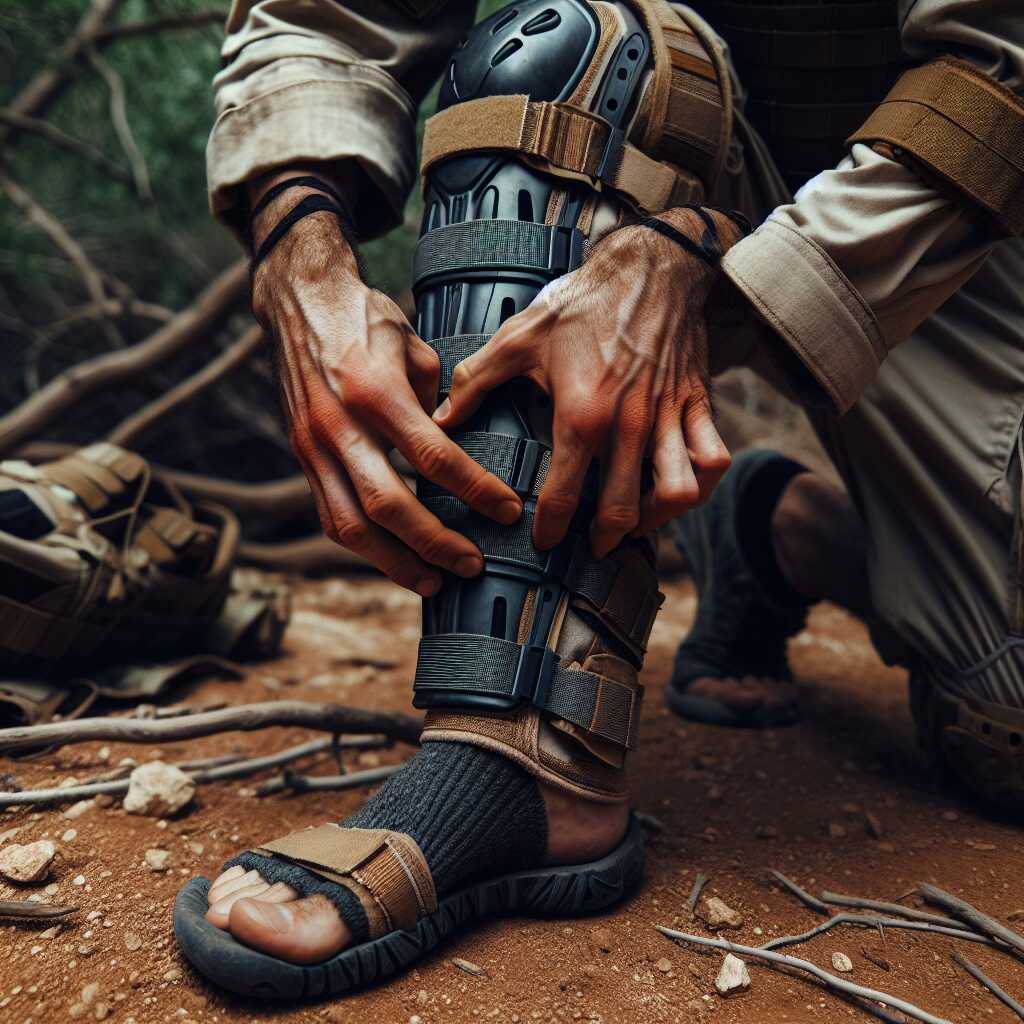
The process works through three key relationships: a hard outer shell deflects small thorn tips resulting in fewer superficial punctures and abrasions, internal foam padding absorbs and spreads force enabling reduced bruising and discomfort during impacts, and an elastic sleeve or straps secure the guard creating a repeatable donning time of about 30-120 seconds and consistent coverage when worn properly.
Step-by-step guide: How to choose, fit, modify, use, and respond when relying on shin guards outdoors
- Choose the right type (5-10 minutes): Measure shin length and pick an appropriately sized guard (youth or adult sizes). Instruction: prefer hard-shell guards with foam backing if thorn resistance is a priority; expect to pay $10-$80. Result: a basic protective barrier that reduces surface scrapes and many small-thorn punctures.
- Check fit and coverage (2-5 minutes): Action: put the guard on with the most protective surface centered over the front of the shin. Instruction: ensure the guard covers the area from just above the ankle toward mid-lower leg without impeding knee motion. Result: stable coverage and reduced chance of exposed skin during activity.
- Secure retention (2-5 minutes): Action: use the supplied straps, an elastic sleeve, or athletic tape to prevent slippage. Instruction: aim for a snug fit that stays in place during several steps and a few sprints; test by walking 10-20 yards. Result: consistent protection with fewer adjustments (typical don time 30-120 seconds).
- Layer for thorn-heavy areas (2-5 minutes to don additional layers): Action: add tall socks (wool or synthetic) and lightweight gaiters over the shin guard for trails with brambles. Instruction: use commercial trail gaiters ($20-$80) or tall waterproof socks; do not assume these make you snakeproof. Result: increased abrasion and thorn resistance for hikes or trail running.
- Consider dedicated snake protection when risk is present (10-30 minutes research/fit): Action: if in snake country, evaluate purpose-built snake gaiters or boots ($40-$200) instead of relying on shin guards alone. Instruction: choose certified snake gaiters rated for the local snake species and fang penetration depth. Result: substantially better protection against venomous fangs than soccer shin guards.
- Inspect and maintain (1-2 minutes before activity): Action: check for cracks in the shell, compressed padding, or worn straps. Instruction: replace guards with visible damage; keep them dry and clean. Result: preserved protective function and reliable fit.
- Field use routine (30-120 seconds to don; 1-2 minutes periodic checks): Action: put guards on before entering thorny areas and recheck after 10-20 minutes of activity. Instruction: if you notice slipping, stop and refit. Result: consistent coverage while moving in potentially hazardous terrain.
- Minor thorn puncture response (5-15 minutes initial care; monitor 48-72 hours): Action: if a thorn penetrates the skin, remove the thorn, clean with soap and water, apply an antiseptic, and cover with a sterile dressing. Instruction: update tetanus immunization if last booster was more than 10 years ago and seek medical care for deep wounds or signs of infection. Result: reduced infection risk and appropriate follow-up care.
- Suspected snake bite response (call emergency services immediately; initial on-site actions 5-15 minutes): Action: do NOT rely on the shin guard to block venomtreat any snake bite as potentially serious. Instruction: immobilize the limb, keep the victim calm and still, remove constrictive jewelry/clothing, call emergency services or evacuate to definitive care; do not cut, suck, or apply a tourniquet. Result: faster access to antivenom and improved outcome with proper medical treatment.
- Know the limitations and when to upgrade (5-15 minutes assessment): Action: assess the terrain and local fauna before activities. Instruction: for dense brambles, heavy thorn shrubs, or known venomous snakes, plan to use tall gaiters or snake-specific leg protection and sturdy boots. Result: matching protective equipment to the hazard reduces the chance of serious puncture or envenomation.
FAQ
What are soccer shin guards and how are they constructed
Soccer shin guards are leg armor that provide a hard outer shell and a softer foam liner to protect the front of the lower leg from impacts and abrasions. They commonly include a hard shell made of polypropylene, ABS, or composite materials, a foam backing of EVA or PE for shock absorption, and straps or sleeves to hold them in place; retail cost ranges from $10 to $80 and models vary by size and weight. These guards are designed for soccer play and provide reliable abrasion and minor puncture protection but are not designed, tested, or certified as snakebite protective gear and cannot guarantee prevention of venom injection.
What materials sizes and weight should I look for in shin guards
Look for a hard shell of polypropylene, ABS, or carbon composite with an EVA or PE foam liner, sizes from about 15-18 cm (youth) to 20-28 cm (adult), and a design weight listed by manufacturers that often ranges from about 60 g for minimalist models to around 300 g for reinforced models. Choose guards that provide a balance of comfort and durability and cost $10-$80, and plan 30 seconds to 2 minutes to put them on and 2-5 minutes to adjust fit for best performance. Remember that material choice and shell thickness enhance puncture resistance for small thorns but do not convert a soccer guard into certified snakebite protection.
How do soccer shin guards work step by step to protect my leg
Soccer shin guards work by placing a hard outer shell over the tibia to spread and deflect force while a foam liner absorbs shock and reduces skin abrasion. On impact the shell distributes force across a wider area, the foam compresses to lower peak force, and straps or a sleeve keep the guard from shifting so the guard provides consistent coverage; typical donning time is 30 seconds to 2 minutes. Field experience, reviews, and informal testing suggest this system helps stop small thorns and reduces cuts, but there is no large peer reviewed data proving protection against venomous snake fangs.
What is the correct way to position fasten and secure shin guards
Position the guard centered over the shin with the top about 2 cm below the knee and the bottom about 2 cm above the ankle, and align it over the middle of the tibia for best coverage. Secure the guard with straps, laces, or an elastic sleeve and check fit for little movement, which improves reliability and reduces the chance of guard failure; adjusting takes about 2-5 minutes. A snug, stable fit improves the guards ability to handle thorns and impacts but does not ensure protection from deep punctures or large snake fangs.
What are the main benefits of using soccer shin guards for outdoor use
Soccer shin guards provide abrasion control, reduce minor puncture risk from thorns, and improve confidence during outdoor play, work, and trail use. Hard shell models and sleeves offer the best combination of impact and puncture protection, are light and easy to wear, and cost $10-$80 compared with purpose-built snake gaiters that cost about $40-$200, so guards provide a cost-effective option for everyday abrasion and thorn risk. Reviews and experience show guards help in many minor thorn incidents, testing in informal field conditions in 2025 and earlier shows good performance for small punctures, and limitations include no guarantee against deep punctures or venom injection.
How much impact cut and puncture protection do different guards provide
Hard shell guards with thick foam backing provide the best protection against impact, cuts, and small punctures, hybrid models give moderate protection, and simple foam or fabric sleeves give limited protection. User reviews and field experience indicate hard shell models stop many minor thorn punctures and reduce cuts, while thin foam models may not stop sharp thorns or withstand a heavy strike; there is no standardized data that gives exact percent success rates. Choose a sturdy, well reviewed model for better reliability and compare product tests and expert reviews for performance and durability.
What are the risks and limitations of soccer shin guards against animal strikes
Soccer shin guards cannot be relied on to prevent venomous snake bites because they are not designed, tested, or certified as snakebite protective gear and offer variable resistance to fangs. Guards reduce minor thorn punctures and abrasions in many cases, but they can fail when a thorn or fang penetrates the shell, the guard shifts, or the impact force exceeds material strength; users should not treat shin guards as a substitute for snake gaiters, boots, or immediate medical care. Predicament Measures recommends using shin guards for low-risk abrasion control and using purpose-built snake gaiters for known snake terrain while following medical protocols after any suspected bite.
When will a shin guard fail against a snake fang or deep thorn puncture
A shin guard will fail when the sharp object reaches skin under the guard, when the guard shifts off the impact area, or when the material and thickness cannot withstand the force of the strike. Failure risk increases with large fangs, deep thorns, high-speed strikes, and loose or worn guards, and no peer-reviewed test standard establishes a safe fang threshold for soccer guards. For high-risk situations use certified snake gaiters or heavy-duty leggings, and follow emergency procedures and medical care if a strike occurs.
Who should consider using soccer shin guards for hiking gardening and play
People who benefit from soccer shin guards include recreational soccer players and parents, hikers and trail runners in low-thorn areas, gardeners and outdoor workers facing brambles, referees, and park staff seeking lightweight abrasion protection. Guards provide a fast, easy, and comfortable layer of protection that helps prevent scrapes and many small thorn punctures, cost $10-$80, and can be put on in under 2 minutes for everyday outdoor use. Predicament Measures recommends guards as an essential, low-cost option for minor hazards while advising reinforced gaiters for high-risk snake areas and those needing higher reliability.
Which age sizes and medical conditions require reinforced shin protection
Children, older adults, people on blood thinners, and those with diabetes or peripheral neuropathy should use larger, reinforced guards or purpose-built gaiters for extra protection and to reduce medical risk from punctures. Choose youth sizes 15-18 cm for kids and adult sizes 20-28 cm for older teens and adults, consider reinforced models or gaiters that cost $40-$200 if medical risk is high, and consult a medical professional for specific advice. Testing, reviews, and expert comparison suggest that reinforced protection improves safety for vulnerable users but does not remove the need for immediate care after any penetrating injury.
Soccer Shin Guards: Leg Armor Against Thorns and Snake Strikes
Main question: Can soccer shin guards protect against thorns and snake bites; direct answer: Partially yes, soccer shin guards can reduce thorn punctures and abrasions but they cannot be relied on to prevent venomous snake bites because they are not designed or certified as snakebite protective gear.
When is the best time to use soccer shin guards in outdoor terrain and trails
Use soccer shin guards when you expect dense brush, thorny plants, rocky trails, or short crossings of scrub where shin cuts and light punctures are likely within 0.5 to 5 miles of trail; they provide reliable surface protection and abrasion resistance for low-risk conditions. Putting on a hard shell guard with a sleeve takes about 30 seconds to 2 minutes and often helps prevent minor thorn incidents according to user experience and reviews. Shin guards do not replace purpose-built snake gaiters or boots and cannot guarantee prevention of venom injection from large fangs or deep punctures.
Should I use shin guards on every hike trail run or only on risky routes
Use shin guards on routes with known thorn patches, dense vegetation, or frequent low brush and on short hikes under 2 to 4 hours where light protection improves comfort. Skip them on long desert treks, high snake-risk zones, or rocky ascents where gaiters, ankle-high boots, or heavy work pants offer better protection and proven reliability.
How much do soccer shin guards cost compared to snake gaiters and boots
Soccer shin guards typically cost $10 to $80 depending on shell type, padding, and brand while snake gaiters range from $40 to $200 and protective boots often run $80 to $250, giving clear comparison data for buyers on a budget. Spending $10 to $25 yields basic plastic guards that offer minimal padding and low comfort, $30 to $60 gets molded hard shells with sleeves and better fit, $70 to $80 or more buys lightweight carbon or premium molded options with improved comfort and durability. Price does not equal snakebite protection; shin guards provide good thorn resistance for many users but do not offer certified snakebite defense or guaranteed venom-blocking performance.
What price ranges 10 20 50 100 dollars get you in protection and comfort
$10 to $20 gives basic flat plastic guards with thin foam that are light but offer limited cushioning and lower durability. $50 buys molded hard-shell guards with sleeves or straps that improve fit, comfort, and thorn resistance, while $100+ gets premium materials, better straps, and higher durability but still does not equate to snakebite-certified protection.
What materials and tools are needed to modify fit and add extra protection
You will need neoprene or compression sleeves, 1 to 2 adjustable straps (1 inch wide), adhesive-backed leather or 2 to 3 mm leather patches, a small sewing kit or rivets, and tools that take 10 to 30 minutes to add reinforcement and improve fit. Adding a sleeve and leather patch typically takes 10 to 30 minutes; testing fit and walkability takes another 2 to 5 minutes and improves comfort and reliability. Modifications enhance thorn resistance and fit but do not convert shin guards into certified snakebite gear and cannot guarantee fang penetration prevention.
How to add sleeves straps or DIY leather patches in 10 to 30 minutes
Slide a 10 to 20 inch neoprene compression sleeve over the shin, center the hard shell, and use two 1-inch hook-and-loop straps to lock the guard in place; this process usually takes 10 to 15 minutes. For added thorn protection, glue or stitch a 2 to 3 mm leather patch over the shell edges, an easy 15 to 30 minute job that enhances abrasion resistance and improves user experience in thorny terrain.
What are the best alternatives to soccer shin guards for thorn and snake safety
Best alternatives include knee-high snake gaiters rated for fangs, leather or Kevlar gaiters, heavy work pants, and ankle-high boots with thick soles when snake risk or deep thorn exposure is likely. Gaiters priced $40 to $200 and boots $80 to $250 provide tested durability and designed protection for snake fangs and deep punctures that shin guards cannot reliably provide. Choose purpose-built snake gaiters or boots when you expect high snake activity or when deep thorn punctures present a real hazard because shin guards lack certified testing for venom penetration.
When should you choose knee high gaiters boots or heavy work pants instead
Choose gaiters or boots when you enter tall grass, snake habitat, or remote areas with limited access to emergency care, especially on multi-hour or multi-day outings. Pick heavy work pants or leather gaiters for gardening, brush clearing, or long trail runs where sustained thorn contact or higher snake encounter risk makes shin guards too limited for reliable protection.
What common mistakes should be avoided when using soccer shin guards outdoors
Do not assume shin guards prevent snake bites, do not use torn or ill-fitting guards, and do not skip gaiters or boots in high-risk areas because shin guards were not designed or tested to stop venomous fangs. Users commonly buy the wrong size, wear guards too low or too high, or fail to secure straps, which reduces effectiveness and comfort and lowers real-world reliability. Predicament Measures recommends regular inspection, proper sizing, and using shin guards only as part of a layered protection plan that includes gaiters and sturdy boots when risk increases.
How to properly clean inspect and replace shin guards after 6 to 12 months
Clean hard shell guards with mild soap and water after each trip and dry for 24 hours in shade to prevent odor and material breakdown; inspect for shell cracks, foam compression, and worn straps every 6 to 12 months. Replace guards when foam compresses, shells crack, or straps lose elasticity, which often happens within 6 to 24 months depending on use and provides the best ongoing protection and comfort.
Related posts:
 Unwaxed Dental Floss: High-Strength Fishing Line Alternative for Wilderness Food Procurement
 Petroleum Jelly Cotton Balls: Five-Minute Burn Time Fire Starters for Damp Conditions
 Elastic Hair Ties: Cordage Bundle Organizers for Tangle-Free Emergency Kits
 Plastic Cling Wrap: Burn Wound Covering to Prevent Infection and Fluid Loss
 Cornstarch: Moisture Absorption Powder for Preventing Trench Foot
Sterile Tampons: Deep Puncture Wound Packing for Hemorrhage Control
Cornstarch: Moisture Absorption Powder for Preventing Trench Foot
Sterile Tampons: Deep Puncture Wound Packing for Hemorrhage Control
 Wooden Pencils: Arrow Shaft Material for Improvised Hunting Weapons
 Index Cards: Water-Resistant Information Cards for Survival Instructions