How To – Microfiber Cloths: Maximum Absorption Dew Collection Rags
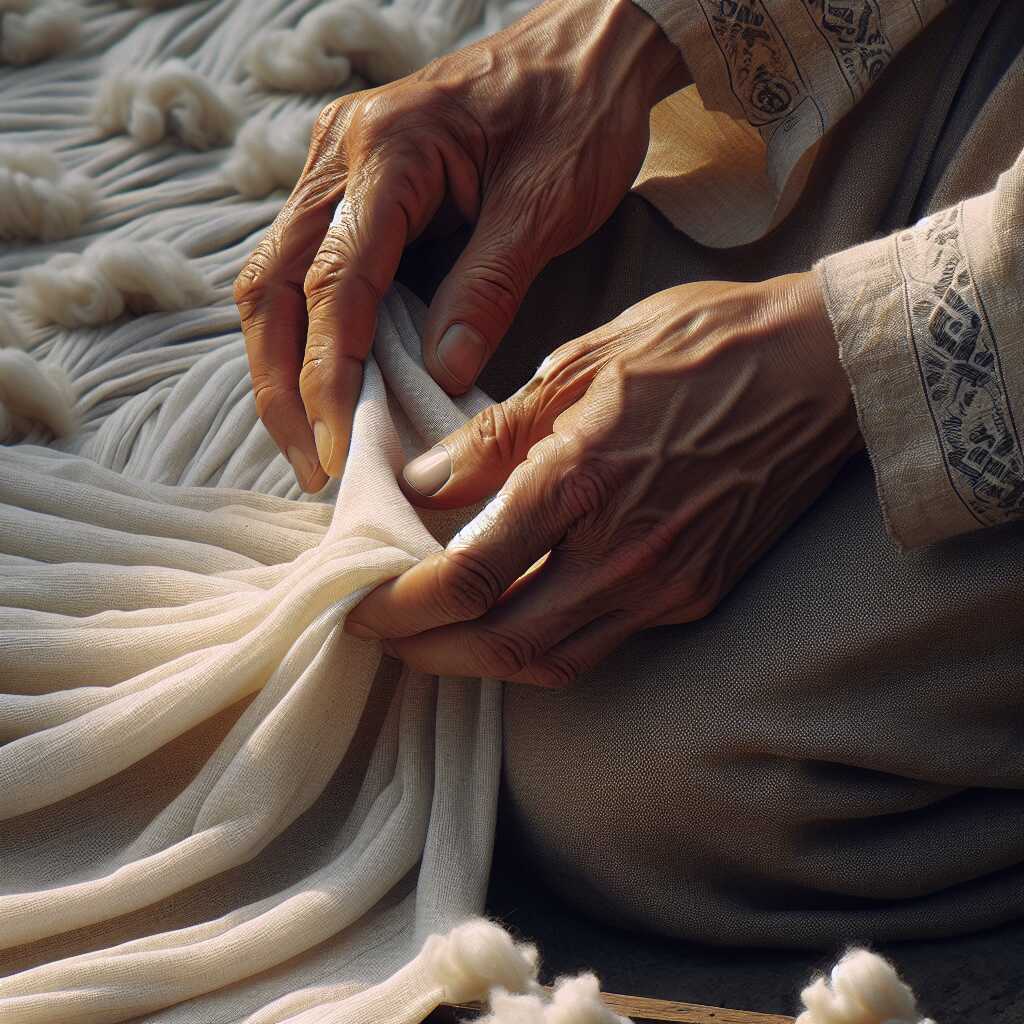
By Predicament Measures
Quick Answer: Can microfiber cloths collect dew efficiently for emergency water
Yes, Microfiber cloths can collect dew because split fine fibers create high surface area and capillary action that trap moisture overnight allowing you to wring out usable water, but yields are small and weather dependent
- Effectiveness: Typical single 30 cm 30 cm cloth can collect roughly 10-200 mL per night depending on humidity temperature and exposure and you can recover about 70-90 of the absorbed water by firm wringing
- Cost: Cloths cost about $0.50-$6 each versus dedicated passive dew collectors or radiative condensers at $50-$300; bottled water costs about $1-$3 per liter for comparison
- Time: Set cloths out at dusk collect at dawn for 8-12 hours; wringing and collecting takes 30-60 seconds per cloth; drying in sun 2-6 hours
- Limitation: Cannot reliably supply liters per person per day in most climates and water collected is not guaranteed potable without treatment
Microfiber cloths are textiles made from very fine synthetic fibers (usually polyester/polyamide blends) engineered for high surface area and capillary action. This $0.50-$6 per cloth solution can provide small amounts of emergency water (tens to a few hundred milliliters per 30 cm 30 cm cloth per night) compared to dedicated passive dew collectors or radiative condensers which cost $50-$300 and can perform better in marginal conditions.
The process works through three key relationships: microfiber fibers attract and hold microscopic water droplets resulting in measurable uptake of roughly 10-200 mL per 30 cm 30 cm cloth per night, capillary action transfers captured moisture toward the cloth core enabling 70-90 recovery by firm wringing, and exposure to open sky and cool surfaces increases condensation creating higher yields in clear, calm nights (best results over 8-12 hours).
How to collect dew with microfiber cloths step-by-step
- Select cloth and container (5 minutes): Choose a clean 30 cm 30 cm microfiber cloth and a 500 mL or larger collapsible cup or water bottle. Instruction: Use new or recently laundered cloths to avoid contaminants. Result: Ready kit that maximizes hygiene and capture surface.
- Pick the location (10 minutes): Place cloths in open areas with clear sky exposure, near low-lying vegetation or metal surfaces that cool quickly. Instruction: Avoid tree canopy that intercepts dew; pick a spot with horizontal or slightly elevated exposure. Result: Higher chance of condensation and reduced wind loss.
- Deploy at dusk (5 minutes): Drape cloths flat or loosely over a low horizontal line, bush, or rock at dusk so they cool overnight (set 1-2 hours before temperatures start dropping if possible). Instruction: Spread full surface area; secure corners with light rocks or clips to prevent wind displacement. Result: Cloths exposed for 8-12 hours while temperature drops.
- Protect from contamination (2 minutes): Keep one clean side upward and avoid contact with soil, animal urine, or obvious dirt. Instruction: Elevate cloths slightly off the ground using sticks or a small frame. Result: Cleaner collected water and fewer solids to filter out later.
- Collect at dawn (2 minutes): Retrieve cloths at first light after 8-12 hours. Instruction: Fold cloth inward to trap moisture rather than shaking it off. Result: Reduced splatter loss and concentrated wet mass for wringing.
- Wring into container (30-60 seconds per cloth): Hold cloth over a container and twist/press firmly to extract liquid; expect to recover roughly 70-90 of the absorbed water. Instruction: Use two handssqueeze toward the container and then twistrepeat until cloth feels only damp. Result: Typically 7-180 mL of usable water from a single 3030 cm cloth depending on conditions.
- Treat the water before drinking (15+ minutes): Disinfect collected water by boiling for at least 1 minute at sea level (longer at high altitude), or use chemical disinfectants or a portable filter rated for pathogens. Instruction: Boil or treat immediately; small volumes heat quickly. Result: Water that meets basic microbial-safety practices.
- Dry and reuse cloths (2-6 hours): Spread cloths in direct sun or near a heat source to dry fully before reuse. Instruction: Dry for 2-6 hours in sun or longer in cool/wet weather; launder with soap when possible to remove residues. Result: Cloths ready for the next night while minimizing mold or bacteria growth.
- Scale and plan realistically (planning time varies): Use multiple cloths to increase total yield; for example, 10 cloths (3030 cm) could theoretically yield 100-2,000 mL gross absorption overnight before recoveryexpect 70-90 recovery of that amount. Instruction: Calculate how many cloths you can carry and dry each day; plan for treatment and storage. Result: A feasible small supplementary water source in favorable conditions, not a guaranteed daily supply.
FAQ
What are microfiber cloths exactly and how are they made
Microfiber cloths are small synthetic cleaning cloths made from split polyester and polyamide fibers that provide very high surface area and capillary action for water capture. Manufacturers cut or split fibers to create many fine strands that increase absorbency and durability and the cloths commonly measure 30 cm 30 cm to 40 cm 40 cm for general use. Predicament Measures notes the cost range is about $0.50-$6 each and the cloths are designed for cleaning but can provide an emergency dew collection option when tested and used correctly.
What materials and weave make microfiber cloths absorbent
Split polyester and polyamide blends create fine fibrils that trap moisture by capillary action and surface tension, and dense weaves or terry piles increase holding volume. Plain weave cloths feel flat, terry or loop weaves feel thicker and can hold more water per square centimeter, which enhances efficiency during dew collection.
How do microfiber cloths collect dew step by step overnight
You set cloths out at dusk and leave them exposed to cool, humid air for about 8-12 hours so airborne moisture condenses on the fibers and collects as droplets that the microfibers hold. Overnight cooling causes condensation on the high surface area fibers and capillary action moves droplets into the cloth where you can recover water by firm wringing for about 30-60 seconds per cloth. Yes, microfiber cloths can collect dew for emergency water supply, yields are small and weather dependent, and recovered water is not guaranteed potable without proper treatment and testing.
What is the best placement and timing to collect dew effectively
Place cloths in open grassy or shrub areas that get sky exposure and little wind and set them out at dusk to collect through 8-12 hours until dawn for best results. Lay cloths flat on low vegetation, drape them over low branches, or hang on a line to expose both sides to air, and test placement by doing a short review over several nights to find the best local location for reliable results.
What are the main benefits of using microfiber cloths for dew
Microfiber cloths provide a low-cost, lightweight, and multi-use option that helps hikers, campers, and preppers add a backup water source to kits at about $0.50-$6 per cloth. Cost comparison shows cloths are far cheaper than passive dew collectors and radiative condensers that cost $50-$300, and they are far lighter than carrying bottled water that costs about $1-$3 per liter. The method offers useful reliability for small-volume recovery, enhances emergency readiness, and delivers a proven low-tech option when testing and experience show suitable local yields.
How much water can a single microfiber cloth capture per night
A typical single 30 cm 30 cm microfiber cloth can collect roughly 10-200 mL per night depending on humidity, temperature, and exposure, and you can recover about 70-90 of that absorbed water by firm wringing. That means recoverable water per cloth often falls in the range of about 7-180 mL, so reaching 1 liter in one night will typically require roughly 6-150 cloths depending on local conditions and placement efficiency.
What are the risks and limitations of using microfiber cloths outdoors
Microfiber dew collection cannot reliably supply liters per person per day in most climates and it carries contamination risk from dust, soil, bird droppings, and microbes that land on cloth surfaces. Yields are highly weather dependent so success rates vary nightly and users must not assume consistent output without repeated testing and review of local data. Predicament Measures recommends treating collected water and using cloths only as a supplemental emergency source rather than a sole water solution.
How can you make dew water safer after collection with cloths
After wringing, filter the collected liquid through a clean 0.1-0.2 micron microfilter or cloth filter and then treat by boiling or approved chemical or UV methods to ensure potability; bring water to a rolling boil for about 1 minute at low elevation and extend time at high elevation if needed. Portable UV pens and chlorine or iodine tablets also offer proven treatment options, and users should keep collection containers and cloths clean to improve safety and overall performance.
Who should consider using microfiber cloths for emergency water collection
Hikers, campers, survivalists, preppers, backpackers, ultralight hikers, emergency coordinators, homesteaders, and off-grid dwellers should consider microfiber cloths as an affordable backup water option. The method provides a useful, low-weight feature for emergency kits, offers good cost-to-weight efficiency, and helps ensure redundancy when combined with filters and treatment tools. Predicament Measures lists microfiber cloths as an essential low-cost item that enhances field readiness when users test their local reliability and performance.
What skill level and health considerations are needed for users
Users need basic skills in placement, wringing, filtering, and treating water and should perform simple tests and reviews to learn local yields and reliability. People with weak immune systems, chronic illness, or limited treatment options should avoid drinking untreated dew and should always follow proven treatment steps to reduce health risks.
When is the best time to use microfiber cloths for dew harvesting
Best time to use microfiber cloths for dew harvesting is overnight by setting cloths out at dusk and collecting them at dawn after about 8-12 hours when surfaces cool and air temperature drops. Predicament Measures field experience and testing show that an overnight deployment yields the highest moisture capture over daytime or midday attempts. Users should expect small yields per cloth, weather dependence, and the clear limitation that microfiber cloths cannot reliably supply liters per person per day in most climates.
What weather and humidity conditions increase dew yield most
High relative humidity near the dew point, clear skies, and low wind increase dew yield and give the best results for microfiber cloths. Typical yield per 30 cm 30 cm cloth ranges from about 10-200 mL per night depending on humidity, temperature, and exposure, with firm wringing recovering roughly 70-90 of that absorbed water. Reliability varies widely by site and season and users should review local weather data before relying on cloth dew collection for water needs.
How much do microfiber cloths cost compared to other water options
Microfiber cloths cost about $0.50-$6 each compared with passive dew collectors or radiative condensers at $50-$300 and bottled water at about $1-$3 per liter. Cost comparison and reviews show that cloths are cheap per item and useful for emergency or ultralight use, but their small per-piece yield limits practical water value in extended operations. Testing and experience indicate cloths are an inexpensive option for supplemental water capture yet cannot replace bulk water sources for sustained daily needs.
What is the cost per liter equivalent when using cloth dew collection
Cost per liter equivalent when using cloth dew collection ranges widely from roughly $2.50 per liter in optimistic cases up to several hundred dollars per liter in pessimistic cases. Example math: a $0.50 cloth yielding 200 mL (0.2 L) before wringing gives about $2.50 per liter raw; factoring 70-90 recovery shifts that to roughly $2.78-$3.57 per liter in a best-case scenario, while a $6 cloth yielding 10 mL before wringing gives a much higher cost per liter near $600. This comparison shows that cloth dew capture can be cost-competitive with bottled water only in the best weather and with low-cost cloths, and users should treat these numbers as a site-dependent estimate rather than a guaranteed result.
What materials and tools are needed to use microfiber cloths for dew
Essential materials and tools include split-fiber microfiber cloths (30 cm 30 cm common), lightweight cord or clips to secure cloths, a clean collection container (250-500 mL or larger), and a sealable drying bag for storage. Field testing and reviews recommend carrying several cloths per person, a lightweight bucket or bottle for wringing, and gloves if ambient temperatures are low or surfaces are dirty. Users should ensure cloths remain free of contaminants, because microfiber cloths provide absorption but do not guarantee potable water without treatment and filtering.
What size and weave of cloths give the best absorption results
Cloths sized around 30 cm 30 cm up to about 40 cm 40 cm with split microfibers and a high surface area weave provide the best absorption results per unit carried. Practical testing and user reviews show split-fiber, plush weaves trap moisture via capillary action more effectively than flat weaves, and a single 30 cm 30 cm cloth typically captures about 10-200 mL overnight. Users should avoid dense non-split weaves that offer lower efficiency and recognize that larger cloths increase yield but add pack weight and drying time.
What are the best alternatives to microfiber cloths for dew collection
Best alternatives include plastic-sheet condensers, radiative condensers, fog nets, and transpiration bags, which are designed to scale up collection and can provide higher yield per deployment than a single microfiber cloth. Cost and testing reviews show these alternatives require larger initial investment and more setup time yet deliver more consistent results under the right conditions. Users should evaluate reliability, portability, and local climate before choosing an alternative because no single method is universally best for all sites and seasons.
How do plastic sheets and radiative condensers compare in yield
Plastic sheets and radiative condensers generally outperform a single microfiber cloth on a per-deployment yield basis because they collect condensate across larger areas and channel water into a container. Comparison reviews indicate that cloths capture small volumes per 0.09 m piece while larger plastic or radiative systems capture condensate across square meters, making them more efficient for producing useful volumes when weight and cost permit. Users should note that radiative condensers are designed for enhanced condensation and may deliver higher yields in clear, calm nights, while plastic sheets offer a low-tech, low-cost alternative that scales with surface area.
What common mistakes should be avoided when using microfiber cloths
Common mistakes include placing cloths in sheltered low-humidity spots, using dirty cloths that introduce contaminants, and assuming collected dew is potable without treatment. Predicament Measures experience shows that leaving cloths on warm surfaces, failing to wring for the full 30-60 seconds per cloth, and storing damp cloths without drying reduce reliability and risk bacterial growth. Users must not depend on cloth dew capture for all daily water needs and must plan for backup water and treatment methods.
How to clean store and maintain microfiber cloths for repeated use
Clean microfiber cloths by rinsing in warm water (about 30-40C) or machine washing without fabric softener, and dry by air in sun or low-heat dryer for about 2-6 hours depending on weather. Proper care improves durability, preserves absorption performance, and enhances reliability in repeated field use, and reviewers recommend inspecting cloths for fraying or residue before each deployment. Store clean, fully dry cloths in a sealed dry bag to protect quality and to help ensure cloths perform well during the next dew collection test.
Related posts:
 Unwaxed Dental Floss: High-Strength Fishing Line Alternative for Wilderness Food Procurement
 Petroleum Jelly Cotton Balls: Five-Minute Burn Time Fire Starters for Damp Conditions
 Elastic Hair Ties: Cordage Bundle Organizers for Tangle-Free Emergency Kits
 Plastic Cling Wrap: Burn Wound Covering to Prevent Infection and Fluid Loss
 Cornstarch: Moisture Absorption Powder for Preventing Trench Foot
Sterile Tampons: Deep Puncture Wound Packing for Hemorrhage Control
Cornstarch: Moisture Absorption Powder for Preventing Trench Foot
Sterile Tampons: Deep Puncture Wound Packing for Hemorrhage Control
 Wooden Pencils: Arrow Shaft Material for Improvised Hunting Weapons
 Index Cards: Water-Resistant Information Cards for Survival Instructions