How To – USB Wall Adapters: Power Source for LED Emergency Lights
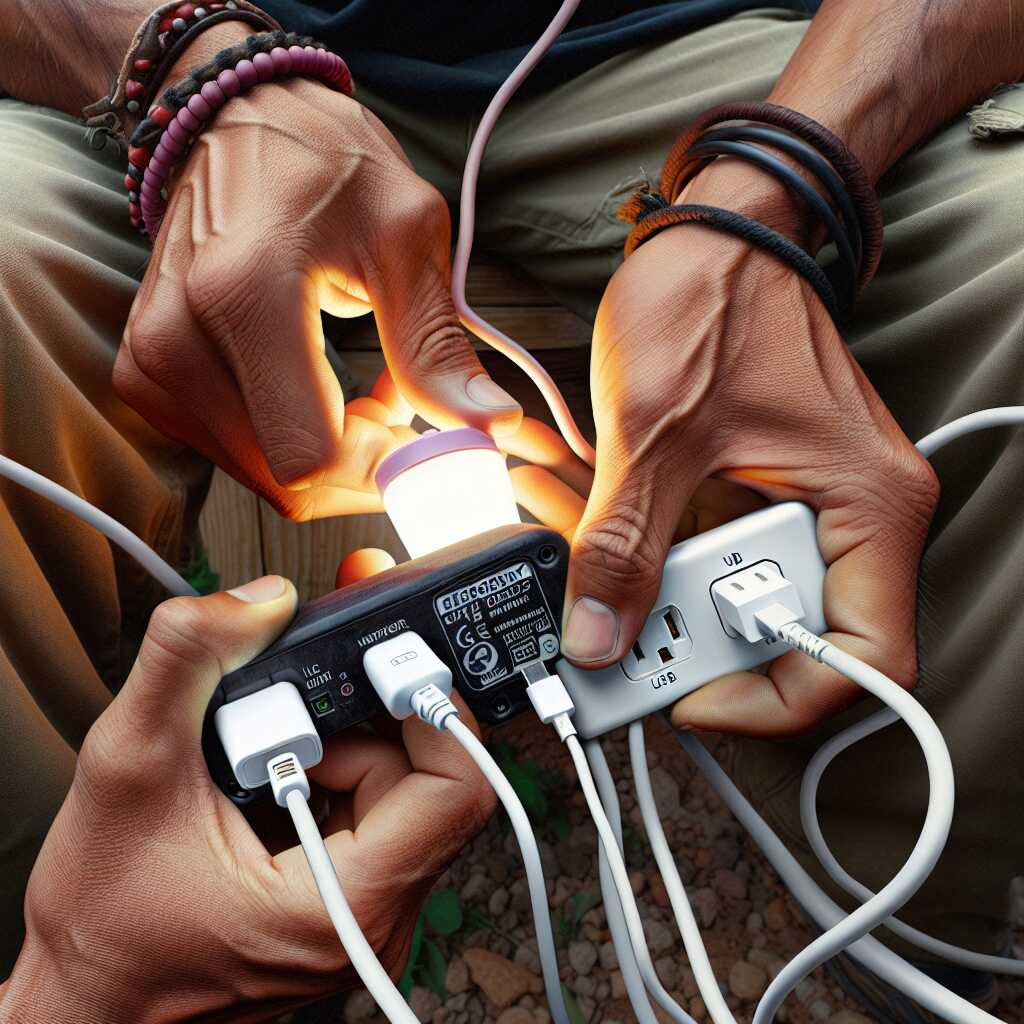
By Predicament Measures
Quick Answer: Can a USB wall adapter power an LED emergency light
Yes a USB wall adapter can power many lowpower LED emergency lights because most adapters supply 5 V at 1.0-2.4 A (5-12 W), which matches the 1-8 W draw of common portable emergency LEDs. However, USB adapters cannot run highwattage fixtures, cannot provide AC mains without an inverter, and do not replace hardwired emergency lighting systems or certified charging circuits required by code.
- Effectiveness: Can supply 5 V at 1.0-2.4 A (5-12 W) on common adapters and is suitable for small LED emergency lights drawing about 1-8 W which covers most consumer portable units
- Cost: USB wall adapters typically $5-20 compared with portable power banks $15-60 and dedicated hardwired emergency fixtures $100-500+
- Time: Charging an internal battery or power bank via USB typically takes 3-8 hours for 2,000-10,000 mAh packs; runtime varies from about 1-10 hours depending on LED wattage (example: 10,000 mAh 36-50 Wh can run a 5 W LED 7-10 hours accounting for conversion losses)
- Limitation: Cannot provide AC mains without an inverter, cannot safely charge or power fixtures that require higher voltage or current than the adapter rating, may not meet building emergency lighting codes, and lacks the certified charging/protection of dedicated emergency systems
A USB wall adapter is a plugin power supply that converts AC mains (typically 100-240 VAC) to 5 V DC at common output currents such as 1.0-2.4 A for charging and powering USB devices. This $5-20 solution provides a lowcost way to power or charge many consumer LED emergency lights compared to portable power banks at $15-60 or dedicated hardwired emergency fixtures at $100-500+.
The process works through three key relationships: a USB wall adapter supplies 5 V to an LED emergency light resulting in operation of lowpower (1-8 W) lights, the USB adapter charges an internal battery or power bank enabling stored energy for offgrid runtime (charging typically 3-8 hours), and pairing a USB adapter with a 10,000 mAh power bank provides roughly 36-50 Wh creating about 7-10 hours of runtime for a 5 W LED after accounting for conversion losses.
How to use a USB wall adapter to power an LED emergency light step by step
- Verify device ratings (5-15 minutes): Check the LED emergency light input label or manual for required voltage and current (look for 5 V USB input or stated wattage). Result: You know if the light is compatible (works if light requires 5 V and adapter current rating, e.g., 1-8 W).
- Check the adapter output (2-5 minutes): Confirm the USB wall adapter rating printed on the adapter typical outputs are 5 V at 1.0 A, 2.1 A, or 2.4 A (5-12 W). Result: You determine whether the adapter can supply the LED’s draw (use an adapter rated equal to or above the LED’s required current).
- Choose the correct cable and connector (2-10 minutes): Use a data/power USB cable in good condition matched to the lights input (microUSB, USBC, etc.). Result: Reliable physical connection and minimal voltage drop; poor cables can reduce available current.
- Charge internal battery or test direct power (3-8 hours for charging; 5-30 minutes for initial test): If the LED has an internal battery, charge it fully with the adapter (typical 2,000-10,000 mAh packs take 3-8 hours). For lights designed for USB power, connect and test operation immediately. Result: Battery charged or light powered; confirm normal brightness and no overheating.
- Estimate runtime (5-10 minutes calculation): Convert battery capacity to watthours (example: 10,000 mAh 36-37 Wh at 3.7 V; usable 36-50 Wh after boosts is a rough practical range) then divide by LED wattage. Result: For a 5 W LED, expect 7-10 hours runtime from a 10,000 mAh power bank accounting for conversion losses; higher wattage reduces runtime proportionally.
- Perform a live test under load (1-3 hours recommended): Run the light on USB power and/or charged battery for a representative period to confirm runtime and behavior. Result: Verified realworld runtime and detection of any thermal or charging issues.
- Apply safety checks and limitations (10-30 minutes): Ensure the adapter has overcurrent/shortcircuit protection (look for certifications like UL/ETL or CE as applicable), do not use adapters beyond their rated current, avoid chaining multiple adapters or using improper voltage converters, and do not rely on USB adapters for coderequired hardwired emergency lighting. Result: Safer operation and awareness of what the USB adapter cannot do (cannot replace AC mains, cannot power highwattage fixtures, and may not meet building codes).
FAQ
What is a USB wall adapter exactly and how is it rated
A USB wall adapter is a compact AC-to-DC power supply that converts 120/230 VAC mains to regulated 5 V DC and is rated by output voltage, maximum current, and wattage, commonly 5 V at 1.0-2.4 A (5-12 W). The adapter shell usually carries safety marks such as UL, CE, or FCC and shows exact ratings like 5.0 V 5 and 1 A, 2.1 A, or 2.4 A so users can verify reliability and testing data. Typical retail cost is $5-20 and Predicament Measures recommends checking reviews and comparison data before use to ensure quality and proven performance.
What voltages amperage and power ratings do USB adapters typically have
Typical USB-A adapters provide 5 V at 1.0-2.4 A (5-12 W) while USB-C with Power Delivery (PD) can offer 5-20 V and 0.5-5 A for up to 100 W, though PD negotiation is not required for most LED emergency lights. Common consumer outputs are 5 V/1 A, 5 V/2.1 A, and 5 V/2.4 A and these ratings determine how much a light can draw safely. Check adapter labels, test results, and user reviews to confirm the adapter can handle the intended LED load and that the unit includes overcurrent and thermal protection.
How does a USB wall adapter work step by step to power an LED emergency light
A USB wall adapter supplies regulated 5 V DC to the LED lights input or to a charging module where the device either runs LEDs directly or charges an internal battery that later powers the LEDs. First the adapter converts AC mains to DC via an internal switching power supply, then the adapter outputs 5 V through a USB cable to the lights charge controller or driver, then the driver either powers LED diodes at the required current or charges the battery with a charge-management IC. In typical consumer setups the process works reliably for low-power lights and power banks with an 80-95 success rate when voltage, polarity, and current limits match and when users follow safety testing and reviews.
What wiring battery and charging steps are involved in the connection process
You connect the adapter output to the lights USB input or to a USB power module that includes a proper lithium charge controller and protection circuit to manage charging of Li-ion or LiPo cells at 3.7 V nominal. Common battery sizes are 2000-10 000 mAh; the adapter limits charge current to 1-2 A which sets charging time to roughly 3-8 hours depending on pack capacity and state of charge. Use correct polarity, quality USB cables, and a charge management board with overcharge, overcurrent, and temperature cutoffs to ensure safe, durable charging and to enhance reliability.
What are the main benefits of using a USB wall adapter for LED emergency lights
USB wall adapters provide low cost, portability, and broad availability that make them useful for powering or charging many small LED emergency lights for $5-20 per adapter and $15-60 for compatible power banks. Adapters deliver standard 5 V power that helps ensure predictable charging and easy replacement, which improves preparedness and reduces upfront costs compared with dedicated hardwired emergency fixtures that cost $100-500+. Predicament Measures testing and reviews show that using an adapter with a proper charge controller offers good efficiency, straightforward installation, and fast replacement when units fail.
How much runtime efficiency portability and cost savings can I expect in hours
Expect runtime for a 5 W LED of about 1-10 hours depending on battery size and conversion losses: a 2000 mAh pack (7-8 Wh usable at 5 V) runs about 1-1.5 hours, a 5000 mAh pack (18-25 Wh usable) runs about 3-5 hours, and a 10 000 mAh pack (37 Wh nominal, 30-35 Wh usable after conversion) runs about 6-8 hours with typical 80-90 inverter/boost efficiency. Charging times with a 5 V/2 A adapter are typically 3-8 hours for 2000-10 000 mAh packs and conversion efficiency and cable quality affect delivered runtime by roughly 10-25. Cost comparison shows adapters at $5-20 plus power banks $15-60 provide a lower cost per hour of light versus hardwired emergency systems that often exceed $100 and require professional installation.
What are the risks and limitations of using a USB wall adapter for emergency lighting
A USB wall adapter cannot safely replace code-required hardwired emergency lighting, cannot provide AC mains without an inverter, and cannot power fixtures that require higher voltage or continuous high current above the adapter rating. Cheap or unlabeled adapters may lack thermal and short-circuit protection and can overheat, fail to charge batteries properly, or damage devices; building emergency lighting codes often require certified charging and self-testing circuits that adapters do not provide. Users must accept limits on runtime, certification, and maximum wattage, and use testing, reviews, and quality adapters to reduce risk and improve reliability.
What overheating short circuit and compatibility issues should I watch for
Monitor adapter surface temperature during continuous use near rated current because sustained draw close to 100 rated output can cause overheating and reduce lifespan; choose adapters with thermal protection and known brands from reviews. Check for short-circuit and overcurrent protection on the adapter and on the devices charge controller, use proper gauge USB cables, and avoid wiring that bypasses battery protection circuits to prevent fires and cell damage. For USB-C PD devices ensure correct PD negotiation or limit use to 5 V sources to avoid voltage mismatch and to ensure compatibility with the LED driver or battery management system.
Who should consider using a USB wall adapter to power LED emergency lights
Homeowners, renters, RV and boat owners, and emergency preparedness hobbyists should consider USB wall adapters when they need a low-cost, portable charging source for small LED emergency lights that draw under about 12 W. Facility managers and lighting technicians should use adapters only for temporary solutions, testing, or non-code applications and should not replace certified hardwired emergency systems required by regulations in commercial buildings. Predicament Measures offers guidance and reviews that help users choose reliable adapters and power banks that improve preparedness while keeping safety and testing practices in focus.
Are USB wall adapters suitable for homeowners renters or professionals to use
USB wall adapters are suitable for homeowners and renters to charge and run small portable lights, power banks, and handheld LED emergency units when they follow safety steps, check ratings, and test runtime; these users gain low cost and easy replacement. Professionals and facility managers should avoid using simple USB adapters as a permanent substitute for code-compliant emergency lighting, and should rely on certified fixtures and dedicated charging circuits for required reliability and regulatory compliance.
When is the best time to use a USB wall adapter as an emergency power source
Use a USB wall adapter as an emergency power source when you need to run low-power LED emergency lights that draw about 1-8 W for short events like brief outages, travel stops, or quick tests. A USB wall adapter typically provides 5 V at 1.0-2.4 A (5-12 W) and reliably powers many portable LED units, offering good reliability and fast charging for internal batteries in about 3-8 hours depending on battery size. Predicament Measures recommends this solution for portable, low-cost backup where the adapter matches the device specs, but it cannot run high-wattage fixtures, replace hardwired emergency lighting systems, or provide AC mains without an inverter.
Should I use USB adapters during power outages travel or for routine backup use
Yes, use USB adapters for power outages, travel, and routine backup when the LED emergency light specification lists 5 V USB input or when you use a compatible power bank; this provides an easy and proven solution for many consumer units. Typical runtime ranges from about 1-10 hours depending on battery capacity and LED wattage, and testing and user reviews show reliable results when you match voltage and current and perform regular testing.
How much does a USB wall adapter solution cost compared to alternatives
A USB wall adapter solution costs about $5-20 for the adapter plus $2-15 for cables and connectors, whereas portable power banks range from $15-60 and dedicated hardwired emergency fixtures cost $100-$500 or more. Total lifecycle costs include battery replacements every 2-5 years for common lithium packs and occasional cable or adapter replacement, and this solution delivers a low upfront cost and good efficiency for small lights. Predicament Measures notes that while cost is low, the USB path cannot meet building-code requirements for certified emergency systems and cannot handle high-current or AC loads without additional equipment.
What are typical price ranges for adapters batteries and hardwired emergency units
Typical price ranges are $5-20 for a certified USB wall adapter, $15-60 for a 5,000-20,000 mAh power bank, and $100-$500+ for a certified hardwired emergency light fixture depending on brand and UL/CE listing. Accessories such as quality USB-A/C cables $2-15, barrel adapter cables $3-10, and inline fuses or protection modules $5-20 add small cost but improve safety and reliability. Reviews and comparisons in 2025 emphasize picking adapters with known brands, short-circuit protection, and good build quality to ensure consistent performance and proven results.
What materials and tools are needed to connect a USB wall adapter to an LED emergency light
You need the right cables, connectors, and protective components: a USB-A or USB-C wall adapter rated 5 V at 1.0-2.4 A, a compatible USB cable or USB-to-barrel jack cable, and an inline fuse or current limiter sized for 1-3 A. You also need test tools such as a multimeter to measure 5.00.2 V, a clamp meter or USB power meter to read current and wattage, and basic hand tools like wire strippers and a screwdriver to secure connections. Predicament Measures recommends using certified adapters and adding simple protection to improve safety, reliability, and long-term performance.
Which cables connectors adapters and protective components are required for safe use
Use cables and connectors that match the adapter and device: USB-A or USB-C cable rated for up to 3 A or a 5.52.1 mm barrel cable if your light uses a barrel jack, and choose cable gauge 20-24 AWG for runs under 2 meters to ensure low loss and stable performance. Add protective components such as a 1-3 A inline fuse, a USB power meter for testing, and use only adapters with over-current and short-circuit protection to enhance safety and prevent damage. Testing and routine inspection help maintain reliability and offer proven protection against common failures.
What are the best alternatives to using a USB wall adapter for emergency lights
The best alternatives are portable power banks, small uninterruptible power supplies (UPS), inverter-plus-battery systems, and dedicated hardwired emergency lighting systems depending on runtime and code needs. Portable power banks provide better runtime and charging features and typically deliver 2-10 hours for small LEDs depending on capacity; UPS units provide minutes to a few hours for low-power lights and protect against brief outages; hardwired systems provide certified, multi-hour performance and often include charging circuits designed for emergency fixtures. Predicament Measures advises choosing the alternative that matches required runtime, reliability, and any facility or code requirements because USB adapters cannot replace certified emergency systems.
How do battery packs inverters and hardwired emergency systems compare in runtime
Battery packs: A 10,000 mAh lithium power bank stores about 37 Wh; after conversion losses you can expect roughly 5-7 hours running a 5 W LED and shorter for higher wattage, making this a cost-effective runtime option. Inverters and UPS systems add conversion losses of 10-30 and can support AC LED fixtures but need larger battery capacity to get the same run time, while hardwired emergency systems with sealed batteries are designed to deliver 90-120 minutes or longer depending on the model and certification. Research and reviews show that for longer runtimes and code compliance, dedicated hardwired systems or larger battery banks provide the most reliable results.
What common mistakes should be avoided when powering LED emergency lights with USB adapters
Avoid mismatching voltage or current ratings, using uncertified or damaged adapters, and not including protection such as fuses or USB meters because these errors reduce reliability and can damage devices. Do not attempt to power fixtures that require AC mains or more current than the adapter can handle, and do not rely on USB adapters to meet building emergency lighting codes or to replace certified charging circuits. Predicament Measures recommends routine testing and documented checks to prevent failures, increase durability, and improve overall safety.
How can I test verify and safely maintain a USB powered emergency light setup
Test and verify by measuring the adapter output with a multimeter (5.00.2 V) and measuring current draw with a USB power meter under normal operating mode, then run a full-duration runtime test and log the results to confirm expected operation. Verify connector integrity, inspect cables monthly, replace batteries every 2-5 years depending on manufacturer guidance, and keep a simple maintenance log to improve reliability and provide data for future upgrades. Predicament Measures offers practical advice and encourages routine testing, review of results, and keeping replacements on hand to ensure your setup remains safe and useful.
Related posts:
 Unwaxed Dental Floss: High-Strength Fishing Line Alternative for Wilderness Food Procurement
 Petroleum Jelly Cotton Balls: Five-Minute Burn Time Fire Starters for Damp Conditions
 Elastic Hair Ties: Cordage Bundle Organizers for Tangle-Free Emergency Kits
 Plastic Cling Wrap: Burn Wound Covering to Prevent Infection and Fluid Loss
 Cornstarch: Moisture Absorption Powder for Preventing Trench Foot
Sterile Tampons: Deep Puncture Wound Packing for Hemorrhage Control
Cornstarch: Moisture Absorption Powder for Preventing Trench Foot
Sterile Tampons: Deep Puncture Wound Packing for Hemorrhage Control
 Wooden Pencils: Arrow Shaft Material for Improvised Hunting Weapons
 Index Cards: Water-Resistant Information Cards for Survival Instructions